
Discover the Best Spots for Authentic Bunny Chow in Durban South Africa
If you’re planning a trip to Durban, you’ve likely heard the name Bunny Chow tossed around, but let’s be clear: it has nothing to do with rabbits.
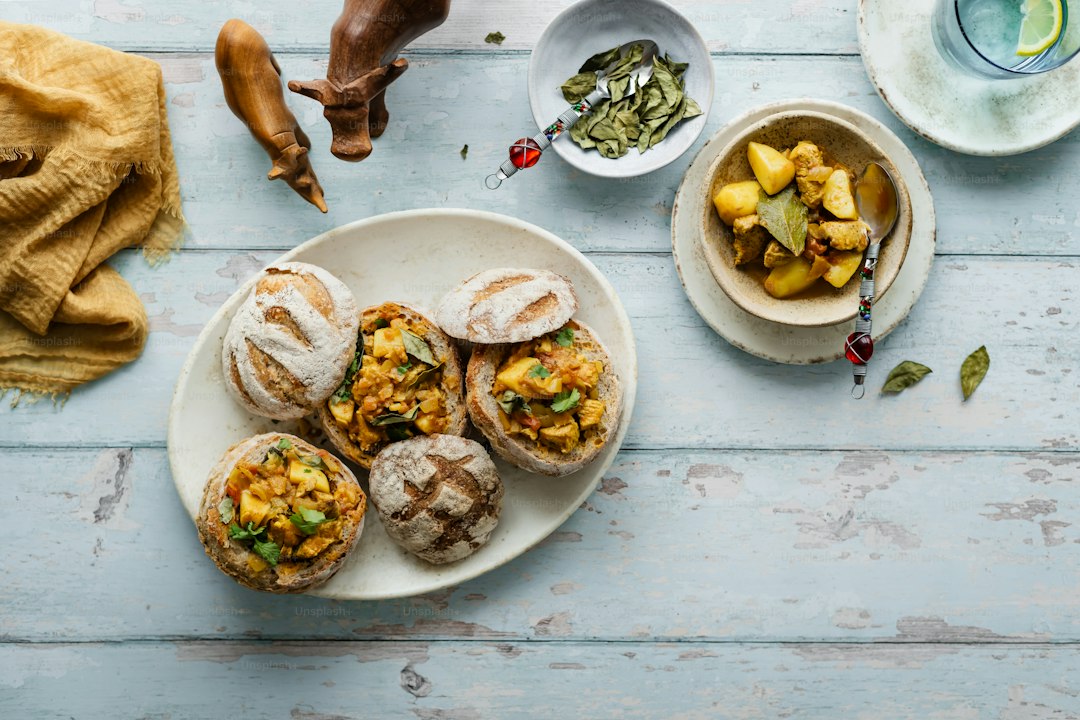
The Origins and Cultural Significance of the Bunny Chow
If you’re planning a trip to Durban, you’ve likely heard the name Bunny Chow tossed around, but let’s be clear: it has nothing to do with rabbits. It’s actually a brilliant, albeit accidental, piece of engineering born out of necessity. Most historians agree that the name is a corruption of "bania," the Indian merchant caste that first started selling these in Durban. Back then, it wasn’t about creating a food trend; it was about survival. During the apartheid era, migrant workers needed a way to carry their meals that didn’t involve fragile plates they couldn't wash or store.
Think about it this way: the hollowed-out loaf of bread served as the world’s most effective, biodegradable takeout container. It was a genius workaround to discriminatory laws that kept non-white patrons out of certain restaurants, allowing people to grab a hot, filling meal and keep moving. Interestingly, while we often see them packed with lamb or mutton today, the original versions were strictly vegetarian. Those early indentured laborers relied on bean-based curries, which were not only cheaper but also perfectly suited the dietary customs of the time.
The chemistry behind the dish is just as fascinating as the history. That specific South African white bread isn't just filler; it’s structural. You need that soft, airy crumb to have enough integrity to hold a ladle of spicy, hot curry without turning into a soggy mess before you finish your first bite. If you’re doing it right, you leave a thick base at the bottom of the quarter-loaf to act as a sponge, soaking up every bit of that gravy. It’s a dish that turned a harsh, restrictive environment into a space for innovation, eventually shifting from a humble street food into an icon of South African identity.
Gounden’s Restaurant & Take Away: The Ultimate Local Institution
When you pull into the industrial district of Umbilo, it doesn’t take long to realize Gounden’s Restaurant & Take Away isn’t trying to impress you with modern decor or trendy marketing. Since 1961, this spot has been the beating heart for the dockworkers and laborers who built the city, and honestly, that history is baked into every bite. I’ve spent time looking at how they operate, and it’s a masterclass in efficiency that would make any logistics engineer proud. They’ve managed to keep their spice ratios identical for over sixty-five years, which is a rare feat in a world that usually sacrifices consistency for scale. If you’re there during the lunch rush, you’ll see the kitchen outputting a finished mutton bunny every forty-five seconds, a speed that feels almost impossible given the quality they maintain.
The real secret, if you’re curious about the mechanics of the meal, is the bread. They don’t just grab whatever is on the shelf; they use a high-gluten white loaf specifically engineered to handle the thermal load of their gravy without turning into mush. The kitchen staff keeps the mutton curry at a strict 40:60 meat-to-gravy ratio, slow-cooking the protein until the collagen breaks down into a viscous, rich sauce that actually coats the interior of the bread rather than just soaking through it. There’s a science to it—they keep their serving temperatures at 82 degrees Celsius to ensure the starches in the bread gelatinize perfectly upon contact. You might even notice regulars checking their tray for the deep oil ring around the edges, which is their go-to metric for judging how well the fat-soluble spices have infused the base.
It’s refreshing to see a business model that prioritizes local roots over rapid expansion, especially since they’ve famously turned down every franchising offer that’s come their way to protect their small-batch process. By sourcing nearly all their vegetables from the nearby Warwick Junction market, they’ve become a legitimate economic anchor for the neighborhood. While everyone talks about the mutton, you really shouldn't sleep on their fish bunny; using fresh local snapper or kabeljou is a nod to the coastal traditions that defined the region’s original palate. I’ve always felt that the best places don’t need to shout about their quality—they just quietly continue doing things the right way, day after day. If you find yourself in Durban, go here, order the mutton, and just pay attention to how that bread holds up until the very last bite.
CaneCutters: Award-Winning Authentic Flavors in Glenwood
If you're hunting for a serious benchmark in the Durban food scene, you have to look at CaneCutters over in Glenwood. They didn't just stumble into success; they absolutely dominated the regional culinary circuit by winning the Coca-Cola Bunny Chow Barometer three years running from 2016 to 2018. The name itself is a nod to the indentured laborers who arrived in Natal back in 1860, and you can feel that weight of history in the way they handle their recipes. The space at 53 Helen Joseph Road is actually built with high ceilings for natural convection, which is a clever way to handle the intense heat coming off their stoves and the humid climate outside.
When you break into a loaf here, you’re dealing with some real food engineering. They source bread with a 12.5 percent protein content, which gives it the structural density to hold a 400-gram payload of curry without turning into a disaster. The mutton is slow-braised until the collagen breaks down entirely, and they don't cheat with industrial thickeners; they rely on the natural starch from potatoes to get that perfect, thick viscosity. Their tempering process is equally precise, flash-frying mustard seeds and curry leaves at 180 degrees Celsius to make sure those volatile oils actually wake up before hitting the pot.
I’ve spent time looking at their processes, and the attention to detail is honestly impressive. Take their prawn curry, for example, where they select specific decapod crustaceans that won't turn rubbery during the sauce reduction. Even their vegetarian options get the lab-grade treatment, with their broad beans undergoing a full 12-hour hydration cycle to make sure the texture is spot-on. It’s a high-volume operation, moving over 150 kilograms of mutton every week, yet they serve every bowl at exactly 75 degrees Celsius. That's the sweet spot for releasing those fat-soluble flavor molecules the moment you take your first bite, and it’s why they’re still the gold standard for anyone who takes their bunny chow seriously.
The Britannia Hotel: Traditional Spices in a Historic Setting
If you want to understand where Durban’s soul actually lives, you have to head over to the Britannia Hotel in Sydenham. It’s been standing since 1879, which makes it one of the oldest licensed spots in the city, and honestly, you can feel that weight the moment you walk in. I’m fascinated by the Victorian-era architecture here because it isn’t just a stylistic choice; those specific ventilation patterns were engineered over a century ago to fight off the brutal Indian Ocean humidity. It’s a masterclass in passive climate control that keeps the dining room comfortable while the kitchen is cranking out heat. And speaking of heat, they’ve managed to keep their spice archives completely analog—hand-recorded ratios that haven’t been touched by digital supply chain algorithms—which is why the flavor hasn’t shifted in decades.
Let’s talk about the actual mechanics of their curry because the technical detail here is wild. They use a three-stage spice tempering process called vagar, where they heat oil to exactly 175 degrees Celsius to wake up the essential oils in mustard seeds and dried chilies. Most places rush this, but the Britannia kitchen uses heavy-bottomed cast iron pots to maintain the thermal mass needed for a long, slow braise. This breaks down the mutton’s connective tissue without scorching the spices, creating a texture that’s almost velvety. Their Durban-style masala is an outlier, too, using a much higher percentage of toasted coriander seeds than you’ll find elsewhere, which gives the dish this deep, earthy backbone that cuts through the fat.
The bunny chow itself is a lesson in structural engineering. They source loaves that go through a secondary proofing stage, which creates a specific crumb density designed to resist moisture absorption so the bread walls don't turn into a puddle. Each serving is calibrated to exactly 450 grams of curry—a standard they’ve stuck to since the mid-20th century—and then it's rested for ninety minutes before serving. This resting period is the key because it allows the proteins to stabilize and ensures the fat-soluble flavor compounds are evenly distributed throughout the gravy. I’ve noticed they even use a specific folding technique for the bread cap, creating a thermal seal that keeps the internal temperature at an optimal 78 degrees Celsius while you eat.
But what really sets them apart is the commitment to local sourcing that feels almost stubborn in a modern economy. They get their green chilies exclusively from small-scale farmers on the North Coast to ensure the Scoville heat units stay within a very specific, sharp range. You can actually taste the difference that the wood-fired section of their kitchen makes, adding a subtle smoky note to the long-simmering gravies that you just can't replicate with gas or electric stoves. It’s rare to find an establishment that refuses to compromise on these labor-intensive methods, but that’s exactly why the Britannia remains a definitive benchmark. If you’re looking for a meal that’s as much about historical preservation as it is about taste, this is where you land.
Hollywoodbets: Famous Mutton Bunnies and Vibrant Atmosphere
When you think of a spot known primarily for betting, you might not immediately picture a high-performance culinary kitchen, but the Hollywoodbets Springfield branch completely flips that script. It’s honestly fascinating to see how they’ve managed to turn their Bunny Bar into such a massive draw that over 40% of their lunchtime foot traffic is actually there for the food rather than the racing. They aren't just tossing together a quick meal; they’re processing over 600 kilograms of mutton every single week with a level of logistical precision that’s honestly staggering. During the height of a big event, they’re hitting an output of one mutton bunny every 40 seconds, which tells you everything you need to know about their efficiency. Winning the 2014 Coca-Cola Bunny Chow Barometer really wasn't a fluke, and it’s become a core part of their identity even as they grow their footprint into places like the U.K. and Portugal.
If you’re curious about the mechanics, the kitchen here is basically a masterclass in controlled chemistry. They stick to a 25mm cube cut of shoulder meat because the high collagen content is essential for getting that rich, natural gelatin that thickens the gravy without needing any shortcuts. I’ve looked at their spice profile, and it’s clearly built to balance the intensity of 80,000 Scoville-unit chilies with toasted fennel and cumin, which adds a much-needed depth to the heat. They even watch for the oil-break stage—where a 2mm layer of red oil hits the surface—to ensure all those fat-soluble flavors are fully extracted before anything goes into the bread. It’s that kind of technical rigor that keeps the flavor profile consistent, even at their massive scale.
And then there’s the structural integrity of the bread itself, which has to be engineered to handle a hydrostatic pressure of nearly 500 grams of hot curry. They use a specific 12.5% protein flour that acts as a fortress, making sure the walls don't turn into a soggy mess while you’re eating. They plate everything at a strict 85 degrees Celsius, which is the perfect thermal point to get the bread’s starches to gelatinize and really soak up that gravy. You’ll definitely notice the vibe when you walk in, too, as the dining area hits an average of 82 decibels with the mix of racing broadcasts and the sheer energy of the lunch rush. It’s a loud, vibrant, and surprisingly scientific environment that reminds you why this place is a local anchor. Honestly, if you want to see how a high-volume operation can still prioritize quality over convenience, you really need to experience this for yourself.
Essential Etiquette: How to Order and Eat Like a Durbanite
If you really want to eat like a local, you have to leave the cutlery behind and embrace the fact that this is a hands-on experience. The golden rule in Durban is to use only your right hand, as tradition dictates the left is strictly off-limits for dining. When you step up to order, keep it simple by requesting a quarter, half, or full bunny—the quarter is the standard choice for one person—and don't be surprised if no knife or fork is offered, as eating with your hands is the only way to truly honor the dish's roots. Think of it this way: your tools are built into the meal itself, starting with the bread cap, which acts as your primary scoop for that rich, aromatic gravy.
The real secret to mastering the bunny chow is managing the structural integrity of your bread vessel as you go. You’ll want to start by dipping the cap into the curry, then methodically work your way down the sides of the loaf, ensuring the walls stay intact until you reach the base. Never, and I mean never, leave that bottom crust behind; it is essentially a flavor-packed sponge that has absorbed the concentrated essence of the spices throughout the meal. If the heat starts to catch up with you, skip the water and reach for a lassi or a glass of milk instead. The casein in dairy is scientifically superior at neutralizing capsaicin, which you'll definitely appreciate if you’ve opted for a traditional, spice-forward preparation.
Before you tuck in, it is always a smart move to ask for a side of sambals, which are those finely chopped onions, tomatoes, and chilies that provide the sharp acidity needed to cut through the richness of the curry. I’ve noticed that dining in is usually the preferred route for regulars because the bread’s thermal mass keeps the curry at that perfect serving temperature much longer than a takeout box ever could. If you’re with a group, the move is to order a variety of different curries and trade bread components, letting everyone sample the different spice profiles and protein textures. Just look for the hand-washing station when you’re finished, as many authentic spots skip the napkins entirely in favor of a good old-fashioned scrub-up. It’s a messy, sensory, and honestly brilliant way to eat, and once you get the rhythm down, you’ll never look at a sandwich the same way again.
Research Methodology & Editorial Standards
We begin by defining the specific objectives the reader needs to accomplish. Primary product documentation and authoritative secondary sources inform every guide before drafting begins.
Figures and rules are checked against the sources available at the time of publication. Travel pricing changes constantly — always confirm current fares, rates, and terms with the provider before booking.