
Best Places to Experience Authentic Bunny Chow in Durban
If you’ve ever found yourself wandering the vibrant streets of Durban, you’ve likely caught the scent of heavy, aromatic spices that seem to define the city’s very soul.
The Origins and Cultural Significance of Durban’s Iconic Bunny Chow
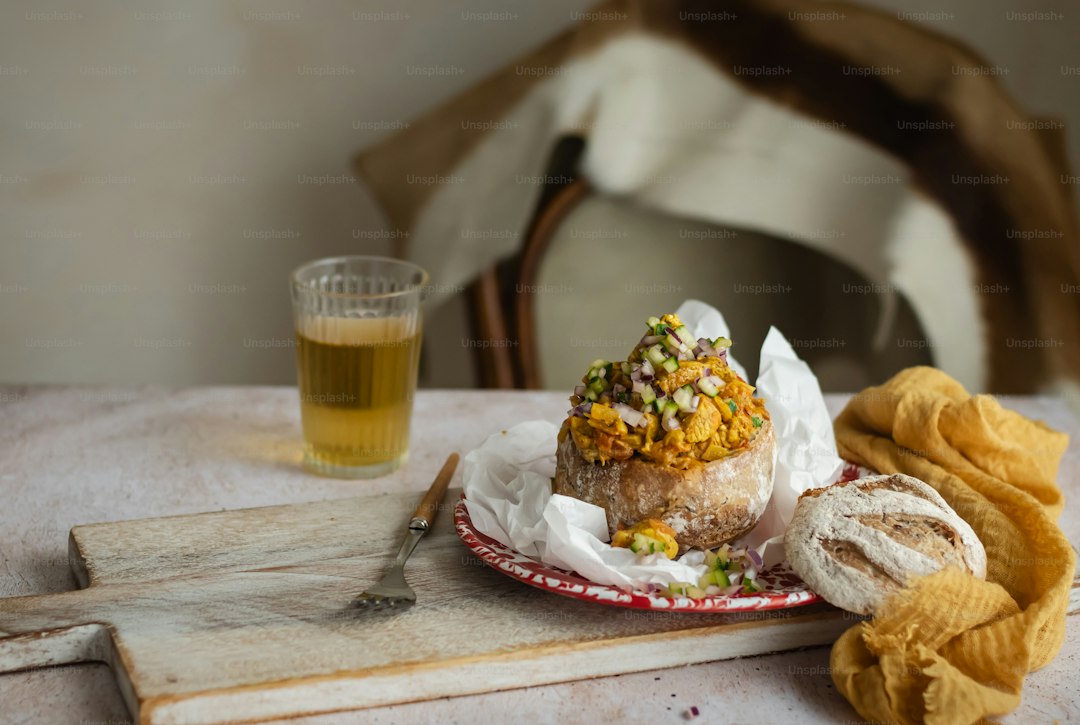
If you’ve ever found yourself wandering the vibrant streets of Durban, you’ve likely caught the scent of heavy, aromatic spices that seem to define the city’s very soul. Let’s talk about bunny chow, because it’s so much more than just a quick lunch—it’s a living piece of history carved into a loaf of white bread. Most people don’t realize that the name is actually a linguistic nod to the Bania merchant class, who were instrumental in popularizing this portable meal back in the 1940s. It wasn't just a culinary trend; it was a clever, practical response to the harsh realities of Apartheid-era laws that prevented non-white patrons from dining inside restaurants. By hollowing out a "government loaf," merchants created a genius, edible takeout container that allowed people to bypass those discriminatory barriers entirely.
The engineering behind a proper bunny is honestly fascinating once you start looking at the details. That thick, dense crust acts as a natural thermal insulator, keeping the curry inside at the perfect temperature for nearly half an hour, which is way more efficient than any plastic takeaway box you’ll find today. And have you ever wondered about the "stopper"? That piece of bread you pull out to create the cavity isn't just waste; it's a vital tool, meant to be replaced on top to lock in heat and eventually used to mop up that first, glorious bit of gravy. Whether you’re grabbing a mutton, chicken, or the classic sugar bean version—which remains a humble, high-protein staple from the old sugar cane fields—the experience is all about the "soak factor." It's a precise science of how deep the gravy penetrates the crust before the whole thing threatens to collapse, and local experts are incredibly opinionated about where to find the best balance.
I really think we should appreciate this dish as a masterclass in zero-waste design long before that was a buzzword. You’re holding a meal that respects the environment by literally disappearing as you eat it, which is just brilliant when you think about the volume of street food consumed daily. There’s no need for cutlery either; the tradition is to eat it entirely by hand, which feels like a direct, sensory connection to the Indian laborers who first adapted these methods to survive and thrive. It’s messy, it’s spicy, and the lack of coconut milk or yogurt in the gravy means the heat from those dried chilies really packs a punch. If you’re ever in town, don’t just order one; pay attention to that 90-degree vertical cut, because in a city that takes its bunny chow seriously, the structural integrity of your quarter loaf is everything.
What Defines an Authentic Bunny Chow: Bread, Curry, and Sides
Look, if you’re trying to find a real bunny chow, you’ve got to start with the engineering of the bread, because a standard supermarket loaf just won’t cut it. We’re talking about the "government loaf," a high-density white bread that’s baked at higher temperatures to give it that thick, resilient crust you need to hold half a liter of hot liquid. I’ve seen too many places hollow out the walls too thin, but the pros know you need at least a two-centimeter margin to prevent the whole thing from turning into a soggy mess before you even finish your first bite. Whether it’s a quarter, a half, or a full loaf, that bread has to be sturdy enough to act as its own bowl, which is honestly a masterclass in structural food design. And here’s a tip: if the bread feels light and airy, just walk away, because it’s going to disintegrate the second that gravy hits it.
Now, let’s talk about the curry itself, which is where the real chemistry happens and where most "modern" versions fail. You won’t find any cornstarch or artificial thickeners in an authentic version; that velvety consistency comes purely from the slow reduction of onions and aromatics over low heat. Most people don't realize that the spice profile relies on blooming garam masala, turmeric, and cumin in hot oil or ghee to release those volatile compounds before the protein is even added. You also have to skip the cream and yogurt—authentic Durban curry is all about a clean, sharp heat that isn't masked by dairy fats. The meat needs to be chopped into perfect, bite-sized pieces so you get a consistent ratio in every handful of bread you tear off.
But the experience isn’t complete without the sides, which provide the necessary acidic counterbalance to all that rich, heavy spice. You’re looking for a fresh sambal—finely chopped tomatoes, onions, and green chilies—and maybe some carrot-based achaar for that fermented, spicy kick. I think the most critical part of the whole process is the "soak factor," where the curry sits in the bread for just a few minutes before serving. This allows the starch in the inner crumb to absorb the spiced oils without compromising the exterior crust’s integrity. It’s a delicate balance, almost like a timed chemical reaction, and you can tell a lot about a kitchen by how they manage that resting period.
If you can pick up the bread by hand after five minutes of exposure to the gravy and it still holds its shape, you’ve found the gold standard. It’s weirdly satisfying to see how these simple elements—flour, water, spice, and oil—come together to create something so technically demanding. Honestly, don't overthink the fancy variations; just stick to these core principles if you want the real deal. In my experience, the best spots aren't the ones with the flashiest menus, but the ones that respect the physics of the loaf. At the end of the day, an authentic bunny is defined by its refusal to compromise on these structural and culinary rules.
Exploring the Legendary Bunny Chow Spots in Durban’s CBD
When you find yourself navigating the bustling streets of Durban’s CBD, you’ll quickly realize that the hunt for the perfect bunny chow isn’t just about grabbing lunch; it’s an exercise in urban engineering. I think it’s fascinating how these historic spots maintain such high standards, relying on specialized ovens that keep humidity at a precise 40 percent to ensure that crust stays resilient against the inevitable soak. If you look closely, you’ll notice that these kitchens aren't just tossing ingredients together; they’re timing the tempering of curry leaves to release specific carbazole alkaloids at the exact second the base is ready. It’s that kind of attention to detail—like the 45-minute browning of onions to trigger a natural emulsification—that separates a legendary city-center find from a generic takeaway.
If you’re wondering why the CBD mutton bunnies taste so distinct, it’s likely because of the high bone-to-meat ratio, which allows marrow to leach into the gravy during long simmers, creating a depth of flavor you just don't get in the suburbs. Many of these spots still use iron pots that have been seasoned for decades, effectively layering flavor profiles from years of spice cycles into every batch. And don't skip the carrot achaar, which is typically lacto-fermented for at least 72 hours; that specific probiotic acidity is the only thing that can truly cut through the heavy, lipid-rich gravy. It’s all about the chemistry here, especially the way they avoid dairy to ensure that the capsaicin from the Kashmiri chili stays sharp and bioactive.
At the end of the day, a standard 700-gram quarter loaf from a CBD institution is a masterclass in providing 1,200 calories of pure efficiency, originally designed to keep industrial workers fueled for hours. You’ll see local vendors watching that "soak factor" like hawks, waiting for the gravy to penetrate exactly 5 millimeters into the crumb before they hand it over to you. It’s that precise, calculated window that ensures the bread doesn't turn into a total disaster while you’re walking. If you can appreciate that level of scientific rigor, you’re ready to dive into the city's most storied spots—just make sure you’re prepared for the heat.
Coastal Favorites: Where to Find the Best Bunny Chow Near the Beach
If you’re heading to the coast, you’ve probably realized that eating a bunny chow near the beach is a completely different logistical challenge than grabbing one in the CBD. The air is thicker, the humidity is higher, and if you aren't careful, that perfect loaf can turn into a soggy mess before you’ve even finished your first bite. I’ve found that the best beachfront kitchens actually adjust their entire process to fight back against the salt and moisture in the air. Many of these spots use a specific cross-breeze ventilation technique to keep the bread crust from softening, which is honestly a stroke of genius when you’re dealing with the Indian Ocean’s climate.
The bread itself is different out here, too. Chefs often tweak their dough recipes by boosting the mineral content in the flour, which helps the loaf stay rigid enough to hold that heavy curry without collapsing. You’ll notice the top-tier spots serving their bunnies on non-porous metal or ceramic trays—this isn't just for aesthetics; it’s a deliberate choice to prevent condensation from building up on the bottom of the loaf. Some of the most seasoned vendors even toast the hollowed-out interior for about thirty seconds over an open flame, creating a quick, charred moisture barrier that really makes a difference. It’s that kind of technical obsession that keeps the structural integrity intact while you’re trying to enjoy the view.
Honestly, the coastal experience also brings a different flavor profile to the table. Because of the proximity to the coast, you’ll often find vendors using hyper-local, brine-cured chilies that pack a much sharper, more pungent punch than what you’d get inland. Plus, there’s a unique interaction between the sea salt in the air and the rich, lipid-heavy gravy that creates a savory depth you really have to taste to believe. Most of these seaside spots cap their portions at 500 grams to make sure you finish the meal before the environment ruins the bread’s texture. If you’re looking for the ultimate beach lunch, skip the tourist traps and look for the places using wood-fired ovens, as that smokiness is the best defense against the damp. Just keep an eye on your garnish; if they’re adding fresh coriander right at the last second, they know exactly how fast the sea air wilts those greens.
Exploring Vegetarian Bunny Chow Varieties: From Bean to Mixed Vegetable
I think most people make the mistake of viewing the vegetarian bunny chow as a secondary option, but if you look at the underlying food chemistry, it's actually the most technically demanding version to get right. Let's talk about the sugar bean variety first, which is a staple for a reason. You aren't just boiling beans here; you're managing the natural release of amylose during a slow-boil process that acts as a built-in thickening agent. It’s brilliant because it eliminates the need for any flour-based roux, creating a gravy that has this specific non-Newtonian viscosity. When it’s done correctly, the liquid clings to the bread walls instead of just pooling at the bottom and ruining the structural integrity of your loaf.
But then you move into the mixed vegetable territory, and that’s where the engineering gets even more precise. I’ve noticed the best kitchens are obsessive about their cauliflower florets, cutting them to exactly three centimeters to maximize the surface area for spice absorption without letting them turn to mush. They also parboil the potatoes to a very specific firmness before they even hit the main pot, which prevents starch from clouding the gravy. And honestly, the spice profile has to be completely recalibrated since you don't have meat fats to carry the flavor. You’re looking for a sharp three-to-one ratio of black mustard seeds to cumin during the initial tempering to get that necessary earthy bitterness that balances out the sweetness of the onions.
It’s also interesting to see how these chefs manage lipids without animal fats, relying instead on a heavy browning of garlic and ginger to create a richness that coats your palate just as effectively. They’ll add fresh curry leaves at two distinct intervals—once at the start for those deep, savory undertones and again at the end to capture the volatile top-note aromatics. Some of the legendary spots I’ve visited even char their whole spices over an open flame before grinding them. It adds a subtle smokiness that mimics traditional clay-pot cooking, which is a game-changer for the overall depth of the dish. You can really tell when a kitchen is cutting corners versus when they’re respecting the science of the simmer.
The final touches are where the "soak factor" meets aesthetic and chemical balance. You don't want those green peas added until the very last five minutes, or they lose that bright chlorophyll snap that provides a much-needed texture contrast to the soft beans. And because the capsaicin is way more pronounced without meat proteins to mask it, the garnish isn't just for show; the essential oils in fresh cilantro are actually working to counter that heat on a molecular level. To finish it off, you need that side of thinly sliced red onion soaked in vinegar. That specific acid is the only thing that can cut through the heavy starch of the bean gravy and keep your palate from getting overwhelmed. It’s a calculated, multi-layered experience that honestly makes the meat versions feel almost simple by comparison.
Expert Tips for Eating Bunny Chow Like a Local in Durban
If you’re going to tackle a quarter-mutton without ruining your shirt, you’ve got to master the "Durban lean"—that 45-degree forward tilt that uses gravity to keep stray turmeric drips on the tray rather than your clothes. I’ve seen plenty of rookies dive in haphazardly, but locals use a specific three-finger pincer grip to snap the high-density crust without squishing the aerated crumb and losing all that precious gravy. You really want to be strategic about your path through the loaf; always hollow out the saturated center first, leaving the four structural corner walls for the very end to prevent a total collapse. It’s basically a race against the clock and the laws of physics, and honestly, it’s half the fun once you get the hang of it.
Speaking of timing, there’s a very tight window for peak performance when it comes to the bread itself. You’re looking for a loaf that’s been out of the oven for less than four hours to avoid starch retrogradation, which turns that perfect chew into something brittle and sad. On the flip side, I've found the curry itself usually needs exactly three hours of maturation post-cook for the complex esters and phenols to fully integrate into the gravy base. I’m convinced the thermal sweet spot for serving is right around 65 degrees Celsius. At this temperature, the flavor-carrying fats are liquid and vibrant, but the bread's gluten structure remains firm enough to act as a bowl.
If you’re struggling with the heat—and with a proper Durban Masala hitting between 30,000 and 50,000 Scoville units, you probably will—don’t just reach for water. You should pair the meal with a local Coo-ee soda because its high carbonation and phosphoric acid content are chemically optimized to strip those heavy mutton lipids right off your tongue. And look, if you’re eating a mutton bunny, don't be shy about using the "tap and suck" technique on the bones to get to the marrow. That marrow contains oleic acid, which actually helps neutralize the capsaicin burn on your palate better than almost anything else. It's a bit messy, sure, but that’s how you get the full depth of the flavor profile.
Clean-up is its own project, and I've noticed that most regular soap just won't cut it against those stubborn, hydrophobic oils. That’s why the traditional spots give you a finger bowl with a high concentration of citric acid to break down the grease effectively. If you do manage to get a yellow stain on your skin, think about applying a quick paste of baking soda and water to neutralize the turmeric pigment before it bonds with your skin's proteins. I’ve even seen master chefs subtly upping the salinity of their gravy on high-humidity days just to stop the bread from absorbing too much atmospheric moisture. It’s these tiny, high-signal adjustments that separate a casual snack from a scientifically perfect Durban experience.
Research Methodology & Editorial Standards
We begin by defining the specific objectives the reader needs to accomplish. Primary product documentation and authoritative secondary sources inform every guide before drafting begins.
Figures and rules are checked against the sources available at the time of publication. Travel pricing changes constantly — always confirm current fares, rates, and terms with the provider before booking.