
Greece unveils a massive new strategy to combat overtourism and protect its most popular islands
We’re looking at a reality where water scarcity on Aegean islands has hit a breaking point, with some areas seeing a 40 percent drop in groundwater levels—largely thanks to the sheer volume of water required to keep those luxury hotel swimming pools full during the hottest months.
The Growing Crisis: Why Greece is Reevaluating Its Tourism Model
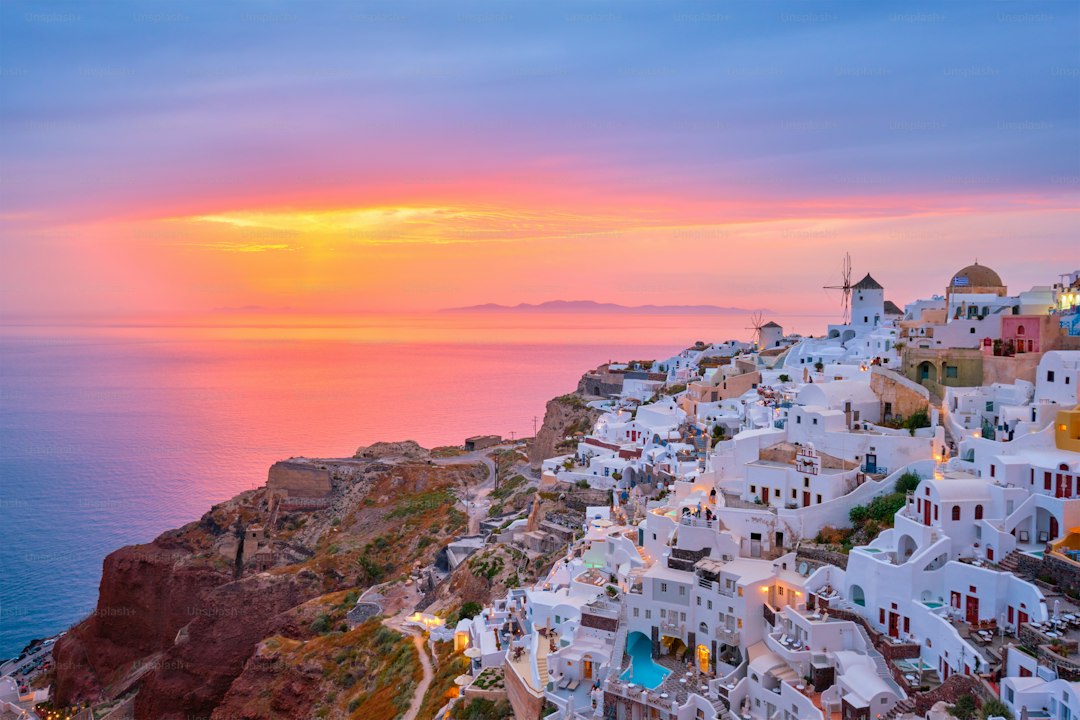
You know that feeling when you arrive at a place you’ve dreamed about for years, only to find it’s bursting at the seams and not quite the serene escape you imagined? That is exactly where Greece finds itself right now, and honestly, it’s a situation that has me thinking hard about the future of travel. We’re looking at a reality where water scarcity on Aegean islands has hit a breaking point, with some areas seeing a 40 percent drop in groundwater levels—largely thanks to the sheer volume of water required to keep those luxury hotel swimming pools full during the hottest months. It’s not just the water, though; the infrastructure on islands like Santorini is being pushed to the brink, with waste output tripling during peak season and overwhelming sewage systems that were never built for this kind of pressure. And when you factor in the cruise ships dumping thousands of people into small towns for just a few hours, you start to see why the local quality of life is taking such a massive hit.
The housing situation is just as messy, with the number of short-term rental beds in central Athens now outpacing many other major European cities, which effectively pushes out the people who actually call those neighborhoods home. I’ve been looking at the data on local labor, and it’s a tough trade-off because young workers are ditching traditional farming to chase seasonal tourism jobs, which leaves the regional economy incredibly fragile. When you depend almost entirely on seasonal visitors for tax revenue, you're leaving your government exposed to any geopolitical shifts or regional instability in the Eastern Mediterranean. It’s a classic case of short-term gain creating long-term vulnerability, especially when you realize the energy grids are failing under the load of massive cooling demands that the local infrastructure simply can’t sustain.
Then there is the environmental toll, which feels impossible to ignore once you start digging into the numbers. We’re seeing native vegetation cleared for beach clubs, which is actively hurting local biodiversity, while the constant noise and vibrations from the sheer volume of tourists are actually starting to affect the structural integrity of ancient limestone monuments. Even medical care has become a gamble; emergency services are reporting longer wait times in rural areas because the narrow village roads are permanently clogged with rented vehicles. It makes you wonder how much longer this model can hold up before the very things people come to see—the history, the quiet, the authentic culture—are completely eroded. We have to be honest about the fact that the carbon footprint per tourist is ballooning, largely because we’re moving so many goods and people back and forth across the islands in ways that just aren’t sustainable.
New Regulatory Frameworks: Caps on Island Resorts and Infrastructure
We're seeing a massive shift in how Greece handles its most popular spots, and honestly, the new "traffic light" classification system is a game-changer for anyone trying to track the industry's health. Here’s how it works: if an island’s visitor density hits 150 tourists for every 100 permanent residents, it gets slapped with a "Red Zone" designation. That isn't just a label; it triggers an immediate freeze on all new hotel permits, which is a bold move we haven't seen on this scale before. On heavy hitters like Mykonos and Santorini, they’ve actually moved to a strict "one-in, one-out" policy for hotel beds. It means if a developer wants to add 50 new rooms, another 50 have to be taken off the market elsewhere, effectively capping the inventory at late 2024 levels.
But what really catches my eye as a researcher is how the government is forcing developers to pay for the strain they put on the grid. If you're building a new resort, you now have to cough up at least 25% of the cost for local municipal sewage expansion before you can even break ground. And it gets even more granular with water; if you want a luxury pool, it has to run on a closed-loop desalination system that produces 110% of its annual water needs. That extra 10% isn't just for show—it’s legally required to be fed back into the local groundwater to help the islands recover from years of depletion. Plus, any resort with more than 50 rooms has to generate 60% of its peak energy demand through on-site renewables, like integrated solar-thermal systems, which is a high bar for older properties to clear.
I've also been looking into the new building standards, and they're surprisingly technical, moving away from cheap, non-porous synthetic facades that trap heat. Now, you’re mandated to use traditional lime-based plasters which can actually cut indoor cooling energy demands by about 15%—a classic case of old-school wisdom meeting modern efficiency. To keep the cruise ship chaos under control, they’ve rolled out an AI-driven slot booking system that hard-caps disembarkations at 8,000 people per day for the most vulnerable ports. It’s a huge blow to the "volume over value" model, but it’s probably the only way to keep the streets of Oia from becoming a literal parking lot of people. Even the hiking trails are getting high-tech upgrades with acoustic sensors that trigger temporary closures if visitor density hits an ecological stress threshold.
For the short-term rental market, the party is mostly over in saturated zones where owners are now limited to 90 days of rentals per year. They’ve also put a hard cap of two properties per tax ID to stop corporate monopolies from hollowing out neighborhoods, which is a direct swing at the big management firms. And if you’re pulling up in a yacht over 24 meters, expect to pay a new Ecosystem Protection Levy that scales up based on how close you are to sensitive Marine Protected Areas. Every new project even has to include on-site composting for 100% of its food waste, essentially making each resort its own little waste management plant. It's a lot to take in, but when you look at the data, these kinds of "hard" regulatory floors are the only thing standing between these islands and total environmental collapse.
Protecting Our Heritage: Stricter Controls at Archaeological and Natural Sites
I think it's worth stepping back to realize that protecting our history and natural landscapes isn't just about managing crowds; it’s about a fundamental shift in how we relate to these places. We're seeing a move toward what I’d call "surgical" conservation, where the goal is to make human presence as close to invisible as possible. For instance, Greece is now rolling out sunbed-free zones and specialized sensors that track how body heat and moisture actually degrade porous ancient stone, which sounds like something out of a sci-fi novel but is a totally necessary reality for sites like the Acropolis. It’s that same mindset driving the use of permeable path materials to prevent erosion, ensuring that our footsteps don't literally wash away the ground beneath us during the rainy season.
And if you look at the broader regional picture, this isn't just a local trend. We’re watching a wave of strict new protocols ripple across the Middle East, with places like Egypt and Saudi Arabia adopting similar, aggressive measures to keep their own landmark sites from being loved to death. The core strategy here is to trade the old "unlimited access" model for a digital-first approach where everything from trail access to entry times is managed through centralized systems. It’s definitely a bit of a headache for the spontaneous traveler, but when you consider that sites like Machu Picchu have teetered on the edge of losing their UNESCO status due to sheer foot traffic, you start to see why these, let's call them, "hard-stop" quotas are becoming the gold standard for survival.
The most fascinating part, at least to me, is how they’re using tech to handle the "invisible" damage. You’ve got AI-driven crowd modeling that can close a hiking trail the moment it detects the vegetation starting to stress, plus total bans on heavy drones that can actually cause structural micro-fractures through sound vibrations. It’s a complete departure from the past, moving away from just tossing up a "Do Not Touch" sign and toward active, real-time ecosystem management. Even the developers are being brought into the fold, forced to replace invasive landscaping with native flora that actually heals the local environment rather than just looking good for the brochures. It’s a big, necessary pivot, and while it might change how we experience these spots, it’s the only real way to make sure they’re still standing for whoever comes next.
Beach Preservation: The Push for Sunbed-Free Zones and Public Access
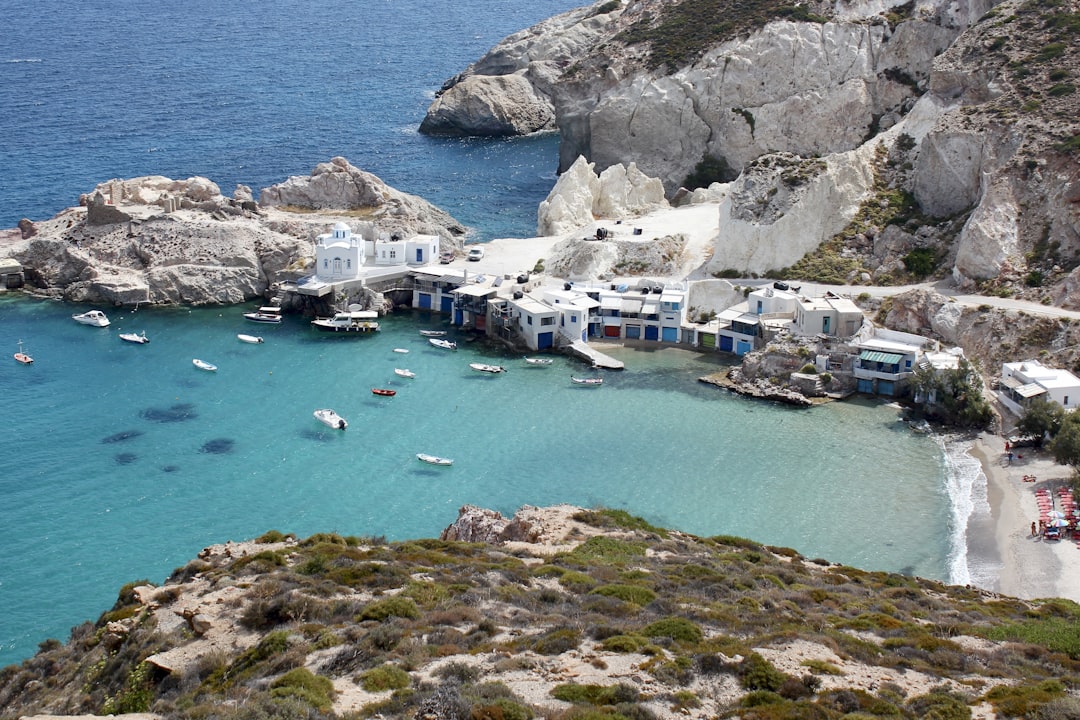
Honestly, if you’ve ever felt like you had to pay a ransom just to see the Aegean water from your towel, the new "50 percent rule" is going to feel like a massive win for the average traveler. We're finally seeing a hard line drawn in the sand where at least half of every beach must remain completely free of those pricey commercial sunbeds and umbrellas. There’s now a mandatory six-meter buffer zone between the shoreline and the first row of rental gear, ensuring that the actual coast stays a public commons rather than a private club. To keep operators honest, the government is using high-res satellite imagery to spot unauthorized furniture in real-time, which automatically triggers heavy fines without even needing a physical inspection. It’s a huge shift away from the "wild west" of beach privatization that has dominated the coastline for the last decade.
I’m particularly interested in how they’re finally killing off the annoying "towel reserving" culture through a mandatory digital booking portal for any remaining premium spots. It’s not just about convenience; coastal guards are now patrolling with mobile apps that cross-reference GPS coordinates of rental equipment against official public records to stop that slow "mission creep" onto protected sand. We’re also seeing a total ban on heavy-duty anchors for umbrellas, which used to tear up the fragile root systems of coastal dunes that act as a natural defense against rising seas. Now, operators have to use non-invasive stabilization methods, or they risk losing their licenses on the spot. It’s a rigorous, data-backed approach to enforcement that actually has some teeth for once.
What’s really wild to me as a researcher is that these sunbed-free zones aren't just better for your wallet; they're actually physically cooler. Sensor data shows that surface temperatures in these open areas measure up to three degrees Celsius lower than the sections packed with high-density, heat-trapping plastic equipment. We’ve also got new noise ordinances that ban amplified music within 50 meters of these designated "quiet" sections, finally letting the sound of the waves win over a generic house beat. Every piece of beach infrastructure now has to be fully removable by seasonal staff to ensure that winter storms don't drag synthetic materials into the marine ecosystem. It’s this kind of granular, engineering-focused thinking that prevents long-term erosion while keeping the local vibe authentic.
To make sure this isn't just a win for people already staying at the fancy resorts, new public access points are being mandated every 200 meters in crowded areas. This means you don't have to hike a mile or sneak through a private lobby just to touch the water. There’s even a clever new tax incentive program encouraging private landowners to flip coastal plots into public-access parks instead of another boutique hotel development. I think we’re finally moving past the idea that a beach is just a commodity to be sliced up and sold to the highest bidder. It’s about restoring the basic right to the coast, and frankly, it’s a model that I expect to see other Mediterranean spots copy very soon.
Sustainable Development: Balancing Economic Growth with Local Community Well-being
Let’s pause for a moment and reflect on what it actually means to build a future for travel that doesn’t burn out the very places we love. Balancing economic growth with the well-being of the people who call these islands home isn’t just a nice idea—it’s a logistical puzzle that’s finally getting the attention it deserves. I’ve been looking at how other regions, like rural China and parts of Japan, are using community-based models to act as a buffer between rapid development and social stability. It’s a fascinating shift, moving away from that old, tired volume-at-all-costs approach and toward systems that prioritize the local quality of life first.
When we talk about real sustainability, I think we have to look at how money stays in the pockets of residents rather than just flowing back to global corporations. The data is pretty clear: when you lean into rural cooperatives, you can actually keep up to 60 percent more revenue right where it’s earned. It’s not just about the numbers, though; it’s about giving local farmers a seat at the table, perhaps by paying them to maintain the landscapes that visitors come to see. Turning land management into a high-value conservation job is exactly the kind of move that creates long-term resilience rather than just a quick seasonal spike.
And honestly, some of the technical solutions being tested right now are just plain smart. Think about using permeable building materials that pull local temperatures down by five degrees or setting up decentralized energy grids that let a community meet its own power needs through solar-thermal arrays. We’re even seeing water-neutral requirements where developers have to build greywater recycling that serves the entire neighborhood, not just their own pool. It’s this kind of granular, engineering-focused thinking that turns the friction of tourism into a resource for the locals. It feels like we’re finally moving toward a model where the visitor experience doesn’t come at the expense of a community’s right to thrive.
The Future of Greek Island Travel: What Tourists Can Expect Moving Forward
If you’re planning a trip to the Aegean, you’ll notice that the experience is shifting from a free-for-all into something far more managed and, honestly, a bit more technical. As we look at the path ahead, it’s clear that the days of just showing up and expecting the islands to accommodate any level of demand are over. We’re now seeing the implementation of digital biometric verification at ferry terminals to enforce those new daily passenger caps, which means your arrival might feel a bit more like passing through a secure transit hub than stepping off a casual boat. You’ll also notice the physical environment is changing, with new high-albedo paving in historic centers designed to drop ambient temperatures by over four degrees, making those afternoon walks through the village significantly less stifling.
Behind the scenes, the infrastructure is getting a massive, invisible upgrade that’s meant to keep the islands from buckling under the pressure of summer heat. I’m really encouraged by the push toward a decentralized power web, where islands with excess solar-thermal energy can actually offload it to their neighbors, creating a much more resilient grid. You’ll also see the results of this in the water—or rather, the lack of waste—as every hotel is now required to use fully biodegradable, seaweed-based toiletries to keep micro-plastics out of the sea. Even the way we visit archaeological sites is being re-engineered, with vibration-damping walkways now shielding ancient ruins from the constant, rhythmic stress of thousands of footsteps.
It’s easy to get caught up in the idea that these rules might make things less spontaneous, but think about the trade-off we’re getting for the long term. Authorities are now using autonomous underwater drones to protect coral reefs from illegal anchoring, and cruise ships are being forced to plug into shore-to-ship power rather than idling their engines in port. If you’re a traveler who values the preservation of the landscape, these changes are a huge win for the health of the islands. We’re even seeing land-use shifts where owners get tax rebates for keeping up traditional olive terraces instead of selling out for more development. It’s a complete pivot toward a model where the local ecosystem and the visitor experience are finally being treated as two sides of the same coin.
Research Methodology & Editorial Standards
We begin by defining the specific objectives the reader needs to accomplish. Primary product documentation and authoritative secondary sources inform every guide before drafting begins.
Figures and rules are checked against the sources available at the time of publication. Travel pricing changes constantly — always confirm current fares, rates, and terms with the provider before booking.