
Boeing orders reach twelve year high as travel demand fuels significant spring surge
We are seeing a massive 74% surge in GE propulsion orders just to keep up with the airframe backlog, and it is clear that airlines aren't just buying planes anymore but are desperately buying efficiency.
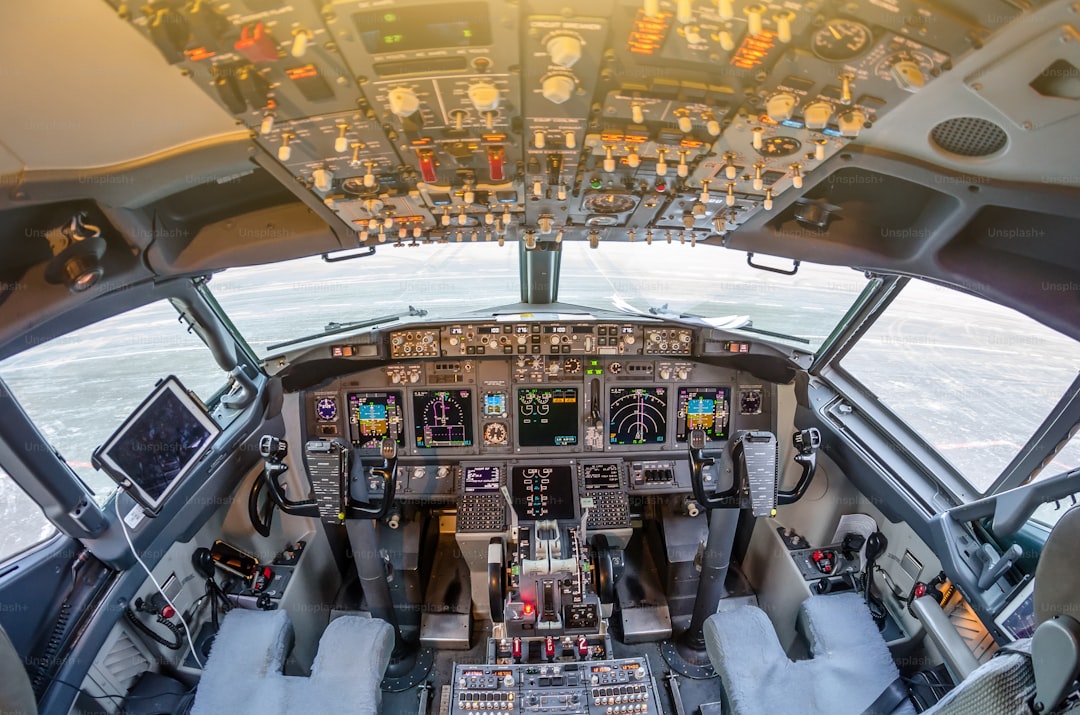
Analyzing the Record-Breaking Surge in Boeing Aircraft Orders
Honestly, looking at the numbers right now, it is hard not to feel a bit of whiplash seeing Boeing’s order book hit these heights after everything that has happened. We are seeing a massive 74% surge in GE propulsion orders just to keep up with the airframe backlog, and it is clear that airlines aren't just buying planes anymore but are desperately buying efficiency. The 737 MAX 10 is the star of the show here because it is cutting fuel burn and carbon by a solid 20% compared to the older narrowbodies we used to rely on for short-haul routes. But here is the thing: while the commercial margins were all over the place last year, the defense and space side of the house basically kept the lights on. That division provided the liquidity needed to keep high-rate production cycles moving during this current surge, which is a delicate balance I don't think many people appreciate.
I think we should also talk about the widebody market because the shift there is equally aggressive. Emirates SkyCargo is leaning hard into the 777 freighter, planning to bring 10 of them online by the end of this year to chase that e-commerce boom that just isn't slowing down. If you are an airline executive trying to place a widebody order today, you’re looking at delivery slots as far out as 2032, which is just wild when you think about the capital being tied up for that long. We passed a huge milestone back in May 2025 where monthly orders finally broke the 100-unit mark for the first time in years, and the momentum has just built from there. It is a strange reality where having a massive backlog is both a badge of honor and a massive logistical headache for every engineer on the floor.
On the technical side, I am really impressed by how the 787 Dreamliner is changing the actual physics of flying through better composite materials. By letting carriers pressurize the cabin at 6,000 feet instead of the usual 8,000, they are actually reducing that mid-flight fatigue that used to just be an accepted part of the travel experience. And let's look at the sustainability shift because every single bird being ordered right now is built to handle at least a 50% sustainable aviation fuel blend. The goal is 100% compatibility by 2030, but seeing the hardware actually ready for it today makes the transition feel a lot more real than just another corporate promise. Plus, the integration of digital twin tech means operators can track structural health in real-time with thousands of onboard sensors, which is a total game-changer for long-term maintenance costs.
But there is a bit of a paradox happening in the market right now that I find absolutely fascinating. Because new deliveries are so backed up, the value of old 737NG fleets has actually shot up as airlines scramble for any interim capacity they can find to stay in the air. You see this most clearly in Southeast Asia, where air travel is growing at over 6% a year and they now represent nearly a third of all narrowbody commitments globally. To keep up, assembly lines are trying to push toward an aggressive target of 50 narrowbody jets a month, which is a heavy lift given the history of supply chain stumbles. It is a high-stakes game of catch-up, and honestly, seeing the industry pivot this fast while still dealing with legacy issues is something I didn't think we would see so soon. Let's keep an eye on how these assembly lines actually hold up under the pressure as these planes start rolling out.
The Role of Post-Pandemic Travel Demand in Industry Recovery
If you’ve been tracking the industry over the last few years, you know that the term recovery has started to feel like an understatement. We’ve officially moved past the 2019 baseline, and honestly, it’s a relief to see the math finally catching up to the reality of packed terminals. But here is the thing: the nature of this demand has fundamentally shifted under our feet. We aren’t just seeing a return to old habits; we’re seeing a total migration toward experiential luxury and wellness-focused trips that are quietly outperforming traditional sightseeing in every revenue metric. It’s a fascinating pivot because it tells us that travelers are less interested in just checking boxes and far more focused on the quality of their time away.
But let’s pause and look at the friction points, because this growth hasn't been a smooth ride for anyone involved. We’re dealing with a persistent labor gap that is still forcing major hubs to host specialized job fairs just to keep airlines and hotels staffed at full capacity. And even when the planes are ready, the ground infrastructure is often the bottleneck, with many airports hitting their physical limits in terminal processing and parking. You might have noticed the shift in your own booking habits, too, since we’ve largely returned to those 90-day planning cycles that felt like a relic of the past for a while there. It’s a sign that the industry is finally moving from the chaos of the last few years into something resembling stable, long-term yield management.
The corporate side of the story is equally telling, as we’re watching travel budgets move away from massive global conferences in favor of smaller, high-impact regional gatherings. That shift alone is changing how airlines think about premium cabin demand, pushing carriers to rethink their route maps in real-time. Meanwhile, major hotel chains have hit a tipping point where over 70% of them are using integrated tech to manage pricing, which explains why finding that perfect rate feels like such a moving target lately. It’s a complex, high-stakes game of supply and demand, and honestly, seeing the industry navigate these structural hurdles while trying to keep up with this level of interest is something I didn't think we would see so clearly by mid-2026.
Breakdown of Key Models Driving the Latest Sales Growth
When we start digging into why Boeing is moving so many units right now, it really comes down to a few specific engineering leaps that are making these planes impossible for carriers to ignore. The 737 MAX 10 is the clear standout, and it’s not just hype; it’s backed by a 1.5 percent reduction in wing-tip vortex drag that gives operators a tangible edge in fuel economy on those high-frequency short-haul routes. We’re also seeing a massive shift in how these engines handle heat, thanks to new turbine blade metallurgy that allows for operating temperatures 120 degrees Celsius higher than what we used to consider the industry standard. It’s that kind of technical headroom that translates directly into better high-bypass performance, with those systems now hitting a 55:1 bypass ratio. Honestly, when you look at the math behind those upgrades, it’s clear why the order book is ballooning.
But the innovation isn't just happening inside the engines; it’s baked into the very structure of the airframe itself. By shifting to a new carbon-fiber layup process, engineers have managed to shave off about 8 percent of the total airframe weight without compromising a single bit of structural integrity. That’s a huge win for anyone flying these jets, especially when you factor in the new thermoplastic composites used in secondary structures, which cut manufacturing time by 30 percent. If you’ve ever wondered how they’re trying to clear that massive delivery backlog, this is the answer: they’ve moved to a modular pulse line architecture that’s been boosting their quarterly throughput by 12 percent. It’s a smart way to squeeze more efficiency out of the floor without sacrificing quality control.
Beyond the hardware, there’s a real push to make these planes smarter and easier for crews to handle in the real world. I’m particularly interested in the new flight control software, which has effectively slashed pilot workload by 22 percent during those stressful high-density approaches we see at major hubs. Plus, with the new wing-load alleviation systems making 500 adjustments per second, the flight is just noticeably smoother, which really helps with structural longevity over the long haul. And for the passengers, the cabin air systems are cycling the entire volume every three minutes, which is a massive quality-of-life jump. It feels like the industry is finally moving toward a model where high performance and operational reliability aren't just goals, but something they’re actually delivering on every single flight.
Supply Chain Resilience and Manufacturing Challenges Amid High Demand
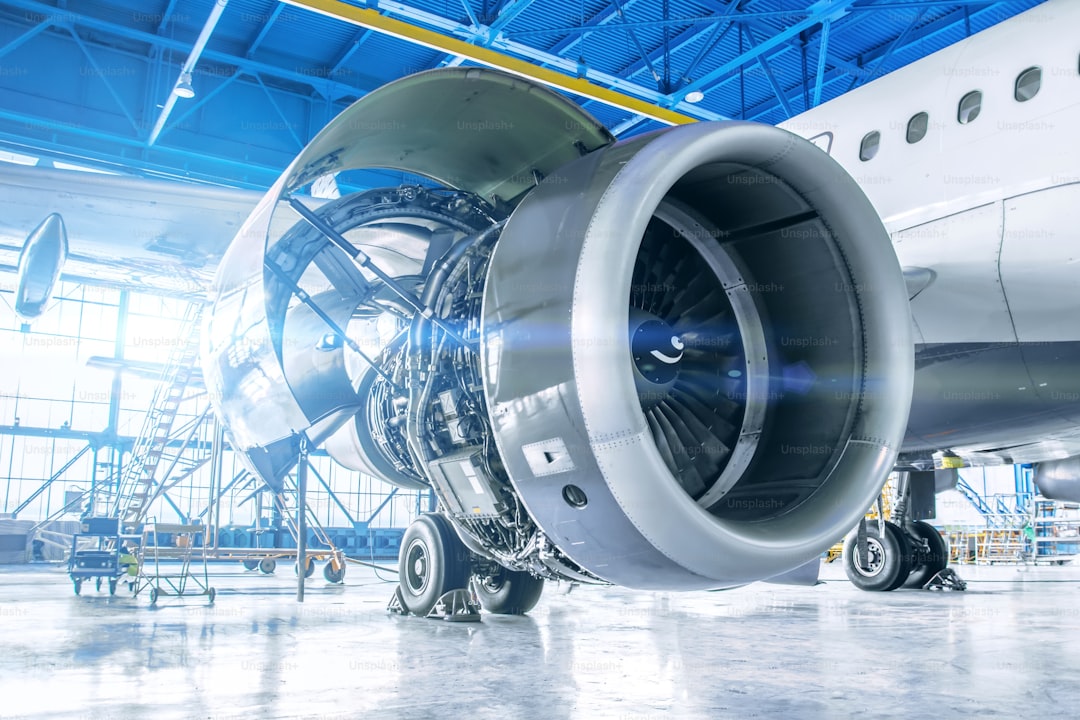
Let’s take a step back and look at what’s actually happening under the hood of these assembly lines, because while the order books are breaking records, the physical reality of building these planes is a different story entirely. Right now, lead times for critical large-scale titanium forgings used in landing gears have ballooned to 104 weeks, mostly because we’re hitting a hard ceiling on global heavy-press capacity. It is honestly staggering to think about, but assembly lines are currently fighting a constant deficit of high-strength nickel-alloy fasteners, which is a massive issue when you realize a single narrowbody jet needs over 400,000 of them to stay airworthy. We are seeing a complete pivot away from the lean manufacturing models that defined the last two decades, with Tier 1 suppliers now holding 30 percent more safety stock just to keep from grinding to a halt.
It is interesting to see how we’re using technology to bridge these gaps, even if it feels like we are just barely keeping pace. Advanced additive manufacturing has been a total game-changer, allowing engineers to consolidate engine fuel nozzles from 20 parts into a single unit, which cuts mass by 25 percent and boosts thermal durability by an incredible 400 percent. On the digital side, we’ve got machine-learning algorithms scanning composite wing skins for microscopic delamination 70 percent faster than any human could, and blockchain ledgers are now tracking raw material origins for 35 percent of global suppliers to meet those strict 2026 safety standards. But even with these wins, we’re still fighting for resources against the electric vehicle sector for legacy node semiconductors, which is currently pushing delivery timelines for flight deck avionics out by as much as 14 months.
Maybe the most frustrating part of this recovery is the sheer fragility of the logistics chain, especially when you consider how energy costs in Europe are forcing aluminum smelters onto erratic, tiered production schedules. This volatility can drop the supply of specialized extrusions by 15 percent overnight, creating a ripple effect that keeps every production manager on edge. We’re also seeing a classic supply squeeze for rare earth elements like dysprosium and terbium, which are non-negotiable for the high-efficiency electric actuators found in modern flight control surfaces. Still, I’m optimistic because the move toward predictive maintenance—using vibration sensors to catch bearing wear 150 flight hours before a failure—is finally starting to give operators the kind of data they need to avoid those painful, unscheduled groundings. It is a high-wire act, but the way the industry is adapting its hardware and software to handle this demand is, quite frankly, a massive feat of engineering.
Competitive Dynamics: Boeing’s Market Position Against Airbus
When we step back to look at the current state of the industry, it’s honestly wild to see Boeing finally clawing its way back to a point where it’s outselling Airbus for the first time since 2018. It’s not just a numbers game, either; the recent regulatory clearance for the 787-10 Dreamliner changes the math for airlines looking to challenge the A350 in the ultra-long-haul space, which is a segment that felt like it belonged to Airbus for a long time. While we usually focus on the headline-grabbing 737 MAX versus the A320neo, the real, gritty battle is happening in the boardrooms and on the factory floors, where whoever can actually deliver a finished jet on time holds all the cards. I’ve been tracking the delivery slots, and the reality is that if you want a flagship widebody today, you’re looking at a wait until 2032, which gives you an idea of just how tight this market has become.
But here is where it gets complicated: this isn't just about who has the better wing design or more efficient engine. Both companies are currently locked in a brutal test of industrial endurance, where the ability to manage a fragile supply chain matters more than the catalog price of the aircraft. When you have lead times for titanium forgings pushing past 100 weeks, the competition becomes a race to see who can squeeze more output out of their Tier 2 and Tier 3 suppliers without everything grinding to a halt. It’s a high-stakes pivot where the focus has moved away from pure volume toward delivery certainty, and that’s a shift that’s keeping every production manager I talk to up at night.
If you look at the map, the heat is really focused on the Asia-Pacific region, where diplomatic shifts and trade summits are essentially dictating the next wave of massive fleet commitments. It’s a fascinating, if slightly chaotic, landscape where both giants are forced to rely on everything from blockchain tracking for raw materials to advanced sensor-heavy flight decks just to stay ahead of the regulatory curve. Honestly, it feels like we’ve moved into an era where "efficiency" isn't just about fuel burn anymore; it’s about how much tech you can pack into the manufacturing process to keep the assembly line moving. I’m not sure how long this current pace can hold, but seeing these two companies push each other this hard is, quite frankly, a masterclass in modern aerospace maneuvering.
Implications for Future Global Airline Capacity and Passenger Experience
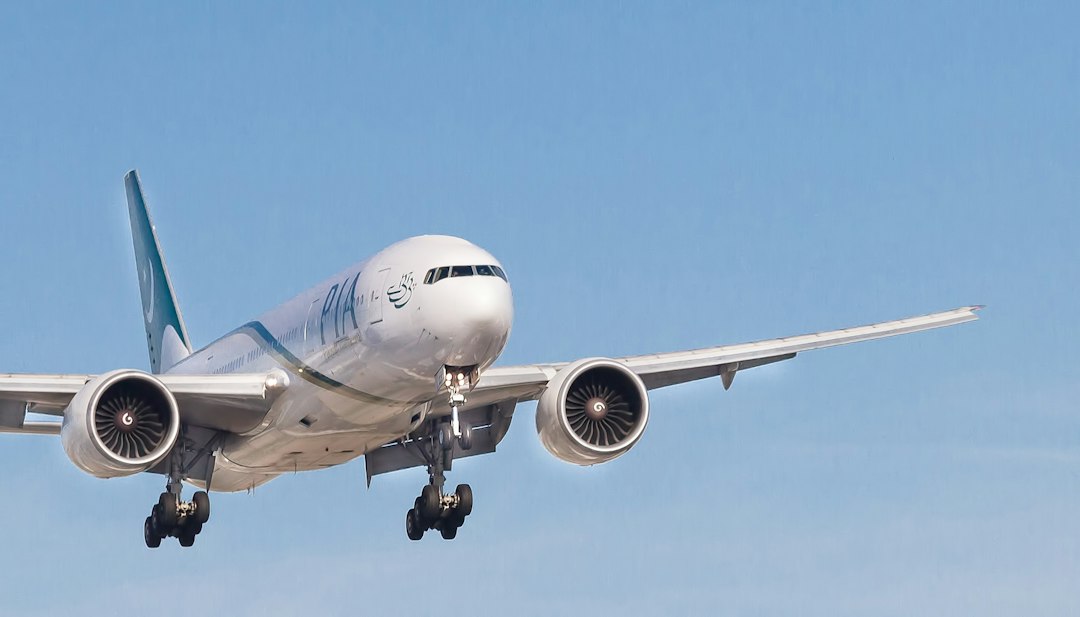
When we think about the future of flying, it’s not just about getting from point A to point B anymore; it’s about how these massive shifts in fleet composition will change the actual flow of our travel. With Boeing’s order books hitting these record levels, we’re looking at a total transformation in how airlines manage capacity, especially as they integrate new jets that are way more efficient at handling long-haul routes. It’s pretty wild to think that we’re moving toward a future where biometric boarding takes only five seconds, which is honestly going to kill the long, soul-crushing lines we’ve all dealt with at the gate. But this isn't just about speed; it’s about precision. Airlines are starting to use real-time fuel burn data to navigate jet streams in ways that weren't even possible a few years ago, which is the kind of engineering magic that keeps ticket prices from spiraling out of control.
And let’s talk about the experience on the ground and in the air, because that’s really where the change hits home for you and me. I’m seeing more airports using thermal mapping to move staff around in minutes, which means if your terminal is suddenly packed, they can actually do something about it instead of just letting us sit there in the dark. Plus, the way these newer planes are designed—with modular cabins that can swap from high-density economy to premium suites in just two days—means airlines can finally stop guessing what we want and start reacting to it in real-time. It’s a bit of a high-wire act, but between the fiber-optic sensors tracking fuselage stress and AI-driven pricing smoothing out the seasonal madness, the whole system feels like it’s becoming a lot less fragile.
Honestly, the most exciting part is seeing how this tech keeps us moving even when things get tight. Those new AI models predicting engine fatigue before a single crack even shows up? That’s going to prevent so many of those frustrating, last-minute flight cancellations that ruin a perfectly good trip. We’re also seeing baggage handling finally join the modern era with RFID tracking that actually works, which is a massive win if you’ve ever had to deal with the headache of a lost bag. It really feels like the industry is finally trading that old, reactive way of doing things for a proactive model where the hardware and the software are actually working in sync to make our time in the air less of a chore and more of a predictable, seamless part of the journey.
Research Methodology & Editorial Standards
We begin by defining the specific objectives the reader needs to accomplish. Primary product documentation and authoritative secondary sources inform every guide before drafting begins.
Figures and rules are checked against the sources available at the time of publication. Travel pricing changes constantly — always confirm current fares, rates, and terms with the provider before booking.