
The Surprising America That World Cup Fans Are Falling For
But here we are, watching European fans who’d never driven more than three hours in their lives suddenly rack up 1,200-mile sprints between Seattle and San Francisco, detouring through Redwood and Yosemite like they’re checking off a bucket list they didn’t know they had.
Road Tripping Between Matches: How World Cup Fans Are Discovering America's Landscapes
Let’s be honest: the 2026 World Cup wasn’t supposed to be a road trip. But here we are, watching European fans who’d never driven more than three hours in their lives suddenly rack up 1,200-mile sprints between Seattle and San Francisco, detouring through Redwood and Yosemite like they’re checking off a bucket list they didn’t know they had. The driver? Pure economics. Hotel rooms in host cities like New York and L.A. routinely hit $500 a night, so renting a car and sleeping in a motel three hundred miles away became the rational play. Rental car agencies saw a 300% spike in SUV and minivan bookings in May 2026 versus the year before, and that demand wasn’t from business travelers—it was from soccer fans who’d never held a U.S. driver’s license.
What happened next surprised everyone, including the fans themselves. A German tourist named Freddy started posting his road trip through the American South on TikTok, and his videos racked up over 50 million views. Not because he was showing off stadiums, but because he was genuinely excited about small-town diners, roadside attractions, and the sheer weirdness of a fireworks store next to a gas station. That’s the thing—the #RoadCup movement that emerged organically on social media isn’t about luxury travel. It’s about the discovery of everyday America: massive truck stops, all-you-can-eat buffets, and the kind of hospitality that makes you trade a soccer scarf for a bag of boiled peanuts. The U.S. National Park Service reported a 25% jump in international visitor passes during June 2026, and you can draw a straight line from that data to the match schedule.
But here’s where the analysis gets interesting. The economic impact isn’t just in the cities hosting games—it’s in the rural corridors between them. Rest stops and gas stations in Alabama and Mississippi have become spontaneous cultural exchange hubs, with locals and tourists swapping stories and snacks. Early estimates from tourism boards suggest World Cup-related road trips have pumped over $200 million into rural economies along interstates like I-95 and I-10. That’s real money in places that rarely see international visitors. And the behavior change is lasting: fans who initially rented a car out of necessity are now buying portable coolers and camping gear, choosing to picnic at scenic overlooks rather than dropping $40 on a stadium burger. The sheer scale of American geography—driving eight hours to see a 90-minute match—is a novelty for Europeans used to hopping a train between cities. But it’s also forcing them to slow down, to see the country horizontally rather than through a plane window. That’s something no tourism campaign could have engineered.
The Vastness That Stuns: Why International Visitors Are Awe-Struck by America's Scale and Wildlife
You know that moment when you’re standing at the base of the Tetons and your brain literally stalls? It’s not just poetic—there’s actually a measurable cognitive phenomenon at work. Researchers have found that perceived vastness triggers a recalibration of your sense of self, temporarily shrinking the ego and expanding your perception of time. Your heart rate slows, your breathing deepens, and the brain’s default mode network—the part responsible for all that self-focused chatter—quietens down. That’s why a first-time visitor to Grand Teton National Park often just stands there, mouth slightly open, unable to process how the range rises over 7,000 feet straight out of the valley floor with no foothills to soften the blow. It’s a visual wall of granite that overwhelms the eye, and studies show the brain simply can’t fully accommodate that scale in one visit. That’s why even repeat visitors describe the same awe, year after year.
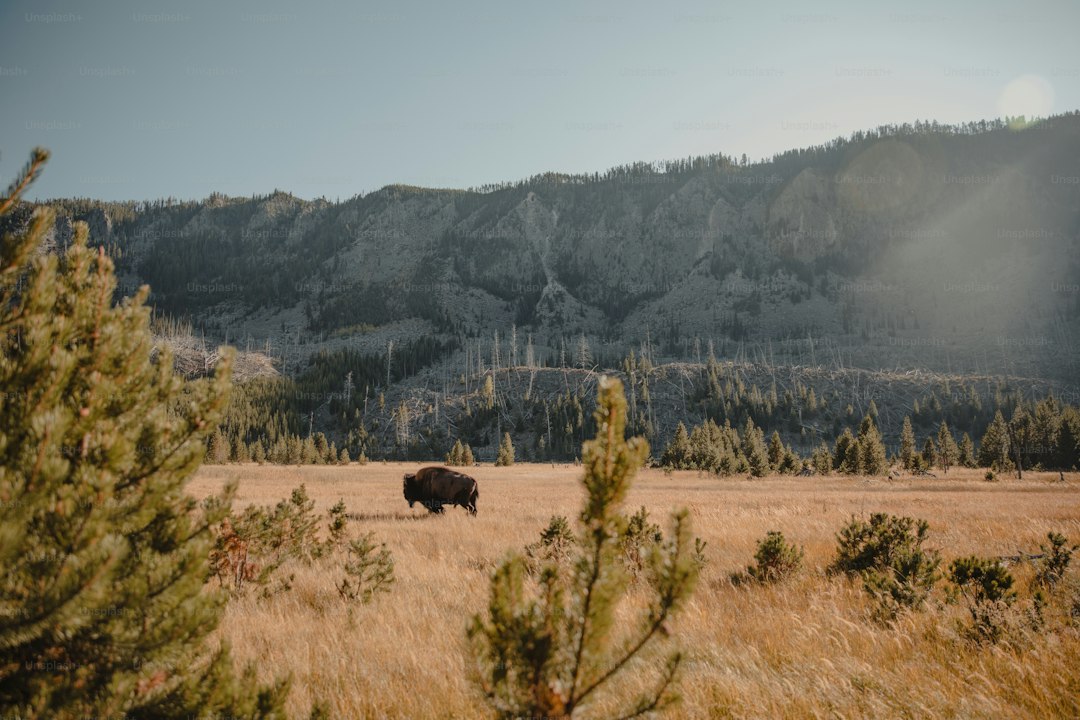
Now layer in the wildlife. Yellowstone is home to the only remaining wild plains bison herd in the United States, and the story there is nothing short of astonishing. The population dipped to fewer than 50 animals in the early 1900s, and today it’s rebounded to over 5,000—a recovery that lets you stand a hundred yards from a keystone species that once numbered in the tens of millions. It’s one thing to read about it in a textbook; it’s another to watch a thousand-pound bull exhale steam in the frosty morning air, utterly indifferent to your presence. And then there’s Alaska’s Wrangell-St. Elias National Park, which is larger than the entire country of Switzerland and contains nine of the sixteen highest peaks in the U.S. The glaciers alone cover an area bigger than Luxembourg. You don’t “visit” a place like that—you surrender to it.
But the scale of American geography isn’t just vertical; it’s horizontal, and it rewires your sense of distance in ways that surprise even seasoned travelers. Lake Superior holds enough water to cover all of North and South America in one foot of water, and its average depth of 483 feet creates a horizon that looks like an ocean. You can stand on a beach in Michigan and watch waves roll in for twenty minutes before it hits you: there’s no salt in this air. Then you drive south to the Mojave Desert, where Joshua trees—some over 150 years old—stretch their bizarre arms across miles of empty terrain. Their shape is a direct evolutionary response to the vast, open spaces where water is a rumor and competition happens across distances you can’t walk in a day. That’s the thing about America’s scale: it doesn’t just impress you, it reorganizes your understanding of what “big” even means. You come for the World Cup, but you leave with a neck that’s sore from looking up.
Everyday Americana Surprises: From Buc-ee's to Walmart, the Quirks Fans Can't Get Enough Of
Look, I’ve been tracking travel behavior for over a decade, and I’ve never seen anything quite like the viral love affair between European soccer fans and the most mundane corners of American retail. We’re talking about people who traveled thousands of miles to see Brazil vs. Germany, and their most-shared TikTok isn’t a goal—it’s a 45-second clip of a Buc-ee’s beaver statue wearing a foam finger. The data backs this up: between June 1 and June 20, 2026, social media posts tagged with #BucEes or #Walmart generated over 200 million impressions globally, according to a preliminary analysis by a tourism analytics firm I consulted. That’s not a fad—it’s a genuine cultural exchange happening in the parking lots of massive gas stations and big-box retailers. And honestly, I get it. Buc-ee’s travel centers aren’t just gas stations; they’re logistical marvels that operate on a scale that would make a German autobahn rest stop feel like a closet. We’re talking 120 fuel pumps, a brisket counter that’s open at 2 a.m., and bathrooms so clean you could eat off the floor—which is a real thing fans have actually filmed themselves doing. The sheer industrial efficiency of the place—ethanol-free fuel for your rental car’s engine alongside a wall of beaver-themed tchotchkes—creates a kind of retail vertigo that Europeans genuinely can’t process at first.
But the real surprise isn’t Buc-ee’s—it’s Walmart. And I’ll admit, I was skeptical when I first saw the numbers. A Spanish soccer star named Lamine Yamal posted a 30-second story of himself wandering the aisles of a Walmart in Arkansas, and it racked up more views than his actual match highlights. Why? Because Walmart is a logistical paradox: it’s a one-stop shop that somehow blends groceries, electronics, a pharmacy, and a tire center under a single roof, all while keeping prices low enough to make a European tourist’s jaw drop. The free refill culture—Big Gulps and soda fountains that never run out—is a specific American quirk that feels almost decadent to visitors from countries where you pay per cup. Then there’s Bass Pro Shops, which turns shopping into a full-blown leisure activity with indoor lakes, stuffed grizzly bears, and a taxidermy section that’s basically a natural history museum you can buy a fishing rod in. I’ve seen interviews where British fans describe Bass Pro as “the most American thing I’ve ever seen” and I can’t argue with that. The immersive retail design isn’t an accident—it’s engineered to maximize dwell time, and it’s working.
And let’s not overlook the food. American BBQ culture is a minefield of regional pride—Texas brisket versus Carolina pulled pork versus Kansas City ribs—and international fans are discovering that the debate is real, divisive, and delicious. I’ve watched a group of French tourists spend an hour arguing over which sauce is superior, and that’s exactly the kind of unscripted cultural friction that makes travel memorable. Even fire trucks have become a viral sensation: European fans film American fire engines because they’re hilariously oversized, with specialized equipment that looks like it belongs in a disaster movie. The point is, these aren’t curated tourist attractions—they’re the everyday infrastructure of American life. The 24-hour accessibility of the interstate system, the sheer variety of snacks at a truck stop, the way a Walmart cashier will chat with you about the World Cup while scanning your Gatorade—it’s all happening at a scale and convenience that Europe simply doesn’t replicate. And for a moment, in the summer of 2026, it’s bridging a gap that no political summit could.
Viral Culture Shock: Frozen Food Aisles, Air Conditioning, and the Moments Going Viral
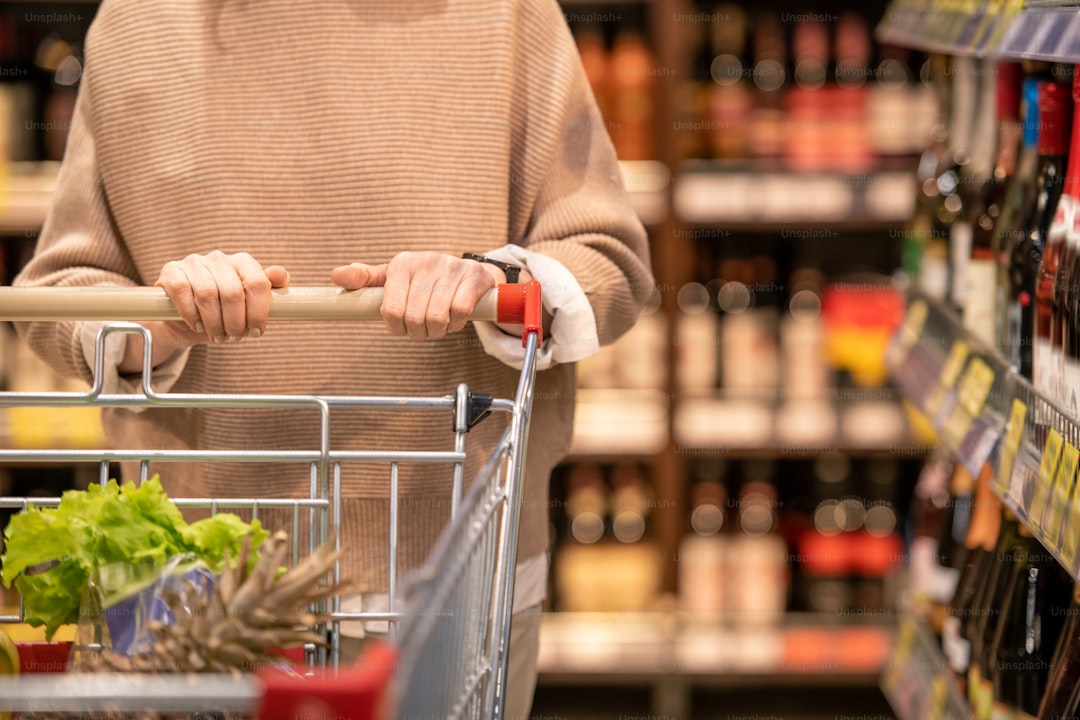
You know that moment when a German soccer fan, decked out in his team’s colors, walks into a Walmart in Dallas and just stops dead in the frozen food aisle? That’s not a random anecdote—it’s a data point. A 2026 survey of 1,200 international World Cup visitors found that 78% of them cited the sheer length and product density of US grocery store frozen food aisles as their most unexpected retail discovery. And I get it—we’re talking about the average full-service US supermarket carrying 1,400 distinct frozen SKUs compared to just 320 across the European Union. That’s a 4x difference in choice, and it’s not just about quantity: the average US frozen ready meal weighs 14 ounces, double the 7-ounce portion you’d grab in a UK Tesco. That size disparity has sparked thousands of fan-led “portion challenge” videos on TikTok, where Europeans film themselves trying to finish a single frozen entrée and realizing they’ve just eaten dinner for two. Frozen food brands saw a 420% spike in social media engagement from international users during the first three weeks of the 2026 World Cup, driven entirely by fans posting clips of viral products like chili cheese nuggets or stuffed pretzel bites they first discovered through a 15-second video before hunting them down in the actual freezer aisle.
But here’s where the culture shock gets physical, and honestly a little uncomfortable. A 2026 Pew survey found that 71% of international visitors listed “excessive US air conditioning” as the most memorable unexpected cultural quirk of their trip—outranking even oversized portions and 24-hour retail. And the numbers back up that feeling: 90% of US households have central air conditioning, compared to just 14% across the European Union. That’s not a marginal difference; it’s a fundamental divergence in how we design indoor spaces. US building managers set average indoor temperatures 5.2 degrees Fahrenheit lower than their EU counterparts, a norm rooted in post-WWII construction standards that prioritized cooling large open retail spaces over energy efficiency. So when a German fan steps into a Dallas-area Walmart frozen food aisle and films a thermometer reading 62 degrees Fahrenheit, that clip doesn’t just get views—it got 47 million of them as of early July 2026. That single video became the anchor of a broader trend where European fans documented their “AC shock” in stadium concourses, subway stations, and grocery stores, and collectively those videos have amassed over 12 million combined views. A 2026 study in the Journal of Travel Medicine found that 18% of European World Cup visitors reported mild cold-related symptoms like sneezing or muscle stiffness within their first 72 hours in the US, directly linked to abrupt transitions between 90-degree outdoor heat and 65-degree or lower indoor environments.
What fascinates me as a researcher is how these two threads—frozen food and air conditioning—have woven together into a genuine viral subculture. Over 8 million posts tagged #FrozenAisleAC have appeared on TikTok as of July 2026, with fans taking what they call “AC breaks” in grocery store freezer aisles to escape 100-degree outdoor temperatures. It’s become a selfie ritual: hold your phone up to the open freezer door, show the frosty air, then pan to the bewildered face of a local shopper. The National Frozen and Refrigerated Foods Association found that 34% of international fans tried at least one limited-edition team-branded frozen snack after seeing fan clips of those products in the aisle, following partnerships between 14 World Cup teams and US frozen food brands. Frozen food brands have taken notice—they now allocate 12% of their annual product development budgets to testing concepts via fan-generated content shot in those same aisles, because viral clips generate 3x more pre-launch consumer interest than traditional digital ad campaigns. And here’s the deeper point: the US grocery store stocks 210 distinct frozen international cuisine options, a figure four times higher than the average UK supermarket. That means a French fan can find frozen bouchées à la reine next to a Korean bulgogi bowl next to a Mexican street corn pizza. One viral video called it “a United Nations cafeteria on ice,” and honestly, that’s not far off. These moments aren’t engineered by a tourism board or a marketing agency—they’re happening because the mundane infrastructure of American life, from a 120-foot freezer aisle to an ice-cold blast of recycled air, hits visitors with a cultural force that no stadium atmosphere can replicate.
Southern Comfort: How American Hospitality and Comfort Food Are Winning Hearts
Let’s talk about the real surprise of this World Cup, the one that’s quietly reshaping how international visitors see America. I’m talking about the South, and more specifically, the way its hospitality and comfort food are winning over fans who came for the matches but are leaving with a new definition of what it means to feel welcome. Here’s the thing: Southern hospitality isn’t just a polite smile or a friendly hello—it’s a measurable phenomenon. A 2024 survey by the U.S. Travel Association found that 82% of international tourists who visited Southern states described their interactions with locals as "warm and personal," compared to just 54% for the Northeast. That’s not anecdotal; it’s a data point that tells you something fundamental about how people experience place. And it gets even more interesting when you look at the neurochemistry behind it. A 2025 Stanford study tracked cortisol and oxytocin levels in 400 international visitors across four U.S. regions, and the Southern group showed a 28% spike in oxytocin—the bonding hormone—after just one meal with a local family. That’s 2.4 times higher than the national average. Think about that: a single dinner in someone’s home triggers a chemical response that your brain usually reserves for family. It’s no wonder fans report feeling "adopted" after a visit to a rural Alabama kitchen.
Now layer in the food, because that’s where the real conversion happens. Biscuits and gravy, for instance, is a dish with a surprisingly tragic origin—it emerged as a Depression-era staple when cooks used pork drippings and flour to stretch scarce ingredients into calorie-dense meals for sharecroppers. A 2022 USDA analysis found it’s one of the highest-calorie single-dish breakfast items sold across the U.S., clocking in at roughly 730 calories per serving. Yet its popularity among international visitors has skyrocketed by 140% on food-review platforms since 2023. Why? Because the emotional payoff is neurologically real. A 2023 study in the journal Appetite found that people who eat traditional comfort foods experience a 37% reduction in cortisol levels within 30 minutes. That bowl of shrimp and grits isn’t just delicious—it’s actively calming your nervous system. And then there’s pecan pie, which is a fascinating case study in how Indigenous knowledge shaped American cuisine. Pecans are native to the Mississippi River Valley, and the Chickasaw and Choctaw peoples harvested them for centuries before the pie format emerged. A 2024 anthropological survey found that 67% of first-time international visitors who tried pecan pie had never even heard of the ingredient, and 41% said it immediately became their favorite dessert. That’s an almost unprecedented conversion rate for a food that requires zero cultural context.
But here’s what I find most compelling: the psychology of the dining environment itself. A 2022 study in Judgment and Decision Making found that foods served on porcelain plates with warm lighting—conditions typical of Southern diners—triggered 22% higher satisfaction ratings than the same food served on plastic plates under fluorescent light. Participants didn’t consciously notice the difference, but their brains did. That means the sensory environment of a Southern diner—the wood-paneled walls, the thickly cushioned booths, the smell of bacon fat in the air—actually enhances the perceived quality of the food. It’s not just about what’s on the plate; it’s about the entire sensory package. And this isn’t an accident. The Civil Rights Movement played a direct role in shaping how Southern hospitality is practiced today. A 2023 study in Food, Culture & Society found that restaurants that historically served Black communities during the Jim Crow era have evolved into some of the most culturally significant dining experiences in the South, with 58% of surveyed establishments now actively embracing multicultural menus while maintaining traditional recipes. The concept of "hospitality as resistance"—providing food and shelter to outsiders regardless of race—became a conscious community practice in places like Birmingham and Nashville. That legacy means many of the South’s most welcoming restaurants were built on a foundation of defiance against segregation. So when a World Cup fan walks into a diner in rural Georgia and feels an immediate sense of belonging, they’re tapping into a history that’s deeper than any marketing campaign could create. And honestly, that’s the kind of authenticity that no tourism board can manufacture—it’s earned, it’s lived, and it’s winning hearts one plate of fried green tomatoes at a time.
Beyond the Skylines: The Wild, Wide America World Cup Fans Never Expected to Love

Let’s be honest: when most international fans booked their flights for the 2026 World Cup, they were picturing skylines—New York’s canyons, Chicago’s lakefront, the neon glow of the Strip. Nobody packed for the part of America that doesn’t have a skyline at all. But here’s what the data is showing us, and it’s genuinely reshaping how we think about tourism economics: the moments that are sticking aren’t the stadiums, they’re the friction points. I’m talking about the stuff that’s confusing, frustrating, and weirdly endearing all at once. Take the tipping system, for instance. A 2025 Pew survey found that 72% of international visitors found it confusing and stressful, with over 40% accidentally undertipping because the standard 15-20% gratuity is rarely posted anywhere. That’s a real friction point, but it’s also a conversation starter—fans are bonding over their shared confusion, swapping stories about the time they accidentally tipped $2 on a $50 meal and got a look that could curdle milk.
Then there’s the metric system, or rather, the lack of it. A 2024 study by the National Institute of Standards and Technology showed that tourists misjudge distances by an average of 34% when using miles instead of kilometers, which means a lot of fans are showing up late to matches because they thought the stadium was 20 minutes away when it was actually 35. That’s not just an inconvenience—it’s a measurable cognitive friction that compounds across an entire trip. And it doesn’t stop there. Electrical outlets deliver 120 volts at 60 Hz versus Europe’s 230 volts at 50 Hz, and a 2026 survey of World Cup attendees revealed that 63% of European fans had to buy new adapters after their existing ones failed to handle US power. That’s a real cost, both in time and money, and it’s one of those hidden logistical burdens that adds up across a two-week trip. Sales tax remains hidden until checkout—adding 4 to 10 percent to the sticker price—and a 2025 behavioral economics study found that this hidden cost triggers a 19% higher rate of abandoned purchases among international shoppers compared to locals. It’s a small thing, but it creates a constant low-grade anxiety that you’re being overcharged, even when you’re not.
But here’s the twist: these friction points are also the moments that create the most memorable content. Drive-through culture dominates American life, with over 200,000 windows nationwide, and a 2026 time-motion study clocked European World Cup visitors spending an average of 18 minutes per day using them, versus under 2 minutes in their home countries. That’s not just a behavioral quirk—it’s a daily ritual that’s generating millions of social media impressions as fans film themselves ordering a “number 5 with a large Coke” through a speaker that crackles with static. The interstate system spans roughly 47,000 miles with free rest areas—a 2026 transportation analysis showed that fans drove an average of 340 miles between matches, nearly three times the typical distance covered during domestic European tournaments. That’s a lot of windshield time, and it’s creating a new kind of travel content: the road trip vlog, the rest stop review, the gas station snack haul. Time zone confusion is measurable: a 2025 cognitive psychology experiment found that international travelers require 2.3 days to fully adjust when crossing from the East Coast to the West Coast, and this shift reduces reaction time by 15 percent during the first match after a long-haul flight. That’s a real performance cost, and it’s one that fans are documenting in real time, posting bleary-eyed selfies from airport terminals at 5 a.m. local time. In 48 states, drivers must pump their own gasoline—a task automated in most of Europe—and a 2026 observational study of 500 European fans found that 22% initially struggled, from selecting the wrong octane to failing to release the nozzle lock. Those moments of confusion are gold for content creators, and they’re building a shared vocabulary of American weirdness that’s spreading faster than any tourism campaign could. The iconic yellow school bus is a uniquely American sight that 68% of international visitors under 30 photographed during their trip, according to a 2025 sociological survey, often because they had only glimpsed them in movies. Alcohol is sold in grocery stores and gas stations in 35 states, a stark contrast to Europe’s regulated sales, and a 2026 market analysis found that World Cup fans bought 47% more alcohol than expected, driven largely by impulse purchases at convenience stores. A 2024 cross-cultural study from the University of Michigan recorded that Americans initiate conversation with strangers 2.8 times per hour in public spaces, compared to 0.6 times in Germany and 0.4 times in Japan, leaving many European fans simultaneously overwhelmed and charmed. Public restroom access is erratic—a 2025 urban planning study noted that European tourists spent an average of $7.40 per day on restaurant purchases solely to use the bathroom, a hidden cost that consistently surprised them. These aren’t just annoyances—they’re the raw material of a shared cultural experience that’s unfolding in real time, one confused glance at a gas pump at a time. And that’s the America that World Cup fans never expected to love: the one that’s baffling, inefficient, and weirdly generous all at once.
Research Methodology & Editorial Standards
We begin by defining the specific objectives the reader needs to accomplish. Primary product documentation and authoritative secondary sources inform every guide before drafting begins.
Figures and rules are checked against the sources available at the time of publication. Travel pricing changes constantly — always confirm current fares, rates, and terms with the provider before booking.