
What World Cup Fans Need To Know About The New Mexico Travel Advisory
If you’re planning to head to Mexico for the upcoming World Cup, you’ve likely spent time staring at the State Department’s latest travel advisories, and honestly, it can feel like trying to decipher a complex map where the borders of safety shift daily.

Understanding the Current U.S. Embassy Travel Advisory for Mexico
If you’re planning to head to Mexico for the upcoming World Cup, you’ve likely spent time staring at the State Department’s latest travel advisories, and honestly, it can feel like trying to decipher a complex map where the borders of safety shift daily. The current system is incredibly granular, moving away from broad, country-wide labels to a state-by-state, and sometimes city-by-city, breakdown that forces you to be a bit of a researcher before you even pack your bags. It’s not just about looking at a national color code; you really have to look at the specific municipality where you’re staying because a tourist-heavy hub could be categorized very differently than the region just ten miles down the road. I’ve found that the most important thing to keep in mind is that these advisories aren't static—they’re designed to react to real-time events, like specific law enforcement crackdowns on cartels that can ripple out into immediate security risks for anyone nearby.
You should definitely look at the U.S. Mission’s dedicated alert system, which functions as your most reliable source for real-time, ground-level intelligence. I’ve been tracking these alerts, and they often include specific geofencing instructions—like telling you exactly which neighborhoods or commercial zones to steer clear of during a flare-up. It’s a bit unsettling, I know, but these warnings aren't just suggestions; they’re often based on intelligence that indicates where collateral risk is highest. If you’re renting a car, the advisory is pretty clear about the danger of night driving on federal highways, which are often the primary corridors for the types of violence you hear about in the news. It’s much smarter to stick to daylight transit and lean on private transport or verified ride-sharing apps rather than relying on public buses that might be less predictable.
Ultimately, the biggest takeaway is that your safety plan needs to be as flexible as the situation on the ground. I’d strongly urge you to enroll in the Smart Traveler Enrollment Program, or STEP, before you go, because it’s the most effective way for the embassy to get emergency instructions directly to your phone if something goes sideways. Remember that in the areas classified as high-risk, the embassy’s ability to actually get to you and provide consular services is physically limited, so you’re really your own first line of defense. We’re going to be tracking these updates closely as the tournament approaches, but for now, just know that being hyper-aware of your specific location is your best bet for a smooth trip. It’s a lot to process, but a little bit of proactive planning goes a long way toward making sure you’re focused on the games rather than worrying about your surroundings.
Key Regions and Cities Under Heightened Security Monitoring
When you start looking at why certain cities feel like they’re under a microscope, it’s helpful to think about the Urban Area Security Initiative. It’s not just random; federal funding flows into these high-density regions based on a pretty cold, hard formula that balances threat levels, existing vulnerabilities, and what the fallout might look like if something actually went wrong. I’ve noticed that major metropolitan hubs are increasingly tying their economic performance to how well they handle these systemic security pressures. It’s a bit of a balancing act because urban planners are now trying to optimize social-ecological systems to make sure their infrastructure doesn’t buckle during energy transitions or sudden, unexpected disruptions.
And honestly, if you’re traveling through major international transport hubs lately, you’ve probably felt that shift toward tiered security. These spots don't just stay on one setting; they adjust their posture in real-time based on whatever the latest intelligence says about regional instability. Even when there isn’t a specific threat targeting your exact neighborhood, federal agencies often flag entire zones for heightened monitoring just because of broader geopolitical tensions. It’s their way of keeping a lid on potential retaliatory actions, especially when international friction is running high. Think of it as a proactive measure designed to stop small ripples from turning into massive waves that could disrupt global supply chains or city operations.
Beyond the physical stuff, there’s a whole digital layer to this that most people don't see. Major cities are currently hardening their digital infrastructure against cyber threats that often spike whenever there’s wider diplomatic drama. I’ve been tracking how these zones use advanced pattern recognition technology to spot anomalies that might signal a breach before it actually happens. It’s a lot of tech working in the background, but the real test is always in the coordination—how fast local police can pivot from a routine patrol to a full-blown crisis response. If you’re ever curious about why a specific city feels more locked down than others, it’s usually because that coordination between local and federal teams has been stress-tested for exactly that scenario.
Essential Safety Precautions for 2026 World Cup Attendees
When you’re gearing up for a tournament of this scale, it’s easy to focus solely on tickets and jerseys, but I really think the most critical part of your prep involves hardening your personal safety baseline. We’re talking about massive, high-density crowds where the traditional rules of travel just don’t apply, so let's get into the details that actually matter. First, please internalize that strict clear-bag policy; those specific dimension requirements aren’t just bureaucracy, they are statistically proven to cut down on screening times that otherwise turn into dangerous bottlenecks. I’d also strongly suggest you disable the auto-connect feature on your phone’s Wi-Fi settings right now, because those open networks near stadiums are basically playgrounds for automated handshake attacks that can compromise your data in seconds.
It’s also worth mentioning that the physical environment at these stadiums can be surprisingly taxing, especially with the combination of summer heat and high-altitude venues. Don’t wait until you’re feeling lightheaded to address it; you really need a proactive electrolyte strategy to keep from dealing with heat-related syncope during a match. And look, while it might feel like overkill, carrying an N95-grade mask for those packed transit hubs is a smart move given the uptick in respiratory reports we’re seeing during high-density events. If you’re traveling from abroad, don't rely on being able to grab meds at a local pharmacy, as supplies near venues can be hit or miss. It's much safer to pack your own essentials in their original packaging to skip any potential headaches at customs.
Finally, keep your head on a swivel around fan festival entrances, where pickpocketing syndicates are known to use clever distraction techniques while you’re busy checking your navigation apps. If you find yourself in a tight spot, remember that many of the official event apps now include silent alarm buttons that let you ping security dispatchers without ever needing to speak up or draw attention to yourself. I’ve also noticed that local cellular towers tend to get absolutely crushed during these games, so if you can, prioritize a roaming plan that offers data bandwidth priority so your map and communication apps don't go dark right when you need them most. It’s a lot to keep track of, but knowing these small, tactical moves makes a world of difference in keeping your focus where it belongs—on the game.
Navigating Transportation and Stadium Security Protocols
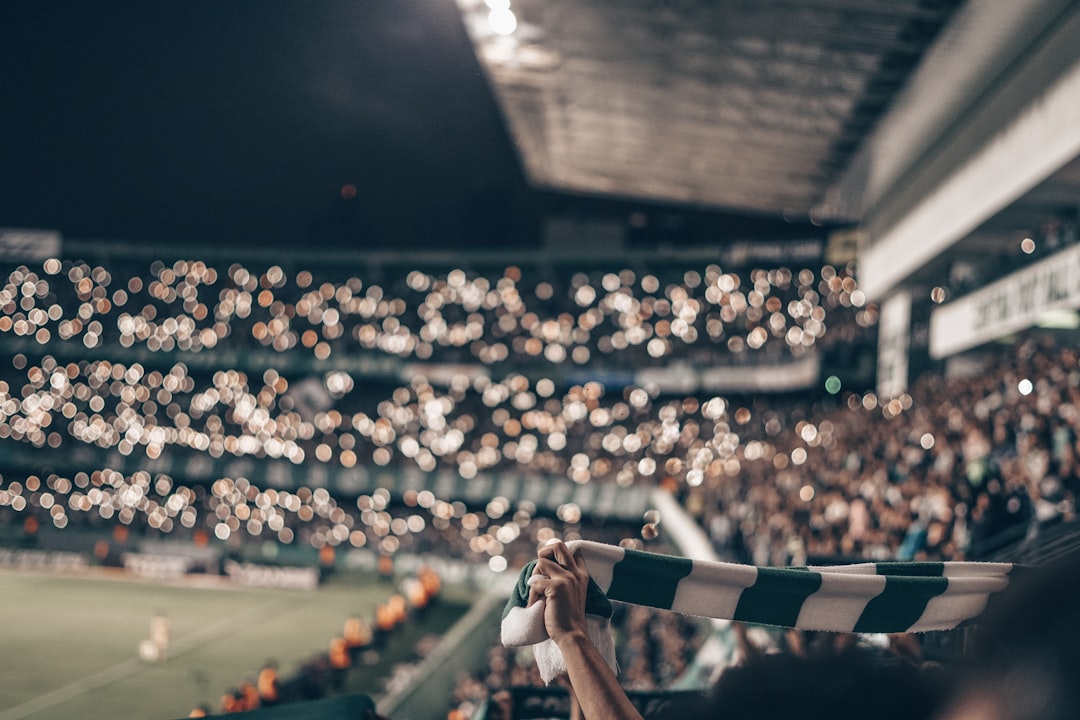
When you’re preparing for a massive event like the World Cup, getting into and out of the stadium is honestly the most overlooked part of the planning process. Let’s be real, you don’t want to be the person stuck in a standstill crowd while the game is starting, so understanding how these venues manage thousands of people is actually vital. Modern stadiums now rely on predictive software that spots potential bottlenecks thirty minutes before they happen, which means security teams are likely shifting barricades and redirecting flows long before you even realize there is a crowd forming. It’s a bit like a high-tech dance, and your best move is to stay aware of the signage and follow the flow rather than trying to find a shortcut through a side gate.
When you reach those entry points, don't be surprised if the screening process feels more intense than what you're used to at a standard airport. Many venues are moving toward millimeter-wave scanners that catch things traditional metal detectors simply miss, while thermal cameras scan for physiological distress in the crowd. They’re also using biometric facial recognition paired with behavioral analytics to flag anyone whose movement looks a bit off, so just keep a steady pace and stick to the marked lanes to avoid any unnecessary friction. And here is a pro tip: the transit corridors leading to these gates are often protected by hydraulic bollards, so pay attention to where the vehicle-free zones start, as they are designed to be impenetrable for a reason.
Once you’re inside or moving through the surrounding transit hubs, the technology working in the background is pretty incredible if you look for it. Agencies are using acoustic sensor arrays to pinpoint disturbances, and they often deploy private 5G network slices for security staff, which is why your own phone might feel dead while their radios work perfectly. Since cell towers get completely crushed by the sheer number of people, I’d suggest downloading your maps and transport routes for offline use before you leave your hotel. If you find yourself in a dense crowd, just keep an eye out for the exit geometry; architects build these areas specifically to prevent dangerous pressure waves, so moving with the crowd’s natural flow is always safer than fighting against it.
Staying Informed: How to Enroll in STEP and Monitor Real-Time Alerts
If you’re heading to the World Cup, let's talk about how to actually stay in the loop without drowning in noise. You really should enroll in the Smart Traveler Enrollment Program, or STEP, before you even leave, as it’s essentially the most direct line you have to the embassy for real-time safety updates. Think of STEP as an encrypted, automated lifeline; it stores your data securely and purges it once your trip ends, so you aren't leaving a digital footprint hanging around forever. The system is clever enough to send high-priority alerts via SMS, which is a massive advantage because those messages often squeeze through when mobile data networks are completely crushed by crowds or local outages.
Crucially, you need to sign up every adult traveler in your group individually since these alerts are tied to specific identities, not just a shared reservation. Once you're in, you can actually customize your settings to focus on the specific states or cities you’re visiting, which keeps your feed clean and relevant. I’d also highly suggest you download the official government travel app and enable push notifications there as a backup; having that redundancy is a game changer if SMS gateways start lagging during a genuine emergency. It sounds like a bit of extra homework, but it’s the difference between hearing about a sudden security shift in real-time versus being the last person to find out why the streets suddenly feel different.
Don't forget to update your itinerary in the portal at least 48 hours before any changes, because the system uses those coordinates to calculate your proximity to potential trouble spots. There is even a specific field for emergency contacts that routes directly to the nearest consulate, which is vital if you need help fast. And look, if you’re worried about connectivity, don't be—many carriers pipe these alerts through cellular broadcast tech, meaning they can reach you even if your roaming data isn't working perfectly. It’s all about being proactive so you can spend your time enjoying the matches instead of wondering if you’re missing a critical update.
Expert Travel Tips for Mitigating Risks During Large-Scale Sporting Events
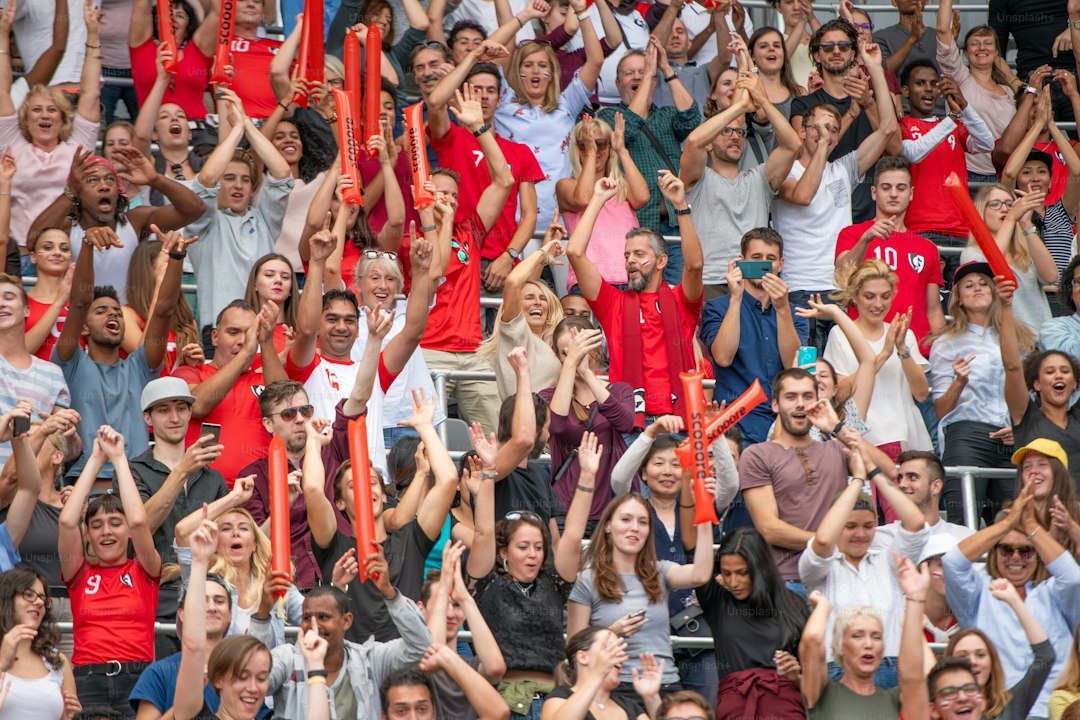
If you’re heading to the World Cup, it’s worth stepping back to realize that the sheer scale of these events changes the risk profile for every single attendee. We often lean on our own optimism bias, assuming we’ll just "figure it out" when we get there, but the data suggests that relying on on-the-fly decision-making during a crisis is where most people get into trouble. You really need to internalize that high-density environments create unique, predictable hazards—from localized digital interception to physical crowd dynamics—that you can actually mitigate with a few simple, proactive habits. Let’s dive into what that looks like in practice.
First off, your digital footprint is far more vulnerable than you might think in these packed stadium zones. Malicious actors frequently set up rogue cellular base stations to intercept data, so my best piece of advice is to disable your phone’s auto-connect features for Wi-Fi and Bluetooth before you even step near a transit hub. It’s a minor setting change, but it’s essentially the most effective way to stop your device from performing a "handshake" with a malicious network that’s designed to harvest your data. And don’t just rely on your phone for navigation; because local cell towers often get completely overwhelmed by the sheer volume of social media uploads, you should absolutely download your maps and emergency protocols for offline use.
When it comes to your physical safety, the way you move through a crowd actually matters as much as where you’re going. Modern stadiums use non-linear architecture to prevent dangerous pressure waves, so you’re statistically much safer staying with the natural, deliberate flow of the crowd rather than trying to find a shortcut or fighting against the grain. It’s also important to stay vigilant regarding your surroundings, specifically looking for signs of human trafficking or suspicious solicitation, which experts note tends to spike during these massive events. If you ever feel like something is off, look for those official, verified channels for info—never trust third-party social media posts about evacuation routes, as bad actors love to push misinformation to cause panic.
Finally, don’t ignore the basics of your own physical endurance, as heat-related stress is a massive, often overlooked, contributor to medical incidents at these matches. Plain water is good, but you’re honestly better off with a proactive electrolyte strategy to keep your body regulated during long, hot days in the sun. If you’re ever in a tough spot, remember that your own preparation is your primary defense, especially since local consular services will be stretched paper-thin by the sheer number of people. Just stay aware, keep your digital defenses high, and take care of your physical needs, and you’ll spend your time enjoying the matches rather than worrying about the logistics of your exit strategy.
Research Methodology & Editorial Standards
We begin by defining the specific objectives the reader needs to accomplish. Primary product documentation and authoritative secondary sources inform every guide before drafting begins.
Figures and rules are checked against the sources available at the time of publication. Travel pricing changes constantly — always confirm current fares, rates, and terms with the provider before booking.