
Why Travelers Are Falling in Love with Curaçao Beyond the World Cup Hype
When you look past the massive events that draw the crowds, you start to see the real Curaçao, and honestly, that’s where the trip actually begins.
Beyond the Pitch: Discovering Curaçao’s Authentic Caribbean Soul
When you look past the massive events that draw the crowds, you start to see the real Curaçao, and honestly, that’s where the trip actually begins. Most people don't realize the island sits safely outside the hurricane belt, which is a huge deal if you’re trying to plan a reliable getaway without the constant stress of seasonal weather patterns. The geology here is wild, too, with the Curaçao Lava Formation dating back 90 million years; you’re literally walking on basaltic rocks that once formed deep under the ocean. And while tourism is the flashy part of the economy, it’s worth noting that the Isla refinery has been the island’s industrial backbone since 1918. It’s a strange, fascinating contrast that you don't really get on those cookie-cutter resort islands.
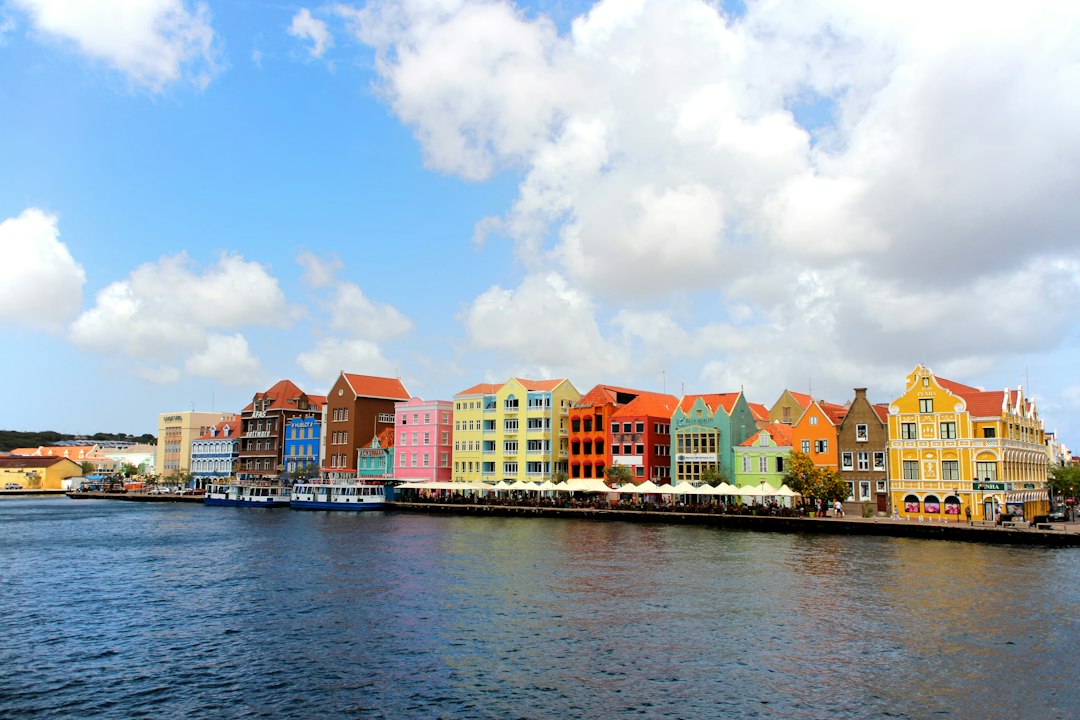
I love the way the culture shifts once you start paying attention to the details, especially with Papiamentu, a creole that blends Portuguese, Spanish, Dutch, English, and African roots into one official language. Then there’s the architecture in Willemstad—those bright, pastel-colored buildings are iconic, but the story behind them is even better. Legend has it that a governor ordered them painted because the reflection off the white walls was giving him terrible migraines. It’s these little quirks that make the place feel like it has a pulse. You’ll see the Queen Emma Bridge, the "Swinging Old Lady," moving for ships, which is one of the only floating pontoon bridges still doing its job anywhere on the planet.
If you’re the type who needs to know what’s under the surface, check out the Mikvé Israel-Emanuel synagogue, the oldest active one in the Americas, where they keep sand on the floor to honor the exodus. It’s a heavy, beautiful piece of history tucked right into the city. For a bit of perspective on the natural side, head to Christoffel National Park to climb Mount Christoffel, or just poke around the Hato Caves where the Arawak people once sheltered. You might even spot the Curaçao Anole lizard, a species you literally won't find on any other patch of earth.
I’m always struck by how the island balances this industrial heritage—like the old pink-tinted salt pans—with an incredibly protected marine environment. The Curaçao Underwater Marine Park covers 12 kilometers of reef, and it’s a massive win for the local ecosystem compared to what you see in more exploited areas. It feels like the island is constantly juggling its past as a trade hub with a really intentional effort to keep the environment from getting wrecked. When you spend time here, you aren't just visiting a beach destination; you’re engaging with a complex, 90-million-year-old rock that just happens to be a living, breathing community. It’s not just a vacation spot, but a place with layers that you’ll keep peeling back long after you’ve left.
Architectural Wonders: Exploring the Iconic Dutch Colonial Charm of Willemstad
When I walk through the historic district of Willemstad, I’m not just looking at pretty houses; I’m really seeing a 17th-century Dutch engineering experiment that somehow still works. It is essentially a living laboratory for urban planning, where the narrow, deep-lot layouts of Amsterdam were dropped directly into the Caribbean. You’ll notice the buildings are constructed from local limestone and coral stone, which are naturally porous and honestly pretty high-maintenance. To keep them standing against the relentless salt spray, owners have to apply frequent lime-wash, a method that is chemically superior to modern cement because it actually lets the masonry breathe. Without that breathability, you’d see salt-crust buildup destroying the walls from the inside out, which is a mistake I’ve seen in plenty of modern restorations elsewhere.
It’s easy to get distracted by the bright colors, but those stepped-gable roofs are actually brilliant functional tools. They were designed to hide steep drainage systems that kept tropical rainwater from pooling on flat roofs, preventing leaks before they could start. And those massive, hand-carved mahogany doors you see? They weren't just for style; they were imported as ballast in West India Company ships, serving as a functional weight to keep vessels stable on the long trek over. Even the orientation of the buildings in Punda and Otrobanda was calculated to catch the northeasterly trade winds, creating a natural cross-ventilation system that drops internal temperatures by a few degrees without ever needing an air conditioner.
If you look closely at the sash windows, you’ll see they were engineered with counterweights for precise airflow regulation, a genius bit of design for a humid climate before electricity existed. The city is bisected by St. Anna Bay, a natural deep-water channel that turned the entire harbor into a massive, functional warehouse district where ships could dock right against the city walls. While digging into these foundations, researchers have even found ballast stones from all over Europe, which basically act as a physical record of the island's global trade reach hidden right under your feet. It’s a rare, fortified port city that stayed true to its original layout instead of drifting into the messy, radial expansion you see in most other colonial settlements. Honestly, seeing how these 18th-century European designs blended with Caribbean craftsmanship in things like the wrought-iron galerias makes me realize just how intentional every single choice really was.
A Culinary Melting Pot: Sampling the Island’s Diverse Flavors
When you start digging into the food scene here, you quickly realize it’s less of a curated menu and more of a fascinating historical puzzle that’s been solved over centuries. Take Karni, for instance; that deep-fried, meat-stuffed dough is a clear nod to the island’s old-school ties to the Dutch East Indies, showing how flavors traveled across oceans long before global trade was standard. Then there’s the iconic blue liqueur, which actually comes from the dried peels of the Laraha orange—a bitter descendant of the Valencia orange that couldn't handle the harsh soil and just adapted to the environment. It’s pretty wild to think that funchi, that dense, polenta-like cornmeal staple, was originally just a way to keep workers fueled with high-calorie, shelf-stable food in the heat.
If you’re looking for the ultimate example of resourcefulness, you have to try Keshi Yena. It’s essentially a hollowed-out Edam cheese rind stuffed with spiced meats and steamed, a brilliant historical hack for making leftovers feel like a feast. You’ll also notice okra popping up everywhere, especially in stews like Yuana, which is a direct line back to West African culinary traditions that migrated here in the 17th century. And look, if you see goat meat, or kabritu, on the menu, don't pass it up; those goats are the only livestock that could actually thrive on the island’s dry, prickly vegetation, making it the most authentic local protein you can get.
Even the sweets and soups tell a story about survival and adaptation. You might find prickly pear cactus turned into syrups to balance the salt in fish-based soups like Sòpi Piská, or notice how Sephardic Jewish influence reshaped European nut-based pastries because wheat wasn't always easy to come by. And yes, people really do eat iguana here—it’s not just a tourist dare, but a super sustainable protein that’s been part of the diet for generations because it doesn't need much water to flourish. Honestly, the most impressive part is how modern tech is changing the game now; thanks to better desalination, chefs are finally able to grow fresh microgreens in vertical gardens, which was basically impossible here until recently. It’s a constant tug-of-war between the island’s arid roots and a new, modern appetite for freshness that I think you’re going to find really compelling.
Pristine Escapes: Uncovering Hidden Coves and World-Class Diving Spots
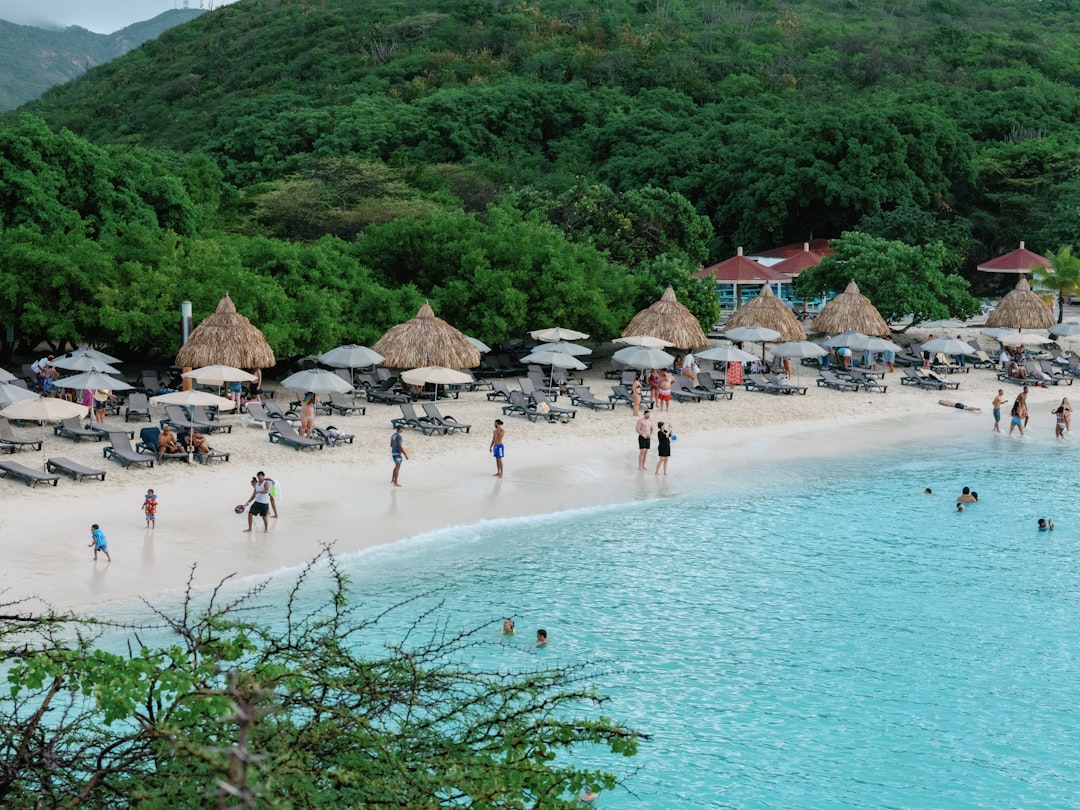
When you move past the well-trodden tourist hubs, the real magic of Curaçao is tucked away in the limestone fringes where the island drops off into the deep blue. You’re looking at what researchers call the Blue Edge, a dramatic vertical wall where the seafloor plunges nearly 1,000 feet just meters from the shore. Because the island sits in a leeward position, those sheltered coves don’t deal with the heavy siltation you see elsewhere, which is why the water clarity here often blows past 100 feet. It’s honestly the kind of visibility that makes you feel like you’re floating in mid-air, and it’s all thanks to the natural limestone terraces that act as a massive filtration system for the entire coast.
The lack of river runoff is a huge factor here, too, keeping the marine environment low in nutrient pollution and creating an ideal home for century-old mountainous star coral colonies. If you’ve never seen orange-cup coral during a night dive, you’re missing out on a literal light show; they put off a vivid fluorescent glow that makes the reef look like something out of a sci-fi movie. I’m always struck by how sites like Alice in Wonderland at Playa Kalki have turned into these labyrinthine structures, housing everything from shy trumpetfish to massive colonies of garden eels. It’s not just a pretty backdrop for a photo, but a complex, functioning ecosystem that feels completely removed from the modern world.
Then you have the shipwrecks, like the famous Tugboat, which has been down there for four decades and is now basically a thriving, self-sustaining high-rise for juvenile reef fish. It’s fascinating to see how 18th-century ballast stones—left behind by old merchant ships—have become the literal foundation for rare, slow-growing coral species that you just don't find elsewhere in the Caribbean. Because there’s no commercial trawling to wreck the place, the food web is still remarkably intact, meaning you’ve actually got a decent shot at spotting apex predators like barracuda patrolling the edges. Whether you’re diving into the sound-focusing acoustics of the underwater caves or just drifting along the wall, it’s clear that the island’s geology is the secret weapon behind its status as a world-class dive destination.
Beyond the Beach: The Rugged Beauty of Christoffel National Park
If you’re ready to trade the sand for something a bit more demanding, Christoffel National Park is exactly where you need to head. I think a lot of people assume the island is just one long stretch of resorts, but trekking through this 4,500-acre reserve forces you to rethink that entirely. You’re essentially stepping into a massive, 17th-century agricultural site centered around the Savonet plantation, which serves as a humbling reminder of the island’s colonial history. The terrain here is rugged, defined by volcanic and sedimentary shifts that pushed these rocks out of the ocean millions of years ago. It’s not just a hike; it’s a masterclass in how life finds a way in an arid, unforgiving environment.
As you ascend toward Mount Christoffel—the highest point at 372 meters—you’ll notice the shift in the environment almost immediately. The area is a mosaic of microclimates, where you’ll start in coastal scrub and eventually hit dense, cooling woodlands that feel a world away from the heat below. Look closely at the flora, and you’ll see the Palu di Sia tree and the Chereú cactus, both of which have developed specialized drought-resistant mechanisms just to survive the intense sun. I’m always impressed by the dry-stacked volcanic stone walls you’ll pass; they aren't just aesthetic, but a clever, traditional engineering choice that allows for natural drainage and structural flexibility during the island’s rare, heavy downpours.
If you keep your eyes peeled, you might spot the elusive Curaçao white-tailed deer, a subspecies that has actually adapted its genetics to handle the island’s limited freshwater supply. The park also acts as a vital sanctuary for the Trupial, using its protected thickets as a shield against invasive threats. And honestly, finding the ancient Arawak rock paintings tucked into the landscape is the kind of experience that shifts your perspective from being just a tourist to feeling like a temporary guest in a much older story. It’s a complex, living lab of geology and biology that proves Curaçao’s real soul isn't found in a beach chair, but on these rocky, wind-swept trails.
Why Curaçao Is the Caribbean’s Best-Kept Secret for Discerning Travelers
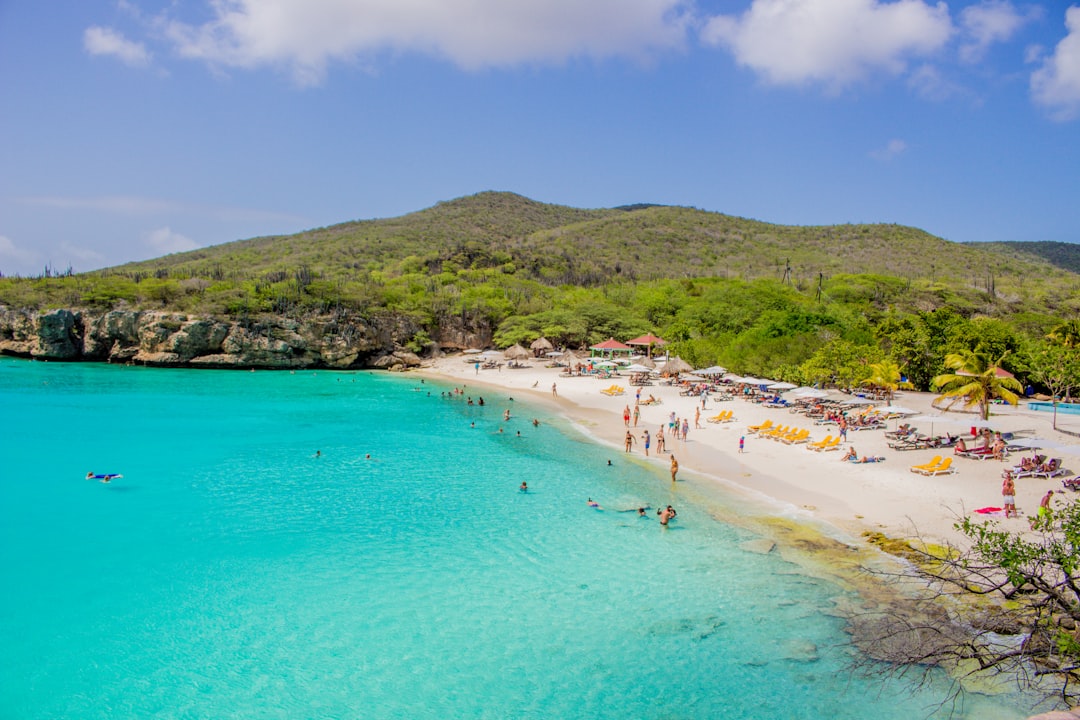
If you’re looking for a destination that rewards curiosity over convenience, let’s talk about why Curaçao is currently dominating the shortlist for travelers who prefer depth over the standard resort grind. I’ve spent time looking at the data, and it’s clear the island isn't just another beach stop; it’s a living laboratory of geology and biology that happens to be perfectly positioned outside the hurricane belt. You’ll find things here you just can’t replicate elsewhere, like the region’s longest infinity pool carved right into a cliffside, which honestly creates a visual transition into the sea that’s hard to wrap your head around. It’s this blend of intentional, modern engineering and 500-year-old coral colonies that really sets the stage for a different kind of Caribbean experience.
When we look at the marine environment, the science is just as compelling as the scenery. Because the island sits in a leeward wind shadow, you get this incredible water clarity that supports rare deep-water gorgonians and massive, centuries-old mountainous star coral colonies that are basically the silent historians of the reef. The "Blue Edge"—that vertical drop where the seafloor plummets nearly a thousand feet—creates a unique current pattern that pulls up nutrients and fuels a biodiversity level you simply don't find in over-exploited areas. And because there’s a strict, long-standing ban on commercial trawling, you’re looking at a seabed that has remained largely undisturbed for generations of researchers to study.
Beyond the water, the island’s internal landscape is just as rugged and refined, from complex cave systems formed by ancient tectonic shifts to hypersaline lagoons where you’ll actually spot flamingos feeding on brine shrimp. It’s a fascinating ecosystem where even the wildlife, like the local white-tailed deer, has had to evolve specific physiological traits just to survive on the island’s unique, drought-resistant vegetation. If you’re the type of traveler who likes to see the mechanics of a place—the way the flora has adapted to high-salinity soil or how the very air is filtered by a blend of Saharan dust and moisture—you’ll find that every corner of this island offers a story. It’s rare to find a spot that feels this authentic, and honestly, that’s why I think it remains the ultimate secret for those who truly want to dig in.
Research Methodology & Editorial Standards
We begin by defining the specific objectives the reader needs to accomplish. Primary product documentation and authoritative secondary sources inform every guide before drafting begins.
Figures and rules are checked against the sources available at the time of publication. Travel pricing changes constantly — always confirm current fares, rates, and terms with the provider before booking.