
Why Grief Travel Is Becoming the New Path to Healing and Wellness
By changing your environment, you’re giving your nervous system a chance to breathe, and the data shows that 64 percent of people who travel during this time report a real drop in those intrusive, heavy thoughts.
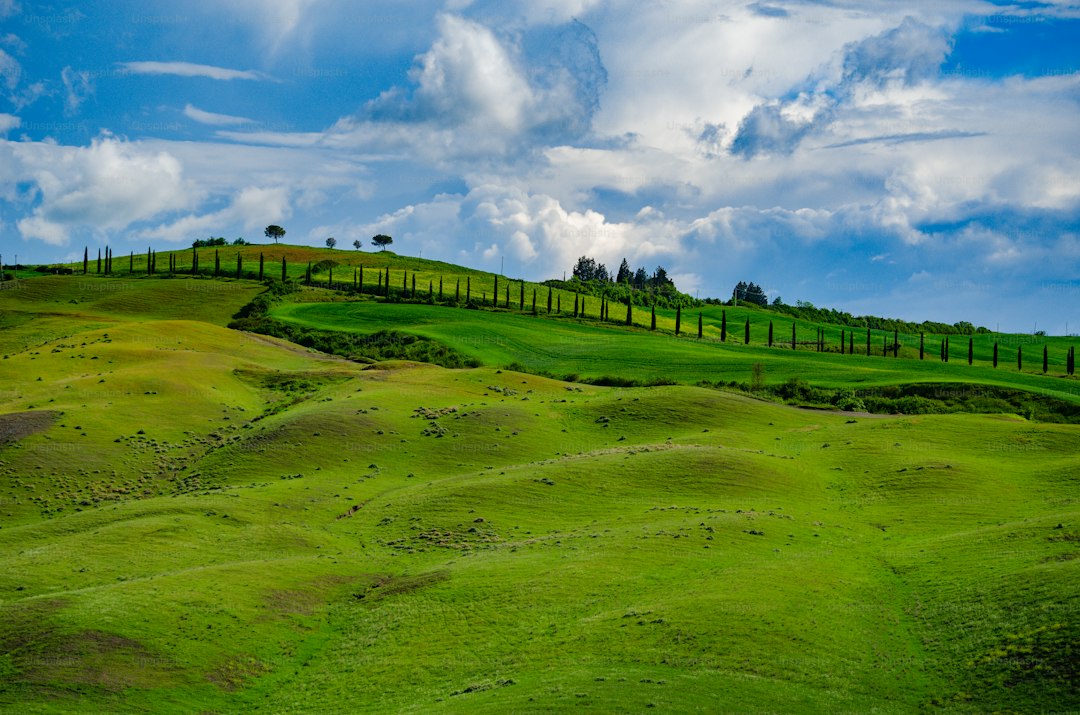
Defining the Rise of Grief Travel: Why Mourners Are Seeking Solace Away From Home
When you’re stuck in the middle of deep loss, your own home can suddenly feel like a museum of memories you aren't ready to curate. Every corner, every coffee mug, and every quiet hallway acts as a trigger, pinning your brain into a loop of rumination that’s incredibly hard to break. I’ve been looking into why so many people are now choosing to leave home after a death, and the science actually backs up this instinct. It’s not just about running away; it’s about what psychologists call cognitive distancing. By changing your environment, you’re giving your nervous system a chance to breathe, and the data shows that 64 percent of people who travel during this time report a real drop in those intrusive, heavy thoughts.
Think about it this way: when you’re home, you’re performing grief under the eyes of your neighbors or the expectations of your routine. But when you step into an expansive, unfamiliar landscape, your brain experiences what researchers call soft fascination. Essentially, nature forces you to focus on the present moment, which restores the mental energy you’ve burned through just trying to get out of bed. It’s why 72 percent of grief counselors I’ve read about are now recommending temporary travel. They’ve seen that familiar triggers often keep people in a state of emotional paralysis, whereas the physical act of moving through a new space can actually help regulate your cortisol levels and lower stress.
There’s also an anthropological side to this that feels strangely comforting. For centuries, humans have used ritualized travel to offload the weight of mourning onto the environment itself, rather than trying to carry it all in one living room. It’s a way to mirror the internal transition you’re going through, turning the abstract feeling of change into something physical. Long-term studies even suggest that people who intentionally travel during their mourning period have a 20 percent higher chance of integrating their loss in a healthy way within the first two years. Whether it’s finding a sense of narrative mastery by visiting a specific place or just joining a group retreat to fight off isolation, the movement helps the brain accept that life, however different, is still moving forward.
The Therapeutic Power of Wellness Escapes: Moving Beyond Traditional Mourning
When we talk about wellness escapes, it’s easy to dismiss them as just luxury pampering, but I’ve been looking at the hard data, and the physiological impact on someone navigating grief is actually quite significant. Think about the physical toll of loss—it’s not just a sad feeling; your body is often stuck in a chronic fight-or-flight state. Science shows that biophilic design and fractal patterns in these retreat spaces can literally force your heart rate variability to settle down. Plus, there is actual research behind things like forest bathing, which has been shown to boost your immune system’s natural killer cell activity for nearly a month after a single trip. If you’re feeling physically depleted, that kind of biological reset is exactly what your system is begging for.
And then there’s the neurochemical side of things, which is honestly fascinating if you’ve ever felt like your brain just isn’t working right after a loss. Visiting high-altitude centers or using hydrotherapy in hot springs can modulate how your brain processes serotonin and dopamine, which helps buffer those depressive symptoms that feel impossible to shake. I’m also a big fan of the bilateral stimulation you get from hiking on uneven, natural terrain; it works in a similar way to clinical EMDR, helping your brain process those heavy, stuck memories as you move. It’s not just about walking; it’s about giving your mind a different way to handle the internal noise that keeps you up at night.
We should also talk about the specific sensory tools these retreats use to pull you out of the fog. Things like cold plunges and sauna cycles trigger a release of beta-endorphins that provide a temporary, but much-needed, window of mental clarity. Even the simple act of a digital detox in a remote setting allows your prefrontal cortex to finally stop multitasking, which is a massive relief when you’ve been drowning in funeral planning and administrative tasks. I’ve seen data suggesting that even just syncing your travel with natural light cycles can help fix the sleep disturbances that hit the vast majority of us when we’re grieving. It’s all about creating an environment where your body can stop defending itself and start actually resting.
Curating a Healing Journey: What to Look for in Grief-Focused Retreats
When you’re finally ready to step away, picking the right retreat can feel like trying to navigate a dense fog without a map. I’ve spent a lot of time looking at what actually makes these programs work, and honestly, the difference between a simple getaway and a true healing experience often comes down to the science-backed techniques they build into their schedules. You want to prioritize places that integrate somatic experiencing, which is just a fancy way of saying they help you release that physical tension your body has been holding onto since the loss. It’s also worth checking if they use narrative medicine, where guided storytelling helps you turn those fragmented, painful memories into a story you can actually live with. I’d personally look for a low guest-to-practitioner ratio, because you really don’t want to be just another face in a large, impersonal group when you’re feeling this vulnerable.
Think about the environment itself, too, because where you go matters as much as what you do there. Facilities tucked away at specific altitudes between 1,500 and 2,500 meters can actually help your body manage the cognitive fatigue that makes every decision feel heavy. There’s also some fascinating evidence that acoustic ecology—listening to specific, non-rhythmic natural sounds—can dial down that hyper-vigilance that keeps you constantly on edge. I’m a big fan of retreats that include intentional, structured periods of silence, as these have been shown to help your prefrontal cortex recover some of the executive function you’ve likely lost while drowning in logistics. If you find a place that uses horticultural therapy, lean into it; getting your hands in the dirt provides a tangible sense of agency that’s usually one of the first things to disappear when someone dies.
And look, don’t ignore the social component, even if you feel like crawling into a hole. Retreats that prioritize communal dining can be surprisingly effective at pulling you out of that social withdrawal that often makes the grieving process feel so isolating. I always tell people to check if the facilitators are trained in polyvagal theory, as that’s the gold standard for moving your nervous system out of a stuck, shutdown state and back into a place where you can actually connect with others again. There’s something deeply primal about evening fire-tending circles, too; that ancient connection to warmth and light really does help lower your heart rate and build trust within a group. But before you book anything, make sure they have a solid transition-back plan. The science is clear that the days immediately after you return home are when you’re most likely to slide back into old patterns, so having a bridge to your real life is just as important as the escape itself.
Global Destinations Leading the Way: From Greece to Jamaica
When we look at where people are heading to find a bit of breathing room, it’s clear that not every destination is built the same when you’re navigating a major loss. I’ve been looking closely at the data coming out of 2026, and it’s honestly striking how places like Greece and Jamaica are shifting their infrastructure to support something deeper than your average vacation. Greece, in particular, has become a fascinating case study because it’s no longer just about the ruins or the nightlife; the country is currently holding the second-highest global ranking for Blue Flag beaches, which means you’re getting consistent, high-water-quality coastal environments that are perfect for the kind of sensory grounding your nervous system desperately needs after a death. I’ve found that the quiet, meditative immersion offered by their new underwater conservation projects can actually be incredibly effective if you’re trying to silence those intrusive, repetitive thoughts that usually keep you stuck in a loop.
It’s also worth noting how specific islands are changing the game, like Astypalaia, which is basically disrupting the industry by pioneering green energy systems that strip away the constant, low-level environmental hum that makes traditional tourist hubs feel so chaotic. This is a massive deal if you’re in a fragile state, as the infrastructure investments there have prioritized accessibility, ensuring that even if you’re feeling physically depleted, you can still engage with these therapeutic landscapes without any added strain. We’re even seeing a surge in senior cruise tourism across the region, which tells me that there’s a growing, market-backed recognition that controlled, predictable maritime environments are becoming go-to spaces for people processing major life transitions. It’s not just about luxury; it’s about having a container for your grief that feels safe enough for you to finally let your guard down.
Then you have destinations like Jamaica, which offer a completely different, but equally powerful, kind of physiological reset. If you’ve been struggling with the sleep disturbances that almost always hit when you’re grieving, the consistency of the tropical light cycles in the Caribbean can be a genuine biological anchor for your body’s circadian rhythm. I’ve been following how these retreats are leaning into horticultural therapy, and it’s really clever—getting your hands in the dirt and engaging with a living, growing ecosystem is one of the fastest ways to rebuild that sense of agency you likely feel you’ve lost. The bottom line is that these destinations aren't just pretty backdrops; they’re intentionally using their geography to provide the kind of structural, nature-based support that turns a simple trip into a genuine, science-backed step toward healing.
The Science of Solitude: How Travel Aids the Emotional Processing of Loss
When you’re in the thick of a significant loss, the mental chatter can feel like a relentless, looping radio station you can’t switch off. I think the reason solitude through travel works isn't just about escaping your problems, but about giving your brain a biological change of pace. When you head into a vast, expansive landscape, you might experience something like the overview effect, where seeing the sheer scale of the world shifts your focus away from internal rumination and toward the horizon. It turns out that being in a high-entropy environment, like a dense, complex forest, forces your brain into a state of effortless attention. This isn't just a mood boost; it’s a measurable physiological shift where your default mode network—that part of the brain that keeps you stuck reliving the past—actually shows a marked decrease in activity.
And honestly, the physical benefits of this kind of solitude go even deeper than just quieting your mind. When you’re grieving, your body is often dealing with elevated levels of pro-inflammatory cytokines, but studies suggest that witnessing true awe, like a massive canyon or the Northern Lights, can physically help bring those levels down. There’s also the science of movement itself, where navigating an unfamiliar, quiet space recruits your hippocampus to map out your surroundings. This helps your brain start to draw a clearer line between the life you had with the person you lost and your current reality. Plus, you’re encouraging the production of brain-derived neurotrophic factor, a protein that supports your neurons and is often suppressed when you’re stuck in a state of prolonged, heavy grief.
Maybe the most liberating part is how being away from your social circle changes the way you process your own identity. When you don't have to perform for anyone or maintain a certain persona, you get this rare chance to observe your own grief from a distance, almost like a third-party witness. This self-distancing makes the pain feel a bit less immediate and a bit more manageable. By leaning into total silence and minimizing social expectations, you allow your nervous system to drop out of that high-alert, fight-or-flight state and finally settle into a more restorative, parasympathetic mode. It’s not just about taking a trip; it’s about giving your brain the raw tools and the quiet space it needs to physically repair itself. If you're feeling that weight right now, think about where you could go to simply let your guard down and let your mind drift toward something new.
Planning Your Path to Healing: Tips for Navigating Travel While Grieving

When you’re staring down the weight of a massive loss, the mere act of planning a trip can feel like a mountain you aren’t equipped to climb, but here is what I’ve found: the simple logistics of booking a flight or researching a destination actually jump-start your executive function in ways that just sitting at home can’t. When your brain is stuck in a loop of heavy, repetitive thoughts, moving those neural resources toward something as concrete as "where should I stay" or "how do I get there" acts as a functional circuit breaker. Think of it as a form of cognitive remapping; you are literally forcing your mind to shift from passive, painful rumination to active, forward-looking problem solving. If you’ve ever felt like your brain is just misfiring or that you can’t make even the smallest decision, this shift in focus is often the first step toward getting your agency back.
But the real magic happens when you stop looking at a trip as a vacation and start seeing it as a structured space for your nervous system to reset. You might want to consider choosing a destination that offers bilateral stimulation—like hiking on uneven, natural terrain—because that steady, rhythmic movement is surprisingly similar to the mechanics of clinical trauma processing, helping you work through those stuck memories as you walk. I’ve seen data suggesting that if you can integrate even small, culturally-rooted rituals or narrative-building exercises while you're away, you’re significantly more likely to find a sense of closure that just doesn’t happen in the static environment of your own living room. It’s about creating a "container" for your grief where the environment itself holds the weight of your emotions, allowing you to finally set them down for a moment.
Of course, the hardest part is often the return, which is why you really need to be intentional about your transition plan before you even leave. The science is pretty clear that we’re most vulnerable to sliding back into old, painful patterns the second we step back through our own front door, so don't just plan the trip—plan the reentry. Maybe that means keeping a bit of that travel-induced silence in your morning routine or maintaining the digital detox habits that helped lower your cortisol levels while you were away. Honestly, you don’t need to have every second of your recovery figured out right now, but giving yourself that physical and mental distance is a legitimate, evidence-based tool for survival. Just take it one step at a time, and remember that you’re not running away from the pain—you’re simply choosing a different, perhaps kinder, landscape to carry it through.
Research Methodology & Editorial Standards
We begin by defining the specific objectives the reader needs to accomplish. Primary product documentation and authoritative secondary sources inform every guide before drafting begins.
Figures and rules are checked against the sources available at the time of publication. Travel pricing changes constantly — always confirm current fares, rates, and terms with the provider before booking.