
How to Plan Your Caribbean Vacation During Hurricane Season Without Losing Your Money
If you’re planning a Caribbean getaway, the anxiety surrounding hurricane season is honestly something I hear about all the time.
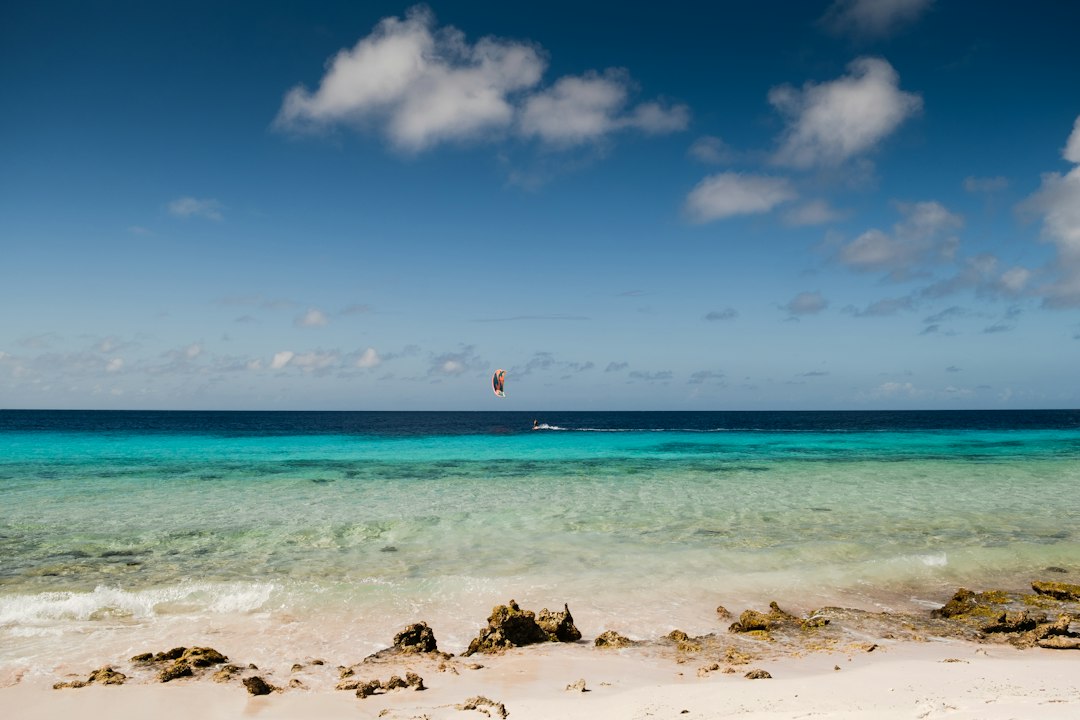
Understanding the Atlantic Hurricane Season: Timing and Risk Factors
If you’re planning a Caribbean getaway, the anxiety surrounding hurricane season is honestly something I hear about all the time. It’s easy to look at a "quiet" forecast and assume you’re in the clear, but from where I’m sitting, that’s a dangerous game to play with your vacation funds. Meteorologists are currently eyeing a range of 11 to 16 named storms for the 2026 Atlantic season, which sounds like a manageable number until you realize it only takes one major system to turn a dream trip into a logistical nightmare. The real issue is that these predictions are just snapshots in time, often influenced by shifting sea surface temperatures and unpredictable wind shear patterns that can change in a heartbeat.
Think about it this way: even if the overall season is projected to be below average, those surface-level stats don’t account for the massive energy stored in deeper, warmer waters. This subsurface heat content is a massive wild card because it can fuel rapid intensification, catching even the most seasoned travelers off guard when a storm decides to spin up out of nowhere. We’re also seeing experts highlight the Florida Panhandle as having a statistically higher risk profile this year, which shows just how much geography plays into your personal risk. It’s not just about the number of storms; it’s about where those steering currents in the upper atmosphere decide to push them.
Honestly, the most frustrating part is that the climate drivers we track are constantly in flux, making it nearly impossible to guarantee calm skies for any specific week. You might be watching for typical peak months, but history has shown us that late-season activity can be just as disruptive. That’s exactly why you can't just set your travel plans and forget them. We need to stay proactive and keep an eye on those professional outlooks that get updated as the season progresses. It’s not about being alarmist, but rather being realistic so you can protect your time and your money while you’re trying to actually enjoy yourself.
Strategic Destination Selection: Choosing Islands Outside the Hurricane Belt
If you’re trying to salvage your vacation plans without the constant shadow of a storm warning, looking toward the southern Caribbean is easily the smartest move you can make. The ABC islands—Aruba, Bonaire, and Curaçao—sit roughly 12 degrees north of the equator, which is far enough south that the Coriolis force is generally too weak to spin up those nasty cyclonic systems. It’s not just luck; it’s geography. Because they’re tucked away in the rain shadow of the Andes, these islands enjoy a semi-arid climate that stays remarkably dry even when the rest of the region is getting hammered by tropical moisture.
Trinidad and Tobago share this same geographic advantage, leaning on their proximity to the South American mainland to keep them safely out of the primary hurricane tracks. Think about it this way: while the northern Caribbean is bracing for whatever steering currents decide to do, these southern spots are almost always in the clear. Curaçao, for example, only sees about 22 inches of rain a year, which is a massive difference if you’re trying to avoid a week of being stuck in your hotel room. You’ll notice the landscape looks different too, with less dense, tropical foliage—a botanical sign that they just don't get the same torrential downpours that hurricane-prone islands deal with.
From a purely practical standpoint, this shift in destination acts as a natural hedge against the volatility of the Atlantic season. Travel insurance premiums and protection plans are often cheaper or more straightforward here because the statistical risk of a direct hit is practically negligible. You get a much more stable experience, with steady temperatures between 80 and 85 degrees and consistent trade winds that keep things comfortable rather than humid and stormy. Even when the Atlantic is at its most active, the worst you’ll usually encounter is a bit of a breeze or a minor swell, not the kind of barometric pressure drops that ruin a trip. It’s a simple way to protect your budget and your peace of mind when the forecast looks a bit too chaotic for comfort.
Essential Travel Insurance: How to Protect Your Financial Investment
Look, I know how tempting it is to just click "accept" on the insurance add-on during checkout and call it a day, but here’s the reality: that’s often where the biggest financial gaps hide. Most travelers assume they’re fully covered the moment they pay that premium, but insurance is essentially a game of precise, contractually mandated timing. If you’re eyeing that "Cancel for Any Reason" rider, you’ve usually got a tight 10 to 21-day window after your initial deposit to actually secure it; miss that, and you’re out of luck. And please, don't wait until the news starts tracking a system in the Atlantic to buy your policy. Once a storm is named or identified by the National Hurricane Center, it’s officially a "known event," which means the insurance company isn't going to cover you for any disruption that storm causes. It’s a bit like trying to buy fire insurance while your house is already smoldering—it just doesn't work that way.
If you’re relying on your credit card’s built-in travel protection, you really need to be eyes-wide-open about the order of operations. Most of these cards act as secondary coverage, which is a polite way of saying you have to jump through every hoop to get refunds from airlines and hotels before the card issuer will even look at your claim. You’ll be drowning in documentation, and trust me, keep every single itemized receipt because they won't take your word for it. Another thing I see people trip over is the "financial default" protection; don't assume your policy covers a cruise line or airline going belly-up. You often need to explicitly add that rider, or you’re left holding the bag if your carrier collapses during the chaos of a bad hurricane season.
Finally, take a hard look at the specific language regarding what actually triggers a payout. There is a world of difference between a plan that lets you cancel based on a hurricane forecast and one that forces you to wait until the resort is literally uninhabitable or the airport locks its doors. I’ve seen policies that only offer future cruise credits rather than cash back, which might be fine if you’re a loyalist, but it’s a nightmare if you just want your money back. Before you sign anything, check those "Loss of Use" and "common carrier" clauses to ensure they actually cover the specific way you’re getting to your destination. It feels like a chore, but honestly, spending an hour reading the fine print is the only way to make sure that "protected" vacation actually stays protected when the weather turns.
Navigating Airline and Hotel Cancellation Policies Before You Book
Before we start mapping out your Caribbean itinerary, we need to have a real talk about the fine print that sits between you and a massive headache. Booking travel during a volatile season isn't just about picking the right island; it’s about understanding the specific contract you’re signing with every airline and hotel. Most folks assume that if a storm hits, the rules soften, but the reality is that your level of protection depends entirely on whether you booked a flexible rate or a non-refundable "Basic Economy" fare. If you’re eyeing those cheaper, restrictive tickets, understand that they are often dead on arrival if a hurricane forces a change, as you’ll be at the mercy of airline-issued waivers that may never come. And please, don't forget the federal 24-hour rule: if you’re flying to or from the U.S., you’re legally entitled to a full refund if you cancel within a day of booking, provided you’re at least a week out from your flight. It’s a powerful tool that most travelers just leave sitting on the table.
When you start digging into hotel policies, the local time zone is the silent killer of your deposit. Many travelers get dinged with late-cancellation fees because they assume their home time zone applies, but those property-level deadlines are almost always tied to wherever the hotel is actually sitting. Some boutique resorts are even trickier, defining the "day of arrival" as starting at 12:01 AM, which effectively cuts off your window to cancel a full day earlier than you’d expect. Honestly, I’ve found that if you’re in a bind, calling the hotel manager directly is far more effective than clicking through a faceless online portal. A human conversation can often turn a "non-refundable" policy into a re-bookable credit, whereas an automated system will just hit you with the penalty by default.
It’s also worth weighing the math on those "flexible" rates versus the cheaper, locked-in options. While a flexible rate might cost 20% or 30% more upfront, think of that price difference as a built-in insurance policy that gives you the exit ramp you might desperately need later. And if you’re booking through a third-party site or a credit card portal, just know that you’re adding a layer of complexity; while they can sometimes make the refund process feel more streamlined, you’re often stuck navigating their specific support queues instead of dealing directly with the carrier. If you do end up with a delay, don't let an airline pressure you into taking a voucher when a full cash refund is your legal right for a significant schedule change. Keep your eyes on those credit card benefits, too, as "trip delay" coverage can be a lifesaver for lodging and meals if you’re stuck for more than 12 hours, often requiring much less paperwork than a full insurance claim.
Leveraging Flexible Booking Tools to Mitigate Trip Disruption
When you’re planning a trip during hurricane season, the difference between a minor inconvenience and a total loss often comes down to how you’ve structured your bookings. Let’s be real, most of us just click the first option that pops up, but there is a massive tactical advantage in using a multi-city booking strategy. By treating each leg of your journey as a distinct contract, you can often prevent the cancellation of your entire itinerary if just one flight segment gets grounded by a storm. Plus, you should keep an eye on your flight's equipment routing through dedicated tracking tools, which can alert you to potential delays hours before the airline sends an official notification. It’s about staying one step ahead of the system instead of waiting for an automated alert that might never come.
But honestly, the booking channel you choose matters more than you might think. When you book through an online travel agency, your passenger name record often gets locked in their proprietary system, which essentially ties the hands of airline gate agents if you need to reroute during a weather event. That’s why I always lean toward booking directly with the carrier or the hotel whenever it’s possible. Many boutique Caribbean properties now offer book-direct loyalty programs that let you shift dates up to 48 hours before arrival, a level of flexibility you’ll almost never find on third-party sites. And if you’re looking at a property, don’t trust the online status blindly; global distribution systems often fail to sync real-time policy changes, meaning a site might claim a room is refundable when the hotel’s internal system has already switched to non-refundable due to an incoming storm.
We also need to talk about the hidden leverage you have in your wallet. If you’re using a premium credit card, check your trip delay benefits closely, as some offer coverage that kicks in after just six hours, which is light-years better than the standard 12 or 24-hour thresholds in basic insurance plans. You should also watch for sudden, sharp drops in airfare; these often act as a signal that an airline is preparing to announce a formal waiver policy for a specific region. Remember, if your flight is moved by more than four hours, you’re generally entitled to a full cash refund, regardless of your ticket's non-refundable status. Don't let an airline push you into taking a voucher when a refund is your right, and always, always keep those itemized receipts—they’re your best leverage if you end up having to file a claim later.
Monitoring Real-Time Weather Forecasts and Emergency Protocols
I think most of us treat weather forecasts like a background hum, but when you're staring down a Caribbean vacation, you really have to learn to read the data like a pro. The National Hurricane Center updates their Tropical Weather Outlooks precisely at 2:00 AM, 8:00 AM, 2:00 PM, and 8:00 PM Eastern time, and those are the only moments that actually matter for your itinerary. If you're relying on a news app that just pushes general alerts, you're missing the raw reconnaissance data that dictates whether a storm is about to stall or intensify. Keep in mind that the famous cone of uncertainty is only designed to capture the storm's path about 67 percent of the time, so that remaining 33 percent is a massive, real-world gap that you need to account for in your planning.
It’s also important to understand that the Saffir-Simpson scale is honestly a bit dated because it ignores inland flooding, which is often the biggest disruptor for travelers. I’ve started looking for the "Storm Surge Watch" warnings instead, as they reflect much more accurate life-safety data than just wind speed. If you see meteorologists talking about Saharan Air Layers, don't just gloss over it; those plumes of dry, dusty air are actually your best friend, as they can suppress storm development even when the ocean temperatures look like they're ready to boil. Honestly, watching for those dry air shifts is one of the smartest ways to gauge if a system is likely to fall apart before it ruins your week.
Finally, think about how you're getting your emergency info on the ground. Many Caribbean nations now have automated broadcast systems that can override your cellular settings to push alerts directly to your phone, even when local data networks are struggling. It sounds intense, but knowing that these systems can push through when the grid is compromised actually makes me feel a lot better about being reachable. If you're ever in doubt while you're there, look for the local buoy data on sea-level pressure, which is often the final trigger point before authorities decide to clear a coastal corridor. It’s a lot to keep track of, but staying this granular with your data is the only way to swap out anxiety for actual, actionable control over your trip.
Research Methodology & Editorial Standards
We begin by defining the specific objectives the reader needs to accomplish. Primary product documentation and authoritative secondary sources inform every guide before drafting begins.
Figures and rules are checked against the sources available at the time of publication. Travel pricing changes constantly — always confirm current fares, rates, and terms with the provider before booking.