
Why Hell in the Cayman Islands is the Most Peaceful Place on Earth
You know, when you first walk up to Hell in the Cayman Islands, the name really leans into the whole dark, volcanic vibe you’d expect from a place called that.
Unveiling the Legend: Why This Caribbean Landmark Isn't What It Seems
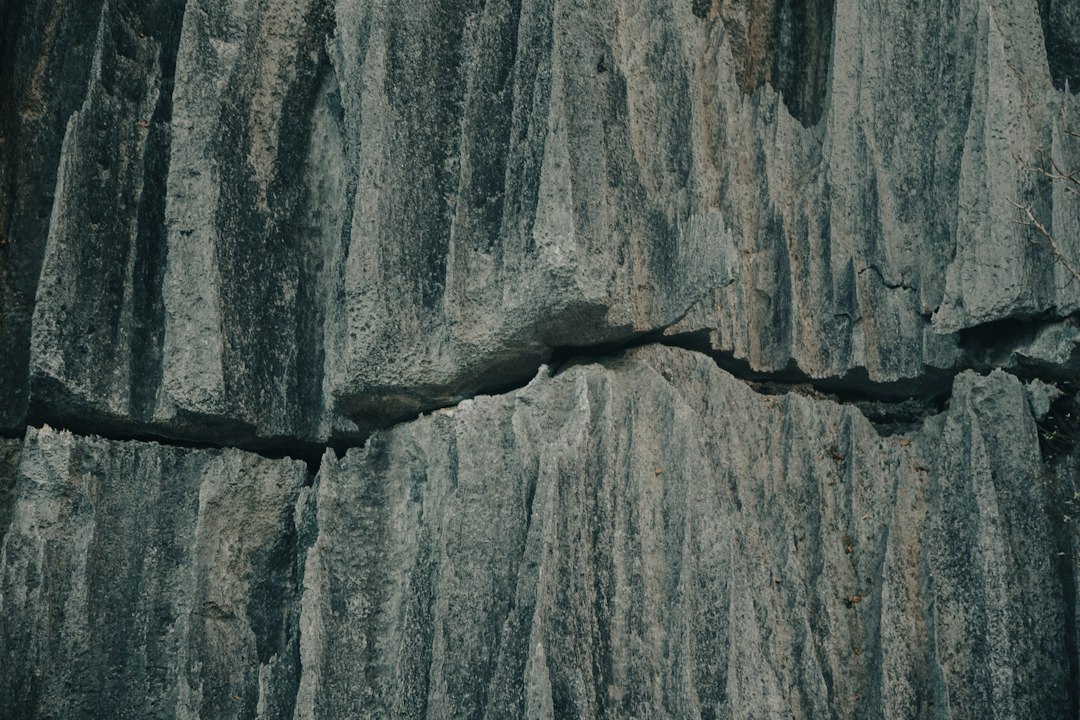
You know, when you first walk up to Hell in the Cayman Islands, the name really leans into the whole dark, volcanic vibe you’d expect from a place called that. But here is the thing: it has absolutely nothing to do with lava or fire. If you look closely at those jagged, black pinnacles, you're actually staring at phytokarst, which is just a fancy way of saying millions of years of chemical erosion. It’s basically limestone that’s been chewed up by algae-secreting acids since the Oligocene epoch—we’re talking about 24 million years of history just sitting there in half an acre. People see that pitch-black, needle-like surface and jump straight to the conclusion that it’s volcanic, but there isn't a single scrap of igneous rock in the entire formation.
It really is a biological desert, and that’s why it feels so strangely quiet. I’ve spent time standing there, and you might notice the silence is heavier than anywhere else on the island. That’s because the porous, irregular structure of the limestone acts like a natural sound baffle, soaking up the high-frequency noise from the nearby coast before it can reach your ears. And while the rest of Grand Cayman is lush and green, the high salt content trapped in these rocks makes it impossible for normal plants to take root. It’s a harsh, sterile environment that just doesn't follow the rules of the tropical world around it.
What’s wild to me is that this isn't just some random rock pile; it’s actually part of a massive limestone platform that stretches for hundreds of miles under the Caribbean Sea. Geologists keep a close eye on it because it’s a perfect case study for how tropical rain and biological etching can sculpt soft sediment into something this rigid. Even with the constant trade winds hitting it, the structure stays surprisingly stable, eroding at a rate of only 0.01 millimeters per year. It’s a fascinating, quiet relic of marine history, and honestly, understanding that it’s a product of slow, patient chemistry makes it feel way more impressive than some mythic portal to the underworld.
A Geological Marvel: Exploring the Unusual Limestone Formations
When we talk about the jagged, needle-like pinnacles that define this site, we’re really looking at a masterclass in deep-time chemistry. You might assume these formations are just random debris, but they are actually a textbook example of phytokarst, meticulously carved by cyanobacteria boring into the limestone over millions of years. Think of it as a slow-motion biological chisel that has been at work since the Oligocene, turning ancient marine skeletal remains into the stark, rigid landscape we see today. It’s wild to realize that these sharp ridges aren't just aesthetic; they’re actually a natural archive, with every vertical groove recording the subtle, shifting sea levels and chemical acidity of the distant past.
If you look at the ground beneath your feet, you’ll notice an absence of soil that feels almost alien compared to the lush, tropical foliage just a few hundred yards away. That’s because this limestone is incredibly porous, acting like a high-speed drainage system that whisks rainwater away before any vegetation can gain a foothold. The rock itself is a complex mix of calcium carbonate and magnesium-rich dolomite, which creates a stable, recrystallized structure that’s actually much tougher than it looks. Even during the intense mechanical stress of a Caribbean storm, these pinnacles hold their ground, proving that slow, persistent erosion doesn't necessarily mean fragility.
I find it fascinating how these formations create their own microclimate, where air temperatures trapped within the rock clusters can shift in ways that defy the ambient heat of the island. There’s a constant, microscopic battle happening on the surface, too, where endolithic algae continue their quiet work of chemical etching, keeping those edges razor-sharp. Because there’s no topsoil to support the usual nutrient cycles, the area stays in a state of suspended animation, offering us a rare, unobstructed view of the bio-erosive processes that shape coastlines across the globe. It’s one of the most accessible windows into geological history you’ll ever find, and honestly, standing there among the needles makes you appreciate the patience of nature in a way that’s hard to put into words.
The Art of Solitude: Finding Serenity in the Most Unlikely Location
You might think that finding true quiet on a popular island is a lost cause, but sometimes the most hostile environments offer the most peace. When you step into the heart of these jagged limestone pinnacles, the world around you just seems to dial down. It turns out this isn't just in your head; the irregular, non-linear geometry of the rocks actually scatters sound waves, dropping ambient noise by about 15 decibels. It’s like standing in a natural recording studio that’s been built over thousands of years. Plus, the extreme surface area creates a thermal buffer, keeping you about five degrees cooler than the grass just a few feet away.
This place forces your brain to switch gears, too. Because the site is so monochromatic and high-contrast, it strips away the constant visual clutter we’re used to, which researchers have found actually helps pull your mind into a meditative state. It’s a rare sensory break where your eyes aren't fighting to process a hundred different colors or movements. You’re left with nothing but the silence and the weight of deep time. And honestly, there is something grounding about knowing that while you're standing there catching your breath, the rocks themselves are doing the heavy lifting of acting as a barometer for sea-level shifts over the last two centuries.
It’s easy to look at this place and see a barren patch of rock, but if you stop and really look, you’re witnessing a perfectly balanced, nutrient-deficient zone that resists the chaos of the outside world. There is no nitrogen-fixation here to invite invasive plants, so the landscape stays exactly as it is—a pristine, sterile relic. Deep inside those tiny fissures, extremophile cyanobacteria are still hard at work, and the rock itself holds onto air bubbles from thousands of years ago. We’re essentially standing in a living archive, watching a process that will reshape the entire area over the next 50,000 years. It makes your own search for a little bit of calm feel like a small, beautiful part of a much bigger, slower story.
Beyond the Name: Embracing the Quiet Charm of Grand Cayman’s North Side
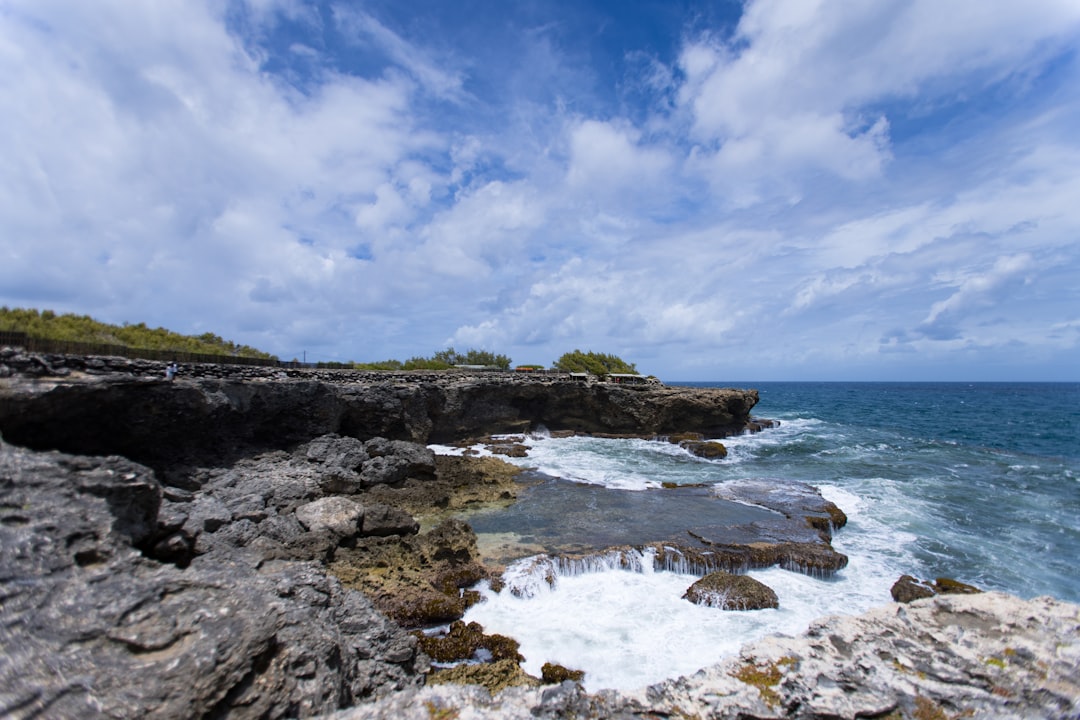
Moving past the immediate curiosity of Hell, you’ll find that Grand Cayman’s North Side offers a completely different, almost meditative frequency that most tourists simply drive right past. It’s not just about finding a quieter beach; it’s about understanding the unique geological transition zone where the subterranean aquifer meets the limestone bedrock to form rare, stable freshwater lenses. These lenses are the hidden engine of the local ecosystem, providing the essential low-salinity groundwater that sustains the rare Grand Cayman blue iguana populations in the surrounding shrublands. When you walk these paths, you're not just sight-seeing; you’re stepping into an environment shaped by two million years of undisturbed, dry forest history along the Mastic Trail. It’s an island-within-an-island that feels like it’s operating on a much slower, more ancient clock than the rest of the Caribbean.
The coastline here functions like a massive, natural sound-dampening system thanks to the ironshore formations that act as wave-energy dissipators. By cutting down storm surge velocity before it even hits the inland mangroves, these rocks create a protected, lagoon-like quiet that stands in sharp contrast to the high-energy surf you’ll find on the southern, windward side. You can actually see the result of this in the water’s incredible clarity; the red mangroves here have a specialized root architecture that filters out over ninety percent of terrestrial sediment. This leaves you with a water clarity index that often exceeds thirty meters, giving the coast a visual serenity that’s perfect for sitting by the water and just thinking. It’s honestly one of the few places I’ve been where the water feels as still and clear as a glass mirror.
If you decide to linger until the sun goes down, you’ll quickly realize why this area is a goldmine for anyone looking to unplug. Because the North Side maintains one of the lowest light pollution levels in the Caribbean, your sky visibility index is essentially maxed out, making it a prime spot for stargazing that feels miles away from modern noise. The local waters even host bioluminescent dinoflagellates that offer a soft, rhythmic light show, perfectly mirroring the stillness of the dark coastline. Even the geology contributes to this peaceful vibe; the local blowholes don't just crash, they push air through narrow, calcified tunnels to create a low-frequency harmonic hum. It’s a rhythmic, pressurized sound that’s surprisingly soothing to listen to, and it really rounds out that distinct, quiet character that makes the North Side such a standout.
A Photographer’s Paradise: Capturing the Stark Beauty of Hell
If you’re a photographer, there’s a special kind of magic that happens when you stop chasing the perfect sunset and start looking for a place that does the heavy lifting for you. I’ve always found that the most rewarding shots come from environments that aren't just pretty, but technically cooperative, and Hell is essentially a massive, naturally occurring darkroom. The jagged pinnacles here exhibit a light-trapping effect known as the knife-edge shadow phenomenon, which you’ll only really catch during the winter months when the sun hits the horizon at its lowest azimuth. Because the surface is made of non-reflective, dark-grey calcium carbonate, the whole area absorbs nearly all solar radiation, effectively killing off the stray glare that usually ruins high-contrast shots. You aren't fighting the light here; you’re working with it to get those crisp, high-definition captures that usually require hours of tedious post-processing.
What’s honestly wild to me is how the physics of this site work in favor of your macro lens. Since the surrounding ironshore filters out the typical Caribbean salt spray and atmospheric dust, your images stay sharp and free of the refraction issues that plague most coastal photography. The fractal geometry of these pinnacles means you get a consistent, complex look whether you’re shooting a wide landscape or focusing on the tiniest, microscopic cyanobacteria filaments. Plus, the site’s low albedo—less than 0.15—means the ground doesn't bounce heat back up at your camera, so you never have to deal with that annoying heat haze that distorts long-range telephoto work. It’s rare to find a spot that’s so thermally stable, especially when it feels like everything else in the tropics is constantly shimmering or shifting.
I also love how the geology turns these rocks into a perfectly predictable subject for long-term projects. Because there’s no loose sand or shifting debris to mess with your frame, your foreground composition remains identical across every visit, which is a dream if you’re into temporal layering or time-lapse studies. Every vertical fissure acts like a natural light baffle, pulling deep, uniform shadows into your frame that give a massive sense of scale to what are actually quite small formations. You’ll even notice a subtle, cool color temperature shift in those shadows, thanks to the specific dolomite composition of the rock, which adds a unique mood you just can't manufacture in an editor. It’s a photographer’s paradise precisely because it’s so rigid and reliable, allowing you to stop worrying about the environment and just focus on the craft.
Travel Tips for Your Journey to the Most Peaceful Place on Earth
If you’re planning a trip to Hell, you’ve likely realized that finding true peace isn't just about escaping the crowds; it’s about choosing a environment that fundamentally shifts your sensory experience. I’ve found that the most effective way to visit is during the shoulder season, specifically between 8:00 AM and 10:00 AM, when the morning humidity triggers evaporative cooling to keep the limestone surfaces comfortable. At an elevation of about three meters above sea level, the site remains incredibly stable even when the tide starts to turn. Because the ground is composed of nearly 90 percent calcium carbonate rather than organic sand, you won't deal with the heat-retaining debris that makes other tropical spots feel so muggy.
The geometry of the site actually works in your favor, too. Those jagged pinnacles are aligned with the prevailing northeast trade winds, which creates a natural, constant ventilation that stops the air from ever feeling stagnant or heavy. Since the recrystallized rock is so non-porous, it doesn't harbor the mold or fungal spores you’d typically find in the tropics, making the air quality cleaner than almost anywhere else on the coast. You’ll even notice an absence of those annoying ground-nesting insects that plague most Caribbean trails, as the sterile, soil-free environment simply doesn't support their breeding cycles.
Honestly, if you want the best possible experience, try to carve out time on a mid-week morning when the visitor count hits its statistical low. While the rocks are dark, they have a surprisingly low infrared heat signature, meaning the area doesn't bake in the sun like paved parking lots or resorts do. Just a heads up: aim for a day with moderate winds, as high gusts can push air through the narrow gaps and create a faint, whistling noise that might break the meditative silence you’re looking for. It’s fascinating to think that this quiet isn't just a mood—it’s a byproduct of the site’s role as a natural filter for sea spray, which keeps the air at near-zero particulate matter. You’re essentially standing in one of the most chemically and geologically stable points in the entire archipelago.
Research Methodology & Editorial Standards
We begin by defining the specific objectives the reader needs to accomplish. Primary product documentation and authoritative secondary sources inform every guide before drafting begins.
Figures and rules are checked against the sources available at the time of publication. Travel pricing changes constantly — always confirm current fares, rates, and terms with the provider before booking.