
Why Dominica is the Caribbean island you need to visit in 2026
If you’ve been keeping an eye on the Caribbean travel scene lately, you’ve probably noticed that Dominica—the "Nature Island"—has quietly transformed from an off-the-beaten-path secret into the region’s most compelling success story.
The Nature Island Emerges: Why Dominica is the Caribbean’s Fastest-Growing Destination
If you’ve been keeping an eye on the Caribbean travel scene lately, you’ve probably noticed that Dominica—the "Nature Island"—has quietly transformed from an off-the-beaten-path secret into the region’s most compelling success story. I’ve been tracking the data coming out of 2026, and frankly, the numbers are hard to ignore, especially since the island is currently outpacing almost every other destination in terms of growth. It isn't just a random spike, either; we’re looking at a deliberate, structural shift toward high-end eco-tourism that feels entirely different from the typical resort-heavy models we see elsewhere. Think about it: instead of racing to build massive, high-density concrete complexes, Dominica is betting everything on its unique topography and climate-resilient infrastructure. It’s a bold move that is clearly paying off for travelers who want something authentic without sacrificing comfort.
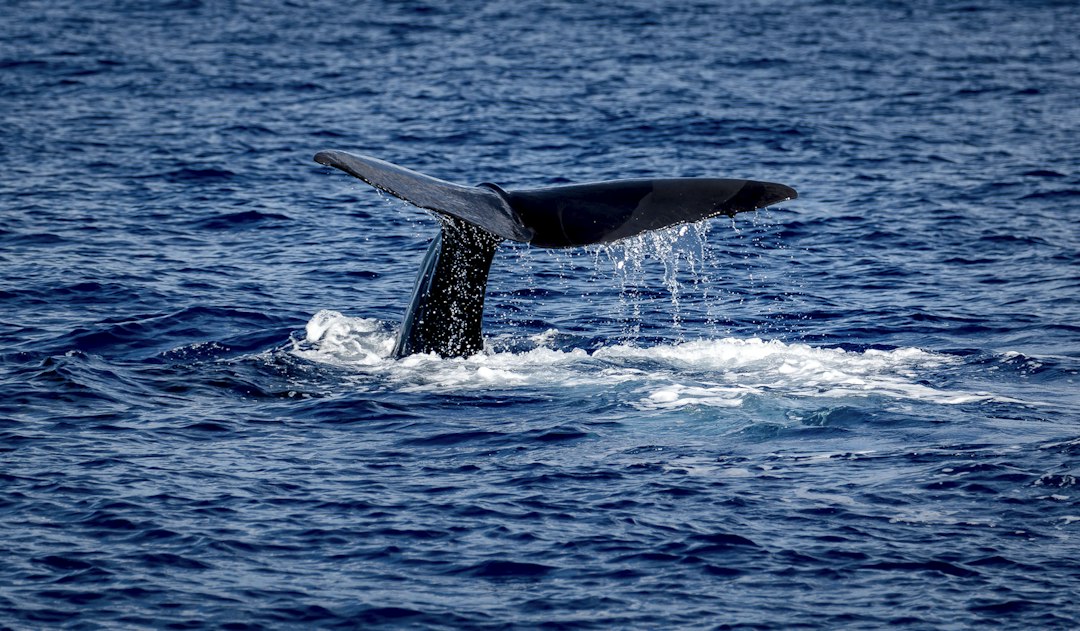
Let’s pause for a moment to reflect on why this matters right now. The island’s commitment to being the world’s first climate-resilient nation means that every new project is designed to withstand extreme conditions, which honestly gives you a lot of peace of mind when you’re planning a trip to a region often hit by storms. And it’s not just the policy side of things—it’s the sheer geography. With over sixty percent of the island blanketed in primary rainforest and hundreds of rivers carving through the landscape, you’re getting a deep, immersive experience that feels a world away from the manicured lawns of more commercialized islands. I’m particularly impressed by how they’ve handled their marine resources, specifically that permanent sperm whale sanctuary just offshore, which is a rare, high-value draw that you just can't replicate anywhere else in the Atlantic.
But here is where the research gets really interesting for those of us who track market trends. We’ve seen a massive surge in demand from South American markets—specifically Argentina and Peru—with premium travel numbers doubling in just a year. This growth is being fueled by a much smarter, more connected regional flight network that finally makes getting to Dominica feel seamless rather than an exhausting trek. Even with this spike in visitors, the island is managing to keep its average daily rates high, which tells me that they are attracting the right kind of traveler: someone who values preservation over mass-market volume. Honestly, it’s refreshing to see a destination successfully prioritize quality over scale, and if you’re looking to travel in 2026, it’s a strategy that makes Dominica feel like the smartest place to park your vacation time.
Beyond the Beaches: Unspoiled Landscapes, Volcanic Peaks, and Hidden Waterfalls
When you move beyond the coastline, you really start to see why Dominica occupies such a unique position in the Caribbean. I think it’s the geology that surprises people most; you aren't just looking at another tropical backdrop, but a living, breathing volcanic laboratory. Take the Morne Trois Pitons National Park, for example, where you’ll find the Boiling Lake—the second-largest flooded fumarole on the planet. It’s sitting there at nearly 200 degrees, perpetually wrapped in steam, which is a stark reminder of the nine active volcanoes still shaping the island’s core. It’s a bit humbling to stand near that kind of raw, geothermal power, especially when you contrast it with the standard, manicured beach experience you find on other islands.
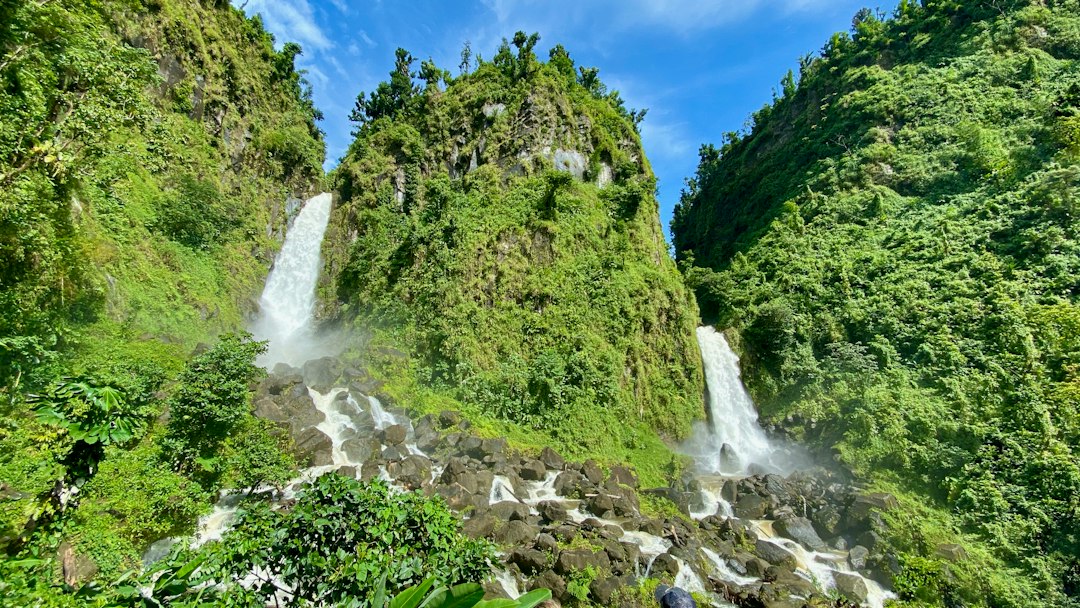
If you’re the type of traveler who gets restless sitting on a lounge chair for more than an hour, the interior is where you’ll actually find your rhythm. With 365 rivers cutting through the landscape and thousands of plant species thriving in the high-altitude rainfall, the biodiversity here is frankly staggering. I’d argue the highlight has to be the Middleham Falls, where you’re dropping 200 feet into a freezing pool that feels a million miles from the humidity of the coast. And for those who prefer to traverse the terrain on foot, the 115-mile Waitukubuli National Trail is a total outlier in the region; it’s the only path that spans the entire length of a sovereign Caribbean nation, offering a physical connection to the landscape that you just can't get from a tour bus.
Even the marine environment feels like a different planet, particularly at Champagne Reef, where geothermal vents bubble up through the seafloor. Swimming through that is exactly what you’d imagine—it’s like being inside a glass of sparkling wine, and honestly, it’s one of the few places where the underwater reality actually lives up to the marketing hype. You also have these distinct black sand beaches at Mero and Macoucherie that serve as a visual, tangible contrast to the typical white coral sands elsewhere. It’s a rugged, geologically active environment that forces you to engage with nature rather than just observe it from a distance. If you’re planning your trip for 2026, my advice is to skip the standard itinerary and spend at least three days trekking the interior; the contrast between those misty, temperate highlands and the volcanic vents below is exactly what makes this place so special.
An Adventurer’s Paradise: Exploring the Best Hiking Trails and Eco-Tourism Hotspots
If you’re the type of traveler who views a vacation as a chance to actually stretch your legs and engage with a landscape rather than just staring at it from a cabana, let’s talk about why Dominica is currently in a league of its own. It isn't just that the hiking is world-class; it’s that the entire island functions as a high-altitude laboratory where you’re constantly shifting between distinct microclimates. One minute you’re trekking through dense cloud forests home to the rare Sisserou parrot, and a few miles later, you’re in a dry, scrub-like highland that feels like an entirely different hemisphere. I’ve found that most people don’t realize how much the island’s verticality—driven by that orographic lift—actually dictates the rhythm of your day, ensuring those 365 rivers stay fed and the canopy stays impossibly lush.
And honestly, there is a certain weight to walking the Waitukubuli National Trail that you just don't get on commercialized paths. Because sections of this route follow ancient tracks carved by the indigenous Kalinago people, you’re physically moving through layers of history that predate colonial maps. It’s not just a walk; it’s a connection to the island’s core. When you pair that with the fact that the rivers here are some of the cleanest in the Caribbean, largely thanks to a local resistance to industrial farming, the water you’re cooling off in at the end of a hike actually feels pristine in a way that’s becoming rare globally. It’s that kind of environmental integrity that makes the eco-tourism here feel authentic rather than just a branding exercise.
But what really grabs me as someone who looks at the data is the sheer scientific curiosity packed into these volcanic zones. You have extremophile bacteria in the thermal springs that researchers are studying for biotech applications, and if you head to the coast, you realize the deep-water shelf is a perfect acoustic trap for the resident sperm whales. Most destinations are content to just sell you a view, but here, the geography is so active that you’re essentially visiting a living, breathing geological event. If you’re coming in 2026, my advice is to pack for both the humidity of the rainforest and the chill of the peaks. You’re going to be moving between these ecosystems constantly, and that variability is exactly what’s going to make your trip feel like a genuine expedition rather than a standard holiday.
Sustainable Luxury: How the Island is Leading the Way in Conscious Caribbean Travel
When we talk about sustainable luxury, it’s easy to get lost in marketing fluff, but what’s happening in Dominica right now is different because it’s rooted in actual engineering rather than just good intentions. Let’s look at the island’s energy grid; they’re tapping directly into their volcanic core to hit near-total renewable electricity by the end of 2026, which honestly puts most major tourism hubs to shame. You’re also seeing high-end lodges built from local hardwoods and volcanic stone that aren’t just aesthetically pleasing, but carbon-neutral by design. It’s a total rethink of how a resort should interact with its environment, moving away from high-density concrete toward structures that respect the natural topography.
And if you’re wondering how they handle the day-to-day footprint of hosting visitors, the answer lies in their closed-loop water systems and strict bans on single-use plastics. Many of these properties are using clever rainwater harvesting tech that funnels directly into their purification cycles, while others are leveraging deep-sea thermal cooling to skip energy-heavy air conditioning entirely. It’s fascinating to see them integrate traditional Kalinago architectural wisdom—using natural airflow to keep spaces cool—with modern, low-impact infrastructure. You aren't just staying in a hotel here; you’re engaging with a system that actually prioritizes the island's long-term health over short-term convenience.
But the real, tangible impact shows up in how they treat the local ecosystem, especially when you compare it to the standard Caribbean model of growth. They’ve mandated fifty-meter vegetative buffers around all riverbanks to stop erosion, and their agriculture has shifted to high-yield organic permaculture to feed resorts without relying on imported goods. Even the marine management is rigorous, with seasonal boat traffic rotations designed specifically to protect the sperm whale population from acoustic stress. I think it’s this combination of scientific monitoring and hard policy that makes Dominica a standout; they’re proving that you can offer a premium experience while maintaining a genuine, functioning biological corridor. It’s a blueprint for the future of travel that I really hope other islands start to pay attention to.
Dominica’s Cultural Pulse: Authentic Experiences Away from the Tourist Crowds
If you’re looking to get beneath the surface of the Caribbean, you have to look past the manicured resorts and head straight for the Kalinago Territory on the windward coast. It’s the only place in the region where an indigenous population has held onto their land in a communal trust since the pre-colonial era, and walking through those 3,700 acres feels like stepping into a living, breathing history that hasn't been polished for a brochure. You’ll see it in the architecture, where the craftsmanship is still heavily inspired by ancient Arawak techniques, and you’ll hear it in the local Kweyol—a fascinating linguistic blend of French, African, and indigenous roots that you honestly won’t find anywhere else. It’s not just a language; it’s a living record of three distinct ancestries evolving together, and seeing locals document rare, archaic phrases that have vanished from the rest of the Lesser Antilles is a powerful reminder of how much culture is still thriving here.
But the real, unfiltered heartbeat of the island is found in the communal traditions that govern daily life, like the concept of Coudemain. It’s this rigid, informal system of neighbors helping neighbors with everything from roof thatching to harvesting, and it’s arguably the reason the island’s social fabric remains so resistant to the cold, individualistic trends we see in modern tourism. You see this same spirit in the Jing Ping bands, where the music—driven by accordions and boom-pipes—doesn't happen on a stage, but in spontaneous, backyard gatherings that prioritize connection over performance. It’s a stark contrast to the electronic, commercialized sounds you might expect elsewhere, and honestly, standing in the back of a village gathering while listening to rhythms that feel pulled straight from the earth is an experience that stays with you.
Then there’s the food and the medicine, which are so deeply connected to the volcanic soil that it feels like the island is literally feeding the culture. You’ll find Rastafarian farmers running Ital markets that serve as informal gene banks for heirloom seeds, keeping agricultural history alive while providing the freshest produce you’ve ever tasted. It’s a grounded way of living, especially when you consider that rural families still catalog over 200 species of medicinal plants for their own daily healthcare. Even the crafts feel like a direct extension of the environment; when you watch an artisan weave Larouma reed into a waterproof basket, you realize it’s not just skill—it’s an intimate knowledge of the lunar calendar and the life cycle of the plant itself. It’s this kind of quiet, expert-level authenticity that defines Dominica, and if you’re looking for a trip that actually changes your perspective, you’ll find it in these small, local rituals rather than anywhere else.
Planning Your 2026 Trip: Essential Travel Tips and Logistics for the Nature Island
If you’re starting to map out your trip for 2026, we should look at the logistics first because Dominica isn't your average Caribbean hop. The Douglas-Charles Airport has a 5,774-foot runway, which is a hard constraint that keeps those massive commercial jets away and preserves the island’s quiet, low-density vibe. You’ll likely connect through St. Maarten, where you’ll hop onto smaller aircraft built for this specific topography. Once you land, keep in mind that the electrical grid runs on 220-240V, so don't forget to pack your voltage converters alongside your standard plug adapters if your gear isn't dual-voltage. And while the Eastern Caribbean Dollar is the local currency, you’ll find that the fixed exchange rate of 2.70 XCD to 1 USD makes budgeting feel surprisingly stable and straightforward.
When you’re packing, I really want you to think in layers. Even though you’re in the tropics, that orographic lift effect means the interior cloud forests can dip down to 65 degrees at night, and you’ll definitely regret it if you only bring summer weight clothes. You’ll also want to ditch the plastic water bottles immediately, as the island’s 365 rivers provide a mineral-rich supply that’s perfectly safe to drink right from the tap. If you’re planning to explore, realize that while 5G is available, the mountains create a lot of signal dead zones, so downloading offline maps is a pro move that will save you a massive headache when you’re navigating the interior.
Let’s talk safety and structure, because this is where a little research goes a long way. If you have your heart set on hiking to the Boiling Lake, remember that you’re legally required to hire a certified guide, which is a good thing since that volcanic terrain is constantly shifting and honestly quite dangerous to navigate alone. The Waitukubuli National Trail is another beast entirely, split into 14 segments with wildly different intensity levels, so check your fitness level against the specific route before you commit. Even when you’re out on the water, the rules are there for a reason—vessels in the sperm whale sanctuary are capped at 10 knots to protect the whales from acoustic stress. It’s this kind of mindful infrastructure that makes the island special, but it definitely means you have to be a bit more deliberate with your daily schedule than you would be on a typical beach vacation.
Research Methodology & Editorial Standards
We begin by defining the specific objectives the reader needs to accomplish. Primary product documentation and authoritative secondary sources inform every guide before drafting begins.
Figures and rules are checked against the sources available at the time of publication. Travel pricing changes constantly — always confirm current fares, rates, and terms with the provider before booking.