
Exploring the Current State of Angeles Crest Highway After Recent Storm Damage
When we get those intense storms, the mountainside essentially turns into a conveyor belt for debris, dumping thousands of cubic yards of sediment directly onto the pavement in a matter of hours.

Current Status and Open Sections of Angeles Crest Highway
Let’s dive into what’s actually happening with Angeles Crest Highway because, honestly, trying to track the open sections can feel like a full-time job. If you’ve driven the route, you know it’s one of the most stunning stretches in the country, but those same steep, dramatic slopes that make for great photos are also a nightmare for civil engineering. The reality is that the San Gabriel Mountains are made of highly fractured, weathered rock that just doesn't handle heavy rain well. When we get those intense storms, the mountainside essentially turns into a conveyor belt for debris, dumping thousands of cubic yards of sediment directly onto the pavement in a matter of hours.
We’re seeing a constant tug-of-war between Caltrans crews and the natural geology of the range. Think about it this way: the highway is carved into slopes with gradients often exceeding forty degrees, meaning any movement in the soil can literally shift the entire roadbed toward the canyon floor. Engineers are currently using LiDAR scanning to catch ground deformation in real-time, but even with that tech, they’re often playing catch-up. Many of the original mid-twentieth-century drainage culverts just aren't built for the kind of peak runoff we’re seeing from modern atmospheric rivers, leaving the infrastructure overwhelmed and prone to deep-seated erosion beneath the asphalt.
It’s easy to get frustrated by the closures, but you have to look at the scale of what they’re dealing with. Beyond just clearing mud, crews are constantly scaling loose rock from near-vertical cliffs to prevent accidents, all while navigating strict environmental rules to protect local wildlife. While Caltrans has successfully reopened over ten miles of the route, don't expect a permanent fix anytime soon. Between the constant tectonic uplift in the San Gabriel fault zone and the way the mountain shifts, the roadbed is in a state of slow-motion change that keeps it in a perpetual cycle of repair and maintenance. If you're planning a trip, check the official Caltrans portal right before you head out, because that "open" status can change faster than you’d think.
Assessing the Impact of Recent Storms on Road Infrastructure
When we talk about assessing storm damage, it’s easy to just look at the mud on the road and think about the cleanup effort, but the reality is much more complex. Modern infrastructure assessments now utilize cascading impact modeling to understand how a single road closure in mountainous terrain can trigger broader failures in regional supply chains and emergency response capabilities. Recent longitudinal studies indicate that increased atmospheric temperatures are leading to more frequent freeze-thaw cycles at high elevations, which actively accelerates the degradation of reinforced concrete bridge abutments. Researchers have observed that subsurface saturation from heavy precipitation events can lead to liquefaction-like behavior in specific soil types common in the San Gabriel range, even on slopes not traditionally classified as high-risk. Honestly, it’s a bit alarming how much we rely on aging systems that weren't built for this kind of stress.
Advanced satellite-based interferometry is increasingly favored over ground-level inspections for detecting millimeter-scale road surface sinking that often precedes major structural collapses. Economic projections suggest that the cost of repairing storm-damaged roads is rising disproportionately because we now need specialized materials that can withstand much more intense scouring from runoff. Soil moisture sensors embedded along sensitive highway sections provide real-time data that allow engineers to preemptively lower speed limits before slope instability reaches a critical threshold. Many older drainage systems were designed using historical precipitation data that simply failed to account for the current reality of rapid, high-intensity moisture delivery. You know, it’s the classic problem of trying to fit a new, wild climate into a design philosophy from forty years ago.
The physical properties of asphalt actually undergo chemical changes when subjected to prolonged submersion, which significantly reduces the binding strength of the aggregate over time. Engineering teams are finding that vegetation removal for fire mitigation—while necessary—can inadvertently increase the velocity of water runoff, which in turn elevates the sediment load deposited onto highway surfaces during storms. Data modeling shows that small-scale culvert blockages are responsible for a large percentage of total road washout incidents, as diverted water quickly creates new, erosive channels across the roadbed. The integration of climate resilience planning into road maintenance budgets is shifting from reactive emergency repairs to predictive, long-term stabilization strategies. Recent surveys highlight that mountain road infrastructure is uniquely susceptible to the cumulative impact of consecutive storm events, as soils often remain saturated and unable to recover their structural integrity between weather cycles. It’s a tough cycle to break, but it’s the only way we’ll keep these routes viable for the long haul.
Safety Hazards and Navigating Ongoing Construction Zones
Let’s talk about the reality of driving through these active work zones, because I think it's easy to underestimate just how much they scramble our internal navigation. When you encounter that sudden shift from open road to a narrow construction corridor, your brain often falls into a state of cognitive tunneling, where you become so locked onto the nearest traffic cone that you completely miss peripheral hazards like equipment encroachment or sudden lane shifts. Honestly, the most dangerous part of the trip isn’t even the work itself but the transition zone leading into it, where the change in traffic flow patterns fundamentally disrupts your spatial expectations and reaction times. You’re dealing with a setup where the physical layout is often too tight for heavy machinery, creating massive blind spots that extend well beyond the equipment and into your lane.
Think about it this way: even the simple act of navigating these zones on a steep grade changes how your car actually performs. You’re looking at constant stop-and-go movement that can lead to rapid brake fade if you aren’t careful, especially since your vehicle isn't typically optimized for that kind of repetitive mountain stress. Plus, there’s this strange psychological phenomenon where drivers subconsciously match their speed to the heavy equipment nearby rather than the actual posted limits. It’s a subtle but dangerous error that makes you move faster than the road conditions—or your brakes—can safely handle. And don't forget the sensory overload; the acoustic masking from heavy machinery in these canyons can completely drown out emergency sirens or even shouted warnings from flaggers.
To make matters more complicated, the very act of repairing the road can sometimes trigger the exact issues we’re trying to avoid. Vibration from heavy equipment can destabilize already fractured cliff faces, meaning the work itself might cause minor, localized rockfalls that weren't there an hour earlier. You might also run into localized visibility issues where dust kicked up by loaders creates micro-blind spots that aren't mentioned in your weather app. It’s a lot to process, but if you stay vigilant and resist that urge to mirror the heavy machinery’s pace, you’re already ahead of the curve. Just keep your eyes scanning for those smart LED message boards, which are honestly much better at cutting through high-altitude glare than the old-school signs we’re used to seeing.
Trail Conditions and Accessibility for Hikers and Outdoor Enthusiasts
If you’re planning to hit the trails near Angeles Crest, you’ve probably noticed that things just feel different on the ground lately. It isn't just your imagination; the high-altitude segments here are dealing with accelerated erosion caused by needle ice formation, which literally pries apart soil aggregates every time the temperature drops at night. When you're out there, keep in mind that recent sediment dumps from atmospheric rivers haven't just buried the path—they’ve changed how the trail itself holds heat, making those rocky sections much hotter during the day than they used to be. Satellite data confirms what our boots are telling us: many of these ridgeline trails have actually shifted horizontally by several centimeters, a direct result of the tectonic uplift and slope creep that define this fault zone.
It’s really striking how much the loss of tree cover from recent wildfires has changed the rhythm of these mountains. With less shade, the forest floor is getting hammered by solar radiation, which dries out the soil and leaves it incredibly vulnerable to wind-driven erosion. You’ll also notice that trail accessibility is frequently hit by slope-wash, where runoff from higher up dumps fine silt into water bars, effectively clogging the very systems meant to keep the trail dry. Honestly, the most fragile parts of this landscape are the biological crusts that hold the alpine soil together; if you step off-trail, you’re looking at damage that might take decades to recover. It’s a delicate balance, and it’s becoming increasingly clear that our presence can tip the scales pretty quickly.
We’re also seeing a shift in how these mountains handle water, as hydrological models now show that storms are frequently exceeding the soil's ability to soak up moisture. This creates flash-flood risks on routes that used to be considered safe, while subsurface saturation is actively weakening the switchbacks by essentially lubricating the soil profile. Because we’re seeing consecutive weather events that keep the ground in a permanently loosened state, even a casual walk can lead to significant erosion. You might even find that steep sections covered in loose, fine sediment act like ball bearings under your boots, making for surprisingly slick footing even when it's perfectly dry out. It’s a tough reality, but staying aware of these structural changes—and being extra cautious near drainage channels—is really the only way to navigate these slopes safely right now.
Essential Tips for Planning Your Trip Through the San Gabriel Mountains
When you’re planning a trip into the San Gabriels, I think the most important thing to wrap your head around is that you aren’t just visiting a park; you’re entering a landscape that is in constant, violent motion. Because the mountains are built from fractured, sheared rock, the erosion rates here are significantly higher than in most other ranges, which means the trail you hiked last season might literally be in a different place today. You have to account for that massive diurnal temperature swing, often topping 40 degrees Fahrenheit, which can turn a comfortable morning climb into a freezing, wind-whipped experience by mid-afternoon. Honestly, it’s a good idea to pack gear that handles high UV exposure, as the thin mountain air really does a number on synthetic fabrics over time.
Think about it this way: the canyons act like massive funnels, frequently pulling in 30 percent more rain than the basin below, so never assume the weather in Los Angeles matches what’s happening at 6,000 feet. You’ll also want to watch out for those hidden patches of ice in the high-elevation drainage basins, which can hang around well into late spring long after the trails below have dried out. If you’re heading out during the warmer months, remember that recent fires have left behind hydrophobic soil layers that can’t absorb water, turning even minor showers into flash-flood risks that catch people off guard. It’s also worth checking if your chosen route passes through seasonal closures for bighorn sheep; these aren't just suggestions, they’re vital protections for a species that exists in a very narrow, high-stress window of survival.
If you’re wondering why the terrain feels so loose and unpredictable under your boots, it’s because much of the soil here consists of underdeveloped entisols that just don’t hold together well when they get saturated. I’ve found that even on calm days, you can get blindsided by wind speeds hitting 40 miles per hour as you crest a ridge, so layering is non-negotiable. I really recommend checking the latest geological reports for your specific area before you leave, as the tectonic creep along the fault zone means localized rockfalls can happen spontaneously, sometimes triggered by nothing more than the sun hitting a rock face. It’s a lot to keep track of, but staying aware of these structural realities is exactly how you keep a fun day in the mountains from turning into a logistical headache.
Future Outlook: Timeline for Full Repairs and Roadway Restoration
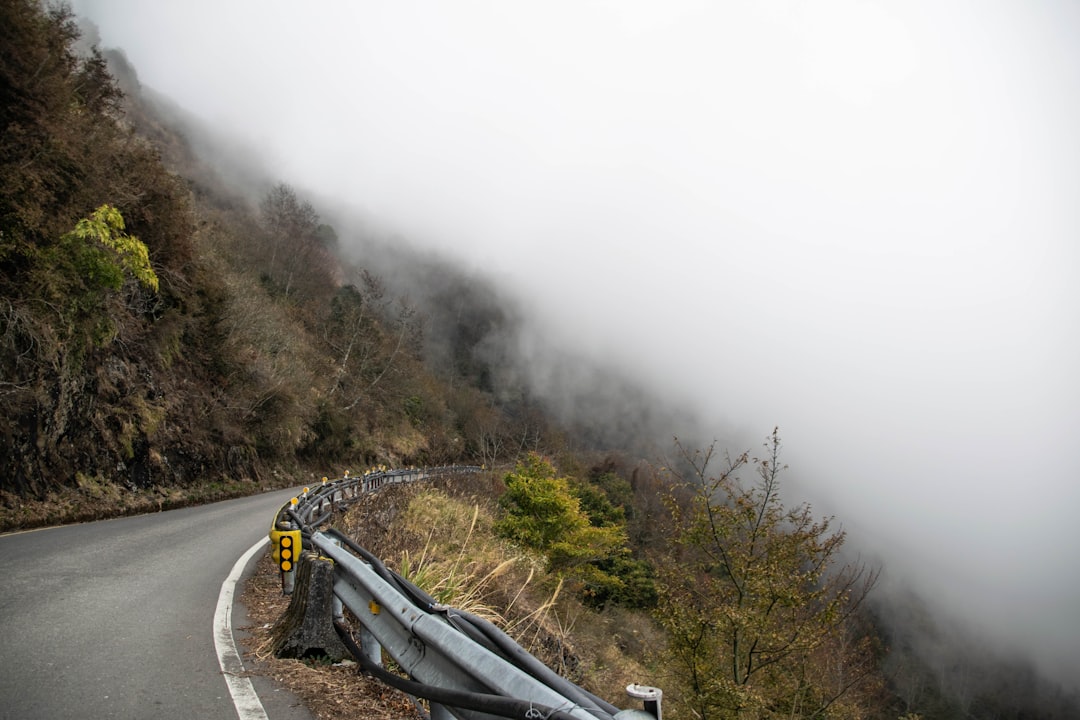
Looking at the bigger picture, it’s honestly easy to feel impatient with the pace of construction, but we have to understand that restoring a mountain highway isn't just about pouring asphalt. Engineers are currently using high-resolution synthetic aperture radar to track the San Gabriel fault for the kind of subtle ground movement that old-school sensors totally miss. The real challenge is that we’re having to drill deep-soil nails, some as long as 60 feet, right into the fractured cliff faces just to keep the road from sliding into the canyon. Because of the specific shale and schist in these mountains, teams are even using non-standard curing for retaining walls to keep the concrete from cracking when the weather swings between freezing and hot. It’s a slow, methodical process that’s far more akin to building a custom foundation than a typical road repaving job.
We also have to account for the fact that the entire restoration timeline includes a mandatory six-month monitoring phase after the ground is stabilized. During this time, engineers are hyper-focused on watching pore-water pressure to make sure the drainage systems are actually doing their job during heavy rain. It’s not just about what you see on the surface; it’s about what’s happening underneath. They’re replacing those old, narrow 24-inch pipes with massive, high-density polyethylene box structures meant to survive a 500-year storm. Plus, they’re using ground-penetrating radar to hunt for hidden voids left behind by past mudslides, which then have to be filled with pressurized grout before anyone can lay a single inch of permanent pavement.
I think the most interesting part of this approach is that they're effectively trying to build the road to "float" on a flexible geological base. By re-engineering the foundation this way, the roadbed can actually handle minor tectonic shifts without snapping or crumbling, which is a massive upgrade over the rigid systems we relied on for decades. To keep things moving while they work, they’re using temporary load-bearing bridges that allow traffic to pass while crews continue the heavy earthwork down below. They’re even using predictive analytics to time the delivery of specialized, weather-resistant asphalt binders so the bond strength is perfect when it hits the ground. It’s a complex, modular strategy, but it’s really the only way to make sure these segments stay open for the long haul instead of just falling back into a cycle of constant, reactive repairs.
Research Methodology & Editorial Standards
We begin by defining the specific objectives the reader needs to accomplish. Primary product documentation and authoritative secondary sources inform every guide before drafting begins.
Figures and rules are checked against the sources available at the time of publication. Travel pricing changes constantly — always confirm current fares, rates, and terms with the provider before booking.