
How Tarpon Springs Became A Little Slice Of Greece In Florida
This wasn't just a random migration; it was a targeted movement of maritime experts from islands like Kalymnos and Halki who brought a specific, high-stakes skill set to the Florida coast.
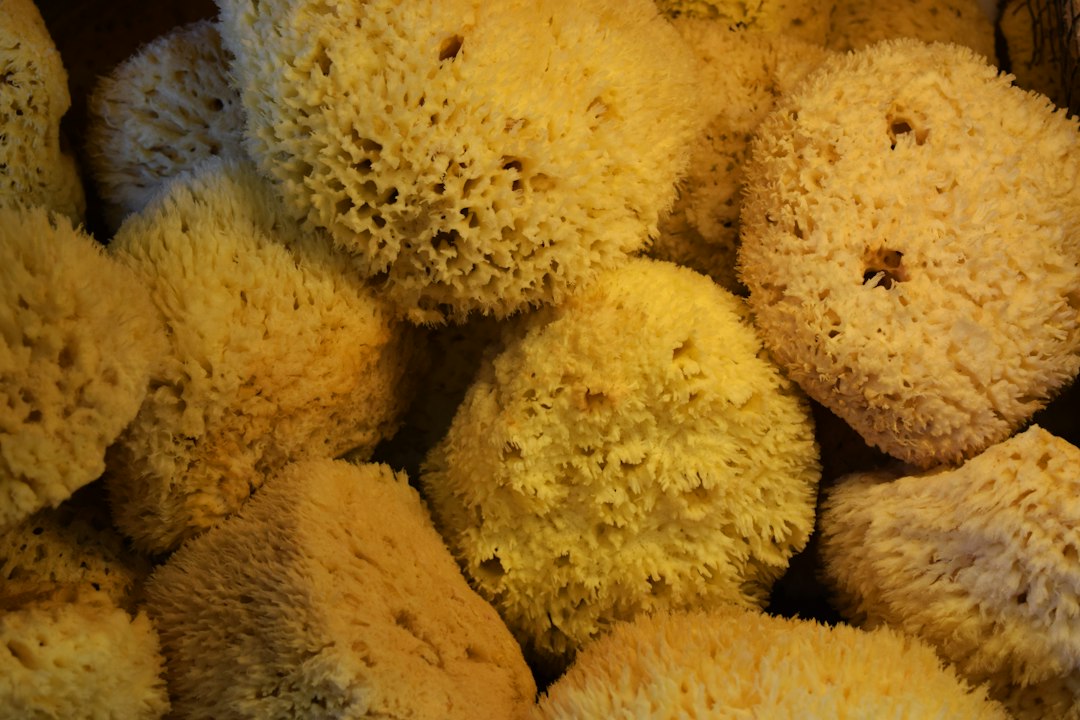
The Sponge Boom: How an Industry Built a Community
You know, when you look at the history of Tarpon Springs, it’s easy to just see a pretty tourist spot, but the reality is that the entire town was built on the back of a biological gold rush. Back in the early twentieth century, this place wasn't just a quiet coastal town; it was the sponge capital of the world, responsible for nearly ninety percent of the sponges sold in the U.S. at its peak. The real game-changer hit in 1905 when Greek divers brought over heavy, pressurized helmets that let them go way deeper than the old-school hook-and-pole method ever could. It’s wild to think that this shift didn't just boost output, but actually defined the local culture for generations to come.
What’s fascinating is how sustainable the traditional harvesting was compared to what you’d expect from a boom industry. Harvesters used a long pole with a three-pronged hook to grab sponges from the seafloor, which sounds simple but was actually brilliant because it left the root system intact. That one detail meant the sponges could regenerate, allowing the same spots to be harvested again just a few years later. It was a perfect balance with the Gulf’s specific temperature and salinity that allowed these organisms to thrive in the first place. You can really see why the economy exploded by the 1930s, creating a massive, independent fleet that eventually led to the creation of the Sponge Exchange.
But here is where the story gets a bit messy and human. By the late thirties, a mysterious blight almost wiped out the entire population, and then the late forties brought synthetic sponges that nearly finished the job. It’s a classic case of market disruption, and it forced the whole community to pivot from industrial dominance to heritage tourism just to survive. Yet, they never let go of their roots, keeping the seasonal blessing of the fleet alive even when the money dried up. Today, those natural sponges are still some of the most durable things you can find because of their unique protein structure, and honestly, the fact that this culture survived the transition is probably the most impressive part of the whole history.
From the Aegean to the Gulf: The Wave of Greek Immigration
When we talk about the history of Tarpon Springs, it’s easy to focus on the sponges themselves, but the real story is about the people who crossed an ocean to get here. This wasn't just a random migration; it was a targeted movement of maritime experts from islands like Kalymnos and Halki who brought a specific, high-stakes skill set to the Florida coast. Honestly, these divers were the backbone of the Mediterranean sponge trade for generations, and they arrived with an understanding of the sea that was practically unmatched. You have to imagine what it was like for them, moving from the clear, shallow waters of the Aegean to the complex limestone shelves of the Gulf, where they had to adapt their ancient navigational instincts to a completely new industrial environment.
The reality of their arrival was often grittier than the romanticized versions we hear today, as many men were initially bound by the padrone system, a rigid labor contract that felt a lot like indentured servitude. Most of them truly expected their time in Florida to be a temporary stint—just long enough to stack up some capital before heading back home. But history had other plans for them. The 1924 U.S. Immigration Act essentially slammed the door shut on easy travel, forcing these men to stop thinking like transients and start building a permanent life. It’s wild to think that a piece of legislation designed to limit migration is actually what cemented this Greek enclave in the middle of Florida.
What’s really impressive is how they used their culture as an anchor to keep from being swallowed up by the rapid pace of American life. They didn't just build homes; they established the Greek Orthodox Church as a social hub and insisted on Greek-language schooling, which kept their language and traditions alive for the next generation. By the 1940s, the census data shows just how complete this shift was, with the majority of the local industry entirely dominated by Greek nationals and their children. They even brought rituals like the blessing of the waters for the Epiphany with them, transposing a vital Aegean safety tradition directly onto the Gulf. It’s a perfect example of how a community doesn't just relocate; it recreates itself, ensuring that even thousands of miles from the Aegean, their identity stayed remarkably intact.
Dodecanese Boulevard: Navigating the Epicenter of Greek Heritage
Walking down Dodecanese Boulevard, you quickly realize this isn't just another tourist strip; it’s a masterclass in how a community physically transplants its identity to survive. The architecture here is a dead giveaway, featuring that high-contrast white masonry and vibrant cobalt blue that you'd see in the Dodecanese islands, which actually serves a smart purpose by reflecting Florida’s harsh sun. I’ve always thought it was brilliant how the street layout mimics the narrow, winding corridors of Kalymnos, functioning as natural wind tunnels that keep things cool during those brutal Gulf summers. It’s one thing to hear about heritage, but seeing how they used these old-school Mediterranean shading devices, like cantilevered balconies, to keep workers comfortable really puts their ingenuity into perspective.
When you look at the geography, the connection becomes even more technical and fascinating. The waters right off the boulevard are sitting on a karst limestone shelf that is almost identical to the seabed back in the Aegean. This is the real reason the original divers could hit the ground running; they didn't have to learn a new environment because the limestone outcroppings provided the exact same attachment surfaces for sponges that they were used to back home. Even the local water salinity, which hovers between 15 and 25 parts per thousand, creates a perfect osmotic balance for the sponges to thrive. It’s a rare moment where geology and human migration align so perfectly that you wonder if they could have succeeded anywhere else.
But what really hits home for me is the human side that hasn't faded away. If you listen closely in some of these shops, you'll still hear the Kalymnian patois—a specific Greek maritime dialect that’s effectively been frozen in time here. It’s wild that in a modern US city, you can walk a few blocks and find the highest concentration of Greek-operated, family-owned businesses in the country, all maintaining a way of life that’s been handed down for three centuries. Even the way they maintain the docks, using traditional hydraulic lime mortar to fight off salt corrosion, shows they aren't just playing at history. They’re actively living it, preserving a specific liturgical cadence and rhythm of life that feels just as authentic as if you were standing on a pier in the Aegean.
A Culinary Journey: Savoring Authentic Greek Flavors in Florida
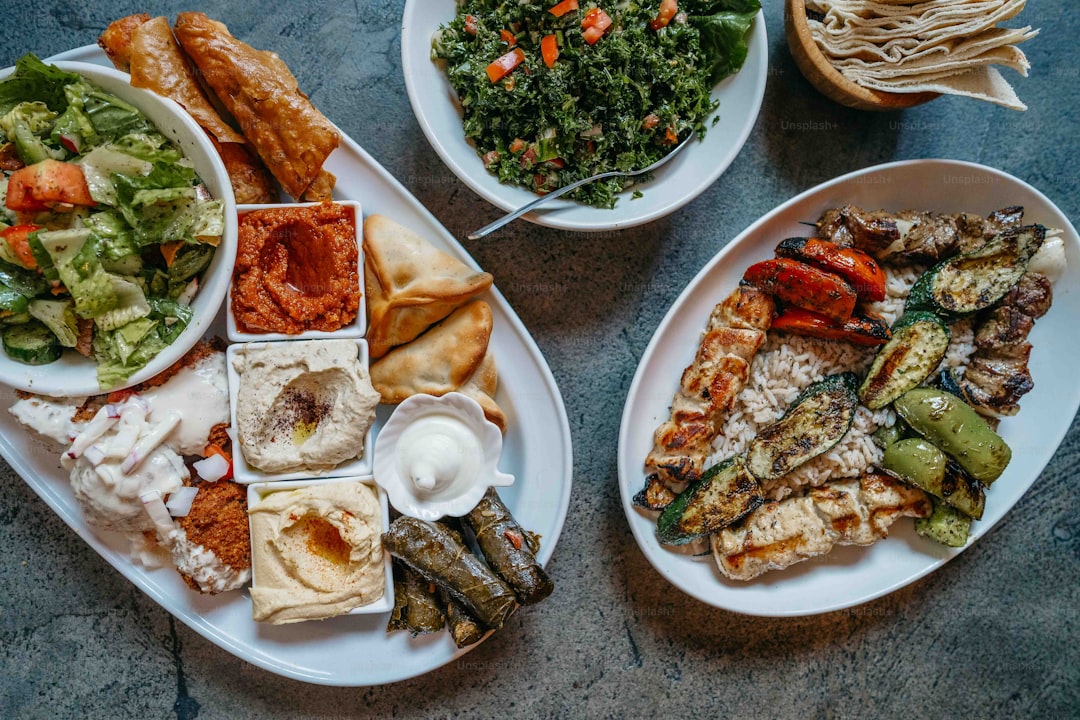
When you walk off the docks of Dodecanese Boulevard, the air shifts, and suddenly you're not just in Florida anymore; you’re caught in a sensory loop that feels pulled straight from the Aegean. It’s not just the sight of the sponge boats that anchors this place, but the way the local kitchens have managed to transplant an entire culinary identity into the Gulf’s unique ecosystem. I’ve spent enough time bouncing between these tavernas to realize they aren’t just mimicking Greek food—they’re engineering it to work with what the Florida coast actually provides. Take the taramosalata, for instance, which leans on locally sourced mullet roe because the Gulf’s brackish estuaries are packed with the exact kind of fish that makes for a perfect, creamy emulsion. It’s that kind of adaptive brilliance that keeps the food tasting like home for the families who’ve been here for three generations.
The science behind these plates is honestly what fascinates me the most. You’ll notice the feta, for example, is held in a five-to-seven percent salinity brine, a specific ratio handed down from island elders to ensure it survives our humid, high-heat reality without losing its structure. And if you’re wondering why the spanakopita here hits different, it’s because the local bakers have figured out that high-gluten semolina flour is the secret to getting those layers of phyllo to hold up without turning into a soggy mess in the Florida humidity. They’re even sourcing oregano strains that have been genetically adjusted to our subtropical climate, keeping that signature pungent profile even when the heat index is hovering near triple digits. It’s a masterclass in culinary migration where they’ve swapped ingredients while holding the chemistry of the original dishes completely steady.
But the real magic happens when you look at how they treat the local catch. Because we don't have direct access to Mediterranean sea bass, the local chefs have pivoted to wild-caught hogfish, which has a flaky, lean protein structure that essentially mimics the Aegean original. I’ve seen them sear it in wood-fired ovens fueled by local hardwoods, which adds a distinct smoke profile that’s as close to a traditional Greek hearth as you’re going to get this side of the Atlantic. Even the desserts, like their honey cakes, get a localized remix with citrus oils from nearby groves that interact with the wildflower honey to produce a terpene profile you literally cannot find back in Greece. It’s this precise, almost clinical dedication to the craft that makes eating your way down the boulevard feel less like a tourist experience and more like a lesson in cultural survival. Whenever I’m here, I’m always struck by that one detail—the way they preserve the past not by keeping it in a museum, but by constantly tinkering with it until it fits the reality of the present.
Traditions Preserved: Religious and Cultural Celebrations in Tarpon Springs
When you look at the annual Epiphany celebration in Tarpon Springs, you aren't just watching a local festival; you’re seeing the largest event of its kind in the Western Hemisphere. It’s honestly something you have to witness to believe, with tens of thousands of people gathering at Spring Bayou every January to watch young men dive for a consecrated white wooden cross. The theology here is fascinating because it directly mirrors the Baptism of Christ, effectively transposing a sacred Levantine geography right onto our own Gulf of Mexico. The ritual requires the divers to be between 16 and 18, a specific age bracket that acts as a deliberate mechanism for ensuring the next generation stays anchored to their heritage.
After the cross is retrieved, the Blessing of the Fleet turns that spiritual energy toward the town's industrial heart, as sponge boats are sanctified to ensure the safety and prosperity of the maritime workers. This isn't just a nod to the past, but a functional survival tactic that ties the ecclesiastical leadership of the St. Nicholas Greek Orthodox Cathedral directly to the economic reality of the docks. The cathedral itself is a structural marvel, housing hand-painted Byzantine icons and stained glass windows that are calibrated to capture the low-angle winter sunlight, creating an aesthetic that feels entirely removed from the typical Florida landscape.
But the commitment to history goes well beyond a single holiday, and I think it’s the smaller, daily expressions of culture that really tell the story. Take Oxi Day in October, where traditional folk dances featuring the high-cadence footwork of Kalymnos and Halki turn the streets into a living archive of Greek resistance. Even the Cycadia Cemetery serves as a permanent, physical ledger of this lineage, with headstones often featuring maritime gear like anchors or diving helmets, proving that the professional identity of these families is inseparable from their final rest.
When you see how the community prepares for these events—like the manual, labor-intensive layering of phyllo dough for festivals or the use of the Eight Tones in liturgical chanting—it’s clear this isn't for show. These aren't just tourism drivers; they are essential social infrastructure designed to pass down linguistic nuances and household rituals like the sharing of the vasilopita. It’s that rare, cohesive social fabric where the sacred and the commercial don't just coexist, but actually reinforce one another. If you ever find yourself wandering these streets, just remember that every procession route and culinary tradition you see is an active, ongoing effort to hold the line against time.
Why Tarpon Springs Remains the Ultimate Window into Greek Culture
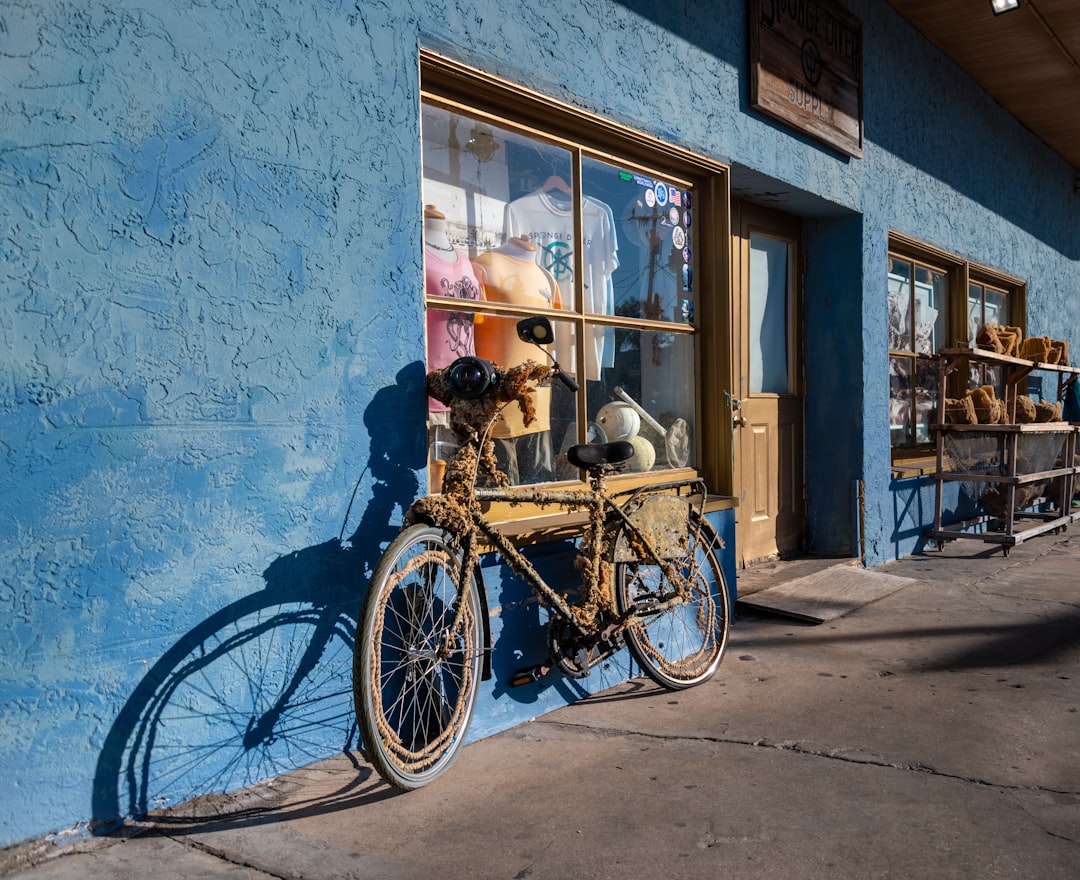
I’ve spent a lot of time walking those docks, and honestly, the reason Tarpon Springs feels like a living portal to the Aegean isn't just about the food or the architecture; it’s about a precise, almost scientific alignment between Mediterranean tradition and the specific geography of Florida. Think about the water chemistry of the Anclote River estuary; it creates a salinity gradient that mirrors the Aegean, which is exactly why those original divers from Kalymnos could settle here and immediately understand the seabed. They didn't just move; they successfully transplanted their entire maritime ecosystem. It’s fascinating how their building techniques, like those historical wind-deflection angles, were calculated to drop indoor temperatures by ten degrees, proving they weren't just aesthetic choices but functional survival strategies against our brutal humidity.
But if you look closer, you’ll find that the preservation here goes down to the molecular level. Take the icons in St. Nicholas Greek Orthodox Cathedral, for instance, which are painted with Byzantine-era egg tempera pigments specifically formulated to hold up in this damp climate without degrading. Even the way they process sponges involves an organic enzyme bath that maintains the natural iodine content, a chemical quality that’s become a hallmark of their craft. I’m always struck by how these residents treat their heritage like a living organism that needs to be constantly adapted rather than a static relic. They’ve even gone as far as grafting Mediterranean olive cultivars onto local rootstock to ensure they get that high-polyphenol oil we expect, effectively hacking the local soil to keep their culinary DNA intact.
What really cements this as the ultimate window into Greek culture, though, is the language and the rituals that have survived the transition. You’ll still hear that archaic Kalymnian dialect on the streets—a linguistic snapshot of maritime terminology that’s actually vanished from modern mainland Greece. It’s wild to think that while the rest of the world modernized, this little pocket of the Gulf coast held onto these linguistic and liturgical nuances as a matter of community identity. Whether it’s the way they time the Epiphany ritual to the specific tidal flux of Spring Bayou or the way their zoning laws mandate the use of traditional lime-based plasters to keep their buildings "breathing" like those back home, everything here is intentional. They aren't just performing a culture; they’ve engineered a way to live it.
Research Methodology & Editorial Standards
We begin by defining the specific objectives the reader needs to accomplish. Primary product documentation and authoritative secondary sources inform every guide before drafting begins.
Figures and rules are checked against the sources available at the time of publication. Travel pricing changes constantly — always confirm current fares, rates, and terms with the provider before booking.