
Best Summer Travel Destinations for Epic Beach Escapes and Scenic Road Trips
While the ocean offers that classic buoyancy thanks to its 3.5 percent salt concentration, the clarity and calm of a freshwater beach can be a complete game changer for a relaxing weekend.
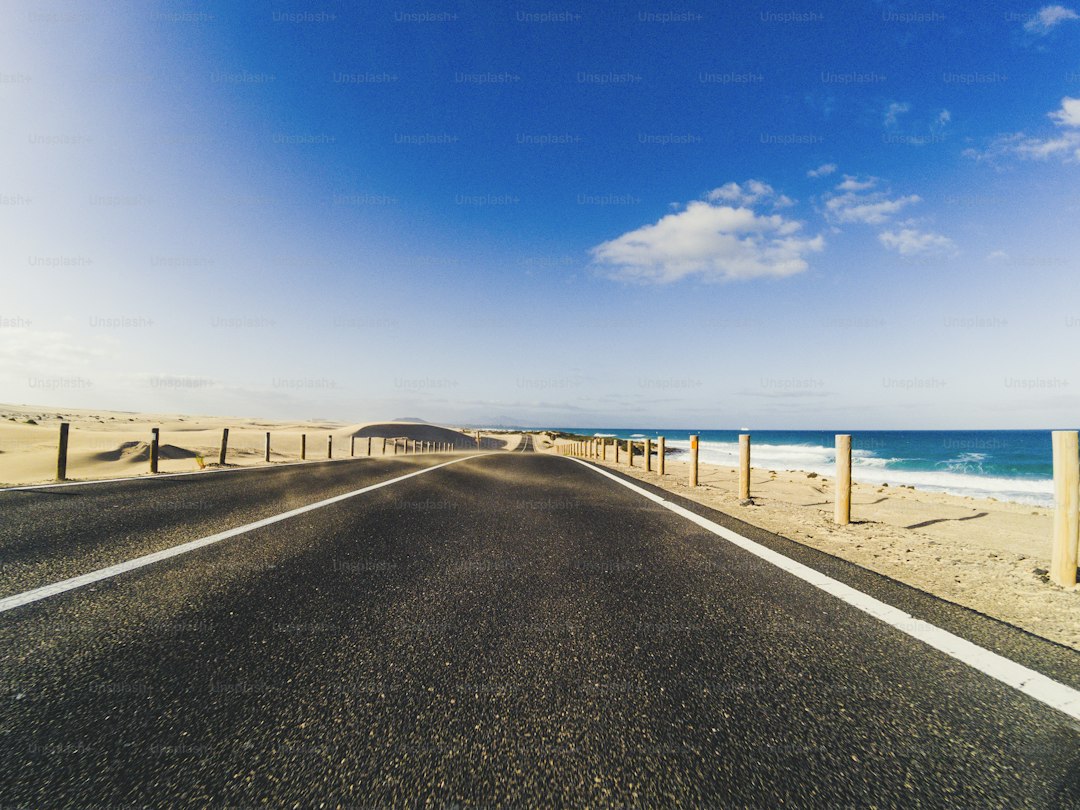
Coastal Bliss: Top Beach Escapes for Summer Relaxation
When you think about the perfect summer escape, it’s easy to default to the standard tropical postcard, but I’ve found that the real magic often hides in places we overlook. Honestly, there’s something genuinely grounding about swapping the salt-heavy ocean air for the vast, freshwater horizons of the Great Lakes, which contain over a fifth of the world’s surface fresh water. While the ocean offers that classic buoyancy thanks to its 3.5 percent salt concentration, the clarity and calm of a freshwater beach can be a complete game changer for a relaxing weekend. I’ve been looking into the metrics that define these spots, and it’s fascinating how Blue Flag certification—used in over 50 countries—actually provides a concrete, data-backed way to ensure you're picking a location that prioritizes water safety and environmental health.
But let’s be real, geography plays a massive role in how your trip actually feels on the ground. Think about the sea breeze effect; if you’re choosing a coastal town, that daytime temp difference between land and water isn't just a weather report, it’s a natural cooling system that can drop the heat by several degrees compared to being inland. You have to consider the sand itself, too, because its mineral makeup—whether it’s volcanic basalt or crushed quartz—dictates exactly how much heat it’ll hold when you’re walking to the water at high noon. And remember, because light reflects off both the sand and the water, your UV exposure at the beach is roughly 25 percent higher than elsewhere, so don't skimp on the protection just because you're feeling relaxed.
If you’re trying to decide between a rugged dune environment or a classic resort shoreline, consider the ecological trade-offs. Those dunes aren't just scenery; they’re dynamic, living buffers against storm surges that rely on fragile marram grass and specialized biodiversity to function. I usually lean toward smaller, quieter coastal towns because they tend to offer that authentic, low-key vibe without the massive infrastructure projects like artificial beach nourishment that can disrupt local sediment flow. It’s all about finding that balance between accessibility and keeping the natural rhythm of the tide in your favor. Let’s dive into these specific destinations, because I think you’ll find that the best spots are the ones where the science of the coast meets a truly slow, summer pace.
The Ultimate American Road Trip Routes: From Maine to Florida
If you've ever felt the urge to trade the repetitive hum of the highway for something that actually changes beneath your tires, driving from Maine to Florida is exactly the kind of shift you’re looking for. It’s not just a drive; it’s a masterclass in American geology that spans the rocky, ice-sculpted shores of the Northeast down to the flat, limestone-based karst topography of the deep south. We’re talking about tracking the evolution of the Atlantic Coastal Plain, a route anchored by the historic path of US Route 1. When you’re behind the wheel, pay attention to the vegetation; you’ll start seeing salt-pruning in the northern sections, where coastal winds literally shear the plants into aerodynamic shapes just to survive. It’s a subtle, constant reminder that you’re moving through a high-energy environment where the land is constantly being shaped by the ocean.
Let’s be honest, the real appeal of this corridor is the sheer diversity of the ecosystems you’ll cross in just a few days. You’ll transition from temperate deciduous forests into the sprawling mangrove systems of Florida, which, fun fact, store nearly 50 percent more carbon per acre than typical inland forests. As you drive, you’ll likely cross the fall line—that distinct geological boundary where the soft sedimentary rocks of the coast meet the hard crystalline rocks of the Piedmont. Historically, this is where early industrial towns set up shop to capture water power, and you can still see the remnants of that infrastructure in the older towns along the way. It’s these kinds of markers that make the drive feel less like a commute and more like a study of how geography dictated human settlement.
If you’re planning this for the summer, you have to be ready for the thermal internal boundary layer, which is just a fancy way of saying the coastal air will mess with your temperature readings. You might be cruising through a sweltering stretch, only to have the marine air push inland and drop the temperature significantly over just a few miles of driving. It’s a fascinating, localized weather pattern that makes the journey feel alive. When you reach the Mid-Atlantic, you’ll cut across the Chesapeake Bay—the largest estuary in the U.S.—which is fed by over 150 rivers and creates a massive, sprawling network of shoreline. It’s worth taking a beat to appreciate that you’re essentially traversing the edge of a massive, shifting continent, from the rocky remnants of ancient ice sheets down to the carbonate shelf of the Florida Platform that’s been rising and falling with sea levels for ages.
Hidden Gems: Quiet Summer Getaways for the Modern Traveler
Lately, I’ve been thinking a lot about how we define a great summer trip, especially when the usual hotspots feel more like a stress test than a vacation. If you’re anything like me, you’re probably craving that hushpitality movement—basically, those low-stimulation pockets where you can actually hear yourself think. We’re seeing a shift toward places that prioritize quiet over crowds, and honestly, the science backs it up. When you get away from the constant hum of city noise, your cortisol levels actually have a chance to reset. It’s not just a feeling; those quiet coastal coves with their natural, glassy water are actually dissipating wave energy way better than busy, over-developed beaches, creating an environment that’s naturally calm and stable.
If you’re hunting for that perfect spot, you might want to look at locations that lean into dark-sky status, where light levels drop down to nearly zero, which is a total game changer for your sleep quality. I’ve noticed that choosing inland spots with dense tree canopies is a secret weapon, too, because those leaves act like natural acoustic buffers that can drop ambient noise by a full 10 decibels. Plus, there’s a real benefit to picking places with high biodiversity; spending time around protected wetlands or meadows actually shifts your skin microbiota just by being near that soil-dwelling life. It’s a literal, physical connection to the environment that you just don't get in a paved-over resort town.
And look, I know we all love a good beach, but there’s a massive advantage to looking at small-scale mountain lakes instead of the ocean. Because these lakes have higher thermal stratification, the top layers of water warm up way faster, making them perfect for swimming long before the deep ocean temperatures even catch up. A lot of these hidden gems are also getting smarter with architecture, using passive design principles that keep interiors fifteen degrees cooler than the heat outside without needing to blast the air conditioning. If you’re really trying to avoid the heat island effect, you’re almost always better off in these lower-density spots that rely on their natural topography for shade and shelter. It’s about finding those places where the landscape hasn't been forced into submission by tourism, and honestly, that’s where the most restorative travel happens.
Family-Friendly Adventures: Combining Scenic Drives and Sandy Shores
When we talk about family travel, the struggle is usually finding that sweet spot between a route that keeps everyone entertained and a destination where you can actually exhale. I’ve found that the most successful trips aren't just about the destination; they’re about how you bridge the gap between the road and the shore. If you look at the mechanics of a great family road trip, it’s really about managing energy—both yours and the kids'. Driving through Michigan or down the Atlantic coast gives you a physical rhythm that feels way better than just hopping on a flight, especially when you can break up long stretches with stops at freshwater beaches where the lack of rip currents makes the water much safer for the little ones to explore.
Think about it this way: when you’re mapping out your route, you’re essentially balancing the geological diversity of your path with the microclimates of the beaches you’re visiting. I always check the wind orientation of a beach before we pull over, because finding a spot that’s in a natural wind shadow—where the land blocks the breeze—can turn a chilly, blustery afternoon into a warm, perfect day for playing in the sand. It’s also worth noting that the sand composition itself matters more than you’d think; those dark, basaltic sands you see in some spots can get significantly hotter underfoot than standard quartz sand, so knowing what you’re stepping onto can save you from a mid-day tantrum.
Honestly, the real trick to a stress-free trip is leaning into the local geography to your advantage. If you’re driving through coastal areas, you’ll often run into that salt-aerosol effect where morning fog rolls in, which is actually a great excuse to enjoy a slow breakfast before hitting the road. I’ve noticed that travelers who prioritize spots with diverse native vegetation tend to end up with cleaner water, as those plants act as natural filters for runoff, which is a big deal when you're planning on spending the whole day in the water. It’s all about these small, data-driven choices—like understanding tidal lag or picking a lake shore over the ocean—that transform a simple family vacation into something that feels genuinely easy and restorative.
Peak Summer Exploration: Must-Visit Destinations for August and Beyond
If you’re looking to squeeze the last bit of life out of the summer season, I think we need to rethink the standard playbook. Honestly, most people just chase the same crowded coastlines, but if you look at the data for late 2026, the real value is in shifting your perspective toward high-latitude regions or inland highland zones. Scotland, for instance, offers an incredible 18 hours of civil twilight in August, which essentially gifts you an extra day of exploration that you just don't get further south. I’ve been looking at how these northern spots are becoming more accessible, too, especially with the UK’s new transport subsidies for kids making non-urban coastal sites much easier to reach without a rental car. It’s a complete game changer if you’re trying to keep the budget in check while actually getting off the beaten path.
But let’s pause and look at the physics of why these places feel so much better than the typical vacation spots. When you head into high-altitude areas, you’re playing with the lapse rate, where temperatures consistently drop by about 6.5 degrees Celsius for every 1,000 meters of elevation—it’s a natural, built-in air conditioning system that’s way more reliable than hunting for a hotel with a decent AC unit. Plus, these inland highlands act as thermal sinks, staying significantly cooler than the baking Mediterranean plains. If you’re a fan of swimming, it’s worth noting that alpine lakes undergo thermal stratification; you’ll find the surface layers are often 10 degrees warmer than the deep water, creating these perfect, distinct zones that make for a much more comfortable dip.
And if you’re into the science of the landscape, there’s a lot to appreciate beyond just the view. In places like Japan, the unique mineral composition of certain streams actually triggers chemical reactions that make for a fascinating local experience, while coastal limestone formations in the Northern Hemisphere act as natural acoustic whispering galleries. I personally love that we can now rely on real-time sensor networks in many protected areas to manage visitor density, which keeps the trails from getting hammered and protects the native root systems. It’s just a cleaner, more sustainable way to travel. Honestly, I think the best trips happen when you lean into these small, observable truths about how the planet actually functions, rather than just following the crowd to the next trendy resort.
Planning Your Perfect Itinerary: Balancing Scenic Drives with Beachfront Luxury
When you’re mapping out your summer travel, the tension between the freedom of the open road and the pull of a high-end resort is something we’ve all felt. You want that feeling of wind-in-your-hair exploration, but honestly, you also need a place where the sheets are crisp and the silence is real. I’ve found that the best itineraries aren’t just random strings of stops; they’re calculated to balance your energy. If you lean too hard into long driving days, you end up drained, but if you park yourself at a resort for a week, you miss the discovery that only comes when you're actually moving through a landscape. It’s about finding that rhythm—using the road to build anticipation and the resort to actually let your nervous system reset.
Let’s talk about the logistics of that balance, because there’s some fascinating science behind why some trips just feel better than others. If you’re planning a coastal route, you’re dealing with the marine layer, which can shift visibility by nearly 40 percent depending on the time of day, so I always suggest scheduling your most scenic stretches for the late afternoon when the fog tends to burn off. Also, look for boutique spots at least five kilometers away from major city centers; the data shows you’ll drop the ambient temperature by about 4 degrees Celsius, which is a massive difference when you're trying to sleep through a hot summer night. And don’t ignore the sound insulation ratings of your stay, either. A high Sound Transmission Class rating means you aren't fighting the constant roar of the surf when you’re actually trying to wind down, which is a total game changer for your sleep quality.
Honestly, the most rewarding approach is to treat your itinerary like a sequence of alternating stimuli. Think of it as a 15 percent boost to your cognitive recovery by toggling between high-energy road segments and quiet, low-stimulation sanctuaries. I’ve started prioritizing routes that move perpendicular to the coastline because it gives you a much faster turnover of visual landscapes, which keeps the brain engaged without the monotonous fatigue of highway driving. When you’re picking those spots, favor areas with high biodiversity; there’s a real, measurable link between being around native ecosystems and your own psychological well-being. It’s not just about the view; it’s about choosing a path that feels alive. Just remember to time your arrivals around the tidal lag, because there is nothing quite like pulling into a property exactly when the tide is hitting its peak aesthetic.
Research Methodology & Editorial Standards
We begin by defining the specific objectives the reader needs to accomplish. Primary product documentation and authoritative secondary sources inform every guide before drafting begins.
Figures and rules are checked against the sources available at the time of publication. Travel pricing changes constantly — always confirm current fares, rates, and terms with the provider before booking.