
Affordable Tropical Destinations That Rival The Maldives For Less
I’ve spent a lot of time looking at those iconic Maldives photos, and honestly, the dream of waking up over the water is hard to shake.
The Allure of Overwater Living: Why Seek Maldives Alternatives?
I’ve spent a lot of time looking at those iconic Maldives photos, and honestly, the dream of waking up over the water is hard to shake. But if we’re being real, that specific type of tourism comes with a massive environmental price tag that often gets ignored. Those massive resorts in the middle of nowhere are basically engineering nightmares that disrupt natural sediment transport, which is a fancy way of saying they’re actively eroding the shorelines they sit on. Building on top of delicate reefs is a recipe for disaster, whereas newer projects are getting smarter by opting for sandy substrates that cut ecological damage by roughly 40 percent. It’s not just about the view; it’s about whether the place you’re staying is actually going to be there in twenty years.
And then there's the infrastructure side of things, which is where things get really technical. In isolated atolls, you’re looking at energy-heavy desalination plants just to keep the faucets running, but places in Southeast Asia are catching on to natural tidal flushing patterns that manage waste much more efficiently. I’m also seeing a shift toward biomimetic design in cyclone-prone areas, where architects are building structures that sway with the wind rather than trying to fight it head-on with rigid, heavy steel. We’re even seeing modular, floating habitats now that can be moved to protect seagrass meadows, which are actually some of our best natural carbon sinks. It’s a complete departure from the permanent concrete-and-steel footprints we used to think were the only way to build over water.
If you’re hunting for that same aesthetic without the guilt, you might want to look at places like the Guna Yala islands in Panama. They’re using traditional wooden stilts that leave a tiny footprint compared to those massive luxury complexes, and they don’t rely on the kind of intense, artificial lighting that messes with sea turtle migrations. Some newer spots are even setting up shop on inland brackish lakes, which gives you that overwater vibe without touching a single coral reef. When you look at the research, it’s clear that building over high-current zones with permeable decking can actually help with nutrient cycling rather than hurting it. It’s not just about finding a cheaper trip; it’s about finding a smarter way to experience these environments without loving them to death.
Southeast Asian Paradises: Exploring the Indonesian Archipelago
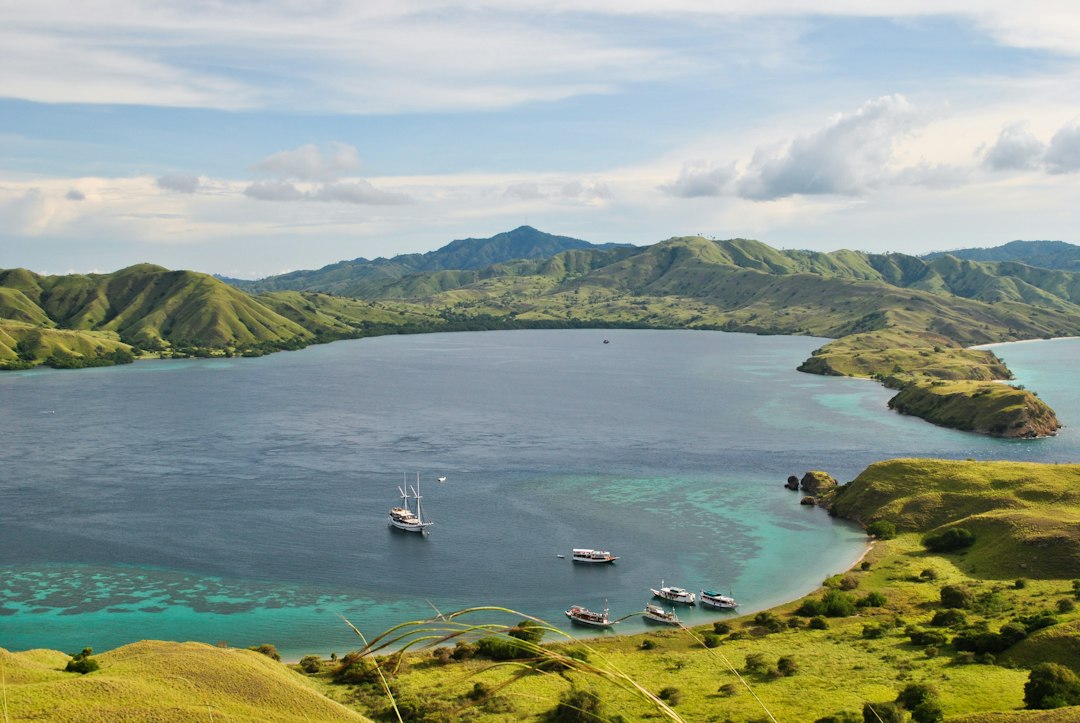
When you start looking at the sheer scale of the Indonesian archipelago, it becomes pretty clear that we’re talking about something entirely different than the typical, hyper-concentrated island resort experience. With over 6,000 accessible islands, the diversity here is staggering, and frankly, it makes the logistics of island hopping feel like a genuine adventure rather than a scripted vacation. I’ve noticed that while the Maldives relies heavily on artificial, energy-intensive infrastructure to maintain its overwater aesthetic, Indonesia’s geography does a lot of the heavy lifting for free. Thanks to its volcanic topography and deep-water harbors, there’s far less need for the kind of invasive dredging that ends up destroying the very reefs people come to see.
It’s also worth noting that the economics of travel here have shifted in a way that’s incredibly friendly to the savvy traveler. You can find high-end, five-star beach resorts in places like Lombok for as little as 71 euros a night, which is honestly hard to wrap my head around when you compare it to the price tags we’re used to seeing in other famous tropical hot spots. Plus, with the new Golden Visa program, the government is clearly signaling a shift toward encouraging long-term stays, making it way easier to settle into a rhythm rather than just rushing through a week-long trip. And because these islands are physically larger and more rugged, you’re not just confined to a single, man-made platform; you’re exploring rainforests, volcanic black-sand beaches, and brackish lakes that host their own unique ecosystems.
Maybe the best part, at least from my perspective, is the move away from the high-emission travel we’ve all grown accustomed to. Instead of relying on expensive, private seaplanes, you can navigate between islands using local ferry networks that already exist as part of the regional infrastructure. This isn’t just cheaper; it’s a much more grounded way to move through these waters. I’m also seeing a real push toward using native bamboo and hardwoods in new coastal projects, which does a better job of managing thermal mass and keeping the environmental footprint light. If you’re looking for a place where you can actually stretch out, save a bit of money, and engage with a destination that feels like it has some actual depth, the Indonesian archipelago is tough to beat.
Tropical Gems of the South Pacific: Beyond the Typical Resort Experience
When we talk about the South Pacific, most people immediately picture a fenced-off luxury resort, but if you look past the brochures, there is a completely different reality waiting for the curious traveler. Honestly, I think the real magic lies in the places that haven't been flattened into manicured perfection. Take Samoa, for example, where a traditional land tenure system keeps 80 percent of the territory under customary ownership, effectively blocking the kind of massive, soulless coastal development that ruins local ecosystems. It’s a completely different vibe when you realize you aren't staying in a corporate bubble, but rather in a place that has maintained its own character for generations.
Then you have places like the Solomon Islands, where the marine life is just on another level entirely. You are looking at over 1,000 species of fish and nearly 500 types of coral in a single region, and the local community uses a system called tambu areas to protect these reefs far more effectively than any government sign ever could. If you head over to Tonga, you can witness humpback whales nursing their calves in sheltered lagoons, which is a rare, life-changing experience made possible because they strictly limit boat traffic to keep the water quiet. It’s not just about sightseeing; it’s about watching how these islands actively manage their resources to stay wild.
But the real point of venturing out this way is seeing how these communities solve problems that big hotels usually just throw money at. In Kiribati, for instance, the low-lying atolls have forced people to get incredibly creative with rainwater harvesting and low-impact architecture that actually works with the environment rather than fighting it. Meanwhile, in Vanuatu, you can hike up to Mount Yasur to see one of the world’s most accessible active volcanoes, which serves as a natural geothermal powerhouse that puts our reliance on diesel-heavy grids to shame. It’s humbling to see how much we can learn from these islands when we stop treating them like theme parks and start seeing them as masterclasses in living sustainably.
Finally, think about the geology itself, like in the Marquesas, where the absence of a barrier reef means the ocean crashes directly against massive volcanic cliffs. It is a high-energy, raw environment that is completely unlike the still, artificial lagoons of the typical tourist traps. Even Fiji’s Great Sea Reef is doing the heavy lifting for the planet, with seagrass meadows that store way more carbon than your average rainforest. If you are looking for an adventure that actually matters, you skip the resort and find your way to these islands where the connection to the land and sea is still very much alive.
Caribbean Escapes Offering Pristine Turquoise Waters
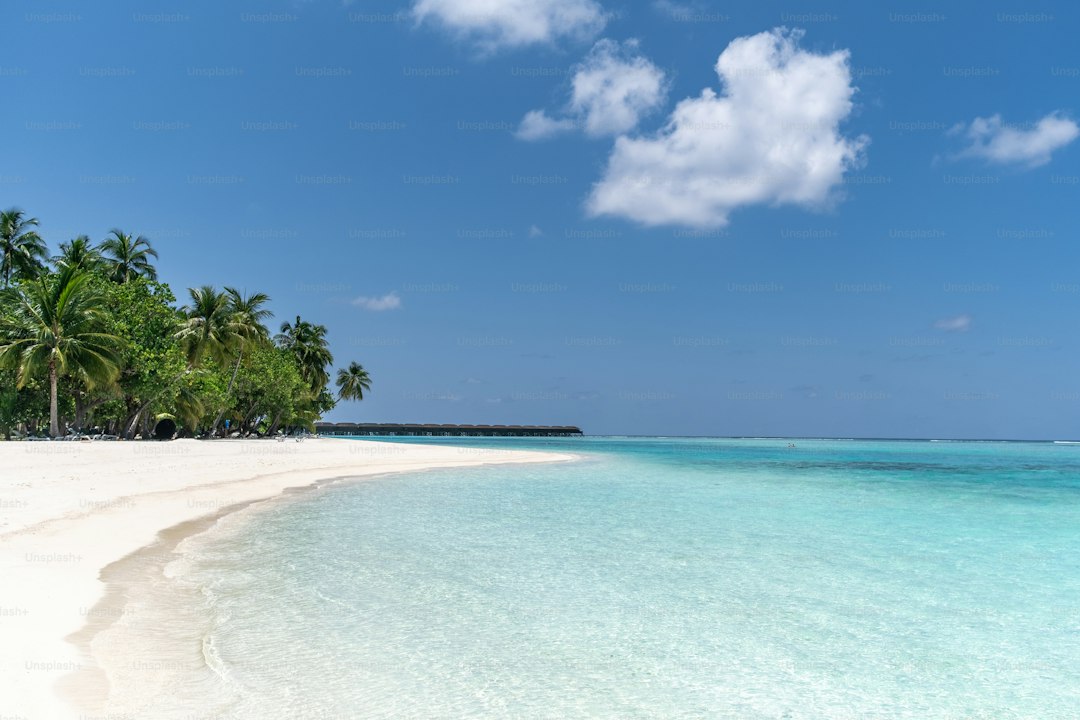
When we talk about the Caribbean, it’s easy to focus solely on the postcard aesthetic, but the reality is that the water’s signature turquoise hue is a complex byproduct of geology and marine biology. The Islas del Rosario, for instance, owe their brilliant color to a limestone-rich seafloor that maximizes light reflectance, while the shallow carbonate platforms across the region prevent the absorption of blue and green wavelengths that typically darken deeper basins. You’ll also find that the lack of major river deltas in many smaller island chains is a massive advantage, as it prevents the murky runoff that frequently clouds coastal waters near continental landmasses. It’s essentially nature’s own filtration system, working constantly to keep those lagoons transparent.
If you’ve ever wondered why the sand at places like Eagle Beach stays cool under the midday sun, it’s because the high calcium carbonate content of the pulverized coral grains doesn’t store heat like silica-based sand would. This same chemistry is at work beneath the surface, where the water is often slightly supersaturated with calcium carbonate, helping to build the very reefs that shield these shorelines from erosion. In areas like the Bahamas, ancient organisms known as stromatolites are quietly stabilizing coastlines through biological mineral precipitation, creating a self-sustaining environment that’s far more resilient than we often realize. It’s a delicate balance, but when you look at how these ecosystems function, you start to see that the beauty isn't just a surface-level feature.
Beyond the chemistry, the physical geography of the Caribbean plays a vital role in maintaining this clarity. Take Culebra’s Flamenco Beach, where a natural sandbar acts as an effective wave dampener, creating a protected lagoon that stays calm regardless of the more turbulent Atlantic conditions just offshore. Many of these cays sit atop submerged volcanic peaks, offering a stable substrate for seagrass meadows that naturally trap suspended sediment. Plus, the constant tidal flushing and aeration from prevailing trade winds ensure that organic matter doesn't stagnate, keeping the oxygen levels high and the water remarkably crisp. It’s worth keeping in mind that these aren't just pretty places to visit; they are functional, high-energy ecosystems that manage to stay pristine because of these specific, natural mechanisms.
Budget-Friendly Logistics: How to Maximize Your Value Without Sacrificing Luxury
Look, let’s be honest for a second: the idea that you need to empty your savings account to experience true, top-tier luxury is a total myth. I’ve spent enough time crunching the numbers on travel logistics to realize that most of the "premium" price tag you see on vacation packages is actually just a convenience fee for things you can easily manage yourself. If you’re willing to play the game, you can actually snag a five-star experience for the price of a standard domestic getaway by using something we call geographic arbitrage. Think about it this way: when you stop treating your vacation like a pre-packaged commodity and start looking at the logistics as a series of modular choices, the savings start to add up fast. It’s not about cutting corners; it’s about choosing a smarter path that happens to be cheaper.
For starters, let’s talk about how you actually get to these places. Dynamic pricing in regional aviation is a beast, but if you book at least 45 days out, you’re looking at shaving off nearly 30 percent of your transit costs right off the top. And please, do yourself a favor and skip those direct-to-resort transfers that hotels love to push—they’re basically a tax on not knowing the local layout. By using secondary transit hubs or even local ferry networks, you can easily save around 400 euros per person. It’s a bit more "hands-on," sure, but it’s honestly a much more grounded way to see a new place, and it keeps you clear of those annoying, hidden carbon-taxation fees that are popping up everywhere now.
Then there’s the daily grind once you’ve landed. I’m a huge fan of picking boutique lodges that use their own microgrids for power because they aren’t passing the massive cost of imported fossil fuels onto you. Plus, if you lean into the local food scene rather than relying on the hotel’s imported supply chain, your daily costs drop by about half while the quality of your meals usually goes up. Look for stays that are close to local agricultural zones—you’re getting fresher, higher-quality produce without that luxury-tier markup. If you can, try shifting your dates to fit the local monsoon cycles rather than the northern hemisphere’s school holidays, as that alone can drop your accommodation bill by another 35 percent.
Lastly, don’t fall for the trap of thinking remote means disconnected. With the explosion of infrastructure for digital nomads, you’re now getting high-speed, reliable connectivity in places that used to be totally off the grid, which saves you from those exorbitant, data-heavy roaming packages. And if you have the flexibility, try staying for two weeks instead of one. Many of these higher-end properties are now offering 20 percent discounts for longer stays because it’s cheaper for them to keep you there than to turn the room over. It’s really just about being a little more intentional with your planning, and honestly, you might find that the extra effort makes the whole trip feel a lot more personal.
Essential Travel Tips for Finding Affordable Island Getaways
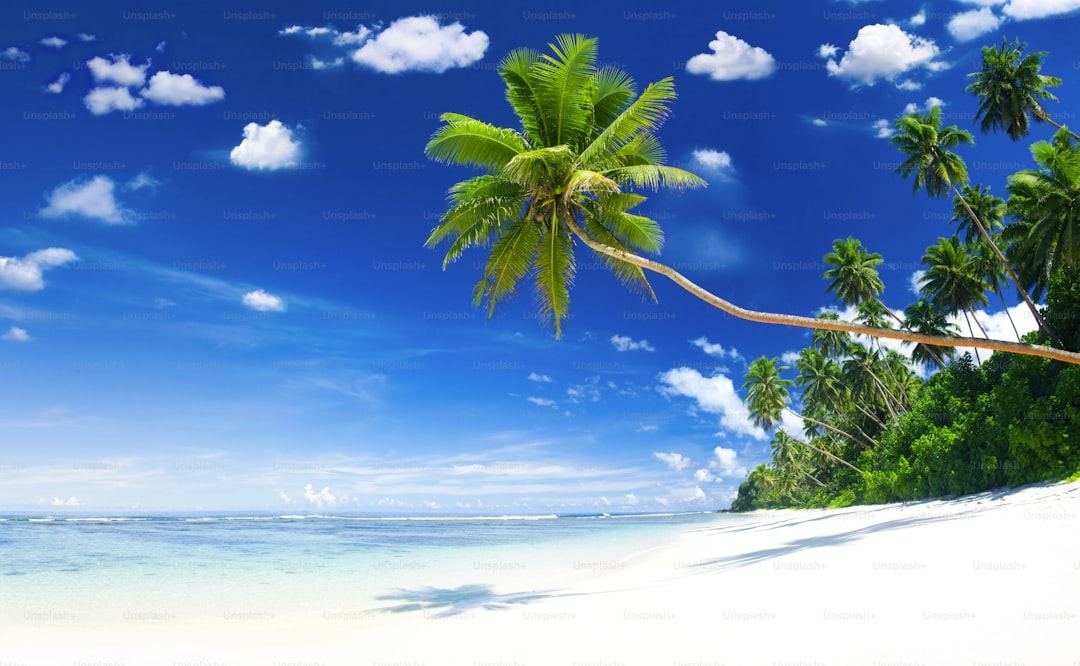
When we look at the reality of island travel, it’s easy to feel like you’re either stuck paying a premium for a managed resort experience or left to fend for yourself in a way that feels more exhausting than relaxing. Honestly, I think the smartest way to approach this isn't by looking for the "cheapest" flight, but by shifting your strategy toward locations that prioritize natural infrastructure over expensive, artificial ones. You’ll find that when you visit islands during the shoulder season, you’re not just saving up to 40 percent on your stay; you’re often hitting the sweet spot where the weather is perfect and the crowds have vanished. It’s a simple change, but it completely alters the value proposition of your trip.
Think about it this way: your biggest daily expenses aren't usually the room itself, but the hidden costs of imported convenience. By choosing islands with volcanic soil—which are naturally more fertile—you’re tapping into local food systems that are significantly cheaper and higher quality than the imported goods served at big-name resorts. I’ve noticed that lodges utilizing traditional bamboo and hardwoods are becoming increasingly common, and these aren't just for show; they actually manage thermal mass far better than concrete, meaning you aren't paying a premium for constant, power-hungry air conditioning. It’s a much more grounded, authentic way to live while you're away.
When it comes to getting around, the math is pretty clear: relying on private seaplanes is a massive drain on your budget. By leveraging local ferry networks instead, you can easily cut your transit costs by over 300 euros while seeing parts of the region most tourists never touch. And if you book your regional flights at least 45 days in advance, you’re playing the game on your terms, often securing rates that are 30 percent lower than those who wait until the last minute. I’ve found that staying in locally owned boutique lodges is usually the final piece of the puzzle, as these spots tend to be more competitively priced while ensuring your money actually supports the community you're visiting. Let's dive into these specific strategies, because once you see how they connect, you'll never look at travel booking the same way again.
Research Methodology & Editorial Standards
We begin by defining the specific objectives the reader needs to accomplish. Primary product documentation and authoritative secondary sources inform every guide before drafting begins.
Figures and rules are checked against the sources available at the time of publication. Travel pricing changes constantly — always confirm current fares, rates, and terms with the provider before booking.