
How to Plan a Caribbean Vacation During Hurricane Season Without Worry
For the 2026 Atlantic hurricane season, meteorological experts are calling for between 11 and 16 named storms, which gives us a pretty clear picture of what to expect.
Understanding the Caribbean Hurricane Season: Timing and Risk Factors
Let’s be honest: planning a Caribbean getaway while keeping an eye on the tropics can feel like a bit of a gamble. I know that feeling when you're staring at the long-term forecast, trying to figure out if your dream trip is actually safe. For the 2026 Atlantic hurricane season, meteorological experts are calling for between 11 and 16 named storms, which gives us a pretty clear picture of what to expect. While those statistical averages give us a helpful baseline, it’s worth noting that climate research suggests environmental shifts are making individual storm events more likely than they were in past decades. Even when early reports label the season as quiet, atmospheric conditions can flip in an instant, so you really can't assume you're in the clear just because things look calm in June or July.
Here’s what I think you should keep in mind about the actual risk: hurricane exposure isn't uniform across the Caribbean. Certain zones are just statistically more prone to storm tracks because of the way prevailing steering currents flow. Most of these disturbances actually pick up their initial momentum off the coast of Africa, which is a good thing for us because that long trek across the Atlantic gives meteorologists a massive window to track them and provide early warnings. You’re not just dealing with the storms themselves; even systems that don't make direct landfall can totally disrupt local weather, mess with ocean currents, and throw a wrench into flight operations across the region.
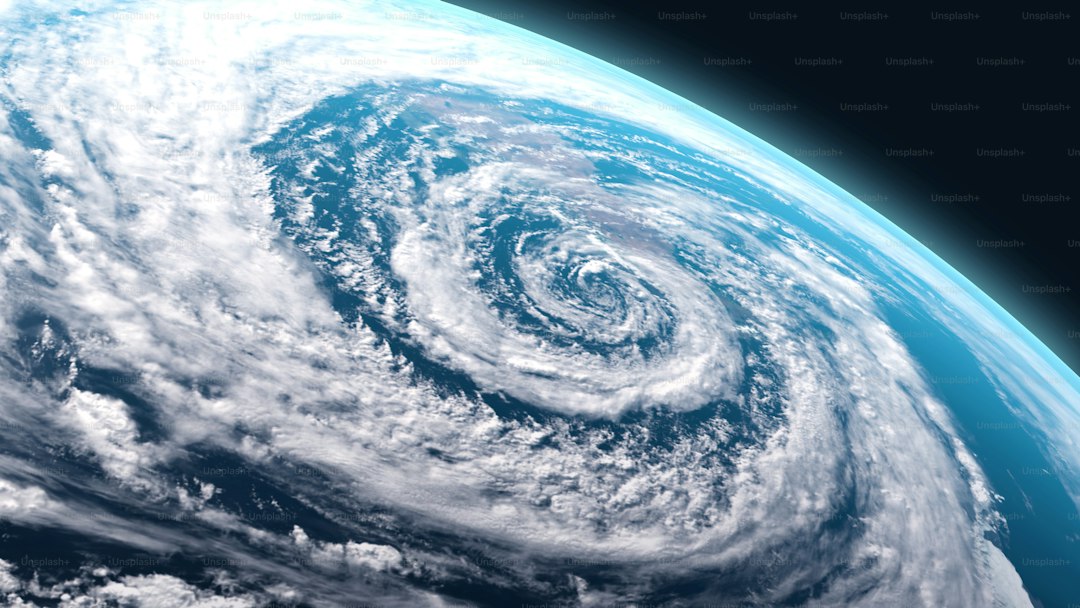
When you're looking at your calendar, remember that while the official season runs from June through November, the real intensity usually ramps up between mid-August and late October. That’s when the atmosphere is at its most unstable. It’s also smart to look at specific regional trends since the southern Caribbean often deals with a different risk profile than the northern islands. I always find it helpful to cross-reference general seasonal forecasts with those specific island patterns. Modern satellite imagery is honestly incredible these days, giving us near-constant surveillance of the tropical Atlantic and making it much harder for a storm to catch anyone by surprise. If you’re willing to do a little homework, you can definitely navigate these months without spending the whole time worrying.
Strategic Destination Selection: Islands Generally Outside the Hurricane Belt
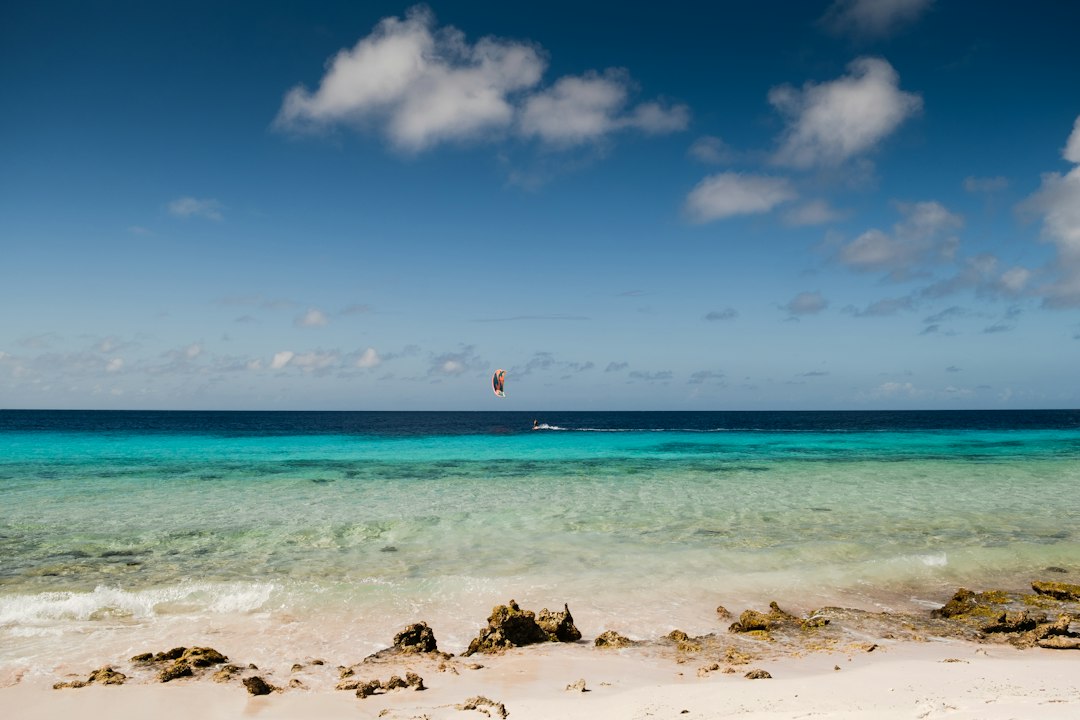
If you’re looking to dodge the stress of the hurricane season altogether, it’s worth shifting your focus to the southern fringes of the Caribbean where geography works in your favor. Islands like Aruba, Bonaire, and Curaçao—the ABCs—sit south of 12 degrees North latitude, placing them effectively outside the primary zone where Atlantic storms typically form. This isn't just luck; it’s a result of their unique position near the South American coast, which keeps them clear of the steering currents that guide most cyclones toward the northern islands. Because these islands don't deal with the same high-moisture convective activity as their northern neighbors, they even maintain a distinct arid microclimate that’s remarkably stable. Honestly, looking at the data, the contrast is stark; while northern destinations brace for potential thermal fluctuations during peak months, the ABCs keep seeing consistent, sun-drenched days with very little variation.
Beyond the ABCs, you might look at Trinidad, Tobago, or even the island of Margarita, all of which benefit from being situated south of the standard hurricane corridor. Grenada and the southern Grenadines also boast a localized climate pattern that historically forces most cyclonic activity to recurve northward long before it ever reaches their shores. Even Barbados acts as a bit of a sentinel, often sitting just south of the most aggressive storm tracks that gain momentum across the central Atlantic. When you compare these to the Leeward Islands, the difference in historical impact is staggering. It’s not that these southern spots are magically immune to every weather system, but the statistical reality is that they experience a negligible number of major, Category 3-plus events compared to the northern Caribbean.
There’s also a fascinating bit of science happening with the sea surface temperatures down here that’s worth mentioning if you’re a data nerd like me. The waters near the Venezuelan coastline often lack the high-heat potential required to fuel a storm into a major hurricane, even if a disturbance happens to track nearby. Plus, the prevailing trade winds in the deep south are reinforced by the Coriolis effect in a way that creates a natural, consistent buffer against the type of rotation you see in stronger storms. It means that when you’re booking a trip for September or October, choosing these southern latitudes changes the entire math of your vacation. You aren't just crossing your fingers and hoping for the best; you're placing a bet on predictable, stable atmospheric conditions that have been the norm for decades.
Evaluating Climate Patterns: How El Niño and Seasonal Forecasts Impact Travel
Let's be real for a second: when you’re scouting out a Caribbean vacation during hurricane season, the headlines about "Super El Niño" events can feel like an overwhelming mess of jargon. But honestly, it’s worth digging into because these Pacific climate patterns actually have a tangible ripple effect on the Atlantic weather that dictates your travel dates. Think of it like a giant atmospheric game of chess where the warming waters in the Pacific force the jet stream to shift, which then alters the wind shear patterns across the Atlantic basin. When you have a strong El Niño, that increased wind shear usually acts as a bit of a shield, potentially knocking down storm development before it really gets going.
However, don't get too comfortable just because the models show an El Niño year, because the 2026 data shows that our oceans are heating up faster than historical averages. That rapid, unconventional shift means we’re seeing global teleconnections that are a lot more energetic, which can push weather systems into areas that don't usually see them. So, even if the total count of storms is lower, you could still be looking at a localized high-impact event that disrupts your plans if the steering currents get pushed in an unexpected direction. It’s a bit of a gamble, but knowing that the traditional rules of how Pacific heating impacts Atlantic storms are evolving is a huge leg up for your planning.
The smartest move is to stop looking at those basic, high-level hurricane forecasts and start checking in on the real-time, granular data that tracks these Pacific-Atlantic linkages. We’re at a point now where satellite surveillance is so precise it can monitor those remote oceanic heat signatures months before they actually move the needle on your local weather. I find it helpful to look at these climate drivers as a barometer for regional atmospheric stability rather than just a storm count. By understanding that these distant shifts are pushing the atmosphere into less predictable zones, you can make way more informed decisions about where and when to book. It’s all about trading that blind hope for a clearer look at the underlying math of the season.
The Power of Protection: Essential Tips for Choosing Travel Insurance
Let’s be honest: when you’re staring down the prospect of a Caribbean vacation during hurricane season, the idea of travel insurance often feels like just another line item on a budget. But here’s the reality—if you aren't looking at the fine print, you're essentially flying blind. Most people don't realize that insurance companies view a named storm as a "foreseeable event" the moment it’s officially christened by the National Hurricane Center. That means if you wait until a storm is churning in the Atlantic to buy your policy, you’ve likely already missed the window to claim for weather-related cancellations. You really need to secure your coverage as soon as you put down that initial deposit to keep your options open.
If you’re relying solely on credit card protections, you might want to pause and reconsider that strategy. While those cards offer convenience, they often function as secondary coverage, forcing you to jump through hoops with other providers before they’ll even look at your claim. Plus, they rarely touch pre-existing conditions or the nuances of storm-related interruptions unless every cent of the trip was charged to that specific card. And don't get me started on the definitions—a "common carrier" usually excludes those private boat charters or water taxis you’ll be using to hop between islands. If a storm strands you on a private vessel, standard interruption benefits probably won't help you at all.
Then there’s the medical side of things, which is where things get genuinely scary for your wallet. If you’re on a smaller island and need an emergency medical evacuation back to the mainland, the bill can easily top 50,000 dollars because your standard health insurance almost certainly won't cover international transit. You’ll also want to look specifically for policies that cover mandatory government-ordered evacuations, which are totally different from you just deciding it’s time to leave. I’ve seen enough travelers get burned by the "other insurance" clause, which prevents you from stacking benefits to collect more than you actually lost. Just remember, you’re looking for a safety net, not a windfall, so document every single delay with official airline paperwork—without that, the insurance company has every reason to deny your claim.
Proactive Planning: Advice from Travel Advisors for Navigating Uncertainty
When you’re staring down the uncertainty of a Caribbean trip during hurricane season, the gap between a stressful ordeal and a seamless getaway often comes down to the depth of your preparation. I’ve found that working with a high-end travel advisor isn't just about booking rooms; it’s about accessing real-time operational data that most of us can’t see. For instance, these pros monitor GDS flight displacement metrics to spot airport bottlenecks nearly 48 hours before the public gets an alert, which is a massive head start when things start to go sideways. They also keep tabs on the Saharan Air Layer, using that dry, dusty air mass as a tactical indicator to identify windows where cyclonic development is physically suppressed. It’s a level of technical rigor that turns a potentially nervous vacation into a calculated, well-managed experience.
Beyond the meteorological edge, you’re looking at a different tier of logistical support that fundamentally shifts the risk profile of your travel. Experienced planners often push for split-stay itineraries to limit your exposure to any single microclimate, and they’ll even vet a resort’s backup power generation or its LEED-certified infrastructure to ensure you aren't left in the dark if a storm clips the island. I always think it’s smart to have them coordinate your flights on a single ticketed itinerary, which forces airlines to own the rebooking process under IATA regulations rather than leaving you to fight through a call center. Plus, they often have direct lines to general managers, securing flexible terms that you simply won't find on a standard booking site.
It really comes down to the difference between guessing and having a strategy for when the unexpected hits. They’ll often advise you to match your trip with high-tier credit cards that trigger trip delay coverage at the six-hour mark, which is far more forgiving than the standard industry thresholds. Think of it as having a professional layer of insulation between your hard-earned vacation and the volatile realities of the Atlantic. When you’re dealing with potential government-ordered evacuations or sudden flight shifts, having someone who already understands the local emergency continuity plans is worth every cent of their planning fee. At the end of the day, you’re just swapping that sinking feeling of "what if" for a rigid, data-backed plan that keeps you moving forward, regardless of what the tropics decide to do.
Essential Resources: Staying Informed and Prepared Before You Depart
Getting ahead of the storm season doesn’t mean you have to be a meteorologist, but it does require moving beyond the generic weather apps on your phone. I really think the best way to gain peace of mind is to look at the same data the pros use, starting with the National Hurricane Center’s Tropical Weather Outlook. It provides a five-day graphical forecast that’s honestly the most reliable way to spot potential trouble long before it hits the news cycle. I’ve found that checking the Saharan Air Layer maps is a total game-changer, too, because when those massive plumes of dry, dusty air move off the African coast, they effectively choke out storm development by increasing wind shear. It’s a simple, high-signal way to see if the atmosphere is actually working in your favor.
If you’re worried about how your flights might be affected, start looking at the Aviation Weather Center’s convective SIGMETs. These reports are designed to warn pilots about severe thunderstorm activity, and they’ll give you a much clearer picture of potential delays than the standard airline notifications. For those of us who get a bit anxious about the water, the Ocean Prediction Center’s high-seas charts are incredibly helpful for tracking wave heights, which is a much better metric for volatility than just watching the wind speed. Also, keep an eye on real-time sea surface temperature anomaly maps from NOAA. Tropical systems generally need water temperatures above 26.5 degrees Celsius to really gain strength, so seeing cooler pockets in your destination’s path is usually a very good sign.
Beyond the daily updates, you can get a better sense of the broader trends by monitoring the Madden-Julian Oscillation. It sounds like a mouthful, but it’s essentially an atmospheric pulse that can either suppress or fuel storm activity for weeks at a time, making it a great barometer for the general vibe of the season. I also suggest cross-referencing your specific travel dates with the National Hurricane Center’s historical track archives. It’s easy to get caught up in the stress of "hurricane season" as one big block of time, but when you look at the actual historical data, you can often identify clear geographic corridors that statistically avoid the worst of the storm trajectories. It’s all about trading that blind, nervous hope for a bit of hard data that helps you stay grounded while you’re planning.
Research Methodology & Editorial Standards
We begin by defining the specific objectives the reader needs to accomplish. Primary product documentation and authoritative secondary sources inform every guide before drafting begins.
Figures and rules are checked against the sources available at the time of publication. Travel pricing changes constantly — always confirm current fares, rates, and terms with the provider before booking.