
The ultimate West Coast travel guide for your next epic adventure
It’s wild to think that as you head up the coast, you’re tracing the same path taken by whales on a 12,000-mile migration, while simultaneously crossing the San Andreas Fault, where tectonic plates are grinding past each other at about two inches a year.
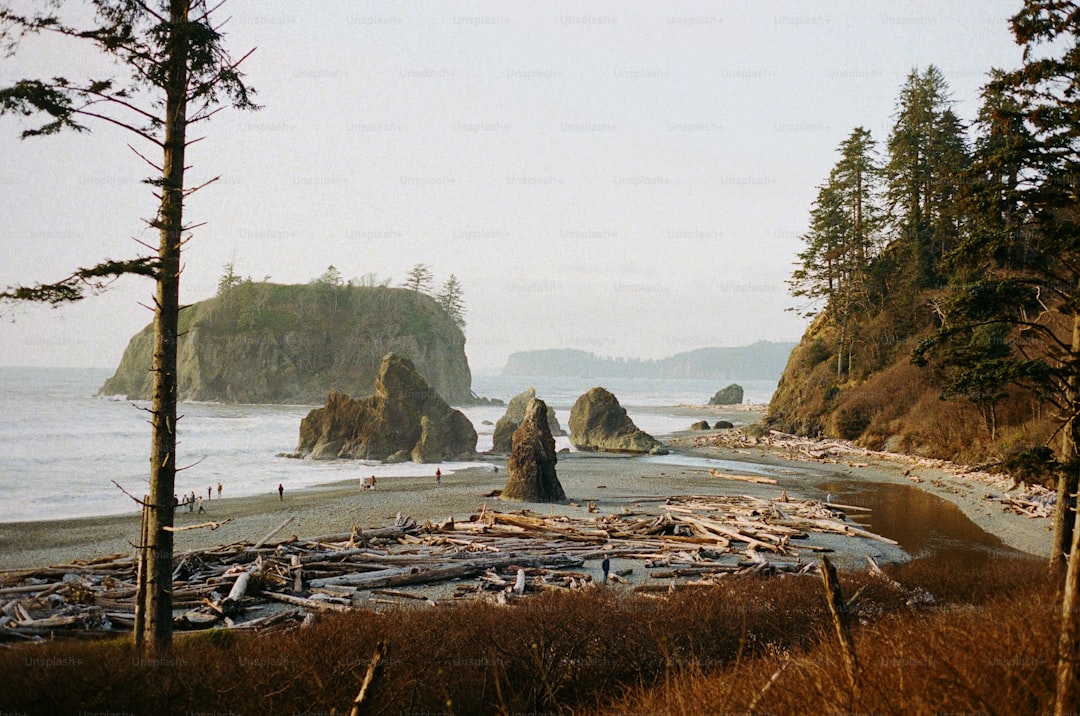
From Baja to British Columbia: Mapping the Ultimate West Coast Route
Mapping a route from the sun-baked dust of Baja to the mist-drenched forests of British Columbia isn't just a road trip; it's a journey through nearly 30 degrees of latitude that forces you to witness the Earth's biological machinery in real time. You’re essentially driving past the California Current, one of only four major eastern boundary upwelling systems on the planet, where nutrient-rich water creates a marine buffet that sustains everything from gray whale calves in Mexican lagoons to the massive salmon runs further north. It’s wild to think that as you head up the coast, you’re tracing the same path taken by whales on a 12,000-mile migration, while simultaneously crossing the San Andreas Fault, where tectonic plates are grinding past each other at about two inches a year.
Honestly, the sheer ecological shift is what gets me. You start in arid desert scrub and eventually end up in the Great Bear Rainforest, a massive 6.4-million-hectare expanse that holds more carbon per acre than almost anywhere else on the globe. We’re also seeing a cool shift in how people access this space, with a 5,000-mile bikepacking trail currently knitting together a non-motorized path from the tip of Baja all the way to the Canadian border. Whether you’re stopping for specific varietals of oysters that taste like the unique minerals of their home estuaries or wandering through coastal fog belts where redwoods pull 40 percent of their water straight from the air, the diversity here is staggering.
But beyond the scenery, there's a fragile technical reality to this coast that’s worth paying attention to. Marine scientists are closely tracking "cold pool" thermal refuges off Oregon and Washington, which act like natural air conditioning for salmon trying to survive increasingly hot summers. You’ll see this reflected in the intertidal zones too, where keystone species like ochre sea stars work to keep the rocky shore ecosystems balanced. It’s easy to just view this as a bucket-list drive, but if you look closer, you’re really navigating a complex, high-stakes environmental corridor that’s as much about survival as it is about the view.
Top 10 Must-Visit Destinations for Your 2024 Road Trip
When you’re planning a major West Coast road trip, it’s easy to get lost in the sheer volume of travel guides pushing generic highlights. But if you look at the map with a more analytical eye, you realize that choosing your stops isn't just about finding a place to crash; it’s about understanding the unique geological and biological pulse of the corridor you’re traveling through. I’ve spent a lot of time looking at how travel patterns shift, and honestly, the best routes are the ones that respect the interplay between the infrastructure we use and the environments we’re passing through. When you narrow down your must-visit list, you want spots that offer more than just a photo op, like places where the geography itself tells a story about how this part of the world actually functions.
Think about it this way: comparing the ancient, fog-dependent redwood systems of Northern California to the high-energy wind tunnels of the Columbia River Gorge gives you a real sense of the coast’s thermal diversity. You aren’t just driving across state lines; you’re crossing climate zones that have been refined by tectonic shifts and massive ocean currents over millions of years. It’s worth being critical of your itinerary because some destinations are essentially fragile ecological hotspots where your physical presence has a direct, measurable impact on the local stability. I tend to favor sites like the Salish Sea or the deep-water transition zones near the Channel Islands precisely because they provide such a high density of biological information in a single vantage point.
Maybe it’s just me, but I find that the most rewarding trips happen when you lean into the science behind the scenery. Whether you’re looking at the basalt cliffs carved by pressure differentials or the shifting dunes of the Oregon coast, you’re witnessing the same forces that have shaped the entire Pacific rim. If you’re trying to decide where to spend your limited time, try to balance these high-impact geological sites with the quieter, more isolated pockets that haven’t been fully commodified yet. I’m not saying you shouldn’t visit the big names, but by anchoring your trip in these specific, research-backed hubs, you’ll end up with a much deeper appreciation for why this particular route is so consistently ranked as the gold standard for road trippers.
Curated Experiences: The 101 Best Things to Do Along the Pacific Coast
When I started mapping out the absolute best things to do along this coast, I realized that a generic checklist just wouldn't cut it. You’re looking at a stretch of geography that functions more like a massive, living laboratory than a typical tourist route. If we’re going to narrow this down to 101 experiences, we have to look past the surface-level attractions and focus on the spots that actually define the Pacific’s character. Whether it's the tectonic drift visible at Point Reyes or the deep-sea biological data captured in Monterey’s submarine canyon, the most rewarding stops are the ones that let you witness how this environment breathes.
Let's pause for a moment to consider why this matters. You’re essentially traveling through a series of specialized biological zones, from the carbon-heavy rainforests of the Olympic Peninsula to the hyper-isolated evolutionary islands of the Channel chain. When you visit these places, you’re not just sightseeing; you’re engaging with the same thermal refuges and nutrient-rich upwellings that dictate the survival of entire marine populations. I honestly believe that if you anchor your itinerary in these specific, high-density sites, you’ll walk away with a much clearer picture of how the entire West Coast operates on a structural level.
So, how do we make sense of it all? I’ve curated this list to balance those high-impact geological giants with the quieter, more technical spots—like the estuary filtration systems at Elkhorn Slough or the volcanic remnants near the San Andreas Fault. We’re moving away from the "must-see" tropes and toward experiences that offer a genuine, research-backed look at the coast's mechanics. Trust me, once you start viewing the kelp forests as wave-dampening infrastructure or the tide pools as indicators of water health, the whole trip starts to feel like a much more intimate, meaningful conversation with the landscape.
Finding the Perfect Stay: A Guide to the West Coast’s Most Iconic Motels

When you’re mapping out a route from Baja to the Great Bear Rainforest, the temptation is always to hunt for the newest luxury resort, but honestly, I think you’re missing the point if you skip the mid-century motor courts. These spots weren't just built for aesthetics; they were precision-engineered for the golden age of the American road trip. Think about the classic U-shaped or L-shaped layouts you see everywhere—those weren't just design choices. They were calculated to minimize the distance between your car and your door, prioritizing pure logistical efficiency for travelers covering hundreds of miles a day. It’s a functional beauty that modern, sprawling hotels just don't replicate.
Beyond the floor plans, there’s a whole layer of physics happening in these buildings that most people walk right past. Those iconic, cantilevered rooflines? They were designed to provide passive shade, effectively reducing solar heat gain during those scorching coastal afternoons. And when you notice the heavy cinder block or wood-frame construction, remember that it was chosen for low thermal mass, letting these rooms cool down rapidly once the coastal fog rolls in at night. Even the pools served a dual purpose, acting as central heat sinks that created a localized micro-climate to keep the surrounding corridors from feeling stifling.
Look, I know we’re all used to high-tech, seamless check-ins, but there’s something about the evolution of these spaces that feels more grounded in the reality of the landscape. Many of these motels sit exactly where they do because they were positioned near early rail lines or highway junctions based on traffic data from decades ago, long before GPS dictated our routes. Sure, some are getting retrofitted with modern Bluetooth entry systems, which can be a total headache given the density of those original exterior walls, but the effort to preserve them is worth it. By choosing a stay that respects these original architectural footprints, you’re not just booking a room; you’re staying in a piece of infrastructure that helped define the way we move across the West.
Chasing Scenery: Navigating the Most Breathtaking Routes in the Pacific Northwest
When you’re mapping out your journey through the Pacific Northwest, it’s helpful to stop viewing these roads as simple transit corridors and start seeing them for what they really are: a structural transect of the Ring of Fire. I’ve always found that the most rewarding routes are those that force you to confront the region's dramatic topography, which exists only because of the ongoing subduction of the Juan de Fuca plate beneath the North American continent. Think about it this way: when you drive the Columbia River Gorge, you’re traversing the only sea-level breach through the Cascades, a gap that acts like a massive wind tunnel because of constant atmospheric pressure differentials. This isn’t just a pretty drive; it’s a masterclass in geology where the basalt cliffs you’re passing are remnants of the Columbia River Basalt Group, one of the most significant volcanic events in planetary history.
If you really want to change your perspective on how we navigate this space, look at how the infrastructure interacts with the environment. Most travelers stick to the pavement, but I’d argue that the Amtrak Coast Starlight actually offers a more intimate look at the coast, specifically between Gaviota and Surf, where the tracks hug cliffs that are physically inaccessible by highway. It’s a rare vantage point that highlights how much of the coastline remains hidden from the standard road-trip lens. Meanwhile, if you’re heading inland toward Oregon’s waterfall-heavy corridors, you’re witnessing the long-term impact of the Missoula Floods, which scoured deep, hanging valleys into the landscape and created the perfect conditions for the state's 200-plus documented waterfalls to exist.
Honestly, the sheer biological resilience of these routes is what sticks with me the most. In the coastal fog belts, you’re moving through a unique drip zone where vegetation captures nearly a third of its moisture directly from the air, a process that makes the forest canopy act as a living, breathing hydrological system. Even in the high-energy intertidal zones, the constant wave action isn't just for show—it’s actively circulating nutrients that keep these ecosystems from stagnating. When you stop at a place like Multnomah Falls, remember that you’re looking at water fed by subterranean springs from Larch Mountain, which is why it stays consistent even when everything else is dry. By anchoring your route in these specific geological and biological markers, you transform a typical drive into a much more technical, and frankly, more fascinating study of how this corner of the world actually functions.
Strategic Travel Tips for an Unforgettable West Coast Adventure
When you’re planning a trip as ambitious as a full West Coast transit, it’s easy to get caught up in just booking flights and hotels, but I’ve found that the real magic—and the most stress—lies in how you actually handle the logistical realities of the Pacific corridor. You’re essentially threading a needle through a series of complex biological and geological zones, so your strategy needs to be as dynamic as the landscape itself. I always tell friends that the best way to approach this is to view your itinerary as a series of environmental interactions rather than just a checklist of stops. For instance, because the California Current acts as a massive thermal regulator, you can experience a 10-degree temperature swing just by driving a few miles inland, which means your packing and timing strategies have to be flexible enough to handle these sudden, sharp shifts in local climate.
And look, if you’re trying to be smart about your time, pay close attention to the timing of your coastal transit to avoid the peak surge of tourist traffic that often clogs the most accessible routes. I personally prefer to move through the major coastal hubs during off-peak windows, because those elevated marine terraces and jagged inlets are best experienced when you aren't fighting for a parking spot at every scenic overlook. It’s also worth considering the specific micro-climates created by the fog belts; if you’re heading into the redwoods, you’ll want to be there when the condensation is at its peak, as that’s when the entire forest feels like it’s breathing. I’ve noticed that most people don’t account for the fact that these coastal ecosystems are literally powered by water pulled from the air, and adjusting your schedule to catch those moments is a total game changer for the quality of your experience.
But beyond just the timing, think about the infrastructure you’re choosing to stay in. Those classic motor courts weren't just built for the aesthetic; they were strategically oriented to leverage natural ventilation and wind patterns, which is a surprisingly efficient way to stay cool without relying on modern, energy-draining systems. When you prioritize these legacy structures, you’re not just getting a room; you’re engaging with the history of how we’ve navigated this coast for decades. I’m honestly a huge fan of checking the local tidal data and wind reports before you set out each morning, because the Pacific is a high-energy system where the environment dictates your movement much more than a GPS app ever could. If you anchor your trip in these research-backed choices—balancing the high-impact geological sites with the quieter, naturally-regulated corridors—you’ll find that your entire adventure becomes far more cohesive and, honestly, a lot less exhausting.
Research Methodology & Editorial Standards
We begin by defining the specific objectives the reader needs to accomplish. Primary product documentation and authoritative secondary sources inform every guide before drafting begins.
Figures and rules are checked against the sources available at the time of publication. Travel pricing changes constantly — always confirm current fares, rates, and terms with the provider before booking.