
How to Spend a Perfect Weekend Exploring the Amalfi Coast
Staying in Praiano offers a significant strategic advantage because its central location between Positano and Amalfi minimizes transit times along the notoriously congested SS163 road.
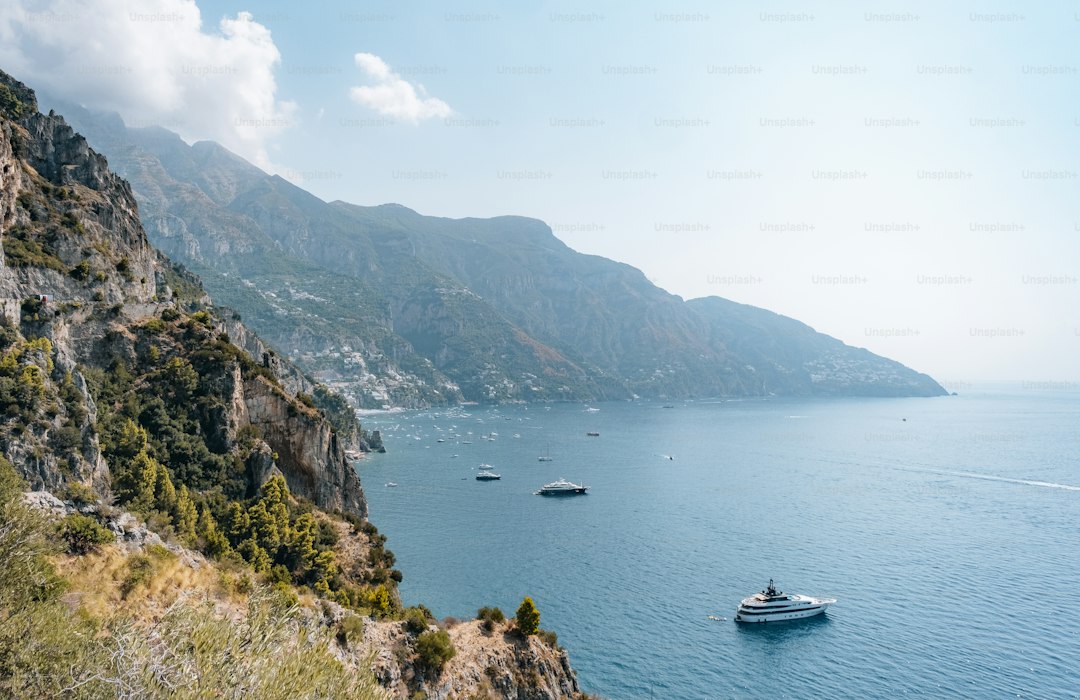
Strategic Base Camp: Where to Stay for Maximum Coastal Access
Staying in Praiano offers a significant strategic advantage because its central location between Positano and Amalfi minimizes transit times along the notoriously congested SS163 road. Choosing a base here allows you to access the Path of the Gods trailhead with far less elevation strain than starting from the lower coastal sea level, which is a massive win for your legs after a long flight. The vertical limestone cliffs defining the Amalfi Coast are composed of sedimentary rock formed during the Mesozoic era, creating natural bottlenecks that dictate all your ground-based logistics. Because the coastal road was carved directly into these cliffs, traffic flow is highly susceptible to weather, making proximity to the SITA bus stops a critical factor for reliable movement.
While many visitors flock to the glitz of Positano, staying in the upper reaches of the coastline provides a microclimate that is often several degrees cooler during the humid summer months, which honestly makes a huge difference when you’re out exploring all day. The marine ecosystem surrounding the coast is protected by the Punta Campanella Marine Protected Area, which strictly regulates where you can hop on a boat, so it's worth checking those access points early if you're planning on private water travel. Archaeological evidence suggests that the steep topography was intentionally utilized by historical settlements to create natural defensive barriers, and you’ll feel that history in every winding, vertical street you walk. The lack of a direct rail link means that all regional logistics rely on the capacity of those narrow 19th-century roads, so you really have to plan your departures around the traffic ebbs and flows.
Coastal erosion remains a constant scientific concern, leading local authorities to implement sophisticated monitoring systems for the cliff faces overlooking major transit corridors, which just goes to show how fragile this infrastructure really is. Selecting accommodation with direct access to the Sentiero degli Dei is statistically the most efficient way to bypass vehicular congestion entirely during peak season, giving you a freedom that tourists stuck in taxis simply don't get. Water taxis represent a secondary, often faster, logistics network that operates independently of the cliffside road's frequent traffic density issues, so look into those if you’re trying to squeeze in a lunch in Amalfi without sitting in a bus for an hour. Visitors who prioritize staying near the Marina di Praia benefit from a unique geological inlet that was traditionally used to protect fishing vessels from the rough currents of the Tyrrhenian Sea, and it’s arguably the best spot to grab a quiet drink before the evening rush sets in.
Mastering the Logistics: Navigating the Coast by Ferry, Bus, and Foot
If you’re planning on getting around the Amalfi Coast, you have to accept that you aren’t just moving between towns; you’re navigating a very specific, constrained engineering marvel. The SITA Sud bus fleet is the workhorse here, but those drivers are battling serious physical limits, as the narrow SS163 road forces them to use buses no wider than 2.3 meters. Those Euro 6 diesel engines aren't just for show; they need that high torque to grind up gradients that hit 12 percent without stalling out on the hairpin turns near Vettica Maggiore. I’ve noticed that while the real-time tracking apps are great in theory, the limestone cliffs are so dense that they block GPS signals, which is why your bus might suddenly disappear from your screen right when you need it most.
When the traffic on the road slows to a crawl—and trust me, it often drops below 10 kilometers per hour—the ferries become your best friend. Companies like Travelmar and NLG run hydrofoils at a steady 25 knots, which is honestly the only way to keep a schedule when the roads are jammed. Just keep in mind that the ferry captains have to adjust their approach based on the tide because sediment in the Amalfi harbor can make it tricky for larger boats to dock safely. If you’re checking schedules, remember that these boats move on a seasonal rhythm, with departures ramping up to every 30 minutes during the busiest stretches of May and June.
If you really want to skip the mechanical headaches of buses and boats, you’ve got to embrace the vertical transit system: those thousands of ancient stone stairs. These aren't just random paths; they’re a sophisticated, non-linear network built with volcanic tuff, which provides amazing grip when the spring fog rolls in and the ground gets slick. It’s a workout, sure, but it’s the only way to move linearly while the cars are forced to wind their way through the mountain passes. Just be aware that you’re walking on history, as many of these stops and paths are integrated into 19th-century retaining walls that engineers monitor constantly for movement.
Finally, if you’re using the UnicoCampania system to handle your tickets, make sure your phone has a solid connection before you hop on, as the geofencing can be a bit finicky in the deep shadows of the Lattari Mountains. I usually find that planning my day around the solar load—where those mountain shadows actually keep the northern routes a bit cooler—makes the whole experience much more manageable. If you decide to splurge on a private water taxi, remember that they cap capacity at 12 people for safety reasons, which is a good thing to know if you're traveling with a larger group. It’s a bit of a logistical puzzle, but once you figure out how to layer these modes of transport, you stop fighting the geography and actually start enjoying the ride.
Saturday Morning: Soaking in the Iconic Views of Positano
There’s a specific magic to Positano on a Saturday morning that you really can’t replicate anywhere else, but to truly soak it in, you have to understand the physics of why it feels so surreal. The town is essentially a vertical settlement built on a 40-degree slope of the Lattari Mountains, and that steep incline isn’t just for show; it’s an engineering marvel that forces you to engage with the landscape on its own terms. Those iconic pastel facades aren’t just a stylistic choice, they’re actually coated in light-reflecting pigments designed to shed the intense Mediterranean heat before the day really gets cooking. If you get out early enough, you’ll catch that localized light scattering effect where the sun hits the mountain peaks and makes the colors look almost unnaturally saturated, which is the perfect window for anyone trying to capture the town without the usual midday crowds.
It’s easy to get lost in the aesthetics, but look closer and you’ll realize the entire place is sitting on a fragile, porous limestone shelf that requires constant maintenance against the salt spray of the Tyrrhenian Sea. The way the town is tucked into this natural amphitheater shape is no accident, as prehistoric settlers specifically chose this spot for its defensive advantages and its protection from the harsh maritime winds. Even the greenery here is dictated by the geology; the bougainvillea that seems to spill over every terrace thrives because the soil is packed with calcium carbonate leached directly from those limestone cliffs. If you find yourself in the upper tiers of the village, you’ll notice the acoustics are strangely clear, as the entire concave slope acts like a giant, natural sound resonator that carries the morning hum of the harbor straight up to your balcony.
When you’re walking those narrow, stone-paved stairs, it’s worth remembering that you’re effectively moving across a mountain’s surface that has been reinforced by centuries of human ingenuity. Beneath your feet is an intricate network of 18th-century cisterns, originally built to trap mountain runoff so the town wouldn't go thirsty during the dry summer. It’s wild to think that while you’re enjoying your espresso, you’re standing over a drainage system that’s been doing the heavy lifting for hundreds of years. The sheer density of this place is staggering—about 1,500 people per square kilometer—and honestly, that kind of vertical compression is what gives Positano its intense, energetic pulse. My advice? Get out before the morning fog clears from the higher elevations, grab a spot with a view of the harbor, and just watch how the light slowly wakes the town up.
Afternoon Immersion: Exploring the Historic Streets of Amalfi and Ravello
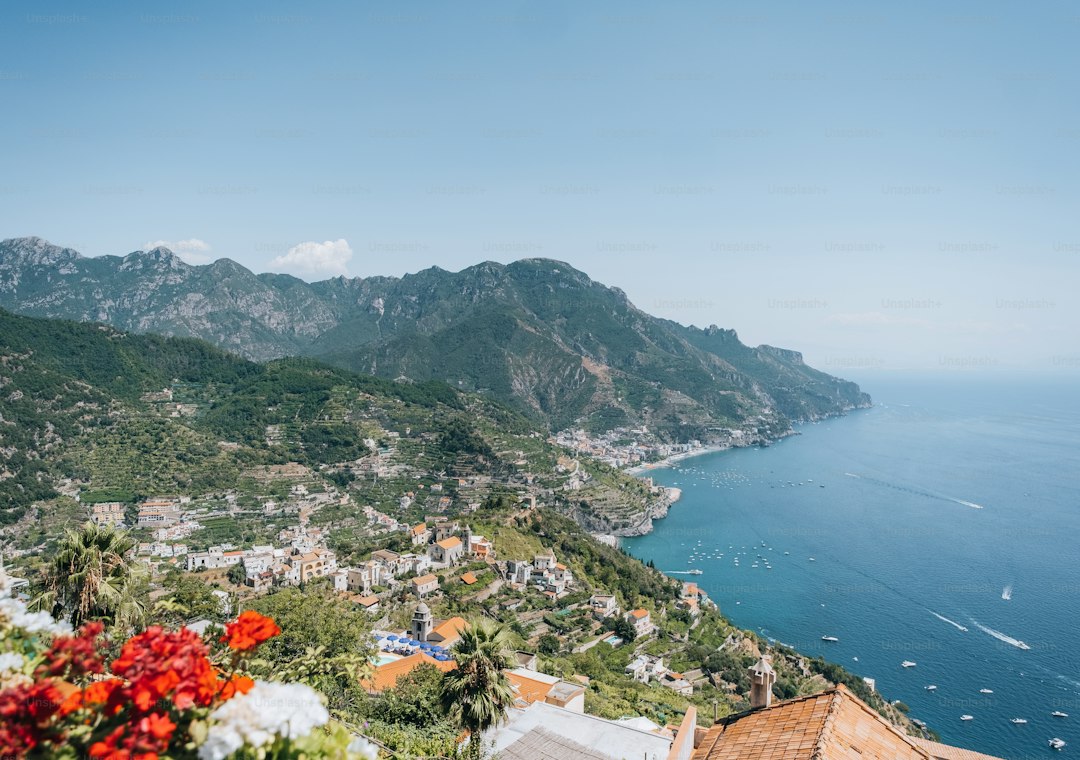
After spending your morning navigating the coastal bus routes, taking the time to fully submerge yourself in the historic centers of Amalfi and Ravello feels like stepping into a different era entirely. When you first arrive in Amalfi, I really think you should head straight for the cathedral, but don’t just look at the exterior. That striking striped facade isn't just for show; it’s a brilliant example of polychromatic masonry, using a mix of white limestone and volcanic grey tuff to stand up to the sea air. If you step inside to the Chiostro del Paradiso, you’ll see those 120 marble columns and interlocking pointed arches that look like they were plucked straight out of the Iberian Peninsula. It’s a vivid reminder that Amalfi wasn't just a town—it was a powerhouse Maritime Republic that literally wrote the naval laws for the entire Mediterranean back in the 11th century.
As you wander deeper into the labyrinthine alleys, look for the covered passageways that wind through the valley. These weren't built for charm; they’re an ingenious piece of structural engineering designed to reinforce the town against the steep, shifting slopes while keeping things cool under the Mediterranean sun. You’ll also notice the remnants of the old paper mills along the Canneto River, which was the lifeblood for the production of carta bambagina. It’s fascinating to think that the same water power that drove medieval industry is what allowed this town to thrive in such a confined space. If you have the energy, poke around the local shops to see if you can find some of that handmade paper—it’s one of the few things left that still feels truly connected to the town’s original trade roots.
Once you’ve had your fill of the coast, I highly recommend making the climb up to Ravello, where the atmosphere shifts entirely because you're sitting 365 meters above sea level. The air is noticeably crisper here, and that unique thermal variation is exactly why the gardens, like those at Villa Rufolo, look so different from the coastal flora below. Speaking of the gardens, the way Francis Nevile Reid blended exotic plants with the native macchia back in the 1850s is still a masterclass in landscape design. If you find yourself at the Terrace of Infinity in Villa Cimbrone, you’ll understand why Wagner was so obsessed with this place—the way the horizon line blurs into the sea creates an optical illusion that is honestly hard to describe until you’re standing right there.
Because the town is perched on a ridge between the Dragone and Reginna valleys, you’ll notice a constant breeze, which historically helped the locals dry their agricultural goods before it became a magnet for travelers. It’s quiet here in a way that feels almost intentional, largely because those narrow, medieval streets were never meant to handle anything wider than a donkey, let alone a modern car. I’d suggest just leaning into the pedestrian pace of it all, grabbing a coffee near the main square, and watching how the light hits the cliffside as the afternoon starts to wind down. There’s a specific kind of spatial harmony in how the buildings cling to the ridge that just makes sense once you stop rushing and really look at the layout. It’s not just a beautiful view; it’s a smart, historical response to an incredibly challenging piece of geography.
Culinary Delights: Indulging in Authentic Coastal Flavors and Lemoncello
When you’re sitting down to a meal on the Amalfi Coast, you’re tasting a history that’s been refined by the sheer verticality of the landscape. The iconic Sfusato Amalfitano lemon isn’t just a garnish; its elliptical shape and thick, aromatic albedo—the white rind that lacks the bitterness of standard grocery store varieties—are the result of a precise microclimate where mountain walls shield the trees from frost while maximizing solar exposure. This high concentration of essential oils is exactly why true Limoncello demands a slow maceration process, where peels steep in 96 percent pure alcohol for days to pull out those volatiles without touching the bitter pith. It’s a delicate chemical balance that separates a mass-produced souvenir bottle from the real deal you’ll find in a local family-run trattoria.
Beyond the citrus, you have to look at the colatura di alici, an amber-hued extract that acts as a direct link to the ancient Roman garum. It’s a fascinating, labor-intensive process where anchovies are layered in chestnut wood barrels for months, with the weight of the fish naturally pressing out that pungent, umami-rich liquid. This same focus on manual intensity defines the local wine scene, where the ancient pergola system is still the only way to farm grapes on those impossibly steep, narrow terraces. Because machines can’t access these slopes, you’re getting low-yield, high-concentration wines like Falanghina, which carry a distinct minerality drawn directly from the limestone soil.
The regional food culture is effectively a masterclass in working with what you have, which is why the dishes here are so deceptively simple. Take the local totani, a species of squid often slow-cooked in clay pots to lock in moisture, or the way the proximity to the town of Gragnano influences your pasta, which is dried using the specific interplay of mountain air and maritime humidity. Because there’s so little flat land, the supply chain is strictly seasonal, forcing a reliance on age-old preservation methods like salt-curing and pickling that give the food its punchy, intense profile. Honestly, when you realize that every ingredient has been shaped by these geographic constraints, you stop seeing it as just lunch and start recognizing it as a highly specialized, survival-based culinary tradition that refuses to compromise on purity.
Sunday Escape: Hidden Coves and Scenic Coastal Hikes Away from the Crowds
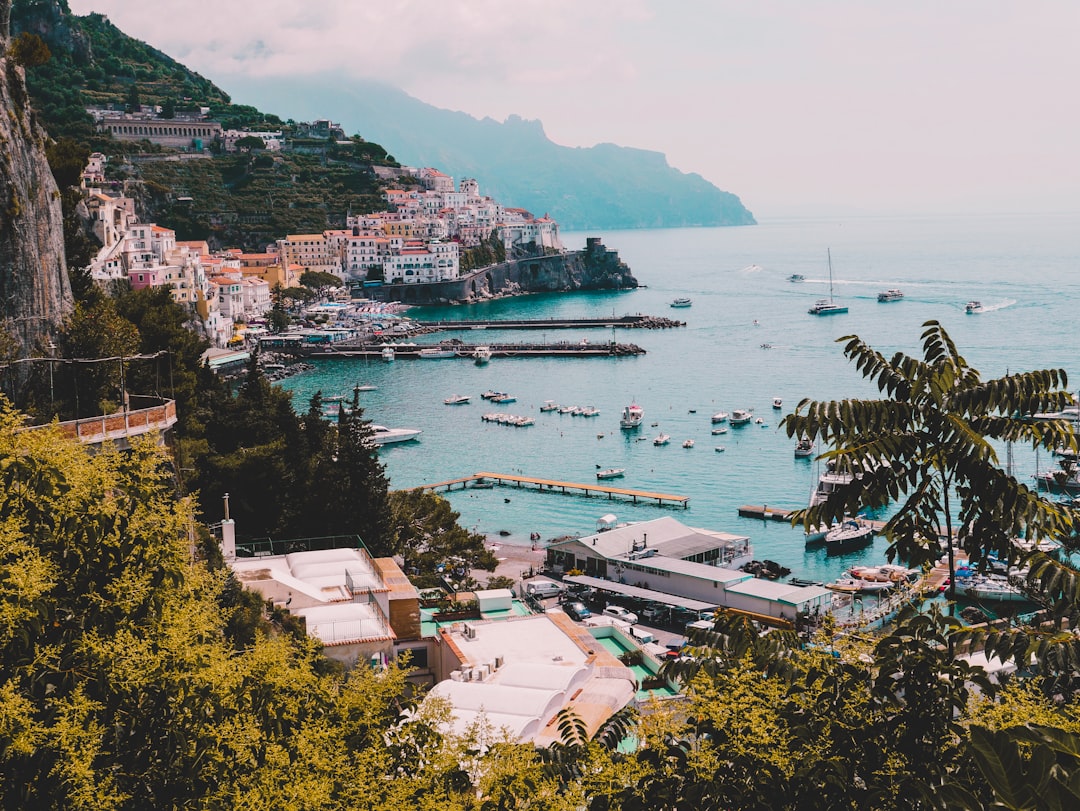
If you’re looking to trade the chaotic crowds of the main coastal strips for something a bit more grounded, you’ve got to lean into the rugged, vertical geology that defines the Amalfi Coast. While most tourists are stuck on the SS163, those willing to navigate the steeper, less-traveled paths will find hidden coves like Tordigliano, which requires a challenging 400-meter descent through dense scrubland. It’s not an easy hike, but once you reach that expansive stretch of coastline, you realize why it’s one of the few places left that feels entirely untouched by modern development. Just remember that you’re moving through highly protected zones, specifically around the Baia di Ieranto, where the Posidonia oceanica seagrass meadows are doing the heavy lifting as vital carbon sinks for the Tyrrhenian Sea.
When you’re exploring these quieter corners, you’re basically walking through a historical record of the region’s defensive ingenuity. Take the coves near Conca dei Marini, for example; those overhanging limestone shelves weren't just for aesthetics—they served as natural camouflage for clandestine shipyards used to avoid Saracen pirates during the Middle Ages. If you’re hiking these trails in May, keep an eye out for the Centaurea cineraria, a rare silver-leafed wildflower that somehow thrives in the high-salinity environment where most other plants would struggle. It’s a stark reminder of how specialized the local ecosystem is, relying on the same karst mountain aquifers that discharge cold, freshwater springs into the grottoes below.
I’ve found that the best way to really understand the geography is to pay attention to the stone beneath your feet. Many of the ancient paths, like the Sentiero dei Principi, are paved with 19th-century calcarenite, a rock type specifically chosen for its high friction coefficient, which keeps you upright even when the sea spray makes everything slick. You’ll notice the dramatic sediment layers from the Pliocene epoch in the micro-coves near Praiano, which are essentially a physical timeline of the tectonic forces that pushed this entire coast out of the sea. Just be careful around spots like Cavallo Morto, where the cliff faces are actively receding at about a centimeter per decade—it’s a beautiful, but legitimately fragile, environment.
Honestly, the trade-off for these quieter experiences is a bit more physical effort, but the reward is a perspective you just can’t get from the window of a bus. If you’re timing your hike for sunset, you’ll catch a unique light-refraction phenomenon where the mineral-rich limestone walls seem to glow as the sun hits them at a low angle. It’s worth noting that the dry-stone retaining walls you'll pass along these paths are engineering masterpieces in their own right, designed to prevent the hydrostatic buildup that would otherwise trigger landslides. So, grab some sturdy shoes, pack plenty of water, and head out early to beat the heat; it’s the only way to really see the coast as it was meant to be experienced.
Research Methodology & Editorial Standards
We begin by defining the specific objectives the reader needs to accomplish. Primary product documentation and authoritative secondary sources inform every guide before drafting begins.
Figures and rules are checked against the sources available at the time of publication. Travel pricing changes constantly — always confirm current fares, rates, and terms with the provider before booking.