
Stay Safe and Cool During Europe's Summer Heat Waves
The transition from heat exhaustion to full-blown heatstroke can happen in as little as 10 to 15 minutes if you don’t start cooling down immediately—yet people routinely ignore early warning signs because they think they’re just tired or dehydrated.
Understand the Risks: Recognizing Heat Exhaustion and Heatstroke Symptoms
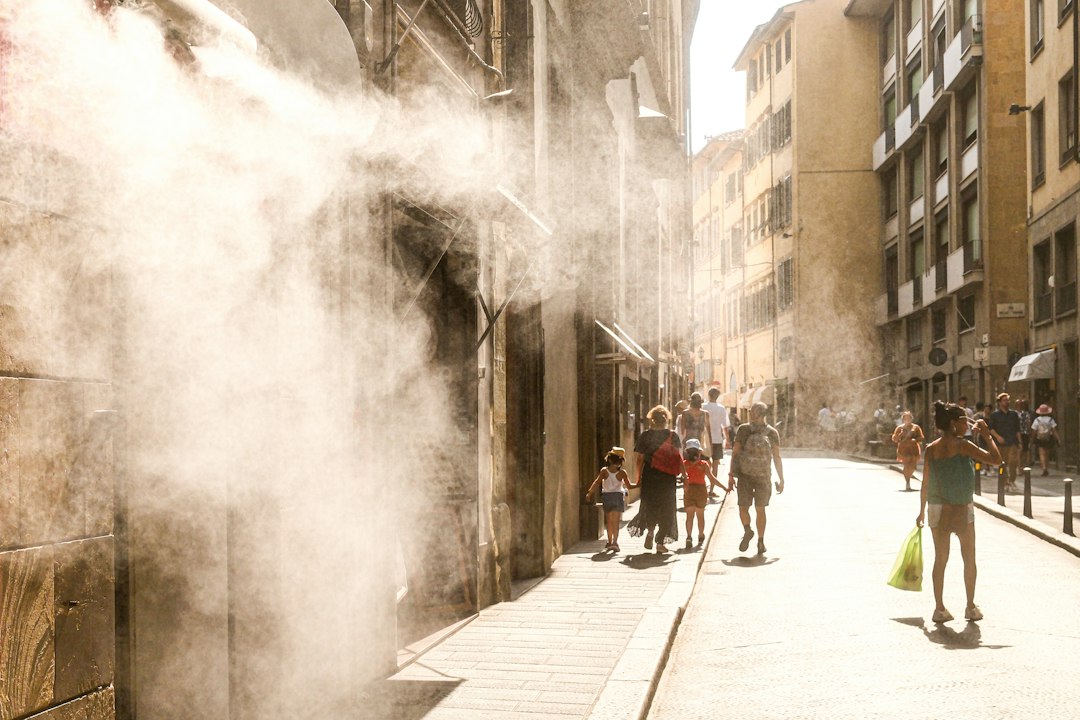
Let’s be real for a second: the line between feeling a little too warm and being in genuine medical danger is terrifyingly thin, and most of us don’t know where that line actually is. The transition from heat exhaustion to full-blown heatstroke can happen in as little as 10 to 15 minutes if you don’t start cooling down immediately—yet people routinely ignore early warning signs because they think they’re just tired or dehydrated. Here’s what catches most travelers off guard: the classic “hot, dry, red skin” you’ve heard about? That’s actually more common in what doctors call classic heatstroke, the kind that hits elderly folks in stagnant apartments. But if you’re out hiking or running in the European sun, you’re far more likely to experience exertional heatstroke, where you’re still sweating profusely because your body is desperately trying to evaporate coolant even as your core temperature climbs past the danger zone.
And that danger zone is narrower than you think. A core temperature of 40 °C (104 °F) is the textbook threshold for heatstroke, but irreversible organ damage can start at just 40.6 °C (105 °F) within half an hour if you’re not actively being cooled. Honestly, the thing that scares me most is how sneaky the neurological symptoms are: confusion, irritability, even slurred speech get brushed off as heat fatigue, but they’re actually your brain cooking. Your hypothalamus—the body’s thermostat—starts glitching, and if you’ve had a couple of beers on that rooftop terrace, you’ve basically hamstrung it even further because alcohol impairs temperature regulation and dehydrates you faster. Same goes for common medications like beta-blockers for blood pressure or anticholinergics for allergies: they blunt your ability to sweat and reduce cardiac output, so your cooling system is running at maybe 60% efficiency without you realizing it.
Now, here’s where the research gets really granular and, frankly, alarming. The “wet-bulb globe temperature” is a far better predictor of heat illness than the number on your phone’s weather app because it factors in humidity, wind speed, and solar radiation together—and when that wet-bulb reading hits 35 °C, humans hit a hard physiological limit. Heatstroke doesn’t just fry your brain; it can trigger a systemic inflammatory cascade that leads to disseminated intravascular coagulation, where your blood both clots everywhere and simultaneously loses the ability to clot at all. That’s a complication few travelers have ever heard of, but it’s a major reason mortality rates for classic heatstroke exceed 50% if treatment is delayed beyond two hours. And kids? They absorb heat three to five times faster than adults because of their body surface ratio, and they produce more metabolic heat per kilogram during play—so that 30 °C day in Rome can be as dangerous to them as a 40 °C day is to you.
What I want you to walk away with is this: heat exhaustion itself already wreaks havoc on your electrolytes, particularly if you’re chugging plain water without salt—that can cause hyponatremia, which triggers seizures that look exactly like heatstroke until a blood test sorts it out. And even if you survive a heatstroke episode, roughly one in three survivors face persistent cognitive issues like memory loss and slowed thinking for months or years because of direct thermal injury to the hippocampus and cerebellum. A single episode also makes your hypothalamus permanently less precise, so you’re more vulnerable to another bout the next time a heat wave rolls in. So when you feel that first wave of nausea, headache, or dizziness on a sweltering afternoon in Barcelona, don’t chalk it up to a bad croissant—your body is sending you a messsage, and the window to listen is painfully short.
Master the Timing: Plan Your Sightseeing for Early Mornings and Late Evenings
Let me be blunt about something most guidebooks won’t tell you: the difference between a miserable, sweat-drenched afternoon in Rome and a genuinely magical travel memory often comes down to a single decision—what time you step out the door. I’ve seen the data from urban heat island studies, and it’s wild how stark the numbers are. City centers like the core of Paris or Rome can be a full 5 to 7 degrees Celsius hotter than the countryside at midday, but that gap shrinks to under 2 degrees in the early morning. So when you’re standing in line for the Colosseum at 1 PM, you’re not just fighting the sun—you’re fighting the fact that all that concrete and asphalt has been baking since dawn and radiating heat back at you. And here’s the kicker: the UV index during that 10 AM to 4 PM window is three to four times higher than at 7 AM or 7 PM. That means shifting your sightseeing to the edges of the day cuts your cumulative solar radiation exposure by at least 70%, even if you’re not in the shade.
But it’s not just about avoiding burns. Your body’s core temperature follows a natural circadian rhythm that bottoms out around 4 to 5 AM, so if you start walking at 6 AM, you’ve got a built-in thermal buffer of about half a degree Celsius before you even begin to heat up. That might not sound like much, but when you’re climbing the Spanish Steps or hiking up to a viewpoint, that half-degree can be the difference between feeling fine and feeling like your brain is simmering. The wet-bulb globe temperature—which actually factors in humidity, solar radiation, and wind, not just the dumb air temperature your phone shows—is typically 4 to 6°C lower at 8 AM than at 1 PM. So the same strenuous activity becomes physiologically far less risky, even if the air temperature difference is only 3°C. A European study on tourist heat stress backs this up: the odds of experiencing heat-related discomfort while sightseeing drop by roughly 60% when you schedule your activity before 10 AM or after 6 PM.
Now, here’s the part that gets me excited from a purely tactical standpoint. Queue wait times at major attractions like the Eiffel Tower, the Colosseum, and the Sagrada Familia drop by 40 to 50% before 9 AM and after 5 PM. That means you spend way less time standing on reflective pavement soaking up direct solar gain—and more time actually enjoying the thing you came to see. Plus, that golden hour light just after sunrise sits around 3500 Kelvin, which is perfect for photography because it eliminates harsh shadows and means you don’t have to step into direct sun to frame a shot. And yes, relative humidity often peaks above 70% in Mediterranean cities in the early morning, but because the air temperature is 5–8°C cooler, your body’s convective cooling still works more efficiently than in the dry 35°C afternoon heat. Think about that paradox: you feel more comfortable in humid 25°C than in dry 35°C, because your body can actually dump heat.
There’s another quiet benefit that’s easy to overlook. Research from the University of Athens found that pedestrian walking speed decreases by roughly 10% for every 5°C increase above 25°C. So shifting your route to cooler hours effectively gives you an extra kilometer or two of sightseeing distance without any extra fatigue. You cover more ground, see more stuff, and you’re not dragging yourself back to the hotel by 2 PM to collapse in an air-conditioned room. And let’s not forget the siesta tradition that still closes many smaller shops, churches, and local markets in Spain and Italy from 2 to 5 PM. That means early morning and late evening aren’t just safer and cooler—they’re often the only windows when those specific sites are even open. So plan your day around the edges, and you’ll not only beat the heat, you’ll beat the crowds, catch better light, and actually experience the city the way it’s meant to be experienced.
Hydrate Like a Pro: Essential Tips for Keeping Water Handy and Avoiding Dehydration
Let’s talk about water. You’d think staying hydrated is the simplest part of surviving a European heat wave, but honestly, it’s where most people trip up in ways that feel counterintuitive. Your thirst mechanism is a lagging indicator, not a leading one—by the time your brain tells you to drink, you’re already 1 to 2 percent dehydrated, and that’s enough to dull your cognitive function and knock your coordination off just a bit. The European Food Safety Authority recommends about 2.5 liters per day for men and 2.0 for women under normal conditions, but when you’re sweating buckets on a 38°C afternoon in Florence, those numbers can easily double. And here’s where the conventional wisdom gets it wrong: chugging plain water isn’t always your best bet. Your small intestine actually absorbs fluids up to three times faster when they contain small amounts of sugar, sodium, and potassium—think oral rehydration solutions or even diluted apple juice. That’s why athletes don’t just drink water; they use electrolyte mixes. Meanwhile, alcohol is a stealthy saboteur in hot weather because it suppresses antidiuretic hormone, so you lose more fluid through urine than the drink itself provides, all while your body’s temperature regulation takes a hit. Caffeine’s not the villain we once thought, though—moderate coffee consumption contributes to daily fluid balance just as well as water for regular drinkers, so don’t skip your morning espresso if it brings you joy.
You need a practical way to gauge where you stand without overcomplicating things, and urine color is your best free diagnostic tool. Aim for pale straw-yellow; dark amber means you’re behind, while completely clear urine could signal overhydration and dangerously low sodium levels—yes, you can drink too much plain water and trigger hyponatremia, which looks a lot like heatstroke until a blood test sorts it out. Many travelers also completely forget that the dry air in air-conditioned trains, planes, and hotel rooms accelerates insensible water loss through breathing. You lose extra fluid just sitting there, so that 500ml bottle you nursed on the train from Paris to Marseille might not be enough. Reusable bottles with built-in UV purification or filtration systems have become increasingly popular in 2026, and for good reason: they let you safely refill from public fountains across Europe without relying on single-use plastic, and they’re a reliable way to always have water within arm’s reach. Electrolyte tablets or powders are a practical addition, too—they replace the salts lost in sweat and help prevent muscle cramps and heat exhaustion before they start.
Now, here’s the stuff that’s easy to overlook but makes a real difference. Eating water-rich fruits and vegetables—cucumbers, watermelon, oranges—can contribute up to 20 percent of your total fluid intake, and they come with vitamins and minerals that plain water can’t provide. Older travelers need to be especially careful because the thirst sensation diminishes with age, and kidney function declines, so an otherwise fit 70-year-old can become dangerously dehydrated without feeling a thing. The most effective behavioral hack I’ve seen in the research is setting a timer on your phone to take a few sips every 15 to 20 minutes. It sounds ridiculously simple, but it bypasses your unreliable thirst cues and builds a habit that keeps your fluid levels steady throughout the day. Combine that with a water bottle that fits in your daypack, a few electrolyte tabs in your pocket, and a piece of fruit for the afternoon, and you’ve got a system that works even when the pavement is radiating heat and your brain is telling you everything’s fine. Because by the time you feel thirsty, you’ve already lost the game—you want to stay ahead of that curve.
Choose Your Oasis: Seek Out Air-Conditioned Hotels, Museums, and Public Cooling Centers
Here’s the thing about air conditioning in a European heat wave: it’s not just about comfort—it’s about giving your body a fighting chance to reset. A single 15-minute stint in a properly cooled room can drop your core temperature by about 0.5°C, which is often enough to pull you back from the edge of heat exhaustion. But not all air-conditioned spaces are created equal, and the difference matters. The most effective cooling centers maintain a steady 22–24°C range; any colder and you risk shocking your system into muscle cramps, any warmer and your body never fully sheds the heat load. Humidity is the hidden variable here—a hotel room cranked to 20°C but sitting at 60% relative humidity feels clammy and draining, while a 24°C room with humidity dialed down to 40–50% actually lets your sweat evaporate efficiently, making you feel genuinely refreshed. That’s a distinction most travelers miss, but it’s the difference between a good night’s sleep and waking up still groggy.
Timing your cool-down matters just as much as the temperature. Research from the University of Copenhagen shows that spending just 40 minutes in a cooled environment restores your body’s ability to regulate heat for up to three hours afterward. So you don’t need to camp out in a museum all afternoon—a focused break around noon to 1 PM is actually the sweet spot, because that’s when your core temperature starts climbing most steeply. And here’s where public libraries become your secret weapon: Barcelona’s libraries saw a 300% surge in visitors during last summer’s heat wave, and they’re free, quiet, and often equipped with HEPA filters that strip 99.97% of pollen from the air. Italy’s new 2026 law now requires all public cooling centers to provide free drinking water and keep a defibrillator on site, so these spaces have officially become multi-purpose safety hubs. The Vatican Museums went a step further, installing radiant cooling panels in the floors back in 2025—those panels absorb heat directly from your body without blowing dust around, preserving frescoes and keeping visitors comfortable without that dry-eye feeling.
Now, watch out for the traps. Many older European hotels still rely on evaporative coolers rather than true air conditioning, and those units actually raise indoor humidity, leaving you stickier and more uncomfortable than if you’d stayed outside in the shade. I’ve made that mistake myself—booked a charming boutique hotel in Florence that advertised “cooling,” walked into a room that felt like a damp greenhouse, and spent the night tossing. The newer generation of public cooling centers gets it right: Vienna now uses “cool pavement” made of reflective materials that stay up to 12°C cooler than standard asphalt, even when outdoor temps hit 35°C. That means the plaza outside the cooling center isn’t radiating heat back at you the second you step out. So your strategy should be simple: locate a true air-conditioned space—museum, library, or modern hotel—plan your midday break between noon and 1 PM, and aim for rooms that keep humidity under 50%. Your body will thank you, and you’ll emerge with enough thermoregulatory stamina to actually enjoy the evening passeggiata.
Dress for the Heat: Lightweight, Breathable Fabrics and Sun Protection Essentials
Let’s start with a hard truth that usually gets buried in the “pack light” advice: a standard white cotton T-shirt, the kind you probably tossed into your suitcase without thinking, offers a UPF of only about 5. That means one-fifth of the sun’s UV radiation still punches straight through to your skin, and if you sweat through it or jump into a fountain to cool off? That protection drops to a UPF of just 3. So you’re basically walking around in a glorified paper towel. And here’s where the color paradox trips everyone up: darker fabrics like navy or black absorb more UV before it reaches your skin, which is great for protection, but they also absorb more heat, making you feel like you’re wearing a radiator. Light colors reflect heat but let more UV pass through, so you’re cooler but less protected. There’s no perfect answer, but for European sightseeing where you’re moving between sun and shade, I’d take a dark, loose-weave synthetic over a white cotton tee any day—because at least the dark fabric is blocking rays even if it feels a bit toastier.
Now, let’s talk about those “high-tech” performance fabrics you see plastered all over the outdoor gear reviews. Polyester and nylon blends use capillary action to wick sweat away, which sounds great until you realize they only work when there’s airflow. If you’re standing in a motionless queue for the Uffizi at 1 PM, that fancy shirt can actually trap heat and moisture against your skin, turning your microclimate into a damp sauna. Merino wool is the quiet sleeper here—it can absorb up to 30 percent of its own weight in moisture without feeling wet, then releases that moisture slowly to keep your skin dry even when you’re not moving. I’ve worn a 150-gram merino tee through a 40°C afternoon in Seville, and while I wasn’t exactly comfortable, I wasn’t drenched either, which is more than I can say for the guy next to me in a soaked polyester jersey. And then there are the gimmicky phase-change fabrics with paraffin wax microcapsules that melt and absorb heat—they work for about 20 to 30 minutes, then need a cooler environment to “recharge.” Fine for a quick sprint across a plaza, useless for a full day of exploring.
Sunscreen is where the research gets genuinely depressing. Most people apply only a quarter to half of the recommended amount of 2 milligrams per square centimeter of skin, which means that SPF 50 bottle you’re holding is functionally an SPF 25 or worse. And if that bottle sat in a hot car or your beach bag last summer? After three years, the active ingredients can lose half their effectiveness, so you’re essentially rubbing on expensive lotion with placebo-level protection. There’s also a thermal trade-off between mineral and chemical formulas: mineral sunscreens with zinc oxide or titanium dioxide reflect UV rays, while chemical sunscreens absorb UV and convert it to heat, which can actually raise your skin temperature slightly on an already sweltering day. I’ve switched to a mineral stick for my face during heat waves, and while the white cast is annoying, I notice I feel cooler than when I use chemical versions. Don’t forget your lips—they have no melanin and almost no natural protection, yet the lower lip is a prime spot for skin cancer, so a lip balm with SPF 30 or higher is non-negotiable. And that UPF 50 shirt you’re eyeing? It blocks 98 percent of UV, while a UPF 30 shirt blocks 96.7 percent—the difference seems trivial, but over ten hours of walking, that extra 1.3 percent adds up to a significant cumulative exposure.
Last piece of the puzzle: your head and eyes. A standard baseball cap shields only the top of your scalp, leaving your ears, back of the neck, and cheeks fully exposed—a wide-brimmed hat with UPF 50+ cuts facial UV exposure by over 60 percent. And sunglasses? The UV400 rating blocks 99 to 100 percent of UVA and UVB rays, but those cheap fashion sunglasses sold on the streets of Rome? Many have zero UV protection, and because your pupils dilate behind the dark lenses, you’re actually letting more harmful radiation hit your retina than if you went bare-eyed. I’ve seen travelers spend hundreds on a nice hotel but balk at a €20 pair of UV400-rated glasses from a pharmacy, and it makes no sense to me. So here’s the bottom line: skip the cotton, embrace a dark or merino synthetic, wear a wide-brim hat with a real UPF rating, apply double the sunscreen you think you need (and reapply every two hours), and buy legit sunglasses before you leave home. Your skin won’t send you a thank-you note, but it’ll still be intact when the heat wave passes.
Know What to Avoid: Strenuous Activities, Alcohol, and Leaving Anyone in a Parked Car
Look, I need to be honest with you about something that genuinely keeps me up at night when I see travelers posting those midday hiking photos from the Amalfi Coast. A single bout of strenuous exercise in 40°C heat can elevate your core temperature by about 1°C every five minutes, which means even someone in peak physical condition can cross into heatstroke territory—that 40°C threshold where organs start taking damage—in under 25 minutes. And here’s the kicker: humidity changes everything. At 80 percent relative humidity, even a moderate stroll becomes as physiologically demanding as a full sprint in dry air, because your sweat can’t evaporate and your body’s primary cooling mechanism just shuts down. I’ve seen the data from exertional heat illness studies, and rhabdomyolysis—where your muscle fibers literally break down and dump toxins into your bloodstream—can set in within hours of pushing too hard in those conditions, landing perfectly healthy people in dialysis. So that run along the Seine at noon? Please don’t. And if you do exercise, stop gradually: sudden cessation without a cool-down makes blood pool in your legs, drops your blood pressure, and you might just faint alone on a park bench.
Now let’s talk about alcohol, because I know you’re probably dreaming of a cold Aperol spritz on a rooftop terrace, and I’m not here to ruin your vacation—just to give you the real numbers. A single beer increases your urine output by about 40 percent over the next two hours, so that drink is actually draining more fluid from your body than it’s providing, and you’re falling further behind without realizing it. Alcohol also blunts your perception of body temperature by dampening the shivering response by nearly a third, meaning you won’t notice your core creeping up until it’s too late. Worse, it dilates your peripheral blood vessels, which makes your skin feel warm and flushed but actually accelerates heat absorption from the environment—you’re basically running your radiator in reverse. And the hangover the next morning? That dehydration makes you prone to chugging plain water, which can trigger hyponatremia when your sodium levels crash, causing seizures that look identical to heatstroke until a blood test sorts it out. So if you’re going to drink, pace it with electrolyte-rich fluids and food, and never let that post-sunset buzz convince you that you’re fine to hike back up the hill to your hotel.
The third piece of this puzzle is the one that honestly makes me angriest because the public messaging is still so weak: you cannot leave anyone—child, pet, elderly relative—in a parked car, no matter how quick you think your errand will be. On a 35°C day, the interior of a car hits 47°C within ten minutes and exceeds 60°C in just half an hour, and cracking the windows lowers that peak by only one or two degrees, which is statistically meaningless. A child’s body heats up three to five times faster than an adult’s, so they can suffer life-threatening heatstroke even when the outside temperature is as mild as 21°C—I’ve seen the emergency room data from places like Texas and southern Europe, and it’s heartbreaking how often this happens because a parent thought “I’ll just be five minutes.” Dogs are even more vulnerable because they rely on panting for cooling, and once humidity climbs above 60 percent, that mechanism fails completely, leading to fatal heatstroke in as little as six to eight minutes. So the rule is simple and it’s non-negotiable: if you’re getting out, everyone gets out. Period. The AC won’t save them if the engine cuts off, and even a running car with AC can fail or be stolen—the risk simply isn’t worth the convenience. Plan your stops so someone stays with the vulnerable members of your group, or choose destinations where you can all enter together. That’s the kind of boundary that separates a smart traveler from a tragic headline.
Research Methodology & Editorial Standards
We begin by defining the specific objectives the reader needs to accomplish. Primary product documentation and authoritative secondary sources inform every guide before drafting begins.
Figures and rules are checked against the sources available at the time of publication. Travel pricing changes constantly — always confirm current fares, rates, and terms with the provider before booking.