
How to Stay Safe and Cool While Traveling Through a European Heat Wave
You know that feeling when you're three days into a European trip, it’s 3:00 PM, and suddenly the map makes zero sense?

Mastering the Midday Slump: How to Strategically Plan Your Sightseeing
You know that feeling when you're three days into a European trip, it’s 3:00 PM, and suddenly the map makes zero sense? That’s not just travel fatigue; it’s your biology hitting a wall. Circadian rhythms dictate that your core temperature hits its peak right when the city centers are most thermally hostile, turning every cobblestone street into a radiator. Research shows that our cognitive performance on complex tasks, like deciphering a foreign transit map, dips by about 20 percent during this post-lunch window. Your body is busy shunting blood to your skin to cool you down, which ironically leaves your brain feeling sluggish and foggy.
Honestly, pushing through this isn't a badge of honor; it’s a recipe for heat exhaustion, which usually starts as mild irritability long before you realize you're actually in trouble. If you’re dealing with humidity over 60 percent, your hydration needs jump by 15 percent, even if you’re just standing still. I’ve found that the best approach is to stop fighting the clock. Instead of wandering, look for a museum between 2:00 PM and 4:00 PM. These institutions are built with massive climate-controlled infrastructure that acts as a buffer against the urban heat island effect, which keeps cities sweltering well past sunset.
If you can, try the split-shift method. It sounds counterintuitive to head back to your hotel when you’ve paid to see the world, but data suggests that taking a midday reset actually leads to higher daily step counts overall because you aren't completely wiped out by dinner. Even a quick 20-minute nap is enough to reset your motor performance to a morning baseline. Just remember that your body needs about 90 minutes to truly stabilize its temperature after moving from the pavement into the AC. Don't rush back out too fast, or you'll just be fighting your own physiology all over again.
Hydration and Health: Essential Precautions to Prevent Heat-Related Illness
Let’s be real for a second: when you’re trekking through a European city in the middle of a heatwave, you can’t just rely on your body to tell you when it’s time to drink. Thirst is actually a lagging indicator, showing up only after you’ve already hit a one or two percent fluid deficit, which is exactly when you start to lose your edge. But don’t just chug back-to-back bottles of plain water, because that’s a fast track to hyponatremia where you end up diluting your blood sodium until you feel even worse. You really need to think about electrolytes like sodium and potassium as the keys to your cellular locks; without them, that water you’re drinking just passes right through you instead of actually hydrating your system. And if you’re nursing a glass of wine at lunch, keep in mind that alcohol effectively shuts off the hormone your kidneys need to conserve water, which is basically pouring fuel on your dehydration fire.
It’s also wild how much your gear influences your internal thermostat. If you’re wearing dark colors, you’re essentially walking around in a heat-absorbing sponge, forcing your heart to work overtime just to keep your core stable. I’ve learned the hard way that swapping to loose, breathable linen or high-tech moisture-wicking fabrics makes a massive difference in how much sweat actually evaporates to cool you down. Humidity is the hidden enemy here; when it’s thick outside, your sweat can’t evaporate properly, meaning you might be overheating without even realizing you’re drenched. Watch out for simple things like antihistamines or decongestants, too, because they can literally mess with your body’s ability to sweat or regulate blood flow, leaving you way more vulnerable than you’d expect.
Honestly, the most reliable metric you’ve got is the old-school check: look at your urine color. If it’s anything darker than pale straw, you’re already behind, and you need to prioritize electrolyte-fortified fluids over coffee or tea. Think of heat-related illness as a cumulative debt; if you don’t fully recover your hydration and core temperature at night, you’re starting the next morning in a deeper hole than the day before. When you really start to feel that intense heat, try running cold water over your pulse points—your wrists, neck, and temples—to cool the blood closer to the surface. It’s a simple, effective trick that helps lower your subjective feeling of heat when the environment feels like it’s closing in on you. Just stay consistent with these small adjustments, and you’ll find you can actually enjoy the trip instead of just white-knuckling your way through the afternoon.
Navigating European Infrastructure: Managing Lack of Air Conditioning in Historic Cities
When you’re booking a stay in a centuries-old palazzo or a Roman apartment, you’ll quickly realize that the charm of historic architecture comes with a distinct lack of modern climate control. It’s easy to feel frustrated when you’re staring at a stuffy room, but these buildings weren't actually designed for neglect; they were engineered for a time before electricity, relying on heavy thermal mass to regulate their own environment. Those thick stone walls act as a thermal buffer, absorbing the sun’s energy throughout the day and releasing it only once the sun goes down, which explains why your room might feel surprisingly cool at noon but a bit warmer by late evening. You’ll also notice that locals are obsessive about keeping external shutters drawn tight during the day, and you should be too, as this simple move can keep indoor temperatures up to five degrees Celsius lower by blocking solar gain before it even touches the glass.
Think about the way these cities are laid out, too; those narrow, winding alleys were built for defense, but they function as natural wind tunnels that pull cooler air through the district. If you're staying in an older unit, try to create a pressure differential by opening windows on opposite sides of the building during the early morning hours, which helps flush out the stagnant air trapped from the night before. Because heritage laws often block the installation of modern AC condensers, you’ll find that many places rely on thermal stratification, where high ceilings allow rising heat to gather well above your living space. If you’re really struggling to find relief, look for buildings with internal, plant-filled courtyards, as the vegetation releases moisture that naturally cools the air around it through transpiration.
Honestly, if you're feeling desperate, I’d suggest checking if your hotel has cellar-level rooms, as these subterranean spaces often stay below 20 degrees Celsius regardless of the blistering heat outside. You can also lean on the building's own construction by sticking to stone or ceramic flooring, which acts as a thermal sink and draws heat away from your body through simple conduction. When you’re out exploring and the heat starts to feel heavy, don't forget that those historic public water fountains are usually fed by mountain-sourced aqueducts, providing much colder water than standard taps for cooling your pulse points. It’s not the high-tech experience you might get in a modern tower, but learning to work with these ancient design features is the real key to surviving a European summer without melting down.
Dressing for the Heat: Breathable Fabrics and Gear for Summer Travel
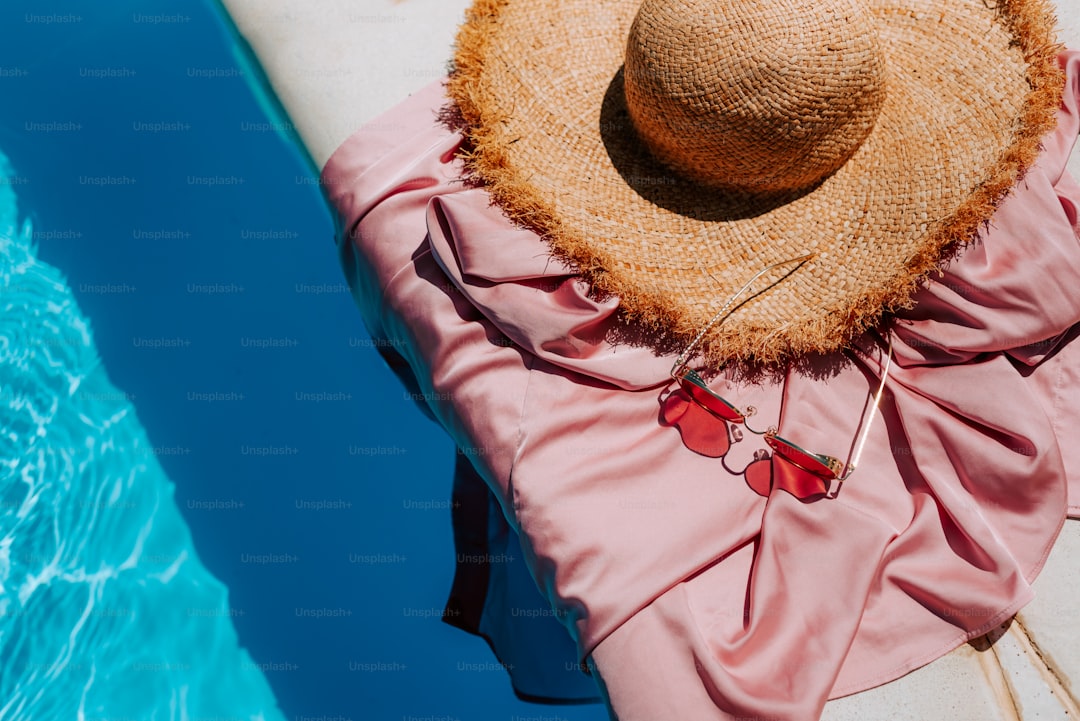
When you're staring down a summer forecast that feels more like a furnace, your clothing choices move from a matter of style to a fundamental piece of your travel infrastructure. Honestly, it’s easy to grab the nearest cotton shirt, but that’s often a mistake because cotton’s tendency to hold moisture can quickly turn into a heavy, heat-trapping layer against your skin. Instead, I’ve found that looking at the actual engineering of a fabric changes everything. Merino wool, for example, is biologically gifted with a natural crimp that creates tiny air pockets, letting it wick moisture away from your body much faster than the synthetic polyesters you might see on standard athletic racks. If you want to get serious about your microclimate, look for fabrics with high moisture vapor transmission rates, which is just a technical way of saying the material lets your sweat escape as vapor before it ever has a chance to pool and make you feel clammy.
And it’s not just about the fiber; it’s about the architecture of the weave. Take seersucker, for instance—that classic puckered texture is actually a functional design that holds the fabric away from your skin, creating a permanent channel for airflow that keeps you feeling fresh. But be careful with linen; while we all love its breathability, a really tight weave can actually trap heat like an insulator, so you really want to hunt for a looser, more open structure. Then there’s the tech side, like phase-change materials that absorb and release heat to keep your temperature steady, or garments infused with ceramic particles that actively reflect infrared heat instead of just soaking it up. Even the hemline matters; I’ve found that technical hiking skirts or dresses with high-low geometries do a much better job of encouraging convective currents around your legs than traditional, restrictive pants ever could.
Don't ignore the gear that touches the pavement, either. Shoes with open-cell foam footbeds are a game changer because they act like a bellows, pushing hot air out of your shoe with every single step you take. I’ve also started using compression socks made with specialized cooling polymers, which sounds like overkill until you realize they actually prevent that common, uncomfortable fluid retention that happens when your body is struggling to manage the heat during a long day of walking. And if you’re looking at sun-protective gear, don’t just settle for a high UPF rating; look for items that feel light and porous, because if the weave is too dense, you’re essentially wearing a barrier that prevents your body from equalizing with the outside air. It’s a lot to think about, but once you start aligning your gear with your body's natural cooling mechanisms, you’ll find you can actually stay out and enjoy the city instead of constantly looking for the nearest exit from the sun.
What Not to Do: Avoiding Common Mistakes During Extreme Temperature Spikes
When you're navigating a heatwave, it is incredibly easy to fall into traps that feel logical but actually sabotage your body’s cooling systems. One of the biggest mistakes I see travelers make is cranking the air conditioning in their rental to the absolute lowest setting, thinking it’ll cool the room faster. In reality, this just forces the unit to run continuously without ever reaching the target temperature, which can lead to mechanical icing or total system failure. Similarly, don't make the mistake of relying on car sunshades as your main cooling strategy; they might block some light, but the greenhouse effect will still push cabin temperatures toward 60 degrees Celsius in less than an hour, which is enough to fry your electronics or compromise your battery.
Another thing to watch is your physical activity schedule, especially in urban environments. You might think the cool of the evening is safe, but asphalt and concrete are massive heat sinks that continue radiating trapped energy long after sunset, keeping your environment sweltering for hours. It’s also vital to rethink your diet and grooming habits while you're out there. High-protein meals actually trigger a significant thermic effect, which forces your metabolism to generate extra internal heat just to digest your lunch, while thick, heavy sunscreens can physically block your pores and prevent the sweat evaporation you desperately need. And please, put down the carbonated drinks; that gas distends your stomach and makes you feel full, which tricks you into drinking less water right when your body is at its most vulnerable.
Perhaps the most counterintuitive piece of advice is to be careful with fans when the mercury climbs above 35 degrees Celsius. At that point, they stop cooling you and effectively become convection heaters, blowing hot air directly across your skin instead of helping your sweat evaporate. Also, as tempting as it is, avoid wetting your clothes to stay cool, as this often traps moisture against your skin and creates a humid microclimate that triggers heat rash rather than relief. Most importantly, keep a close eye on your travel companions for early neurological red flags, like repetitive questions or sudden irritability, because those are often the first signs of heat-related confusion—a condition that can impair your judgment just as much as mild intoxication. Always check the heat index rather than the raw temperature, and remember that your ability to think clearly is the first thing to go when your core temperature starts to climb.
Finding Sanctuary: Utilizing Public Spaces and Cool-Down Zones While on the Move
When you are navigating a sweltering city, finding a place to reset isn't just about escaping the sun; it is about finding specific environments that physically work against the heat. I find it helpful to look for older urban cathedrals, where the massive, high-vaulted ceilings facilitate thermal stratification, keeping the cooler, denser air right where you are standing while pushing the heat high up toward the dome. If you happen to be near a public library, those floor-to-ceiling windows often use spectrally selective coatings that block infrared radiation, keeping you cool without the artificial, drying blast of standard air conditioning. I honestly prefer these spots over cafes, as they are naturally designed to stay quiet and comfortable for hours.
Think of public parks and botanical gardens as your most accessible cooling infrastructure, especially those featuring water elements that trigger evaporative cooling. These spaces can be up to 9 degrees Celsius cooler than the nearby pavement because the surrounding deciduous trees provide deep shade and facilitate latent heat loss. If you find yourself in the middle of a transit hub, look for those massive, high-volume low-speed fans. They are engineered to break the stagnant layer of hot air around your skin without the dehydration that comes from high-velocity AC units, which I’ve always found makes a world of difference when you are already struggling to stay hydrated.
When the pavement feels like it’s radiating heat back at you, head for an underground metro station or a historic cloister. These spaces act as thermal sinks, utilizing the massive thermal mass of the earth or thick stone walls to provide a steady, buffered temperature that stays consistent even when the street level hits record highs. I’ve made a habit of sitting on stone or marble surfaces in these shaded areas because they facilitate conductive cooling, effectively drawing heat away from your body much faster than a plastic park bench ever could. If you pass a public fountain fed by a deep-well aquifer, don't hesitate to splash your pulse points, as that water is typically around 12 to 14 degrees Celsius, offering a much more aggressive cooling effect than standard municipal tap water.
Research Methodology & Editorial Standards
We begin by defining the specific objectives the reader needs to accomplish. Primary product documentation and authoritative secondary sources inform every guide before drafting begins.
Figures and rules are checked against the sources available at the time of publication. Travel pricing changes constantly — always confirm current fares, rates, and terms with the provider before booking.