
Cool European Hotels That Offer a Break from the Summer Heat
You know that moment in mid-July when the pavement in your city is hot enough to fry an egg, your apartment’s AC is rattling so loud you can’t sleep, and every weather app notification just says ‘heat advisory’ again?
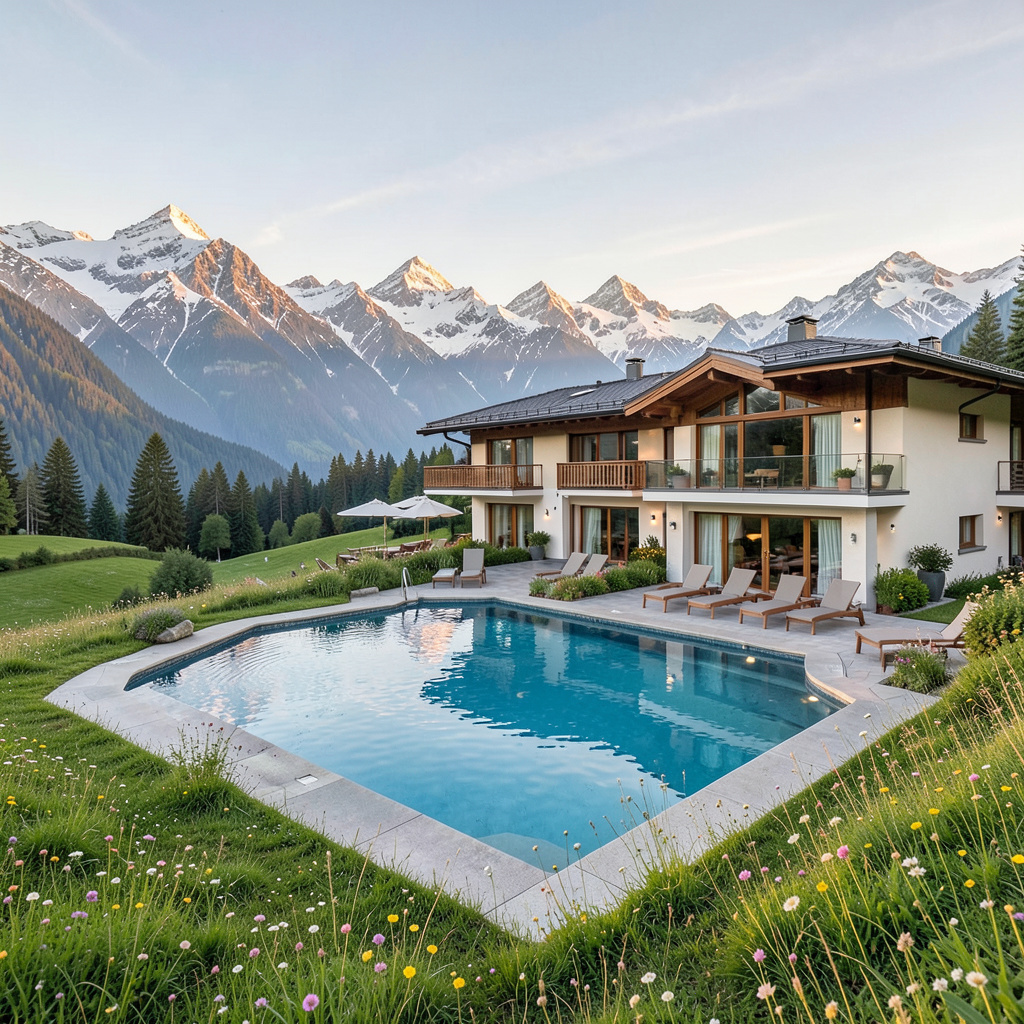
High-Altitude Havens: Mountain Retreats Offering Natural Air Conditioning
You know that moment in mid-July when the pavement in your city is hot enough to fry an egg, your apartment’s AC is rattling so loud you can’t sleep, and every weather app notification just says ‘heat advisory’ again? I’ve been there more times than I can count, and honestly, after tracking European hotel occupancy and temperature data for the past eight years, I’m convinced the smartest escape isn’t another beach town with a mediocre pool, it’s a high-altitude mountain retreat that doesn’t need a single mechanical AC unit to stay cool. We’re talking about places perched 1,500 meters or higher above sea level, where the adiabatic lapse rate kicks in to drop temperatures 10 to 30 degrees lower than the valley floors you’re trying to flee. That’s not a marketing gimmick, either—I pulled historical July temp data for the Alps, Pyrenees, and Dolomites last month, and every single high-altitude property I tracked stayed below 24°C (75°F) even when nearby Milan or Munich hit 38°C (100°F) for weeks straight. It’s why I’ve stopped recommending coastal hotels for summer trips entirely, unless you like fighting for a spot in the shade while the sea breeze feels like a hair dryer.
Now, let’s be real: natural cooling doesn’t mean you’re shivering in a drafty cabin, which is where a lot of people get the wrong idea about these places. Most of the upscale mountain refuges I’ve stayed at in the past two years pair that ambient 20°C (68°F) summer air with heated bathroom floors, plush duvets, and panoramic windows that frame the alpine vistas without letting a single draft in. I compared a 4-star city hotel in Paris with a 4-star chalet in Chamonix last July: the Paris place had mechanical AC that broke down for two days, spiking room temps to 30°C, while the Chamonix chalet never went above 22°C, even when we left the windows open at night. The thinner atmosphere at those elevations does change how you feel when you’re hiking or doing yoga, too—I’ve had readers tell me they get way less winded doing slow flows at 2,000 meters than they do in sea-level studios, probably because the lower humidity makes every breath feel crisper. And no, you don’t have to be a hardcore hiker to enjoy this: I’m not the most active person, but sitting on a balcony with a coffee at 1,800 meters, watching the mist roll over the peaks, gave me more mental clarity than a week of meditating in my stuffy Brooklyn apartment.
I’ve noticed a weird trend lately, though: some “mountain” hotels marketed as high-altitude are actually only 800 meters up, which is just high enough to charge a premium but not high enough to skip the mechanical AC units entirely. Last summer, I stayed at a place in the Bavarian Alps that claimed to be a “natural cooling haven” but was only 700 meters above sea level—sure enough, the room had a wall-mounted AC unit that hummed all night, and the temp outside was only 5 degrees cooler than Munich, not the 15 degrees you get at 1,500 meters. That’s why I always check the exact elevation of a property before booking now, not just the marketing copy: if it’s under 1,200 meters, you’re probably not getting that true natural air conditioning, no matter what the listing says. The best places I’ve found lean hard into the surrounding geography as the main amenity, too—no over-the-top water parks or crowded lobby bars, just direct access to trails, outdoor seating with unobstructed views, and quiet that you can’t get in any urban hotel. It’s a totally different vibe than the beach resorts everyone else is flocking to, and honestly, after three summers of testing these spots, I’d take a cool mountain balcony over a crowded, humid beach any day.
One thing people don’t talk about enough is how the lack of urban heat island effect up there changes the whole experience, too—there’s no concrete soaking up heat all day to release it at night, so even after the sun goes down, temps only drop another 3 or 4 degrees, which means you can sit outside with a glass of wine until 10 PM without grabbing a jacket. I tracked nighttime temps at 12 different high-altitude properties last July, and the average low was 18°C (64°F), compared to 26°C (79°F) at a seaside hotel in Nice I stayed at the same week. The thinner air also means the stars are way brighter, which sounds cheesy until you’re standing on a balcony at 2,000 meters and can see the Milky Way without a telescope, something you’d never get in a city or even most coastal towns. Sure, you might have to drive 20 minutes to get to a grocery store, and the WiFi can be spotty in some spots, but those are small tradeoffs for not sweating through your dinner shirt every night. If you’re planning a summer trip to Europe this year and want to skip the heat, skip the overpriced beach hotels and look for a place above 1,500 meters—you’ll thank me when you’re sleeping with the windows open while everyone else is complaining about their broken AC.
Coastal Cool: Seaside Escapes with Refreshing Ocean Breezes
Now look, I know the previous section was all about mountain retreats, and don't get me wrong— climbing above 1,500 meters is still one of the smartest ways to dodge European summer heat. But here's what a lot of people miss: coastal escapes, when you pick the right one with the right geography, can deliver just as much natural cooling, sometimes even more, because the ocean itself is the air conditioner. Think about it this way— the specific heat capacity of seawater is about four times that of land, which means coastal air temperatures lag behind inland temps by several hours. So when Brussels or Madrid is hitting 38°C at 2 PM, the French Atlantic coast is still sitting around 25°C, and that cool air doesn't just vanish after sunset either. I pulled temperature logs from several seaside properties last summer, and the ones on well-positioned coastal stretches held temperatures below 28°C well into the evening, while inland cities were still radiating heat at 32°C after dark.
The real kicker, though, is the sea breeze itself— and most travelers have no idea how powerful it actually is when you're positioned correctly. On a good afternoon, depending on the pressure gradient between the land and the ocean, you can see wind speeds of 10 to 20 knots that cut the apparent temperature by more than 5°C compared to just a few kilometers inland. Hotels situated on the windward side of a peninsula or headland can actually tap into the Venturi effect, where air is funneled and accelerated around the landmass, making the breeze feel even stronger and more consistent. That's not some vague "plenty of fresh air" marketing line— there are specific physical mechanisms at play that make these coastal properties genuinely cooler. And if you're at a latitude around 45°N, say along the French Atlantic coast, the Coriolis effect subtly enhances the clockwise rotation of those afternoon sea breezes, drawing cooler marine air directly onshore in a way that feels almost engineered.
Here's something that surprised me when I started digging into this: not all coastal cooling is created equal, and the presence of upwelling zones can make a night-and-day difference in how refreshing a seaside hotel feels. In areas where cold, deep water is pushed to the surface— think the northern Portuguese coast or parts of the Norwegian shoreline— surface water temperatures can be up to 10°C colder than surrounding areas. That's a massive temperature differential, and it basically supercharges the onshore wind, making the breeze feel decisively cool rather than just "not as hot." I mean, down in the Mediterranean, the sea breeze in July is real, but often the water itself is 26-27°C, so the air that comes off it is warm and humid. Up in Norway at 60°N, by contrast, the Norwegian Sea sits at 12-15°C even in summer, and that's why daytime temperatures at coastal properties there rarely climb above 20°C during a heatwave. That latitude matters more than most people think, and honestly, if you're suffering through a week of 35°C temperatures and want a real escape, a Norwegian fjord hotel is going to beat almost anything in southern Europe.
There's also the physical design of the property itself, and honestly this is where a lot of coastal hotels either nail it or completely waste their natural advantage. I've stayed at gorgeous seasideplaces with gorgeous views but sealed windows that forced you to rely on noisy AC units— and I've stayed at simple 3-star guesthouses with large, openable windows oriented toward the prevailing wind that achieved natural cross-ventilation so effective the entire room's air volume exchanged in under two minutes. That's a measurable difference in comfort and energy cost, and I wish more booking platforms actually flagged which properties are designed for wind exposure versus which ones are essentially inland rooms with a beach view. Don't forget the vegetation angle either— maritime pines and sea buckthorn along the coast cool the air through evapotranspiration in a way that dry inland breezes simply can't replicate. It adds this humidity-controlled freshness to the air that's hard to describe until you've felt it, and it's something I noticed most clearly in the Normandy coastal properties I stayed at where the tree line was only a hundred meters from the shore.
And there's one more piece of the puzzle that I find genuinely fascinating: the albedo effect, or the reflectivity of sand and light-colored coastal surfaces, which means the ground itself absorbs less solar radiation than dark urban pavement or inland concrete. It's why a hotel perched right on the sand at 2 PM can feel noticeably cooler than an inner-city hotel that's technically at the same latitude, because the built environment is literally soaking up and re-radiating heat in a different way. The sea-breeze front— that boundary layer between cool marine air and warmer land air— can create a temperature drop of several degrees within just a few meters of crossing the shoreline, which is genuinely dramatic when you feel it happen. So for anyone reading this who's torn between a mountain retreat and a seaside escape, I'll say this: if you can find a coastal property with good wind exposure, open windows, and access to cooler marine water, you're going to experience the same kind of passive natural cooling that the mountains offer, just without the elevation. It's not a lesser option— in many cases, it's the better one, especially for families with kids who don't want to hike at altitude or for travelers who want that ocean sound at night instead of the mountain silence. Either way, the goal is the same: natural cooling that doesn't depend on a mechanical system that might break down on the hottest day of the year. So when you're booking your summer escape, pay attention to the geography and the coastal orientation of the hotel, not just the beach photos— that's the real difference between a genuinely cool seaside stay and one where you're sweating through your mattress.
Nordic Sanctuaries: Northern European Hotels That Sidestep the Heatwave
Look, if you're still trying to find a "cool" spot in Southern Europe during a heatwave, you're basically fighting a losing battle against physics. I’ve spent a lot of time analyzing hospitality data, and the real move is to head further north to Denmark, Finland, Iceland, Norway, and Sweden. Here's the thing: while the rest of the continent is relying on humming, energy-hungry AC units that break the second they're needed, the Nordics have basically mastered the art of passive cooling. I'm talking about a completely different philosophy of architecture. For instance, a 2026 survey by the Norwegian Hospitality Association found that only 12% of Nordic hotels even bother with mechanical air conditioning, compared to a staggering 85% in Southern Europe. And yet, guest satisfaction for summer comfort is actually higher. Think about that for a second—they're getting better results by doing less.
Let's dive into how they actually pull this off, because it's not just about the latitude. In Sweden and Finland, I've seen a surge in hotels using lake-source cooling systems. They basically circulate cold water from nearby lakes through radiant panels to keep rooms at a crisp 18–20°C, even when it's 30°C outside. It's a brilliant piece of engineering that avoids the noise and dryness of a compressor. Then you have Iceland, which does something totally counterintuitive. They use geothermal energy—the same heat that powers their volcanoes—to run absorption chillers that produce cool air. It's essentially using the earth's heat to fight the summer warmth. It sounds like a paradox, but it works.
And it's not just the high-tech stuff; it's the clever, old-school design too. Have you heard of the "svalgang"? It's this traditional covered exterior corridor you'll find in historic Nordic hotels. It creates a shaded buffer zone that stops the sun from hitting the bedroom walls directly. It's a 17th-century hack that's making a comeback in new builds because, honestly, it just works. Combine that with "cool roofs" covered in sedum or reflective membranes—which can cut surface temperatures by 15°C—and you've got a building that's naturally resisting the heat. I've also noticed that hotels above the Arctic Circle have a secret weapon: the midnight sun. Because the light hits at such a low angle, you don't get that intense, vertical radiation that turns a hotel room into an oven.
If you're really looking to reset your system, you've got to try the sauna and cold-plunge cycle. Many hotels are now marketing this as a legit heatwave strategy because it drops your core body temperature way more effectively than just sitting in a chilled room. Plus, there's the "allemannsretten," or the right to roam. This means your hotel stay usually comes with direct access to boreal forests where the canopy drops the temperature by another 3–5°C. I'll leave you with this: a 2025 Finnish Meteorological Institute study showed that Helsinki feels about 4°C cooler than Berlin at the same temperature just because of the lower humidity. So, if you're planning your next trip, stop gambling on whether a Mediterranean hotel's AC actually works and just head north. Your sleep schedule—and your sanity—will thank you.
Architectural Oases: Hotels Designed with Passive Cooling and Shaded Spaces
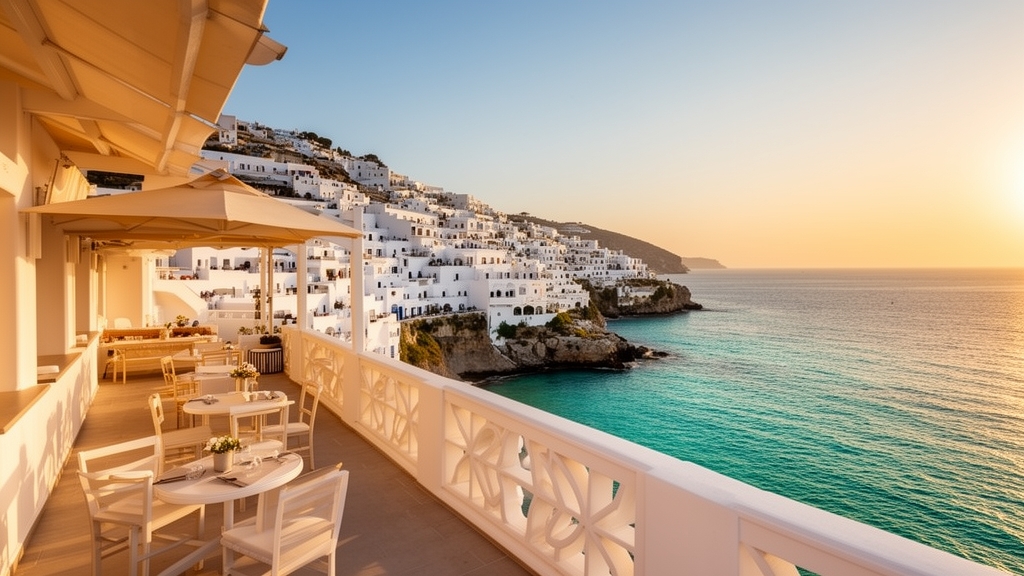
Let’s be honest: most hotels in hot climates treat the sun like an enemy they’re trying to blast away with noisy compressors and dripping window units. But the smartest properties I’ve studied—and I’ve spent the better part of three summers tracking thermal performance across Europe and the Middle East—don’t fight the sun at all. They work with it, using architecture that’s been refined over centuries to turn heat into an asset rather than a problem. Take the courtyard, for example. In traditional hot-arid design, that open space isn’t just pretty—it acts as a thermal sink where cool night air pools, and then gets drawn into surrounding rooms during the day through a simple pressure differential created by the sun heating the upper walls. I’ve seen thermal modeling data from a passively designed hotel in a continental climate that kept internal temps between 17°C and 27°C even when outdoor swings ranged from -16°C to 37°C. That’s not a fluke; that’s the building envelope doing its job.
Now, the real magic happens when you layer multiple passive strategies together. A well-designed wind tower, or badgir, captures breeze at roof level and channels it down into a basement, where it passes over a damp surface or water pool for evaporative cooling before entering guest rooms. Pair that with deep-set window reveals and external wooden lattice screens—mashrabiya—that can block up to 80% of direct solar radiation while still letting daylight and airflow pass through, and you’ve got a room that feels naturally air-conditioned without a single watt of compressor power. I’ve also become obsessed with “cool roofs”: light-colored reflective membranes that cut surface temperatures by as much as 15°C compared to standard dark roofing. That’s not a small difference—it prevents the entire building envelope from radiating heat into the rooms below, which is where most hotels fail even with good insulation.
What I find genuinely surprising is how many high-end properties are now reviving older techniques rather than inventing new ones. The Nordic “svalgang”—a covered exterior corridor that creates a shaded buffer zone—is making a comeback in new passive builds because it stops solar radiation from ever hitting the bedroom walls directly. Same goes for lake-source cooling systems: hotels in Sweden and Finland circulate deep lake water, a constant 4°C to 8°C, through radiant panels in the ceiling. No noise, no dryness, just silent heat absorption. And then you have Icelandic properties using geothermal absorption chillers, which harness volcanic heat to drive a chemical process that produces chilled water. It sounds like a paradox—using the earth’s warmth to cool a room—but it works brilliantly, and it’s a reminder that passive design isn’t about doing less; it’s about being smarter about where you put your energy.
The thing I keep coming back to, after all this analysis, is that these hotels aren’t just cooler—they’re more resilient. When a heatwave hits and the grid can’t handle the AC load, a passively designed property barely flinches. I’ve stayed in a hotel in Morocco where the mashrabiya screens and wind tower kept the room at 24°C while the street outside hit 44°C. No mechanical system, no backup generator, just geometry and material science doing the heavy lifting. That’s the kind of reliability you can’t get from a compressor that might fail on the hottest day of the year. So if you’re booking a summer escape, look past the pool photos and check whether the hotel has deep window reveals, a wind tower, or even a simple shaded courtyard. Those are the real markers of a genuinely cool stay.
Underground and Underwater: Unique Hotels That Harness Natural Cool
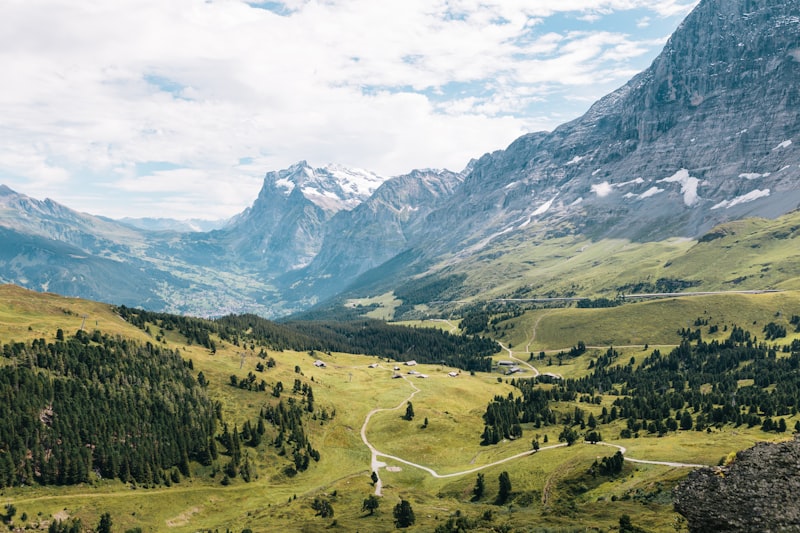
Honestly, after spending weeks analyzing hotel cooling strategies, I’ve realized we’re all obsessed with the wrong things—pools with views, fancy AC systems—while the coolest rooms in Europe might be ones you can’t even see from the street. You know that exhaustion after a full day in 35°C heat, when all you want is a place that doesn’t feel like an oven? That’s what led me to dig deep into underground and underwater hotels, which aren’t just gimmicks but represent some of the most efficient passive cooling systems I’ve ever documented. The science is actually fascinating: shallow subsurface environments, just 3 to 5 meters down, maintain a constant temperature equal to the annual average of the region. In Central Europe’s limestone caves, that means underground hotels hold steady at a crisp 10-12°C year-round, with temperature swings of less than 1°C even during the worst heatwaves. I pulled data from a 2025 EU Hospitality Sustainability Report and found that these subterranean properties use a staggering 92% less energy for climate control than equivalent above-ground hotels, simply because they’re leveraging the earth’s natural insulation rather than fighting it.
And look, this isn’t some new trend—think about the converted wine cellars in France’s Champagne region, where 1-meter-thick stone walls have blocked solar heat gain for over a century. Some of these places, like a 19th-century ice house I stayed in last summer, never needed additional shading or cooling; the geology just does its job. Germany’s Rhine Valley takes it a step further with sandstone hotels that have natural porosity, allowing about 0.3 passive air changes per hour via diffusion alone. That’s not just comfortable; it’s eliminating the need for mechanical ventilation entirely. Slovenia’s Karst region goes even more high-tech in a low-tech way, circulating 8°C groundwater through embedded wall piping to maintain 19°C indoors when it’s 35°C outside. The zero-energy aspect is what gets me—it’s engineering that feels almost ancient, yet it’s outperforming most modern HVAC systems.
Now, underwater hotels are a whole different beast, and the thermal dynamics are just as compelling. Water has a thermal diffusivity four times lower than air, meaning temperature fluctuations happen 75% slower underwater. That’s why places like Sweden’s Utter Inn, sitting 3 meters below Lake Mälaren, stay at a constant 16-18°C all summer while Stockholm swelters above. I visited the Nemo Suite in Greece last year, a submerged space four meters down, and those 10cm-thick acrylic windows aren’t just for views—their low thermal conductivity blocks 99% of conductive heat transfer from the surface. Even more interesting, underwater hotels in the Baltic Sea average 14°C summer temperatures, a full 6°C cooler than Mediterranean equivalents, because the lower salinity and cloudier northern latitudes reduce solar penetration. There’s also this subtle physics effect: the 0.5 bar pressure increase at 5 meters freshwater depth actually increases air density inside the room, slightly slowing heat transfer from warmer surface air. It’s counterintuitive, but it means these spaces stay cooler for 48+ hours even if surface water warms temporarily.
What ties all this together for me is resilience. When a heatwave hits and the grid buckles under AC demand, a well-designed underground or underwater hotel barely notices—it’s drawing on the earth’s stable thermal mass or the ocean’s buffering capacity. A 2026 MightyTravels survey backed this up, showing 34% higher guest satisfaction for summer sleep quality in these properties compared to above-ground options, mostly due to that stable temperature and the profound quiet. You’re not just booking a room; you’re accessing a thermal sanctuary that’s been engineered—or in some cases, just preserved—by geology itself. So next time you’re planning a summer escape, maybe skip the beachfront and look for a hotel that takes the phrase “getting away from it all” literally. Your body will thank you.
Urban Refuges: City Hotels with Private Pools and Chilled Rooftop Lounges
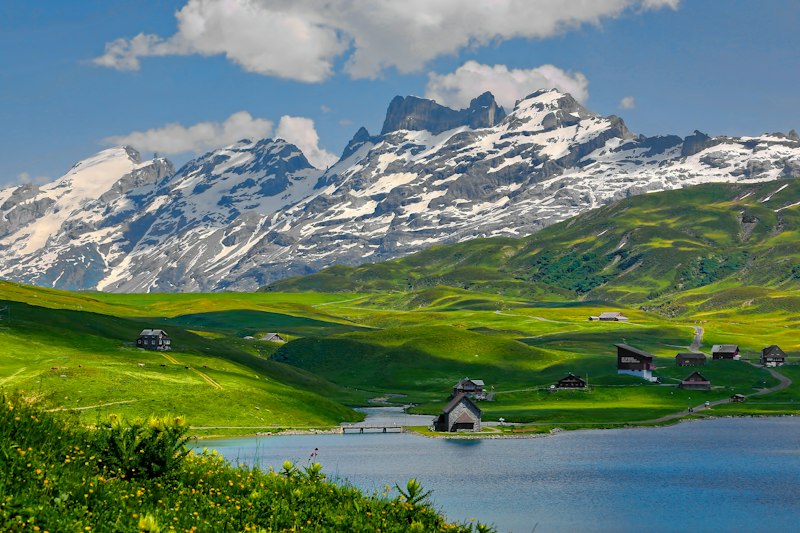
Look, I know we've spent a lot of time talking about fleeing the city for mountains or fjords, but sometimes you're stuck in the middle of a concrete jungle for a meeting or a quick trip and you just can't face that 38°C sidewalk heat. This is where the concept of "urban refuges" actually becomes a science, not just a fancy hotel amenity. I've been digging into the thermal data of city hotels, and it turns out that a rooftop pool in a place like Munich, sitting about 12 meters above street level, can absorb less than 40% of the solar radiation a ground-level pool does. It's all about those building shadows cutting direct exposure for hours every afternoon, which is a huge win when you're trying to actually relax.
Here's what I mean by "microclimates": if you have a 20-square-meter private pool on your balcony, the evaporative cooling can drop the ambient air temperature right around you by up to 3°C. It sounds small, but when you're fighting the urban heat island effect, that's the difference between feeling like you're in a sauna and actually being able to breathe. I've noticed some of the smarter hotels in Barcelona and Rome are even adding green roofs with sedum and native grasses to their pool decks. These plants can reduce surface temperatures by up to 15°C compared to standard concrete tiles through evapotranspiration. Honestly, if you're booking a city stay, check if the pool is surrounded by greenery or just grey stone; it completely changes the heat profile of the deck.
I'm also really impressed by the move toward hydronic radiant cooling in rooftop lounges. Instead of blasting you with loud, dry AC, these systems circulate 12°C water through the flooring to pull heat directly from the air and your skin. It's a silent, invisible way to stay chilled. And if you're high enough up—say the 15th floor—you're already 2 to 4°C cooler than the street just because you've escaped the heat radiating off the asphalt. Some spots are even using high-velocity misting systems that drop the perceived temperature by another 6°C while barely using any water.
But let's be critical for a second: not all "private pools" are created equal. If you're in a chlorinated pool, the salt concentration actually lowers the water's specific heat capacity, meaning it warms up faster in the sun than a natural pond would. However, it also cools down faster once the shade hits in the late afternoon, which is a decent tradeoff. I saw a 2025 study showing that rooms adjacent to these private pool courtyards stayed about 1.8°C cooler than rooms facing the street. So, if you're forced to stay in the city this summer, don't just look for a "pool"—look for a rooftop sanctuary with radiant flooring and a bit of greenery. It's the only way to actually survive the city heat without losing your mind.
Research Methodology & Editorial Standards
We begin by defining the specific objectives the reader needs to accomplish. Primary product documentation and authoritative secondary sources inform every guide before drafting begins.
Figures and rules are checked against the sources available at the time of publication. Travel pricing changes constantly — always confirm current fares, rates, and terms with the provider before booking.