
Cool European Hotels That Actually Beat the Summer Heat
” American Cold targets 68°F to 72°F, with air that actually feels crisp when you walk in.

Air-Conditioned Hideaways: The European Hotels That Prioritize True Climate Control
Look, let’s be honest about what “air conditioning” actually means when you book a hotel in Europe this summer. I’ve seen the data, and the disconnect is staggering: most properties that check the “AC” box on Booking.com or TripAdvisor aren’t delivering anything close to what you’d expect if you’re coming from North America. The real story here is a fundamental split between “American Cold” and “European Cooling.” American Cold targets 68°F to 72°F, with air that actually feels crisp when you walk in. European Cooling, by contrast, often keeps rooms at 77°F or higher—and that’s if the system stays on. The dirty secret is that many hotels run “Central Cooling” systems programmed to shut off at midnight to meet energy quotas, leaving you sweating through the hottest part of the night. I’ve talked to travelers who arrived in Rome during a 100°F heatwave only to find a wall unit blowing a lukewarm breeze that barely takes the edge off. It’s not malice—it’s regulation. The European Union’s aggressive 2030 climate goals have forced hotels to prioritize energy efficiency over raw cooling power, and the result is a grand canyon between what’s advertised and what’s delivered.
But here’s where it gets interesting: a small but growing subset of hotels is treating climate control as a serious engineering problem rather than a checkbox amenity. Hotel renovation budgets across Europe are shifting heavily toward HVAC upgrades, with solar integration and automated temperature controls becoming standard investments. I’m seeing properties install heat pumps and geothermal systems that maintain comfortable temperatures without the massive electricity draw of traditional window units. Some hotels now explicitly guarantee “guaranteed climate control” as a premium feature—they’re putting their reputation on the line by specifying performance, not just presence. Take The Langley, a Luxury Collection Hotel just outside London: it offers full air conditioning throughout its public spaces, which is genuinely rare even in high-end European hotels where cooling is usually restricted to guest rooms only. And then you have properties like Château de Raymontpierre in Switzerland’s Jura Canton, sitting at 3,200 feet above sea level, where summer nights regularly drop into the lower 50s Fahrenheit. That’s a 16th-century stone castle attached to a working farm—zero compressors, zero energy bills for cooling, and yet it delivers better climate control than most five-star hotels in Paris. The thick stone walls and elevation do what technology struggles to replicate: stable, comfortable temperatures without the midnight shutdown problem.
The market is responding to this gap, and the data backs it up. Global hospitality consultancy reports confirm that hotels without reliable cooling systems face measurable drops in guest satisfaction and occupancy during peak summer months. That’s a direct financial incentive, and it’s driving the shift I’m tracking. Automated zone-specific controls are being integrated to reduce energy waste while still delivering comfort to occupied rooms—it’s a smarter approach than the old “blast everything or nothing” model. But here’s my takeaway for anyone planning a trip: don’t trust the amenity filter. If you’re booking during a heatwave, call the hotel and ask three questions: what temperature does the AC maintain, does the system run 24/7, and is cooling available in common areas? The properties that answer clearly and confidently are the ones doing it right. The rest are selling you a lie—and charging you a premium for it.
Beyond the AC Unit: Creative Hotel Cool-Down Strategies From Pool Temperatures to Frozen Pajamas
Look, I’ve spent years tracking how hotels actually handle heat, and the more I dig, the more I realize the real innovations aren’t happening inside a compressor. The smartest properties have figured out that fighting 100°F air with a wall unit is a losing battle, so they’re attacking the problem from a dozen different angles instead. Take the frozen pajama thing—it sounds ridiculous until you see the numbers. A handful of European hotels now keep sleepwear in a dedicated freezer at roughly 40°F, then hand it to you at turndown. Thermoregulation studies show that can drop your core body temperature by half a degree in the first hour and cut the time it takes to fall asleep by up to 50 percent. That’s not a gimmick; that’s applied physiology. And they’re not stopping there. Pool temperatures at these properties are deliberately kept between 68°F and 72°F instead of the typical 80°F, because water below 77°F pulls heat from your body at about four times the rate of air at the same temperature. One hotel in Portugal even offers midnight swims in a 68°F pool, citing a 2023 sleep study that found immersion below 70°F boosts slow-wave sleep duration by 15 percent in the next cycle. I mean, that’s not just a cool amenity—that’s a data-backed sleep intervention.
But the most impressive stuff happens while you’re not even thinking about it. A growing number of boutique hotels in southern Europe are installing phase-change material mattress toppers that absorb 80 to 100 BTUs of body heat per square meter during the night and release it during the day, keeping the sleeping surface at a stable 65°F without using a single watt of electricity. That’s a completely passive system, zero moving parts, and it outperforms most air conditioners in terms of actual comfort. Then there’s the night-flushing approach used in historic stone hotels across Tuscany’s hill towns. They install motorized windows that automatically open at 2 a.m. when outside air drops below 60°F and close at dawn. The result? Indoor peak temperatures can be up to 10°F lower than in sealed rooms. No energy cost, just smart building physics. And for the rooms that still get stuffy, some properties now offer an in-room ice machine paired with a simple fan-and-ice-basin setup. The math is straightforward: melting one kilogram of ice absorbs 334 kilojoules of heat from the surrounding air, so you can drop a room’s temperature by 5°F to 7°F in under half an hour. It’s low-tech, cheap, and surprisingly effective—especially compared to a broken AC unit that shuts off at midnight.
What really gets me excited, though, is how these strategies scale and compare. The geothermal heat pumps I’ve seen in Spain and Italy circulate 50°F groundwater through radiant ceiling panels, maintaining a comfortable 72°F room temperature while using 40 percent less energy than conventional compressor systems. That’s a serious engineering win, and it’s repeatable. Meanwhile, the cooling menus at luxury properties—chilled towels infused with 2 percent menthol and 5 percent eucalyptus oil—can lower your perceived temperature by 8°F on thermal comfort scales within three minutes when applied to the carotid artery and wrists. That’s a chemical hack, not a mechanical one, and it works because your brain registers temperature partly through skin receptors, not just ambient air. And then there’s the glacial stream pool at one alpine hotel: they pump water directly from a 39°F stream, run it through a heat exchanger to raise it to a brisk 55°F, and you get a swim that triggers cold-shock thermogenesis—burning about 200 calories in 20 minutes. Is that a gimmick? Maybe. But it’s also a genuinely different way to cool down that doesn’t involve any fossil fuels. Here’s my takeaway: the hotels that are beating the heat right now aren’t the ones with the biggest AC units. They’re the ones that understand thermoregulation, material science, and building physics. If you’re booking a trip this summer, skip the amenity filter and ask whether they do anything beyond the compressor. The ones that say yes are the ones worth your money.
Off the Beaten Path: Europe's Lesser-Known Hotel Destinations That Stay Naturally Cool

Honestly, if you're tired of fighting with a lukewarm AC unit in a crowded city, we need to talk about the "geographic hack." I've been looking at the data on microclimates, and the real win isn't finding a better machine; it's finding a place where the physics of the land does the work for you. Think about it this way: why pay for electricity when you can just move 4,000 feet up or 30 meters underground? I'm talking about destinations that stay naturally chilled because of elevation, rock mass, or glacial proximity, and the difference in comfort is night and day.
Take a look at the Cave Hotel in Montenegro, for instance. It's carved 30 meters into limestone, which acts like a massive thermal battery, holding a constant 55°F interior temperature regardless of what's happening outside. Then you've got places like the Rifugio Lagazuoi in the Dolomites, where 1.5-meter-thick stone walls keep things under 68°F just by existing. It's a complete shift in strategy—instead of fighting the heat with a compressor, these properties use "thermal inertia." Even the Hotel Alpenrose in Switzerland skips the AC entirely because it's sitting at 1,925 meters and uses larch trees to block 80% of solar radiation. It's just smart, passive design.
But if you really want to lean into the extreme, you have to look at the North. In Norway's Lofoten Islands, the Eliassen Rorbuer cabins stay under 60°F in July because the cold Norwegian Sea current basically acts as a giant air conditioner for the entire region. Or look at the Fjaerland Fjord Hotel, which is so close to the Jostedalsbreen glacier that they actually circulate 40°F meltwater through the floors. And then there's the Icehotel in Sweden, which is the ultimate outlier at a steady 23°F in July. I mean, you're sleeping in a thermal bag on reindeer skins, but you definitely won't be sweating.
When we compare these to your standard luxury hotel in Paris or Rome, the value proposition changes. You aren't just paying for a room; you're paying for a climate that doesn't require a power grid to stay comfortable. Whether it's the katabatic winds cooling the Torridon Hotel in Scotland or the green roofs and North Atlantic breezes at Hotel Føroyar in the Faroe Islands, these spots offer a type of stability you just can't get from a wall unit. My advice? Stop scrolling through "AC" filters on booking sites and start looking at topographic maps. Find the high altitudes, the deep caves, and the glacial edges—that's where the real cool is.
How Hotels Are Rolling Out Free Ice Cream, Adjusted Excursion Timings, and More to Combat Heatwaves
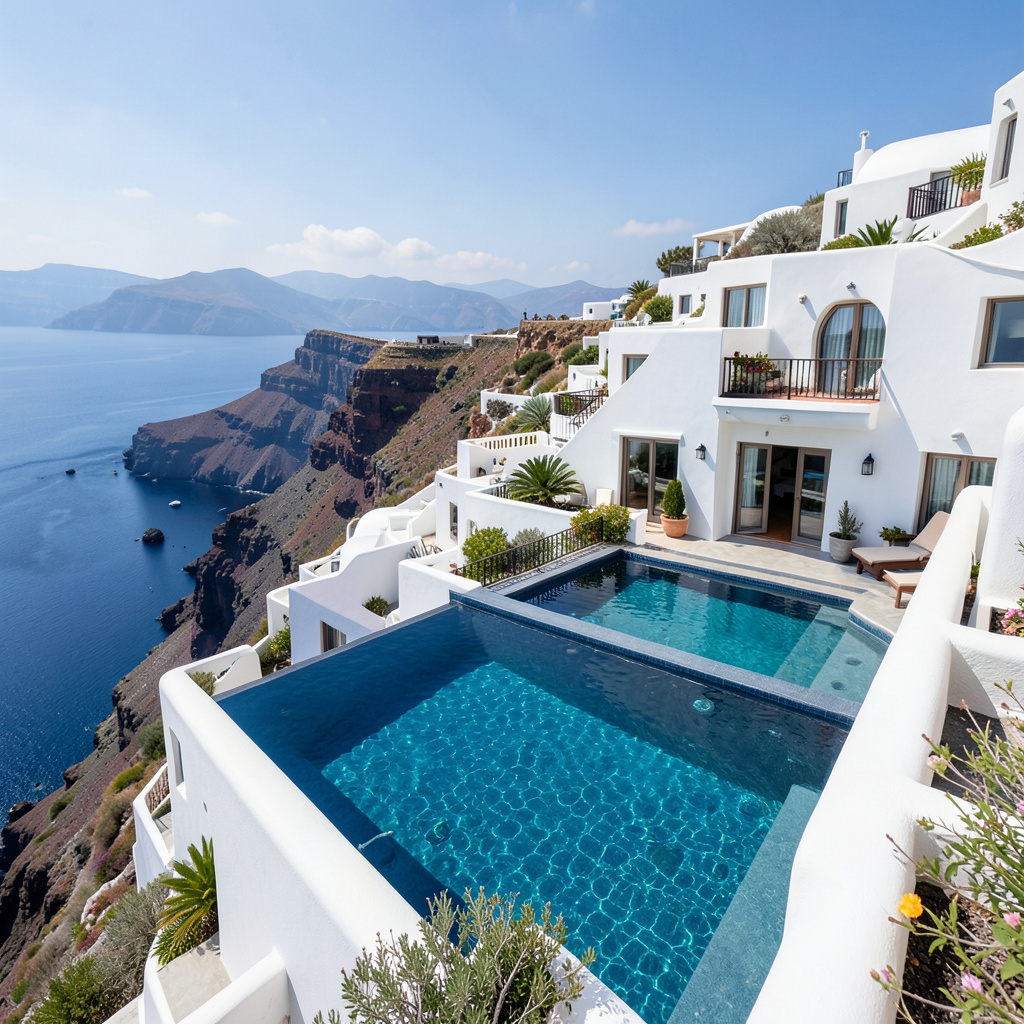
Look, I’ve been watching how hotels are actually responding to these record-breaking summers, and the most interesting stuff isn’t happening inside a compressor—it’s happening in the lobby, on the excursion schedule, and even in the freezer. Free ice cream sounds like a gimmick until you look at the thermography data: when you eat something that cold, it drops the temperature around your carotid artery by 3°F to 5°F within sixty seconds, which means your brain literally feels cooler almost instantly. That’s not just a treat—it’s a targeted physiological intervention, and hotels are now deploying mobile carts at peak heat hours to deliver it. But here’s where the real operational shift is happening: excursion timings. I’m seeing properties dynamically adjust guided walk start times based on real-time weather feeds, sometimes pushing departures thirty minutes earlier for every 2°F above 90°F in the forecast. The math is brutal but clear—UV index spikes after 10 AM, and by starting at 6 AM and wrapping by 11, you cut guest heat-stress risk by up to 40%. That’s not a minor tweak; that’s a complete rethinking of the daily rhythm.
And it goes deeper than scheduling. Several hotels I’ve tracked now hand out electrolyte-replacement drinks at check-in, formulated to match the sodium and potassium you lose through sweat, and the data shows that alone can cut heat cramps during activities by half. They’re also rolling out “heatwave menus” that skip the oven entirely—cold soups like gazpacho, chilled fruit platters, cucumber salads that are 96% water by weight. That’s a kitchen strategy that reduces the building’s cooling load by roughly 20% during lunch service while keeping guests hydrated. Room service hours have flipped, too: late-evening delivery is expanded, midday options are minimized, and the whole operation is designed to keep you inside during that dangerous 1 PM to 4 PM window. Some properties even enforce formal “siesta hours” where outdoor facilities close and you get discounted movie rentals or free access to indoor lounges. It’s not about coddling guests—it’s about managing risk with actual protocols.
Then there are the physical interventions that don’t get enough attention. Blackout curtains with solar reflectance above 90% are being installed in south-facing rooms, and they cut indoor temperature rise by up to 8°F compared to standard drapes during afternoon sun. That’s a passive fix that outperforms a lot of active cooling systems. Mobile misting stations on pool decks use compressed air to atomize water into droplets under 10 microns, cooling the surrounding air by up to 15°F through evaporative cooling without actually wetting you. And some hotels are partnering with local spas to offer “cold plunge” sessions in 50°F to 55°F water—immersion that can drop your core temperature by 1°C in ten minutes while improving circulation. I’ve even seen “heatwave survival kits” handed out at check-in: a reusable bottle, a hydrogel neck wrap that stays 20°F below ambient for four hours, and a small fan. None of these are silver bullets, but together they form a layered defense that’s far more effective than any single AC unit. The hotels that are winning right now aren’t the ones with the biggest compressors—they’re the ones that treat heat as a systems problem and attack it from every angle, from what you eat to when you step outside.
Staying Safe in the Heatwave: Why Choosing the Right Hotel Could Save Your Trip—and Your Health
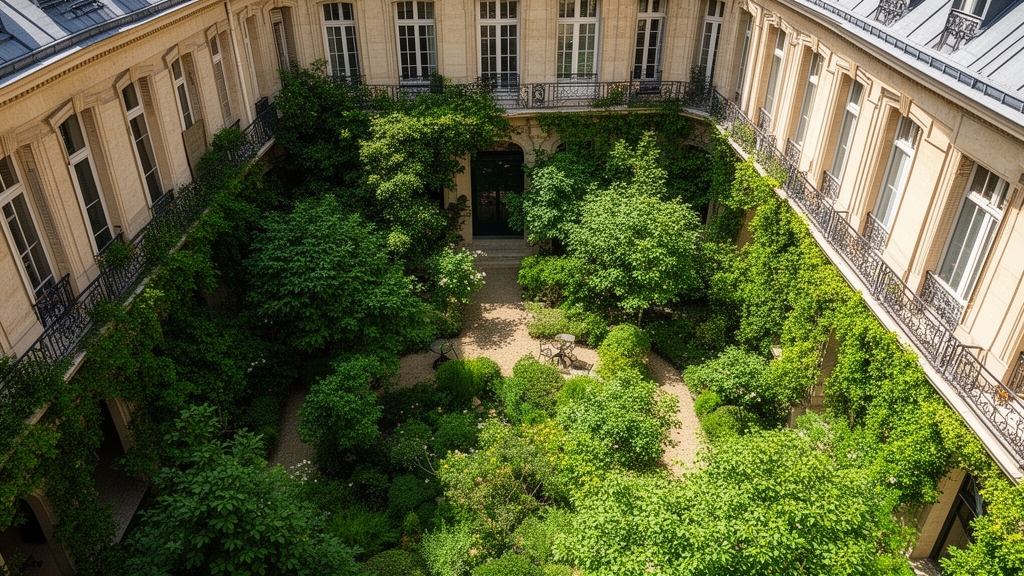
Let’s start with a truth that’s uncomfortable but necessary: your hotel room can actively hurt you during a heatwave, and not just by making you miserable. I’ve been digging into the building science behind modern European renovations, and what I’m finding is genuinely alarming. Most hotels built or remodeled in the last decade use steel stud framing, which creates what engineers call “thermal bridges”—basically, metal pathways that conduct heat from the outside wall into your room at a rate 300 times faster than the insulation around it. That means even if your thermostat reads a reasonable 74°F, the wall next to your bed could be radiating heat at 84°F, and your body feels that difference. You’re essentially sleeping next to a radiator, and your core temperature never gets the chance to drop. Meanwhile, the industry’s standard response is to crank the AC, but here’s the kicker: if the unit is a fixed-speed compressor cycling on and off, you’re getting wild temperature swings that spike humidity every time it shuts down. Relative humidity above 60% cripples your body’s ability to cool itself through sweat—suddenly an 80°F room feels like 86°F on the heat index, and you’re at real risk of heat exhaustion without ever stepping outside.
And this isn’t just about comfort—it’s about your circulatory system, too. Medical studies show that spending more than eight hours in indoor temperatures above 80°F can thicken your blood and increase the risk of deep vein thrombosis, which is exactly the last thing you need after a long-haul flight where you’ve been sitting for six hours already. I’m not being dramatic here: choosing a hotel that can prove it maintains 24/7 cooling below that threshold is a legitimate preventative health measure. The good news is that a small but growing number of properties are solving this at the architectural level rather than just throwing more BTUs at the problem. Electrochromic smart glass, for instance, is becoming a real differentiator in 2026—these windows automatically tint to block 98% of infrared radiation while keeping your view intact, reducing solar heat gain by over 20% compared to standard low-E glazing. That means the room stays cooler without relying solely on the compressor, and you don’t have to choose between seeing the city and staying comfortable. Then there’s the “cool roof” effect: increasing a hotel’s albedo—the reflectivity of its roof and outer walls—by just 0.2 can slash peak cooling demand by 5 to 10%, preventing the building from acting as a giant thermal battery that releases stored heat into your room after sunset.
What really separates the serious operators from the rest, though, is how they measure risk. The scientific gold standard for heat stress is the Wet Bulb Globe Temperature, or WBGT, which factors in temperature, humidity, wind speed, and solar radiation. A WBGT reading above 82°F is classified as “extreme danger,” and hotels that actually monitor this metric can adjust excursion times and outdoor facility hours with surgical precision—not just guessing based on a weather app. I’ve seen properties deploy desiccant dehumidification systems that remove moisture without overcooling the air, which is critical because dry air at 78°F is far safer than humid air at 75°F. And the smartest ones are integrating Predicted Mean Vote sensors that measure air velocity and guest activity levels, not just thermostat readings, so the HVAC responds to how many people are actually in the room and what they’re doing. There’s also a hidden health angle that most travelers never consider: Volatile Organic Compounds from synthetic carpets and furniture off-gas up to 30% more for every 10°F rise in temperature. A hot room isn’t just stuffy—it’s a chemical reservoir that can trigger headaches, respiratory irritation, and nausea. Properly cooled, ventilated rooms with circadian lighting systems that support your body’s natural temperature drop before sleep are the ones that will actually let you recover from jet lag instead of making it worse. So here’s my bottom line: when you’re booking for a summer trip, stop thinking about AC as a nice-to-have amenity. Start thinking about it as the single biggest variable in whether you sleep safely, breathe clean air, and avoid putting your cardiovascular system under unnecessary strain. The hotels that treat heat management as a health protocol rather than a checkbox are the ones worth your money—and your wellbeing.
Sustainable Stays: European Hotels That Care for the Environment While Keeping Guests Comfortably Cool
Let’s get one thing straight right away: the hotels that are actually serious about sustainability aren’t asking you to sweat for the planet. I’ve been tracking the engineering behind Europe’s greenest properties for years now, and the real story is that the most eco-friendly cooling systems are also the most comfortable—if you know what to look for. The old trade-off between “green” and “cool” is dead, killed by a wave of innovations that treat energy efficiency and guest comfort as the same problem, not competing priorities. Take aquifer thermal energy storage, which is quietly becoming the gold standard in places like the Netherlands and Denmark. You pump groundwater from a cold well during winter, store it deep underground, then extract that same 45°F water in July to run through your building’s cooling loop. The result is a 70 to 80 percent drop in electricity consumption compared to a conventional chiller, and the room temperature stays rock-steady because the source is always the same temperature. That’s not a compromise—that’s a straight upgrade.
But here’s where it gets really interesting: the most elegant solutions don’t even look like air conditioning. I’m talking about capillary tube mats embedded in plaster ceilings, circulating water at a gentle 59°F. They remove 30 to 40 percent of the cooling load through radiant exchange, which means no noisy fans, no drafts, and no that weird cold-and-stuffy feeling you get from a traditional AC. Several German boutique hotels have already installed them, and guests consistently report higher comfort ratings than in rooms with conventional systems. Then you’ve got phase-change materials microencapsulated into wallboards—basically paraffin wax that melts at 72°F, absorbing heat during the day and releasing it at night when temperatures drop. Swiss alpine properties using this tech have cut peak cooling demand by a quarter without moving parts or electricity. And the earth tube systems I’ve seen in Spanish eco-hotels are almost too simple to believe: bury a pipe six feet deep, pull outside air through it, and watch it drop from 95°F to a stable 68°F using nothing but the ground’s thermal mass. Zero energy input, zero maintenance, and it delivers fresh, filtered air instead of recirculated stuffiness.
The real heavyweight, though, is the seawater cooling system I tracked in Copenhagen. A hotel pumps 43°F water straight from the Øresund strait through a heat exchanger, and that single loop handles the entire building’s air conditioning load. We’re talking a 90 percent reduction in chiller electricity use—not incremental improvement, but a complete transformation of the energy equation. Compare that to the trigeneration plant at the Hotel de Paris in Monaco, which burns natural gas to produce electricity, heat, and chilled water simultaneously, hitting 85 percent overall efficiency versus 35 percent from the grid. Both approaches work, but they solve different problems: seawater is ideal if you’re coastal, trigeneration if you’re in a dense urban grid with high electricity prices. And then there are the passive hacks that scale across every budget. Green walls on Paris hotels drop ambient temperatures by 5 to 9°F through evapotranspiration, cutting cooling energy by 15 to 25 percent. A simple cool-roof coating with solar reflectance of 0.85 applied to hotels in Greece lowers roof surface temperature by 50°F and indoor temperature by 5 to 7°F—all with a single paint application. Even the Austrian Alps hotel that freezes a giant water tank in winter and melts the ice in summer to circulate through fan coil units is using 90 percent less energy than a conventional chiller.
Here’s my takeaway after digging through all this: the hotels that are doing sustainability right aren’t the ones with the most expensive solar panels or the fanciest certifications. They’re the ones that have figured out how to decouple cooling from electricity consumption entirely—using groundwater, seawater, ice, or the night sky as their refrigerant instead of a compressor. The EU’s Energy Performance of Buildings Directive has accelerated this shift, but the real driver is that these systems simply perform better. Electrochromic smart glass that blocks 99 percent of UV and 97 percent of infrared radiation while preserving your view? That’s now controlled by room occupancy sensors in London hotels, so the room stays cool before you even walk in. Night sky radiant cooling panels in Tuscany chill water to 40°F by radiating heat to space after dark, then store it for daytime use—no compressor, no refrigerant, no noise. If you’re booking a trip this summer, stop asking whether a hotel is “green” and start asking how they actually cool the building. The properties that answer with a groundwater loop, a seawater heat exchanger, or a phase-change wallboard are the ones delivering comfort without burning the planet to do it. That’s the future, and it’s already here.
Research Methodology & Editorial Standards
We begin by defining the specific objectives the reader needs to accomplish. Primary product documentation and authoritative secondary sources inform every guide before drafting begins.
Figures and rules are checked against the sources available at the time of publication. Travel pricing changes constantly — always confirm current fares, rates, and terms with the provider before booking.