
How to Stay Cool and Safe During Your European Summer Vacation
When you’re planning a trip to Europe during those peak summer months, it’s honestly easy to get caught up in the excitement of the itinerary and ignore the reality of a changing climate.
Understanding the Risks: Recognizing Heat-Related Health Warnings
When you’re planning a trip to Europe during those peak summer months, it’s honestly easy to get caught up in the excitement of the itinerary and ignore the reality of a changing climate. But here is what I think we need to talk about: heat isn’t just an inconvenience that makes sightseeing a bit sweaty; it’s a predictable medical event that can catch even the most seasoned traveler off guard. The human body’s ability to regulate its own temperature actually drops as we get older, and what’s scary is that you might not even feel thirsty or notice your core temperature spiking until your system is already under real strain. If you’re traveling with parents or just want to be smart about your own health, remember that your body needs time to acclimate to a sudden heatwave, and that first day or two of a trip is when you’re most vulnerable.
Think about it this way: high humidity is almost more dangerous than direct sunlight because it stops your sweat from evaporating, which is your body's only real way to cool down. Even if you’re sitting in a hotel room or a quiet museum, poor ventilation can lead to a dangerous buildup of heat, especially since your body needs that nighttime recovery window to reset its core temperature. If the overnight lows stay high, your system never gets that essential break it needs to repair itself for the next day. I’ve seen enough data on heat domes—those high-pressure systems that trap heat like a lid on a pot—to know that when the air doesn't move, emergency services get overwhelmed fast. It’s not just about the thermometer reading; it’s about the heat index, which accounts for that nasty mix of temperature and humidity that really dictates how your body holds up.
If you’re taking any medications, you should also be aware that some common ones, like diuretics or even certain antidepressants, can actually mess with your ability to stay hydrated or regulate your internal temperature. It’s worth checking in with your doctor before you leave if you’re on a regular prescription, because these factors can change how your body handles a heatwave compared to someone who isn't taking them. We’re even seeing new tech like virtual reality training pop up to help people recognize the early signs of heat illness, because knowing the difference between "I'm just tired" and "my body is failing" is what separates a manageable day from a medical emergency. Don't be afraid to pull back your schedule if the heat index is climbing, because the best way to handle this is to recognize the warning signs before you’re already in the thick of it.
Strategic Sightseeing: How to Adjust Your Itinerary to Avoid Peak Heat
If you're anything like me, you probably head into a European summer with a jam-packed schedule, thinking you can just power through the sightseeing. But let’s be real: with urban heat islands in places like Rome or Madrid, those stone streets can stay 10 degrees Celsius hotter than the surrounding countryside, essentially turning your walking tour into a convection oven. I’ve found that the trick is to stop fighting the clock and start working with the thermal reality of the city. You need to hit those heavy, sun-drenched monuments at dawn, right when the stone has finally shed the heat from the day before, rather than during the afternoon when you’re just soaking up radiant heat from the ground.
It’s also worth considering that peak tourist traffic usually lines up perfectly with the highest UV index and the hottest part of the day, which creates a massive amount of body heat in crowded spaces. If you shift your major outdoor activities to the very early morning or late evening, you aren't just staying cooler; you're actually dodging the congestion that turns narrow streets into stagnant heat pockets. Think about the physics for a second: if you’re trapped in a crowded line at 3:00 PM, you’re dealing with the ambient air temp, the sun, and the collective body heat of everyone around you. By swapping those spots for smaller, less-trafficked sites during the midday peak, you’re giving your body a much better chance to actually breathe.
And look, don’t ignore the way our transit systems handle this. A lot of the older underground rail networks in Europe can get significantly hotter than the surface because the tunnels just don't have the airflow to handle a heat dome event. If you can, plan your travel to avoid those underground spikes during the late afternoon when the city is at its thermal peak. Instead, seek out those thick-walled, high-ceilinged cathedrals or museums—they act like natural heat sinks, holding onto the coolness of the night much longer than any modern building will. It’s all about being proactive rather than reactive; if you wait until you’re already feeling the effects of the heat, you’re already behind the curve.
Honestly, the best piece of advice I can give is to stop relying on thirst as your only signal to drink water, because by the time you feel it, your blood volume is already struggling to keep you cool. Start your hydration cycle 24 hours before you plan on doing anything strenuous, and accept that your initial, over-ambitious itinerary might need to be scrapped if the wet-bulb temperature starts climbing. It’s not about missing out; it’s about having the energy to actually enjoy the trip tomorrow. If you treat your schedule like an adjustable framework rather than a rigid set of rules, you’ll find you can handle these record-breaking European summers without feeling like a casualty of your own vacation.
Hydration and Health: Essential Tips for Staying Safe in High Temperatures
Let's dive into the mechanics of staying hydrated because, honestly, most of the advice you hear is a bit surface-level. Drinking water alone is often insufficient during a European heatwave because your body requires electrolytes like sodium and potassium to maintain cellular function during intense sweating. I’ve found that consuming a small, salty snack alongside your water helps your body retain fluids far more effectively than chugging pure water in isolation. And look, steer clear of alcohol; it acts as a diuretic, which paradoxically accelerates fluid loss and hinders your body’s ability to stabilize its internal temperature. Even without intense physical activity, you can lose over a liter of water per hour through invisible perspiration when the air is exceptionally dry or hot, so relying on thirst alone is a losing game.
Monitoring your urine color remains the most reliable, non-invasive way to track your hydration status, so keep an eye on that throughout the day. Beyond internal intake, you have to manage your external environment to stay safe. Dark-colored clothing absorbs significantly more solar radiation than light fabrics, so sticking to loose, light-colored gear is a simple way to decrease the heat load on your skin. A wide-brimmed hat is also physically superior to a baseball cap because it provides essential shade to the back of the neck, which is a critical zone for thermoregulation. If you’re really struggling, cooling your pulse points by running cool water over your wrists or neck provides a rapid, albeit temporary, sensation of relief by lowering the temperature of the blood circulating near the surface.
Think about how you’re eating, too, since heavy, protein-rich meals generate more metabolic heat during the digestion process; I prefer opting for water-rich foods like melon or cucumber to reduce the internal heat my body has to process. If you're out and about, using an umbrella for personal shade creates a portable microclimate that can reduce the intensity of direct solar radiation by significant percentages. Airflow is so critical in these conditions that even a simple battery-operated handheld fan helps strip away that boundary layer of hot, humid air clinging to your skin, allowing for more efficient evaporation. Pro tip: placing a damp cloth in the freezer for a few minutes before wrapping it around your neck acts as a surprisingly effective, portable cooling device during those necessary midday excursions. It’s all about managing these small variables before the heat forces your hand.
Packing for the Heat: Must-Have Gear and Clothing for Summer Travel
When you’re prepping for a European summer, it’s easy to grab the first cotton tee you see, but let’s talk about why your fabric choice is actually a mechanical decision. Synthetic fabrics with high-density weaves can trap heat, so you really want to look for open-weave technical gear engineered for high-wicking airflow. Linen remains the gold standard for hot climates because it has a high moisture regain rate, absorbing up to 20 percent of its weight in water before feeling damp while promoting rapid evaporation. I’d also argue that shifting to UPF-rated clothing is a non-negotiable upgrade, as a standard white cotton shirt only offers an Ultraviolet Protection Factor of about 5, leaving your skin exposed to significant solar radiation even in the shade.
Beyond your base layer, think about your feet, which contain over 250,000 sweat glands and are the first to suffer when the mercury hits those record highs. Investing in footwear with moisture-wicking, antimicrobial liners is your best defense against the friction-based blisters that can ruin a walking tour. And honestly, pay attention to the albedo of your gear; light-colored items reflect a much larger portion of the solar spectrum than dark materials, which otherwise act like a thermal sponge. I’ve started carrying a lightweight umbrella with a silver-coated interior, and it’s a total game changer—it creates a portable microclimate that can lower your immediate temperature by up to 10 degrees Celsius by blocking direct infrared radiation.
If you’re really serious about managing the heat, consider the physics of your loadout, because carrying a heavy pack increases your metabolic heat production by as much as 20 percent. That’s extra thermal energy your body has to shed, which is the last thing you want when it’s already pushing to cool itself. I’ve also been experimenting with phase-change material cooling vests—originally for industrial use but now available in travel-friendly formats—which maintain a steady temperature of about 15 degrees Celsius for hours. Finally, don't overlook polarized sunglasses, as they do more than just cut glare; they reduce the eye fatigue that contributes to systemic physical exhaustion in high-heat environments. It’s all about these small, tactical adjustments that let you stay outside longer without hitting a wall.
Choosing the Right Accommodation: The Importance of Air Conditioning and Cool Spaces
When you’re booking a stay in Europe during the summer, you really need to look past the pretty photos and consider the building’s actual thermal performance. Modern hotel cooling systems often rely on inverter technology that modulates compressor speed to keep the air steady rather than just blasting it on and off, which is way better for both your sleep quality and noise levels. If you’re eyeing a historic property with those charming thick stone walls, keep in mind that they act like giant thermal batteries; they’ll hold onto the cool air for much longer than a modern glass-and-steel building, provided you keep the windows shut during the day. I always suggest checking the room’s orientation, because a north-facing window is basically your best friend for avoiding that intense afternoon solar gain.
It’s easy to overlook, but the actual setup of the room makes a massive difference in how well you’ll actually rest. I’ve noticed that properties with double-glazed windows and argon gas filling are miles ahead of older spots when it comes to keeping the stifling heat outside where it belongs. If you’re stuck in a place without high-end climate control, make sure you’re utilizing those heavy blackout curtains—closing them during the peak sunlight hours can literally block up to 90 percent of the radiant heat trying to turn your room into a sauna. And don’t discount the humble ceiling fan; if you set it to rotate counter-clockwise, you’ll get a wind-chill effect that makes the room feel about 4 degrees Celsius cooler than it actually is.
If you find yourself in a room with a portable unit, keep an eye out for dual-hose configurations, which are much more efficient than the standard single-hose versions because they don’t pull hot air into your room through cracks in the door. I also like to remind people that lower floors in older European walk-ups are often a hidden gem, since heat naturally rises and the ground level tends to hold a bit more of the earth’s natural cool. You might also encounter smart thermostats that use occupancy sensors to save energy, which is great, but it can be a nuisance if you want to come back to a pre-chilled room after a long day of walking. If that happens, using a dummy card in the slot can keep the system running so you aren't walking into a wall of heat. Honestly, it’s all about these small, tactical choices that ensure you’re actually recovering at night rather than just surviving the heat.
The Rise of Coolcations: Opting for Refreshing Destinations and Off-Peak Travel
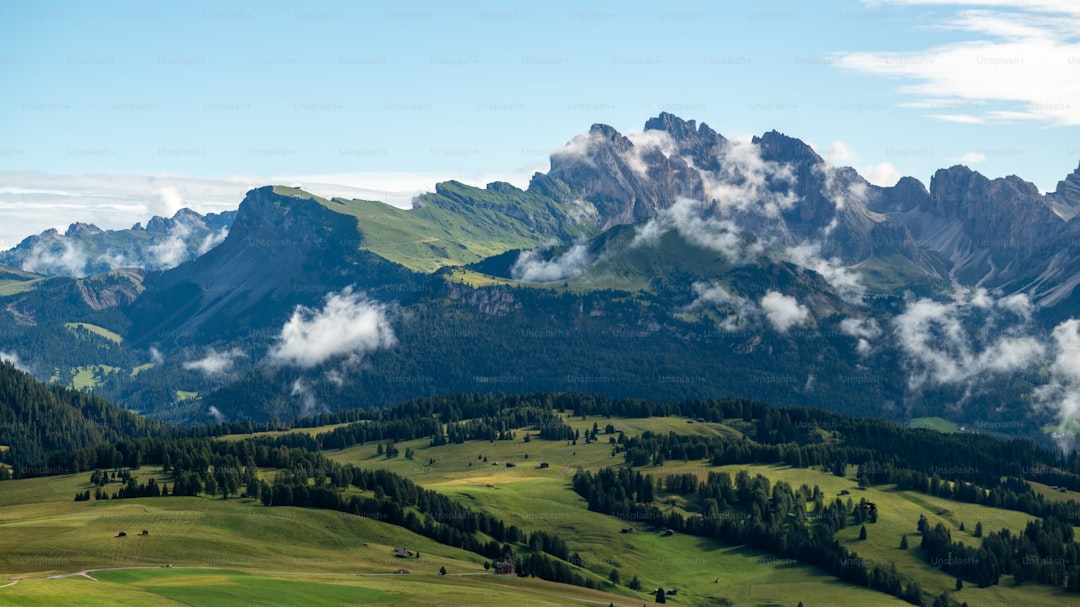
Let’s talk about why you’re seeing so many people trade the sweltering Mediterranean coast for the crisp air of northern latitudes this year. We’re witnessing a massive shift in how we define a vacation, moving away from the traditional sun-and-sand model toward what’s being called a coolcation. It isn’t just a trend; it’s a direct, data-driven response to the record-breaking thermal stress we’ve seen across southern Europe. When search interest for places like Scandinavia and the Baltic states spikes by over 300 percent during the peak of summer, it tells me that travelers are finally prioritizing their own comfort over the old-school pressure to bake on a beach. Honestly, it makes sense—why spend your hard-earned time off struggling to cool down when you could be somewhere where the average summer high stays comfortably below 25 degrees Celsius?
This migration is particularly interesting if you’re one of the many people working remotely, as these cooler destinations have become the primary choice for those trying to pair productivity with a change of scenery. We’re seeing a strong link between this shift and the rise of bleisure travel, where the goal is to avoid the real cognitive fog that comes with trying to focus in extreme heat. Think about it: when you’re in a high-latitude region, you get those incredible, extended daylight hours that actually make it safer and more pleasant to hike or explore, whereas, in the south, you’re basically forced into a midday shutdown just to stay safe. It’s a complete reversal of the typical itinerary, and it turns out that being able to actually move around outside during the day is a massive boost to your overall vacation satisfaction.
Beyond the immediate relief, there’s a real, tangible benefit to choosing these northern spots that goes well beyond just the temperature. You’re often looking at regions where deep forest cover acts as a natural air filter, and because the climate is naturally milder, you don’t have to rely on energy-intensive air conditioning quite as much. Plus, by shifting your focus to the north, you’re helping to take the pressure off those fragile Mediterranean coastal ecosystems that are currently battling both overtourism and severe water shortages. I’ve noticed that travelers are getting much smarter about using bioclimatic tools to pick spots that fit their actual thermal comfort zone rather than just picking a place because a brochure looked nice. It’s a smarter way to travel, and frankly, it feels a lot more sustainable than trying to fight against a heatwave you can't control.
Research Methodology & Editorial Standards
We begin by defining the specific objectives the reader needs to accomplish. Primary product documentation and authoritative secondary sources inform every guide before drafting begins.
Figures and rules are checked against the sources available at the time of publication. Travel pricing changes constantly — always confirm current fares, rates, and terms with the provider before booking.