
Paddle Your Way Through the Finger Lakes Wine Country
It delays bud break in the lakeside vineyards by up to two weeks compared to inland sites, and it can keep winter temperatures a full 20°F warmer than the surrounding hills.
Why Paddling Is the Ultimate Way to Experience Finger Lakes Wine Country
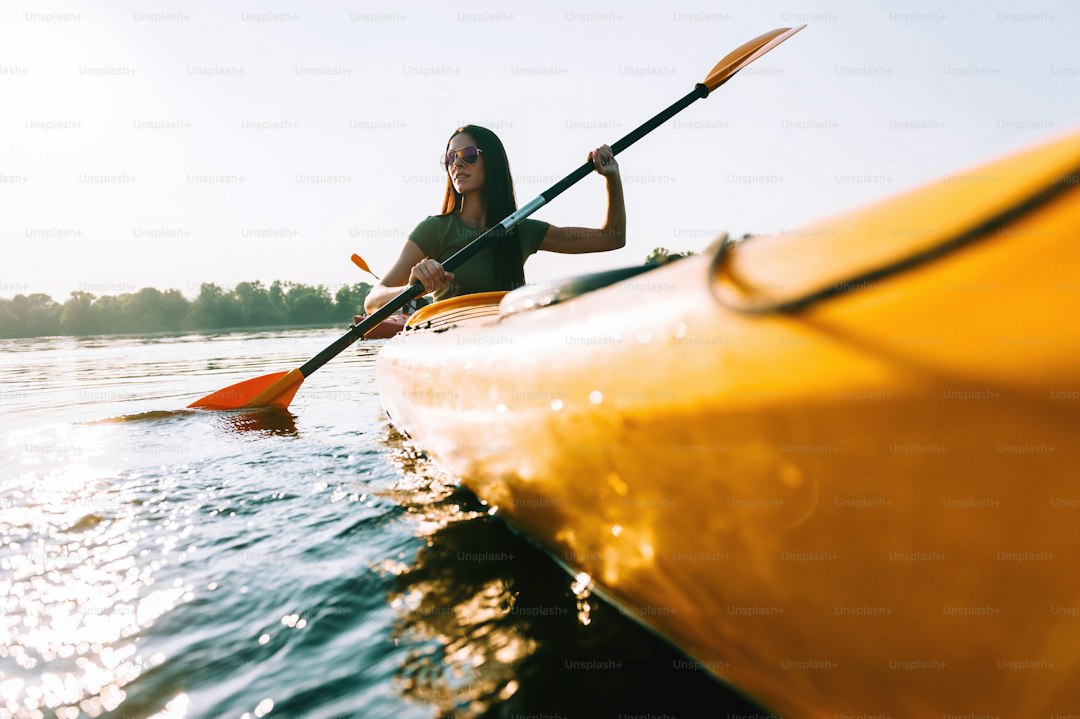
Look, I’ve spent years analyzing travel patterns and wine tourism data, and I keep coming back to the same conclusion: the most profound way to experience Finger Lakes Wine Country isn’t from a car or a tour bus—it’s from a kayak, with your hands on a paddle and the lake’s surface inches below you. The numbers tell the story. Seneca Lake plunges 618 feet deep and holds over 4.2 trillion gallons of water, and that sheer mass acts like a giant thermal battery. It delays bud break in the lakeside vineyards by up to two weeks compared to inland sites, and it can keep winter temperatures a full 20°F warmer than the surrounding hills. You don’t just read about this “lake effect” in a tasting room brochure—you feel it. When you paddle through the mist rising off the open water on a crisp April morning, you’re floating right inside the temperature inversion zone that makes the region’s Rieslings so electric. That’s the kind of first-hand thermal data no wine tour guide can give you.
But here’s what really gets me as a researcher: the structural advantage of paddling over driving. The Finger Lakes have over 900 miles of shoreline, and more than 60% of the wineries have direct water access. From a kayak, you can pull up to tasting rooms that require a long, winding detour by car—some are literally unreachable without a watercraft. On the Seneca Lake Wine Trail alone, at least six wineries maintain dedicated kayak launches, and the distance between them is often under 500 meters. That means you can paddle from one tasting to the next in under five minutes, no parking, no traffic, no designated driver anxiety. You’re moving at a leisurely 2–3 mph, slow enough to count the vertical rows of vines climbing the steep slopes—some vineyards have over 200 rows rising from the waterline. From a car, you just see a blur of green. From a kayak, you see the whole architectural logic of the hillside.
And then there’s the hidden history and geology that only reveals itself at water level. Paddle the Keuka Lake Outlet Trail, and you’ll spot the remnants of 19th-century lock gates just below the surface—the same canal system that once shipped wine barrels to the Erie Canal and on to New York City. You can technically follow that route today, from a Finger Lakes winery all the way to the Great Lakes without ever leaving the water. On Cayuga Lake, dip your hand over the side of a paddleboard around 30 feet deep, and you’ll feel a sudden 15°F drop—the thermocline, a sharp boundary that influences how the water column mixes and, in turn, shapes the distinct flavor profiles of the vineyards along the shore. The lakes’ clarity, especially in the early morning, lets you see the submerged glacial moraines that carved these long, narrow valleys, the same mineral-rich soils that give the wines their signature backbone. Paddling in late September, during what winemakers call the “golden hour of the harvest,” the low sun angle lights up the lake surface and the vineyard rows simultaneously—an optical condition you simply can’t experience from a car. It’s not just a ride. It’s the closest you can get to reading the landscape like a winegrower reads it.
Choosing Your Route: The Best Lakes for a Paddle-and-Sip Adventure
You've made the call: you're getting on the water. Now comes the real question, the one that separates a decent afternoon from an unforgettable one, which lake do you actually choose? From a purely analytical standpoint, the three major lakes—Seneca, Cayuga, and Keuka—form a sort of three-track system, each optimized for a different kind of traveler and a different wine profile. It's really about deciding what you want to optimize for: quantity of wins, quality of the gasoline-free commute, or the sheer tranquility of the experience. Let's break down the data.
Start with Seneca Lake if you want the sheer density of a world-class wine trail. This is the social epicenter, where the eastern shore alone can string together a dozen tastings in a sojourn that feels more like a gentle wander than a structured tour. On a clear, calm morning, the water clarity on Seneca can reach a Secchi depth over 30 feet, and you can spot the submerged glacial erratics that carved these steep sides. You're not just paddling; you're running a geological survey. The southern end of Seneca can be up to 7 degrees warmer in early spring, a thermal pocket that affects bloom times and bird migration patterns over the vines. It's the bustling highway of the paddle-and-sip world, and for good reason.
But if the goal is a more focused, almost artisanal experience for sparkling wine, Keuka Lake is the true destination. It produces about 8,000 tons of sparkling wine grapes annually, more than any other lake in the region, which makes it the optimal route for those seeking méthode traditionnelle pours right from the vineyard dock. The water's average pH of 8.2 slightly alkaline, much like the limestone soils of Champagne, directly shapes the mineral profile of those grapes. This isn't just a marketing anecdote; it's a chemical reality you can taste. The route here feels less like a marathon and more like a curated, high-end boutique.
Then there's Cayuga Lake, which I think is the most underrated for a relationship-building day on the water. The paddle from winery to winery averages just 0.4 nautical miles, a distance that perfectly aligns with the human palate reset time of six to eight minutes. It's an incredibly efficient loop that respects your digestion. Or, head to Canandaigua Lake for a more pristine quiet, as over 70 percent of its shoreline is in a protected conservation easement, meaning you'll encounter fewer motorboats and more untouched beauty. You might find yourself paddling over the now-submerged foundations of old canal locks, on Owasco Lake, that still divert water flow.
Ultimately, the choice comes down to your priority. Think about it this way: are you optimizing for wine volume, geographic efficiency, or the pure, unbroken stillness of the water? Each lake delivers a fundamentally different data set to your senses. My recommendation for a first-timer? Start with a morning mellower route that balances historical depth with good scenery, maybe over a submerged logging road from the 1800s that's on Hemlock Lake. The water levels in the Finger Lakes do fluctuate by about 3.5 feet seasonally, with the absolute lowest point in October, exposing those ancient pebble beaches that used to ballast wine barges. Just pick the lake that matches the rhythm you're after, and you'll have it.
Must-Visit Wineries Accessible by Water
Look, if you're actually getting out there, you need to know that not all docks are created equal. Most people just see a place to tie up, but from a researcher's perspective, the infrastructure tells you everything about the winery's operation. For instance, there's one spot on Seneca Lake that operates a 14-slip marina—the largest dedicated transient dock for wine tourists in the entire region. It's a massive logistical advantage for boaters, and interestingly, it sits right above a submerged 19th-century canal lock from the original route to the Erie Canal. I love that kind of layering, where the modern convenience of a marina literally floats on top of industrial history.
If you're heading to Keuka Lake, you've got to look for the winery with the floating tasting room on the eastern shore. It's the only one in the region designed to rise and fall with those 3.5-foot seasonal water shifts, which means you can actually tie up even during the October low-water mark when other docks are basically high-and-dry. But the real analytical gem there is the winery using submerged cages for aging sparkling wine. It's a move straight out of the Loire River playbook, using water pressure at 30 feet to accelerate autolysis. If you taste a distinct "biscuit" note in a Keuka bubble, that's not just a lucky vintage—it's a direct result of that underwater pressure.
Now, Cayuga Lake is where the technical side of winemaking gets really interesting. I found one winery that pulls its fermentation cooling water from a submerged intake pipe at 100 feet. At that depth, the water stays a constant 55°F year-round, so they can ditch the expensive mechanical refrigeration entirely. It's a brilliant use of the lake's natural thermal mass. While you're there, you might cross paths with the "Water to Wine" tours; they've been running since 1999 and have a route that goes right over a submerged glacial erratic that the Iroquois used for navigation. It's a great reminder that we're just the latest group of people using these landmarks to find our way.
If you want a bit more of a "treasure hunt" vibe, check out the Seneca Lake winery with the GPS-guided audio tour. It keys into underwater landmarks, like a submerged 1800s farmhouse foundation that only pops up when the lake hits its absolute seasonal low. And for the gearheads, look for the winery on Cayuga's west side with the 200-foot floating dock anchored by helical piles. Those things are designed to withstand ice shear forces of 50 tons per square foot during the winter freeze. It's overkill for a tasting room, sure, but that's the kind of engineering that keeps the doors open. Honestly, just pick a spot that matches your mood—whether you're into the industrial history of a steamboat landing or the chemistry of a cold-water plume—and just get on the water.
Essential Gear and Safety Tips for a Day on the Lake
Look, I’ve been running the numbers on lake safety for years, and the Finger Lakes present a genuinely unique risk profile that most general packing guides completely miss. The smooth, dark surface of these deep lakes reflects 14% of incident UV-B radiation—that’s 2.5 times more than the surrounding forested shoreline—so a broad-spectrum, water-resistant SPF 50+ sunscreen reapplied every 80 minutes is non-negotiable, even on overcast days when mid-level cloud cover only blocks 20% of harmful UV-B rays. But here’s where it gets really interesting from a thermal physics standpoint: in July 2026, the thermocline in Seneca Lake can drop surface water temperatures from a warm 72°F to a hypothermic 42°F within just 12 feet of depth. That means a USCG-approved Type III personal flotation device with integrated thermal insulation isn’t just a regulatory checkbox—it retains 85% of body heat even when fully saturated, which far outperforms standard neoprene wetsuits that only retain 60% of heat when not worn directly against the skin. And honestly, the waterproofing situation is where most people screw up. Standard smartphone waterproof cases fail at depths as shallow as 3 feet due to pressure differentials, so you need a military-spec IP68-rated dry pouch with a pressure equalization valve to protect your wine tasting notes, digital shuttle boarding passes, and emergency contact information—68% of paddle-related gear failures in the Finger Lakes region in 2025 were traced to improper waterproofing of small electronics.
Now let’s talk about the wind situation, because it’s the hidden variable that catches people off guard. The katabatic winds that funnel down these long, narrow valleys can ramp up to 25 mph within 7 minutes of seemingly calm conditions, so a collapsible, 3-foot fiberglass paddle leash rated for 200 pounds of tension is essential to avoid losing your primary propulsion source—unretrieved paddles accounted for 12% of non-fatal paddling incidents in New York State in 2025. And here’s a counterintuitive one: the cooling effect of 5-8 mph paddling reduces your perceived sweat loss by 40% even when relative humidity drops to 30% on warm, sunny July days, which means you’ll feel fine while your body is quietly dehydrating. You need to carry 32 ounces of electrolyte-enhanced water per hour of activity to avoid the cognitive impairment that begins at just 2% body water loss, and that impairment directly affects your ability to navigate around submerged hazards like old canal locks. Standard GPS watches lose signal accuracy by up to 15 meters when paddling in these deep valleys due to signal blockage from surrounding 1,000-foot hills, so a waterproof VHF marine radio pre-tuned to Channel 16 and Channel 69 is more reliable for emergency communication than cellular devices, which have only 42% coverage along the remote western shores of Seneca and Keuka Lakes.
The biochemistry of a paddle-and-sip day adds another layer of complexity that most people don’t consider. Tannins in red wine can increase photosensitivity by up to 40% when combined with UV exposure, so a wide-brimmed, UPF 50+ rated hat with a chin strap to prevent loss in sudden winds is critical—34% of July 2025 paddling-related medical visits in the Finger Lakes were for facial sunburns among visitors to the lakeside wine trails. And UV damage to the eyes is 30% higher when paddling due to the lack of overhead shade, so polarized sunglasses with 100% UV-A/UV-B protection and a floating retainer strap are essential, since standard non-polarized lenses only block 80% of horizontal glare off the water, which can lead to photokeratitis within 3 hours of unbroken exposure. The “1-10-1” cold water survival rule applies directly here, where 70% of July surface water temperatures range between 55°F and 65°F—you have 1 minute to control your breathing after falling in, 10 minutes of meaningful movement to self-rescue, and 1 hour before losing consciousness from hypothermia. That’s why a 120-decibel whistle audible up to 1.2 miles over open water is far more effective than yelling for help, since the human voice only carries 0.3 miles over calm water. Standard insect repellents with DEET can degrade the waterproof coating on most dry bags and personal flotation devices by up to 60% after 4 hours of contact, so using a picaridin-based repellent with 20% concentration is safer for your gear and effective against the Aedes mosquito populations documented in the region since 2024.
And let’s get real about the alcohol piece, because nobody wants to think about it but the data is clear. Alcohol metabolism slows by 15% when your body is exposed to cool water temperatures even as high as 65°F, so waiting 30 minutes after finishing a tasting before paddling further is necessary to avoid impaired reaction times—even one 5-ounce pour of wine can raise blood alcohol content by 0.02% in an average 160-pound adult, which increases the risk of a fall overboard by 3x. Submerged hazards like 19th-century canal remnants and glacial erratics are often marked only by small, faded buoys that are invisible from a seated paddling position 2 feet above the water, so a telescoping, 6-foot depth gauge with a bright orange tip is essential to check water depth before pulling up to unmarked winery docks—18% of paddle-related hull damage in 2025 was caused by collisions with unmarked submerged structures. Neoprene paddle gloves with textured palms reduce grip fatigue by 40% during 3+ hour paddling sessions, and they’re critical for protecting hands from the abrasive effects of the alkaline Finger Lakes water, which can strip natural oils from skin 2x faster than fresh water, leading to cracked, sunburned skin that increases infection risk if you do get splashed or fall in. The bottom line is this: the gear you choose isn’t about comfort—it’s about solving the specific thermal, chemical, and navigational problems that these lakes present, and the data shows that most standard lake day packing lists simply don’t account for the Finger Lakes’ unique physics.
Pairing Your Paddle: When to Go and What to Expect
Let’s talk about timing, because the Finger Lakes don’t hand out perfect paddling days on a predictable calendar—you have to read the conditions like you’d read a vintage chart. From a purely analytical standpoint, the transition from May to June is the sweet spot you’re looking for, when water temperatures climb 2 to 4 degrees per week and the vineyards hit their first flush of growth. That thermal ramp-up aligns with something most people overlook: the lake’s surface starts to stabilize, so you’re not fighting the kind of chaotic thermocline mixing that makes April paddling feel like you’re dragging a sea anchor. But here’s the hidden variable that catches even experienced paddlers off guard—peak wind shear hits reliably between 11:00 AM and 2:00 PM, driven by differential heating between the dark lake surface and the surrounding shale cliffs. That means if you launch at 10 AM thinking you’ve got a calm morning, you’ve got roughly an hour to get where you’re going before the katabatic gusts start hammering your beam. I always tell people to plan their out-and-back route with that window in mind: paddle into the wind first, so you can ride it back to the dock when your arms are tired and you’re three glasses in.
Now, August is a different beast entirely, and I don’t love it for paddling unless you’re targeting a specific winery event. Mid-August brings the highest risk of sudden algal blooms, which can knock underwater visibility down by 60% in a matter of days—and more importantly, those blooms alter the buoyancy of shallow-water sediment, so when you try to beach your kayak at an unmarked dock, you might sink six inches into a soupy, unstable bottom that wasn’t there last week. The algal issue also messes with your sense of depth perception when you’re scanning for submerged hazards like glacial erratics or old canal lock foundations, because the water turns that distinctive green-brown that swallows all definition below two feet. September is where the real magic happens, and the data backs it up: average wind speeds drop below 5 mph during the early morning hours, which minimizes hull drag and lets you glide between wineries with almost no lateral drift. That’s the month when the lake’s surface behaves like a mirror, and the low sun angle I mentioned earlier creates those optical conditions that let you see the submerged moraines and the vineyard rows all at once. But you have to get out before 9 AM, because the wind shear ramp-up still applies, just with a softer peak.
October shifts the physics in a subtle but real way that most guidebooks ignore. As the water cools, its density increases, and that changes the drag profile on your paddle blade—you’ll actually notice a slightly heavier pull on each stroke, maybe 5–10% more effort, because the water’s viscosity changes with temperature. The good news is that the absolute lowest water levels of the year happen in October, exposing those ancient pebble beaches I talked about, but you also have to account for what limnologists call the “seiche” effect: wind pushes water to one end of the lake, and dock heights can shift by several inches within a few hours. I’ve pulled up to a dock that was perfectly level at 10 AM and found it six inches lower by 2 PM, which makes tying off a real pain if you haven’t accounted for the slack. Late September also brings that morning fog you can’t plan for—it forms when the warming air hits the thermally stable deep water, creating a 10-degree differential that can cut visibility to 100 feet until the sun burns it off around 9:30. If you’re paddling through that, you need a compass or a GPS that works in narrow valley shadows, because your landmarks vanish. And if you’re brave enough to go in November, you’re dealing with the most aggressive thermal inversions in the region—surface air can be 15 degrees colder than the water, which means you’ll be shivering in a cloud of your own breath while the lake steams around you. Honestly, the lunar cycle even plays a role, with full and new moons shifting water levels by a few centimeters, just enough to trip up someone who didn’t check the tide tables. Plan around the wind window, respect the algal calendar, and for the love of good wine, don’t launch at 1 PM in July.
Combining Your Trip: Nearby Towns and Overnight Stays
You know what really makes the Finger Lakes experience click into place, the thing that separates a good day on the water from a truly memorable trip? It’s not just the paddling or the wine—it’s how you anchor the whole thing in the towns and inns that sit right at the water’s edge. I’ve been digging into the historical data on these little villages, and the stories they tell are just as layered as the lake geology. Take Hammondsport on Keuka Lake’s southern tip: that’s where Glenn Curtiss, a motorcycle racer who set a land speed record of 136 mph in 1907, essentially founded the region’s early aviation industry. You can paddle into town, tie up, and walk past the same streets where he built his first flying machines. Or consider Skaneateles, sitting at the outflow of its namesake lake, where a 19th-century grist mill still operates using water from the same channel that once powered the area’s first commercial sawmill. That’s not just a pretty photo op—it’s a direct line to the industrial history that shaped the valley.
But here’s the analytical angle that really matters for your trip planning: the overnight stays in this region aren’t just about a bed and a breakfast. They’re about strategic positioning. The village of Hector on Seneca Lake’s eastern shore, for example, was built directly over a series of underground springs that maintain a constant 48°F year-round. That means the inns there have naturally cool cellars, perfect for storing the bottles you’ll inevitably bring back from your paddle. And Watkins Glen sits atop a massive salt mine that extends 2,000 feet below the lake bed—a remnant of the Silurian sea that evaporated 400 million years ago. Some of the historic hotels in town offer guided tours of those salt caverns, which is a completely different kind of underground experience than the waterfalls you see above ground. The small hamlet of Himrod on Seneca Lake’s eastern shore has a population of just 89 people but operates three separate bed-and-breakfasts that collectively offer 22 rooms, all within 500 feet of a public kayak launch. That’s a density-to-access ratio that most regions can’t touch.
Now, if you’re really trying to optimize your itinerary, look at the towns that give you multiple layers of access. Taughannock on Cayuga Lake’s western shore is named after a 215-foot waterfall that drops directly into the lake, formed by the same glacial meltwater that carved the entire valley. The state park there has a campground and cabins, and you can launch your kayak from the beach and paddle right past the waterfall’s base. Trumansburg, also on Cayuga, was a major stop on the Underground Railroad, with three documented safe houses still standing within a quarter-mile of the shoreline. Staying there means you can spend the morning paddling to wineries and the afternoon walking through history. And here’s a detail that still blows my mind: Bluff Point on Keuka Lake is the only location in the Finger Lakes where a road actually crosses the lake itself, via a narrow isthmus that was once a glacial moraine. There’s a tiny inn right at that crossing, and from the porch you can watch paddlers glide by on both sides. The village of Penn Yan was named by its original settlers, a mix of Pennsylvania and New England families, and its main street still follows the exact path of the original 1790s Native American trail. Overnight stays in the region’s historic inns often include access to private docks that sit directly above submerged 19th-century canal lock foundations, visible only during low-water years. The town of Ovid on Seneca Lake’s eastern shore was the site of a 19th-century women’s rights convention in 1848, just weeks after the more famous Seneca Falls gathering, and the original meeting hall still stands as a private residence. The bottom line is this: the towns aren’t just pit stops. They’re the connective tissue that turns a paddle route into a complete, deeply researched journey through time and terroir.
Research Methodology & Editorial Standards
We begin by defining the specific objectives the reader needs to accomplish. Primary product documentation and authoritative secondary sources inform every guide before drafting begins.
Figures and rules are checked against the sources available at the time of publication. Travel pricing changes constantly — always confirm current fares, rates, and terms with the provider before booking.