
Why You Should Always Flush the Toilet Immediately After Entering Your Hotel Room
When you walk into a hotel room, you're usually thinking about the view or how soft the pillows are, but I’ve learned that the first thing you should really check is the plumbing.
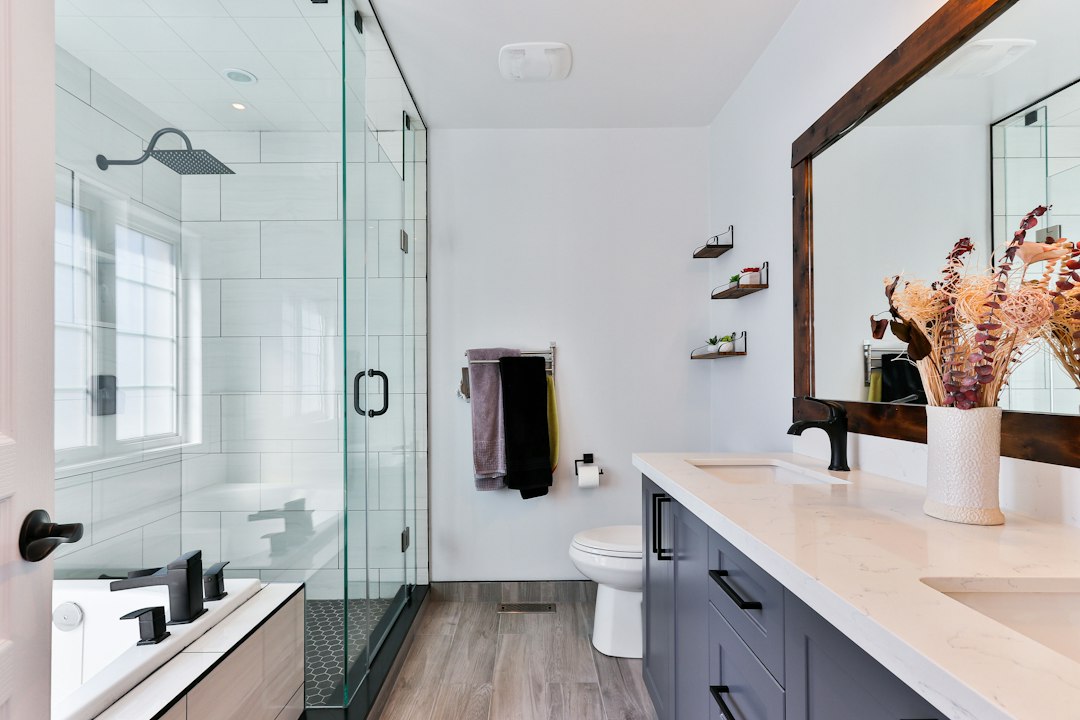
Clearing Stagnant Water: Why P-Traps Need a Fresh Flush
When you walk into a hotel room, you're usually thinking about the view or how soft the pillows are, but I’ve learned that the first thing you should really check is the plumbing. It might sound a bit odd, but that P-trap under your sink is your only real line of defense against sewer gases, and it needs a fresh flush the second you drop your bags. Think about it this way: that curved pipe is designed to hold a small reservoir of water to block odors, but if the room has been sitting empty, that water can evaporate in just two or three weeks. Once the seal breaks, you’re basically letting air from the main sewer lines drift right into your living space.
It’s not just about the smell, either, because that stagnant water is a breeding ground for nasty things you definitely don’t want lingering. Biological films, or biofilms, thrive in that dark, nutrient-rich environment, and they can actually house bacteria that degrade your air quality long before you notice a sulfurous odor. I’ve seen enough to know that drain flies also love these traps, using the accumulated muck to complete their life cycles right beneath your bathroom counter. Even if the room was recently occupied, hydrostatic pressure can sometimes siphon that water away, leaving you exposed to whatever is sitting in the pipes below.
Honestly, flushing the tap for a few seconds is the easiest way to reset the environment. By running fresh water, you’re essentially oxygenating the trap, which creates a hostile home for the anaerobic bacteria that produce those foul-smelling gases. It’s a simple mechanical fix that works better than any air freshener because it addresses the root of the problem rather than just masking it. If you want to breathe easier while you’re away, just give those drains a quick rinse—it takes ten seconds and makes a world of difference for your peace of mind.
Eliminating Unpleasant Odors and Bacteria Buildup
I've spent a lot of time looking at how hotel environments impact our health, and honestly, the air quality in a room that’s been sealed for a few days can be pretty grim. Our noses are incredibly sensitive—we can detect volatile sulfur compounds at concentrations as low as one part per billion. When a room sits empty, anaerobic bacteria start feasting on organic matter in the pipes, releasing hydrogen sulfide that doesn't just smell like rotten eggs but can actually accelerate minor corrosion on metal fixtures over time. I’ve noticed people often try to mask these smells with heavy perfumes, but that’s like putting a bandage on a broken leg; it doesn’t address the metabolic byproducts lingering in the stagnant air.
Think about the "biofilm" that forms inside these fixtures—it’s not just a layer of slime, it’s a highly resilient microscopic city. Bacteria use what we call extracellular polymeric substances to build a protective matrix, which basically acts like a shield against standard chemical disinfectants. Inside your faucet aerator, tiny mineral deposits create rough textures that give these colonies a perfect place to anchor themselves, protecting them from being washed away by a casual rinse. If you don't flush the system with a high-volume flow of water, you’re essentially letting these dormant microbes thrive right where you’re supposed to be getting clean.
While some high-end industrial systems now use photocatalytic oxidation with titanium dioxide to break down these odors into harmless carbon dioxide, we don't have that luxury in a standard guest room. This tech uses hydroxyl radicals to literally tear apart the cell walls of odor-causing microbes, which is a great gold standard, but simple physics can get you 80% of the way there. By running the water immediately, you’re providing mechanical agitation that’s far more effective at disrupting microbial colonies than any topical spray. You’re also re-oxygenating the water in the pipes, which creates a hostile environment for the anaerobic bacteria that produce those foul gases in the first place.
I always look for biological indicators like drain flies, because their presence tells you there’s enough decomposing organic sludge in the system to support an entire life cycle. It’s kind of wild when you think about it, but those little flies are living proof that the pipe's internal environment has become a nutrient-rich breeding ground. By taking ten seconds to flush the toilet and run the taps, you’re doing a total system reset. It’s a simple, high-signal move that replaces stagnant, oxygen-depleted water with a fresh flow, making it much harder for those resilient microflora to mess with your air quality while you sleep.
The Hygiene Reality: Protecting Yourself From Previous Guest Residue
When you step into a hotel room, it’s easy to focus on the aesthetics, but there’s a hidden layer of microbial history that really changes how I look at a space. The reality is that your room is essentially a shared environment, and without a bit of intentionality, you're inheriting the biological footprint of every person who stayed there before you. Think about the toilet, for instance; if the previous guest flushed without the lid down, they likely launched a bio-aerosol plume that coated the bathroom surfaces with microscopic waste particles. These aerosols can hang in the air for hours, which is exactly why I’ve made it a habit to cycle the air and clear the immediate microbial load the moment I arrive.
It goes way beyond just the bathroom, though, because those high-touch points we ignore are often the biggest offenders. Take the remote control, which is notoriously one of the filthiest objects in the room, often harboring dozens of bacteria per square centimeter and serving as a prime spot for resistant strains to linger. Similarly, those bedside light switches and phone handsets are magnets for E. coli and respiratory viruses, yet they’re rarely given the deep clean they actually require. I’ve found that even the "clean" surfaces—like that desk where you might set your laptop—often retain invisible food residues that act as a breeding ground for bacteria like Salmonella, creating a direct path to your own gear.
Then there’s the stuff we don't think to touch, like the heavy curtains that get laundered perhaps twice a year or the decorative bed runners that act as a dust-collecting sponge for dozens of past travelers. Those items are essentially accumulating skin cells and respiratory droplets for months on end, and simply closing the curtains can puff those particles right into your breathing zone. Even the ice bucket, which looks harmless, is a common hazard if it hasn't been heat-sterilized, as the plastic can harbor norovirus biofilms from whatever a previous guest decided to store in it. It’s not about being paranoid, but rather being smart about the environment you’re paying to occupy so you can actually get some decent sleep.
Why Housekeepers Recommend Checking the Bathroom First
When I’m analyzing hotel operational flows, it’s fascinating to see how professional housekeeping protocols prioritize the bathroom as the first point of entry. It’s not just about getting the hard part out of the way; it’s a calculated move to prevent cross-contamination by moving from the cleanest areas of the room to the most contaminated zones. Think about it—if you start at the bed and move to the toilet, you’re risking a biological transfer that no one wants to deal with. I’ve noticed that most pros also use this initial check to look for the sharp, lingering scent of ammonia, which usually points to urine crystallization deep in the tile grout that standard enzymatic cleaners might have missed. Honestly, it’s the most logical place to start because the vanity is often the only truly non-porous surface in the entire suite, making it the safest "landing zone" for your personal items before you touch anything else.
Let’s look at the actual engineering of these fixtures, because a quick flush does a lot more than just clear the bowl. High-pressure water flow is a standard sanitation technique used to physically dislodge the "substrate"—basically a mix of hair and skin cells—that settles in the S-bend and feeds bacterial colonies. You’ve also got to consider the faucet aerators, which act like tiny mesh traps for both biofilms and heavy metals like lead that might have leached into the lines during periods of inactivity. I’m always wary of the porcelain itself, too, since years of using harsh abrasive cleaners can create microscopic fissures in the glaze. These tiny cracks are essentially luxury hotels for pathogens, giving them a place to anchor where standard topical disinfectants can’t quite reach.
The real danger often lies in the temperature of the water sitting in the pipes, especially if it’s been hovering between 20 and 50 degrees Celsius. That’s the prime "danger zone" where Legionella pneumophila can proliferate, which is why I always make it a point to run the shower for at least a full minute before stepping in. You’re essentially clearing out stagnant water from the showerhead nozzles that’s been sitting there since the last guest checked out. It’s also a great way to test the ventilation system, because hotel bathrooms can easily hit 70 percent humidity if the airflow is blocked. If that fan isn't pulling its weight, you’re looking at a mold germination window of just 24 to 48 hours, which is a massive red flag for your respiratory health over a long stay.
I also treat that first flush as a functional diagnostic for the entire room’s plumbing health and maintenance standards. It’s the easiest way to catch "phantom flushes" or slow-drain issues that suggest a deeper blockage in the hotel's main line. Sometimes, you’ll find a dripping faucet that’s been cleverly masked by heavy industrial fragrances, which might seem minor but actually signals potential structural dampness issues behind the walls. By verifying the water pressure and drainage immediately, you’re making sure you won't be calling maintenance at 11 PM when you just want to collapse into bed. It’s a high-signal move that tells you exactly what kind of mechanical care the building is actually receiving behind the scenes.
Preventing Pest Infestations in Unused Plumbing
Let’s talk about the one thing more unsettling than a weird smell in a hotel room: seeing something with six legs scuttle across the tile the moment you flip the light. I’ve spent years analyzing building systems, and I can tell you that an unused drain is essentially a VIP entrance for pests. When a P-trap dries out, it stops being a barrier and starts being a highway. We’re talking about cockroaches that can survive for 30 minutes submerged, using that time to navigate the sewer system and climb into dry drains to enter your space. It’s a structural vulnerability that most travelers ignore, but once that water seal is gone, you’ve basically left the front door wide open for anything crawling in the walls.
It’s not just the big stuff, though; think about the smaller invaders like drain flies and silverfish that treat stagnant pipes like a five-star resort. Drain flies are opportunistic as hell, breeding in that gelatinous organic sludge that lines the pipes when water isn’t moving frequently enough. Silverfish are drawn to the high humidity found in these stagnant voids, and even centipedes will follow the scent of other insects already established in the dark, damp environment. It’s a whole micro-ecosystem living just inches from your toothbrush, and it all starts because the moisture seal evaporated while the room sat empty. I've noticed that even "plaster beetles" can show up, thriving on the mold that grows around damp fittings in these neglected zones.
I’m always surprised by how far house flies and blowflies can detect the gases emitted from a dry trap—they use the odor as a beacon to find the perfect spot to lay eggs in your bathroom. And look, it’s not just bugs; if the hotel’s main lines are poorly maintained, dry drains can even provide a path for rodents that are surprisingly good at squeezing through plumbing architecture. I’ve seen data suggesting that dry pipes even disrupt the building’s air pressure balance, which can inadvertently draw pests from the main vertical waste stacks right into your individual fixture. It’s a messy reality, and sometimes you’ll even find spiders or scorpions seeking out these dry, sheltered gaps to hide. Honestly, it’s enough to make you want to sleep in the rental car, but there’s a simple fix that works every time.
So, what’s the move to actually secure the room? Honestly, a minor trickle of water isn’t going to cut it because it doesn’t have the force to fully clear the pipes. You need a full-volume flush of the toilet and all the taps to physically scrub the interior surfaces and wash away the pheromone trails left by previous "visitors." By doing a total system reset the second you walk in, you’re restoring that physical water barricade and making the environment hostile for anything trying to move in. It’s a high-signal, low-effort habit that ensures your only roommates for the night are the ones you actually invited. Just think of it as a ten-second investment in making sure your suite stays a sanctuary instead of a scouting ground.
A Simple Habit to Ensure Your Room is Move-in Ready
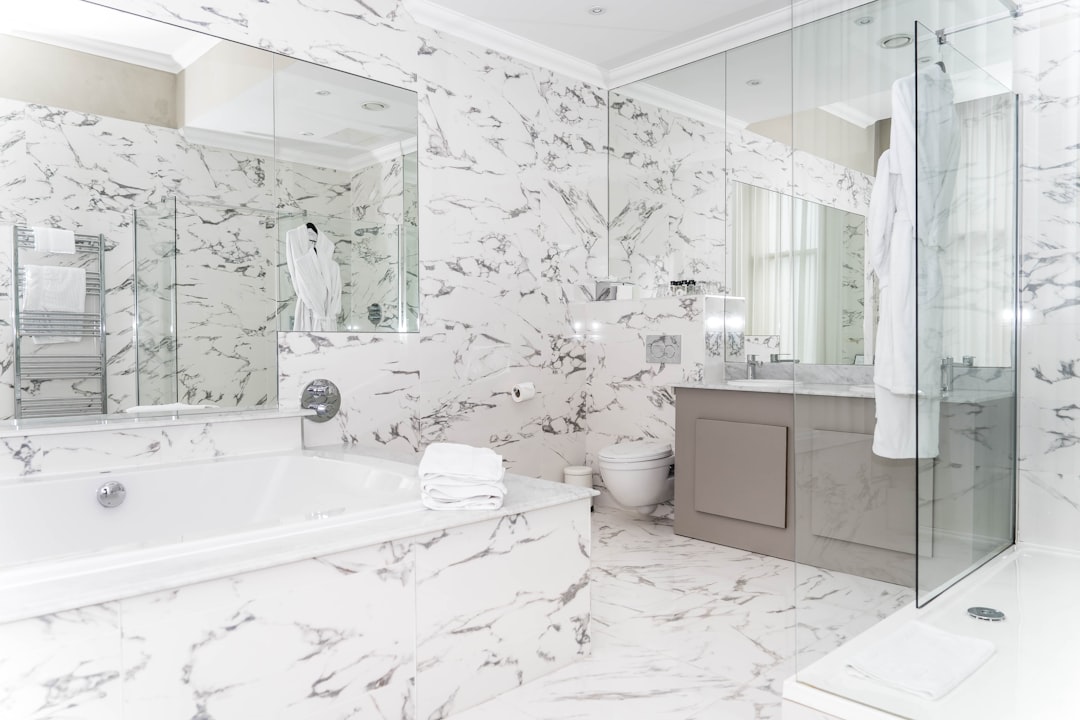
You know that moment when you first drop your bags in a hotel room and finally feel like you can breathe? Well, before you actually settle in, there’s one habit I’ve picked up from years of looking at building systems that’ll save you a lot of hidden grief. I always head straight to the bathroom to run every tap and flush the toilet simultaneously. It sounds a bit overboard, but it’s a high-signal move to ensure the room is truly move-in ready. See, in high-rise hotels, hydrostatic pressure can fluctuate wildly, often siphoning the water seal right out of your P-trap even if the room was cleaned just this morning.
When that seal breaks, you’re not just smelling old pipes; you’re potentially dealing with a compromise in the shared venting system where odors from other rooms can drift into your space through the common drain stack. By running a full-volume flush, you’re creating a venturi effect that helps pull stale, potentially contaminated air out of the room through the exhaust ventilation. It also addresses the accumulation of volatile organic compounds that tend to off-gas from the synthetic materials used in hotel vanities when the air is stagnant. Think of it as a total system reset for your room’s micro-environment.
I also focus on the water chemistry itself because when water sits stationary for too long, the drop in dissolved oxygen levels encourages sulfate-reducing bacteria to thrive. These microbes are nasty—they don’t just smell bad, they actually cause structural pitting in copper piping over time. I’m not saying the building is falling apart, but you definitely don’t want to be the one using that oxygen-depleted water for your first shower. That’s why I let the hot water run for at least 60 seconds to bring the temperature above the threshold where most waterborne pathogens lose their viability.
Beyond the biology, the mechanical force of a high-pressure flush is often the only way to clear microscopic debris from the S-bend that would otherwise feed biofilm development during your stay. It’s also a great functional diagnostic tool—if you see a weird spray pattern, it’s a sign of mineral scale buildup in the aerator, which is a prime spot for localized bacterial growth. The vibration caused by running high-pressure water through the pipes can even help dislodge dormant spores that have settled in the interior lining. Honestly, it takes less than a minute, but it guarantees you’re not inheriting a stagnant plumbing legacy. It’s just one of those simple, expert-level habits that makes a massive difference in how you actually feel once you finally turn the lights out.
Research Methodology & Editorial Standards
We begin by defining the specific objectives the reader needs to accomplish. Primary product documentation and authoritative secondary sources inform every guide before drafting begins.
Figures and rules are checked against the sources available at the time of publication. Travel pricing changes constantly — always confirm current fares, rates, and terms with the provider before booking.