
What really caused the deadliest aviation accidents in history
Pitot tubes, which are basically the plane’s eyes for airspeed, have notoriously caused major accidents when they get blocked by ice or debris, tricking the computer into firing off conflicting alerts that confuse the crew.
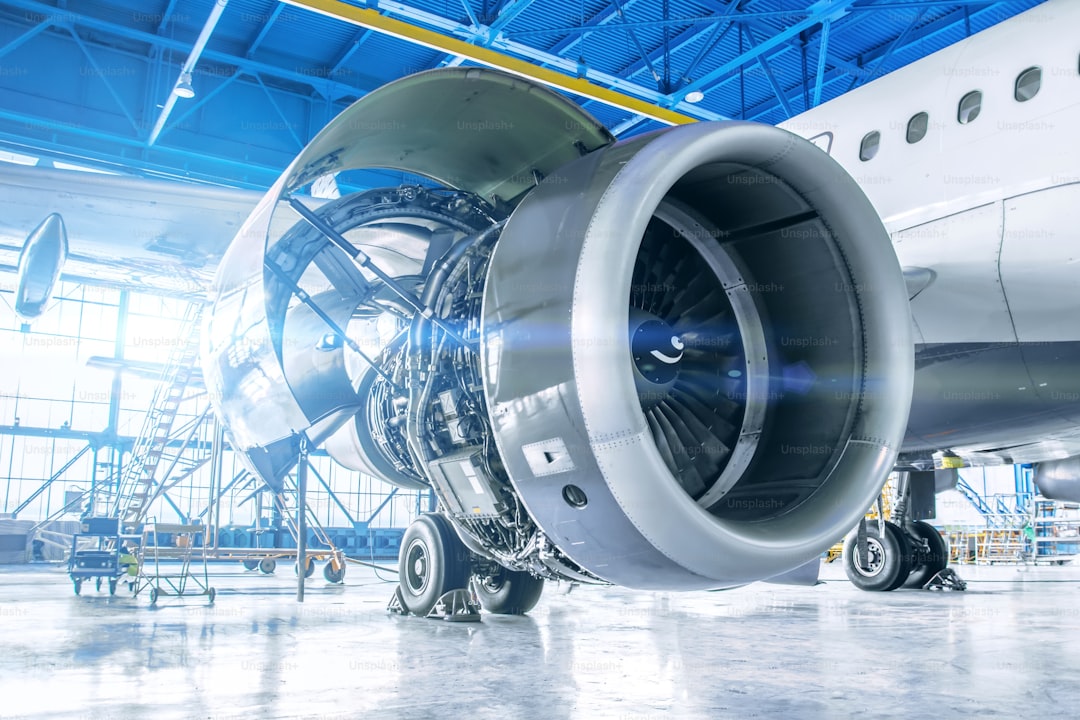
The Human Factor: Pilot Error and Decision-Making Under Pressure
When we look at why planes actually go down, it’s almost never a wing just falling off. Honestly, it’s usually something much more relatable and frankly, more scary: the human brain just hitting its limit. We’re talking about a world where 70% to 80% of all crashes come down to human factors, a number that hasn’t really budged even with all the tech jumps we've made. I think we need to talk about "get-there-itis," or what we call plan continuation bias. It's that nagging voice that tells a pilot to keep pushing through a storm just to land on time, even when every sensor is telling them to turn around. It’s a powerful mental drift that makes us ignore the obvious because we’re so locked into the goal.
And then there’s the startle effect, which is basically your brain’s way of freezing up. Imagine being a pilot and suddenly having 30 seconds of total mental paralysis because something went wrong that you didn't expect. You can't process tough data, you can't move, and those 30 seconds are often the difference between a close call and a wreck. But it's not just about being scared. Think about the time between 2:00 AM and 6:00 AM. Research shows that flying during your body's natural low point is basically the same as flying with a 0.05% blood alcohol level. You’re essentially tipsy without ever touching a drink, and that’s when "automation surprise" kicks in—that moment where what the pilot thinks the plane is doing totally breaks away from what the computer is actually doing.
I’ve spent a lot of time looking at the 1978 United Flight 173 crash because it changed everything about how crews talk to each other. Back then, a captain might ignore his junior officers while worrying about a tiny gear light until the fuel tanks ran dry. That's why we have modern Crew Resource Management now; it’s meant to stop that old-school hierarchy from getting people killed. But even with the best training, things like the "black hole illusion" can still trick a pilot into flying too low over dark ground because their eyes literally lie to them about how high they are. It’s like the Swiss Cheese Model we always talk about—errors aren't usually just one big mistake, but a bunch of small holes in the safety net lining up perfectly until there's nothing left to catch the fall.
Controlled Flight Into Terrain (CFIT) is still a massive killer, and the weird part is that the planes are usually working perfectly right up until they hit the ground. The crew just doesn't know they're in trouble until it's too late because their "situational awareness"—the ability to see, understand, and predict—has totally fallen apart at the very first step. Recent math models are starting to show that the real danger isn't just a "bad pilot" anymore; it's the way the person and the machine fail to talk to each other when things get fast. We’ve built these amazing machines, but we’re still trying to figure out how to keep the person in the seat from being the part that breaks. It’s a constant battle between our biology and our technology, and honestly, our brains are a lot harder to update than software.
Mechanical Failure and Critical Systems Malfunction
When we look at the machinery keeping us in the air, it’s tempting to assume that mechanical failure is just a simple case of a broken part, but the reality is much more nuanced. Modern aircraft operate on fly-by-wire systems where electrical signals have replaced physical cables, and while that saves weight, it introduces a reliance on power redundancy that is absolute. Think about it this way: if those redundant systems ever blink out, the pilot loses flight control authority entirely. It’s not just about the big pieces either, as high-pressure hydraulic lines—running at up to 5,000 pounds per square inch—can turn a tiny, invisible pinhole leak into a force that erodes structural components in seconds. Honestly, the most dangerous failures are often the ones you can’t see until it’s far too late.
Then there is the issue of sensors feeding bad data into an otherwise healthy machine. Pitot tubes, which are basically the plane’s eyes for airspeed, have notoriously caused major accidents when they get blocked by ice or debris, tricking the computer into firing off conflicting alerts that confuse the crew. We see this same problem in avionics integration; a single faulty angle-of-attack sensor can prompt an automated system to start fighting the pilot for control of the plane. It’s a strange irony that our attempt to make flying safer through automation sometimes creates a "ghost" data loop where the software is technically working exactly as programmed, but the reality outside the window is totally different.
And don't get me started on the maintenance side, where even the best diagnostics can occasionally backfire. We rely on advanced systems to catch intermittent electrical faults before they become hard failures, but these can create "nuisance alerts" that spike a pilot's cognitive load right when they need to be focused on flying. It’s like when a check engine light flickers on in your car—you’re trying to figure out if it’s a minor sensor glitch or something that’s about to leave you stranded on the highway. In the sky, that ambiguity is a massive, high-stakes distraction. At the end of the day, we’ve built these incredibly sophisticated machines, but we’re still working on perfecting the bridge between the metal and the code.
The Role of Communication Breakdowns and Air Traffic Control
Let's be honest, when we talk about aviation safety, we often fixate on the plane itself, but the real silent killer is how the person in the cockpit talks to the person in the tower. It’s wild to think that even with all our digital tools, a simple slip of the tongue or a misinterpreted digit can lead to a runway incursion. The core issue here is often expectation bias, where a controller’s brain is so locked into the script that they literally hear the pilot read back the "correct" instructions, even when the pilot actually got them wrong. It’s a trick of the mind that even seasoned professionals can’t fully escape. And when you add in the technical mess of a heterodyne—that screeching noise when two people talk over each other—you’re left with a total blackout of critical safety data. It happens more than you’d think, and it’s a massive reminder that our systems are only as good as the last clear sentence spoken.
We also have to look at the sheer physics of the job, because when a controller is pushed to their limit, the math starts to turn against them. Data shows that just adding two extra aircraft to a sector beyond its capacity can spike the likelihood of a verbal error by nearly thirty percent. It’s not just about being busy; it’s about the fact that human brains aren't built to process high-speed, high-stakes information in a vacuum. We’ve seen this play out in recent disasters, like the collision at LaGuardia, where overlapping gaps in staffing and tech left no margin for error. Even with the move toward digital data link communications, we’ve just swapped one problem for another: now pilots are spending precious seconds looking down at a screen instead of watching the horizon.
Then there’s the language barrier, which I think is a massive, often overlooked, piece of the puzzle. Even when everyone meets standard proficiency levels, the moment a genuine emergency hits and the adrenaline spikes, that second language becomes much harder to navigate under stress. We’ve seen scenarios where something as simple as the sounds of "two" and "three" get garbled over static-filled frequencies, turning a routine instruction into a total mystery. And when legacy systems fail, like the massive outage in Greece earlier this year, we realize just how fragile our reliance on these networks really is. It’s a constant tug-of-war between the tech we build and the biological limits of the humans trying to manage it. We’re essentially trying to bridge the gap between perfect code and imperfect people, and honestly, that’s where the most dangerous holes in the cheese start to line up.
Environmental Hazards: Weather Patterns and Unpredictable Atmospheric Conditions
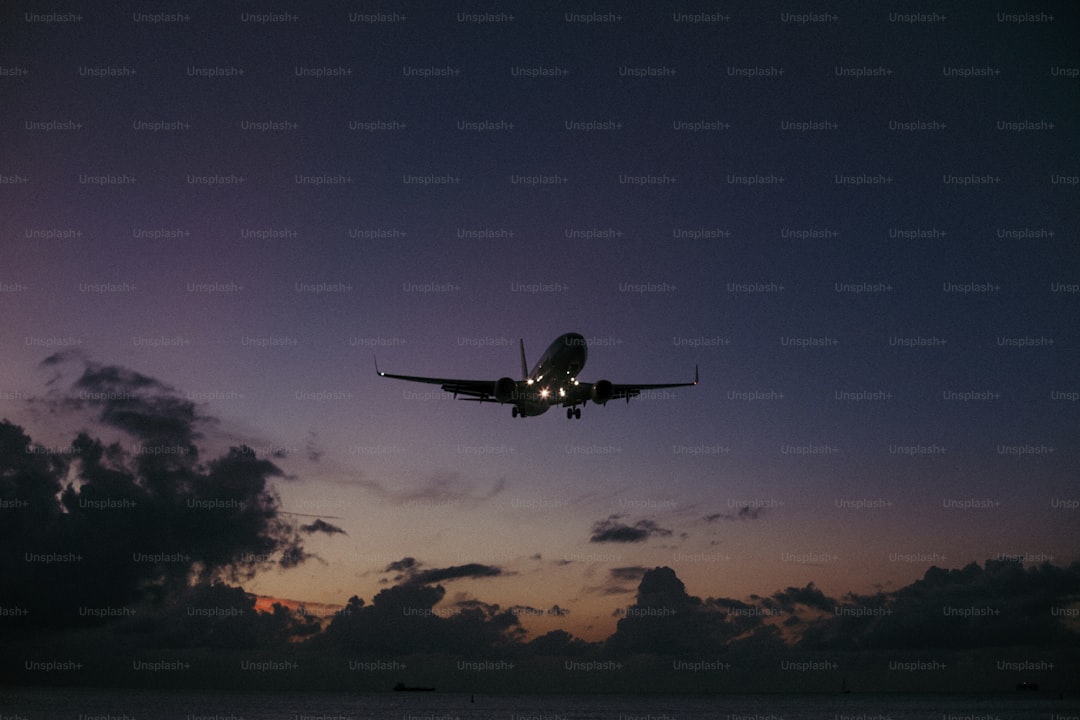
When we talk about what actually brings a plane down, we have to look past the cockpit and out the window at the atmosphere itself, which is honestly becoming a much wilder place to fly. You’ve likely heard about clear air turbulence, but it’s worth noting that this is a silent, invisible trap because it happens in cloudless air where neither radar nor the human eye can spot the danger. As our climate shifts, we’re seeing jet stream patterns drift into new shapes, which means routes that were traditionally smooth are now seeing more frequent, violent bumps that catch crews completely off guard. It’s not just uncomfortable; it’s a genuine structural risk that forces us to rethink how we navigate these supposedly clear corridors.
Then there are the phenomena that defy the standard "stormy weather" warnings, like microbursts—these intense, localized downdrafts that can slam a plane toward the ground at 6,000 feet per minute. Because they occur in such tight, specific columns of air, they can easily overwhelm an aircraft's climb performance during the most critical phases of takeoff or landing. We also see ice crystal icing, a sneaky issue where high-altitude clouds contain particles that melt inside the warm engine inlet only to refreeze on the compressor blades, leading to a sudden, unexplained loss of power. It’s a frustrating reality for engineers because these systems are often working perfectly fine until this specific thermal reaction turns them into a liability.
We also have to consider the environment’s effect on the plane’s internal "logic," like when temperature inversions trap dense, cold air near the runway. This shifts the density altitude so drastically that the engines lose efficiency right at the moment a pilot needs maximum thrust to clear an obstacle. Even the air itself can lie to the sensors; rapid pressure changes at the tropopause can occasionally cause altimeters to drift, giving the crew a false sense of their true distance from the ground. It’s this constant, invisible tug-of-war between the physics of the atmosphere and the rigid, predictable math of flight software that keeps researchers up at night.
And honestly, we can't ignore the more exotic threats, like volcanic ash clouds that melt into a glass coating inside an engine, or gravity waves that ripple out from mountain ranges to deliver unexpected jolts hundreds of miles from the original storm. While our planes are built with incredible safety margins, like Faraday cage protection to handle the lightning strikes that happen to every commercial jet roughly once a year, we are fighting a losing battle against the sheer variability of the sky. It’s a sobering reminder that while we’ve mastered the mechanics of flight, we’re still just guests in an environment that doesn't care about our flight plans or our arrival times.
Regulatory Oversight and the Evolution of Modern Aviation Safety Protocols
Honestly, the way we look at air safety has changed over the last few years, moving away from just waiting for something to break and toward predicting the failure before it even happens. We've finally seen the full rollout of the Global Aeronautical Distress and Safety System, or GADSS, which means planes now have to ping their location every single minute if they're in trouble. It effectively shrinks a search area down to a six-mile radius, which is a relief when you think about the vastness of the ocean. I think the real shift happened when regulators started using the Aviation Safety Information Analysis and Sharing system to process billions of data points. They're hunting for those tiny, latent risks that used to stay hidden until it was too late.
We’ve also seen a huge change in how much we hold the people who actually build the planes accountable. It’s no longer just the airlines’ job to manage safety; thanks to recent legal overhauls, the manufacturers themselves have to run the same kind of rigorous Safety Management Systems. And look at how we handle cargo now—international rules finally caught up to the reality of lithium-ion batteries. By mandating a maximum 30% state of charge for cargo, we’re actually preventing the kind of thermal runaway that old-school fire suppression just can’t touch. It’s a practical, physics-based fix for a problem that used to be a major blind spot for everyone involved.
Another thing that’s really interesting is how cybersecurity is being treated today. Instead of being some side-job for the IT department, standards like DO-326A mean digital security is now a literal requirement for a plane to be considered airworthy. We're even seeing regulators use high-res drone swarms and AI image analysis to do virtual ramp inspections on planes in remote spots, which honestly makes it way harder for smaller operators to cut corners. For those long-haul overwater flights, real-time engine health tracking via satellite is now a must-have requirement. It lets us spot a degrading component while the plane is still thousands of miles from the nearest runway, rather than finding out after it lands.
I’m also pretty encouraged by the global push for "Just Culture" through ICAO Annex 19, which basically protects pilots from being punished for making honest mistakes. It’s all about keeping the data flowing so we can learn, rather than scaring people into hiding their errors. We’ve even moved past the era of lost black boxes because new certifications now require recorders that pop out and float if there's an impact. On top of that, EASA is now using a new algorithm to watch an airline’s bank account, because we know that when the money gets tight, maintenance is often the first thing to slip. It’s a much more big-picture way to keep the skies safe as we start looking toward the return of supersonic travel and all the new high-altitude rules that come with it.
Lessons Learned: How Tragedy Shapes Today’s Flight Industry Standards
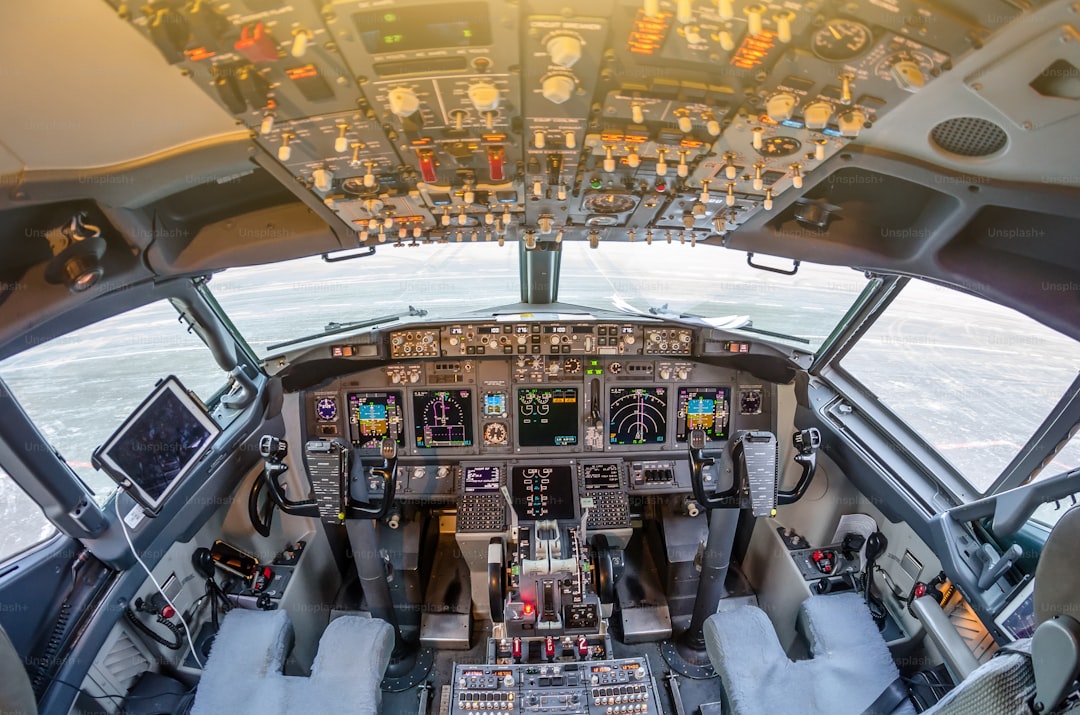
You know that weird feeling when you see an ashtray in a brand-new plane's bathroom and wonder if the designers are stuck in the 70s? It’s actually a grim regulatory legacy of Varig Flight 820 in 1973, which taught us that since people will inevitably break the rules and smoke, we’d rather have a safe spot for that cigarette than a fire in the waste bin. It’s a perfect example of how aviation safety isn't just about perfect engineering; it’s about accounting for the messy, unpredictable reality of human behavior. I think about this often when looking at the Air Midwest 5481 crash, which forced the industry to finally stop relying on those generic "average" passenger weights that were consistently underestimating the actual load. Now, we’re seeing a much more precise approach to weight and balance because we realized that a few extra pounds per person can literally pull a plane’s center of gravity right off the map during a critical climb.
But the changes go way deeper than just how we weigh bags or handle smokers; they’re now baked into the very electrical marrow of the aircraft. For instance, we’ve moved to requiring cockpit voice recorders to have their own independent power supplies because we’re tired of losing critical data the second the main electrical bus goes dark in an emergency. I’ve been looking at the data on "bit flips" too—those moments where cosmic radiation at high altitudes can actually scramble a computer's commands—and it’s wild that we now mandate flight software that’s literally resilient to space-borne interference. We’re also using specialized acoustic sensors now to listen for the high-frequency "scream" of a pinhole hydraulic leak. It’s the kind of high-signal tech that catches a disaster-in-the-making long before a pilot would even see a pressure drop on their glass cockpit displays.
Honestly, the way we manage the engines themselves has become a game of predictive math rather than just reactive repairs. We’re finally redesigning engine inlets to stop ice crystal icing, which used to be this silent killer where moisture would refreeze on compressor blades and just choke the engine out without warning. By using satellite-based health monitoring, ground crews can now spot a tiny flaw in a turbine blade weeks before it becomes a hard failure, which is a massive leap from the old days of "inspect and hope." And look at how we handle cargo now; by capping lithium-ion batteries at a 30% state of charge for transport, we’re using thermal dynamics to basically take the "fuel" out of a potential fire before the plane even leaves the tarmac. It’s a simple, physics-based fix that addresses the reality that traditional fire suppression just can’t handle a full-blown thermal runaway.
Let’s pause for a moment and reflect on the fact that if a plane even slightly drifts from its path today, the GADSS protocols kick in and start pinging its location every single minute regardless of what the crew does. We learned the hard way that searching the vast, deep ocean for a 30-day beacon was a losing game, so now those black boxes have to scream for 90 days straight and are designed to float if there's an impact. Even the maintenance floor has changed with new "return-to-service" rules that require a totally independent verification cycle to catch things like reversed control cables. It’s all about building a redundant safety net that assumes humans will eventually make a mistake, whether it's in the cockpit or the hangar. At the end of the day, every rule in the book was written in the wake of a moment where something went wrong, and I think that’s why the industry is finally moving toward a world where the plane tells us it's sick before it ever has a chance to fail.
Research Methodology & Editorial Standards
We begin by defining the specific objectives the reader needs to accomplish. Primary product documentation and authoritative secondary sources inform every guide before drafting begins.
Figures and rules are checked against the sources available at the time of publication. Travel pricing changes constantly — always confirm current fares, rates, and terms with the provider before booking.