
Discover the World Busiest Airports for 2025 and What They Mean for Your Travels
When we talk about "the busiest" airports, we usually default to counting heads, but the real metric that keeps operations teams up at night is the sheer volume of metal touching down and taking off.

The 2025 Global Rankings: Identifying the World’s Busiest Travel Hubs
If you’ve spent any time sprinting through a terminal lately, you’ve probably felt that palpable hum of a system pushing its limits. It’s easy to look at the 2025 global rankings and just see a list of names, but there’s a much more interesting story happening under the hood of these aviation giants. Hartsfield-Jackson in Atlanta is still sitting comfortably at the top for raw passenger volume, holding its ground as the undisputed heavyweight of global travel. But if you look closer, Chicago O’Hare is telling a different, arguably more intense story by taking the lead in total aircraft movements. It’s a classic case of volume versus frequency, and honestly, it’s fascinating to see how these hubs are choosing to scale their operations.
When we talk about "the busiest" airports, we usually default to counting heads, but the real metric that keeps operations teams up at night is the sheer volume of metal touching down and taking off. O’Hare’s climb to the top for movements suggests it’s become the ultimate connector for high-frequency, shorter-haul routes, whereas a place like Atlanta acts as a massive funnel for long-haul flow. Think about it this way: one airport is playing a game of constant, rhythmic pulses, while the other is managing a heavy, steady stream of massive wide-body aircraft. Denver is another one to watch here, as it continues to assert itself as a massive, central node in the global transit network, moving up the ranks because it’s geographically positioned to catch almost any cross-country connection you can imagine.
If you’re someone who actually travels for a living, you’re likely wondering what this means for your next layover. The data shows that we’re seeing a real divergence in how these hubs handle stress; some are reaching their absolute physical runway limits, while others are managing to stay surprisingly reliable by leaning into smarter gate management and biometric screening tech. It’s not just about how many people they can shove through the doors anymore, but how fast they can move them without everything grinding to a halt. We’ve seen that being the busiest doesn’t automatically mean you’re going to be delayed, provided the infrastructure behind the scenes is keeping pace with the passenger growth. It’s a delicate balancing act, and honestly, the airports that are winning aren't necessarily the biggest—they're the ones that have figured out how to make a massive, chaotic terminal feel almost routine.
Surging Demand: How Record-Breaking Passenger Volume Affects Your Travel Experience
Honestly, if you've been at an airport lately, you know it feels like everyone on the planet decided to pack a bag and head for the gate at the exact same time. We’re seeing a massive structural shift in how people spend their money, with U.S. travelers now dumping about 15% more of their discretionary income into "experience-based" trips rather than buying more stuff for their homes. I think this is why American Airlines is staring down the barrel of its busiest summer in history right now, especially through monster hubs like Dallas-Fort Worth and Miami. But here is the kicker: we’re seeing average load factors hitting north of 92% across domestic routes. That sounds like a win for the airlines, but for you and me, it means there’s basically zero wiggle room if a storm hits or a plane has a mechanical issue because every single seat is already spoken for.
If we look over at the Asia-Pacific region, the situation gets even more intense because the outbound travel coming from India and China has completely reshaped the market. You might notice airfares jumping around like crazy; on some high-demand Southeast Asian routes, pricing algorithms are now updating up to six times a day to keep up with the demand. It’s not just the big-name hubs feeling the heat, either. Take London Stansted, for example, which just shattered its April records because people are desperately trying to avoid the total gridlock of primary gateways. Even with rising costs, budget carriers like Ryanair are seeing record numbers, which tells me that our collective threshold for "too expensive" is a lot higher than experts predicted it would be a few years ago.
What's really fascinating to me is how the airports themselves are pivoting to handle this crush of humanity. Dubai International has basically turned itself into a family-themed destination to cater to the massive surge in multi-generational travelers from the UK and Russia. Then you have Singapore’s Jewel Changi, which has become such a draw that it’s actually adding over four hours to the average transit time for people flying from North America or Australia. It’s a clever move, honestly—if you can’t make the crowds disappear, you might as well give them a reason to stay longer and spend money. But there’s a gritty side to this too, like Miami International having to move ground staff around just to handle a projected 12% spike in baggage volume.
So, where does that leave us as we navigate this record-breaking year? I’m convinced that the old way of booking—waiting for a last-minute deal or assuming there's an empty middle seat—is officially dead. We have to be more tactical, maybe even choosing those secondary hubs like Stansted or being okay with longer layovers in places like Changi that actually offer something to do. Look, it’s going to be a bit chaotic, and the price volatility is probably here to stay as long as those algorithms are running the show. But if you know that the system is running at max capacity, you can at least plan for the inevitable bumps instead of being caught off guard when the terminal is packed to the rafters.
Shifting Tourism Landscapes: Why New Global Hubs Are Rising to the Top
If you've been feeling like your go-to vacation spots are suddenly pricier or just plain exhausted, you aren't imagining it. We're witnessing a real-time reshuffling of the global tourism map, and frankly, it’s a bit of a wake-up call for anyone who plans their trips based on the usual suspects. Traditional powerhouses like Los Angeles and New York are currently seeing a noticeable retreat in visitor numbers, squeezed by the double whammy of spiraling costs and the kind of visa red tape that can kill a vacation before it even starts. Even European heavyweights like France and Italy are cooling off as travelers grapple with VAT hikes and price volatility that make the "classic" trip feel less like an escape and more like a financial burden.
But here’s the interesting part: while the headlines talk about a slowdown, travel itself is actually booming in some pretty unexpected corners. We’re seeing a massive pivot toward secondary hubs and emerging coastal destinations that are finally getting their moment in the sun because they offer a path of least resistance. Take the Caribbean, for instance, where travelers are actively scouting alternatives to long-standing staples like Cancun, searching for that same coastal magic without the inflated price tags. Even stateside, places like Arizona are managing to offset a drop in regional traffic by leaning into infrastructure growth that pulls in a fresh, global crowd, proving that smart planning can still win over the modern traveler.
It really comes down to a shift in how we value our time and money, especially when the old marquee destinations start feeling like they’ve hit a wall. We’re moving away from the era of blindly following the crowd to the most famous city on the map, and honestly, that’s a good thing for our itineraries. Spain is a perfect example of this in 2026, pulling ahead of its neighbors simply by doubling down on safety and shifting its appeal to match what people actually want right now. If you're looking for where to head next, pay attention to these rising hubs; they aren't just cheaper, they’re often where the most genuine experiences are hiding while the rest of the world waits in line at the same five airports.
Navigating the Chaos: Practical Tips for Transiting Through Major International Airports
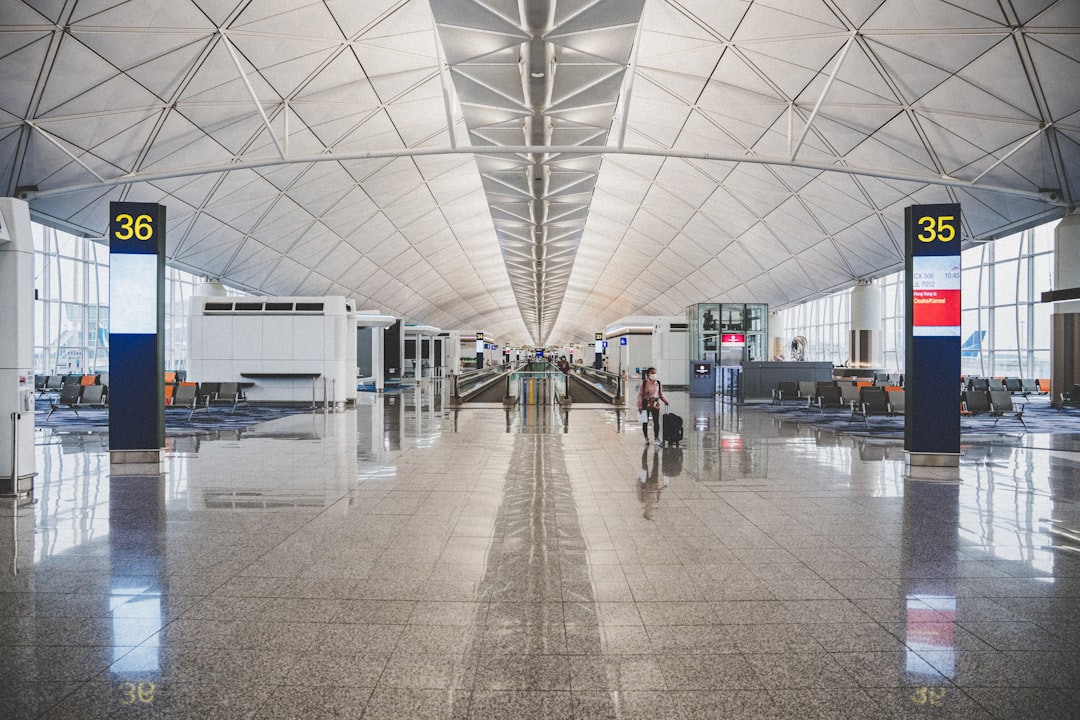
If you’ve spent any time in a terminal lately, you know that the simple act of catching a flight has turned into a high-stakes game of logistics. We’re currently seeing a fundamental shift where the sheer volume of travelers is pushing hubs to their absolute physical limits, and honestly, the old playbook for getting through security just doesn't cut it anymore. Between the rollout of new biometric border systems in Europe—which are creating massive bottlenecks in places like Frankfurt—and the reality that domestic load factors are hovering near 92%, there’s almost zero room for error if things go sideways. I’ve noticed that when you’re flying through these high-density nodes, the margin between a smooth transit and a missed connection is razor-thin, and that’s why you really need to be more tactical than ever before.
Here’s the thing: most of the stress we feel at the airport actually stems from trying to treat these massive hubs like they’re still the predictable, airy transit points of a decade ago. But when you look at the data, you’ll see that early-morning departures are your best defense against the cascading delays that inevitably stack up as the day wears on. If you’re checking a bag or navigating new documentation protocols, you have to pad your timeline by at least forty minutes just to handle the unexpected, like a random biometric scan delay or a sudden shift in security gate procedures. It’s frustrating, I know, but viewing the airport as a place where you have to actively manage your own flow—rather than just following the signs—is the only way to keep your sanity.
And if you really want to level up your travel game, look past the primary gateways whenever you have the option. While everyone else is fighting for space at the major, headline-grabbing airports, secondary hubs are often handling the surge with much less friction, even if they aren't as flashy. I’ve started tracking aircraft movement data instead of just passenger projections, and it’s usually a much more honest indicator of how chaotic a terminal is going to be on your specific travel day. Ultimately, it’s about accepting that the system is running at max capacity and planning for the bumps before they happen. Keep your apps updated, watch those carrier pricing algorithms like a hawk, and remember that staying flexible with your route is the smartest investment you can make in your own time.
The Hidden Costs of Convenience: Understanding Airfare Pricing at Busiest Airports
We often talk about the convenience of flying out of a major hub, but I think we rarely stop to consider that we’re paying a massive, hidden premium for that ease of access. When you choose a fortress hub, you’re not just paying for a seat; you’re effectively subsidizing billions in terminal debt, with landing fees now accounting for roughly 12% of your base fare on short-haul flights. It gets even steeper when you factor in the "convenience premium," where choosing a direct flight through a massive gateway can cost you 25% to 35% more than a similar trip routed through a secondary city. Even the way we get to the airport is being monetized, with ride-sharing access fees at major U.S. hubs jumping 18% since 2024 to help pay for those shiny new terminal redevelopments.
And it’s not just about the ticket price itself; it’s the way these costs are being baked into every layer of our travel experience. If you’re flying into a slot-constrained airport like Heathrow, peak-hour takeoff windows are being auctioned off to airlines, adding an estimated $110 to your business-class fare before a single tax is even applied. We’re also seeing a "vintage surcharge" of up to 9% on flights operated by older, less fuel-efficient planes as airports roll out new environmental levies to manage traffic. Plus, some low-cost carriers are getting clever with gate-proximity pricing, charging more for flights that depart from gates near security because they know your time is worth money.
It’s honestly a bit overwhelming when you realize that Passenger Facility Charges have climbed to record highs, with some hubs tacking on $50 to a round-trip ticket just for basic maintenance. Meanwhile, airports are pivoting to get more cash out of us through non-aeronautical revenue—like luxury retail and high-end parking—which now makes up more than 55% of their total income. Even the "fixes" are becoming revenue streams, like tiered security pricing in Europe that lets you buy your way out of a standard queue. If you’re feeling like the deck is stacked against you, it’s because it is; the system is designed to squeeze every bit of value from the passengers who can’t afford the time-saving benefits of private aviation, which now saves users upwards of 400 hours a year in transit.
Beyond Passengers: The Role of Global Cargo Logistics in Airport Infrastructure and Planning
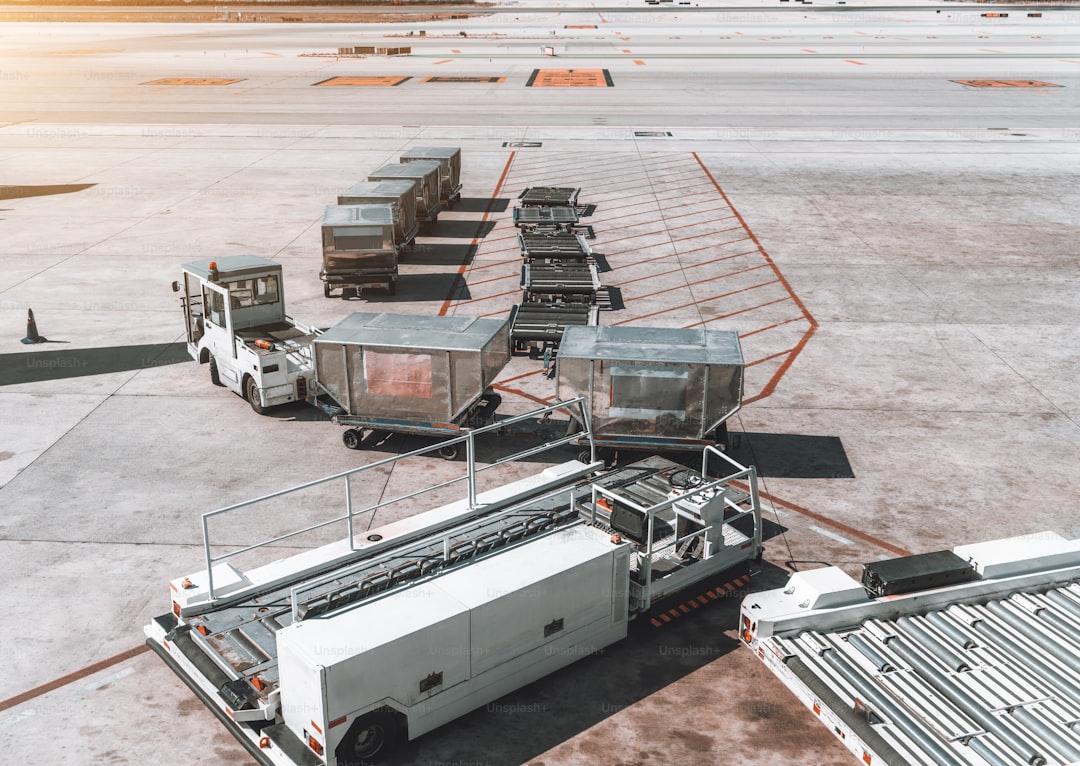
Look, we often focus on the shiny new terminals and lounge upgrades, but the real heavy lifting for the next decade of aviation is happening in the cargo bays. I've been watching how greenfield projects like Poland's Port Solidarność are completely rewriting the rulebook by building dedicated freight corridors from day one. It’s not just about adding a warehouse; it’s about making sure hundred-ton freighter operations don’t turn your fifteen-minute taxi to the gate into a forty-five-minute nightmare. By separating these flows, planners are finally acknowledging that cargo isn't a secondary thought but a primary driver of how a tarmac actually functions.
If you think about the financial stability of these massive hubs, cargo has become the ultimate economic hedge against the volatility we see in passenger demand. I'm seeing a massive shift toward industrial ecosystems, like what they're doing with Clark Aviation Capital, where high-value manufacturing happens right on the airport grounds. This isn't just about moving boxes; it’s about creating a seamless loop where a chip or a pharmaceutical product is made, packed, and loaded onto a wide-body within hours. It’s a smart way to maximize land use, though it does put a lot of pressure on local road and rail networks if the multi-modal links aren't perfectly synced.
On the tech side, the most interesting thing I've noticed is how airports are repurposing passenger biometric tech to track high-value freight through secure zones. We're also seeing the rise of smart gate management systems that ditch static schedules for real-time tarmac data, which is exactly what the new agreement between Madinah Airport and Saudia Cargo is aiming for. Instead of freighters eating up gates meant for your flight, these systems move aircraft to specialized logistics zones based on actual arrival times. It’s a high-stakes game of Tetris, and honestly, if an airport hasn’t invested in automated guided vehicles to move that freight yet, they’re already falling behind.
We also can't ignore the massive scale of projects like Ethiopia's Bishoftu, which is basically betting its entire future on becoming Africa's premier logistics node by 2030. These hubs are realizing that revenue from cargo and cold-chain setups—especially for life-saving meds and perishables—can actually help cover the costs of keeping the passenger side running. But it’s a delicate balance; you can’t just build more runways and hope for the best without having the right apron layouts to handle both baggage carts and heavy cargo dollies at the same time. In the end, the airports that win won't just be the ones with the best duty-free shops, but the ones that manage the messy, industrial side of the business without you ever noticing it's there.
Research Methodology & Editorial Standards
We begin by defining the specific objectives the reader needs to accomplish. Primary product documentation and authoritative secondary sources inform every guide before drafting begins.
Figures and rules are checked against the sources available at the time of publication. Travel pricing changes constantly — always confirm current fares, rates, and terms with the provider before booking.