
Why You Should Always Flush The Toilet Immediately Upon Entering A Hotel Room
You know that sinking feeling when you walk into a hotel room and the bathroom looks spotless, but you just can't shake the doubt about what's actually lurking on the surfaces?
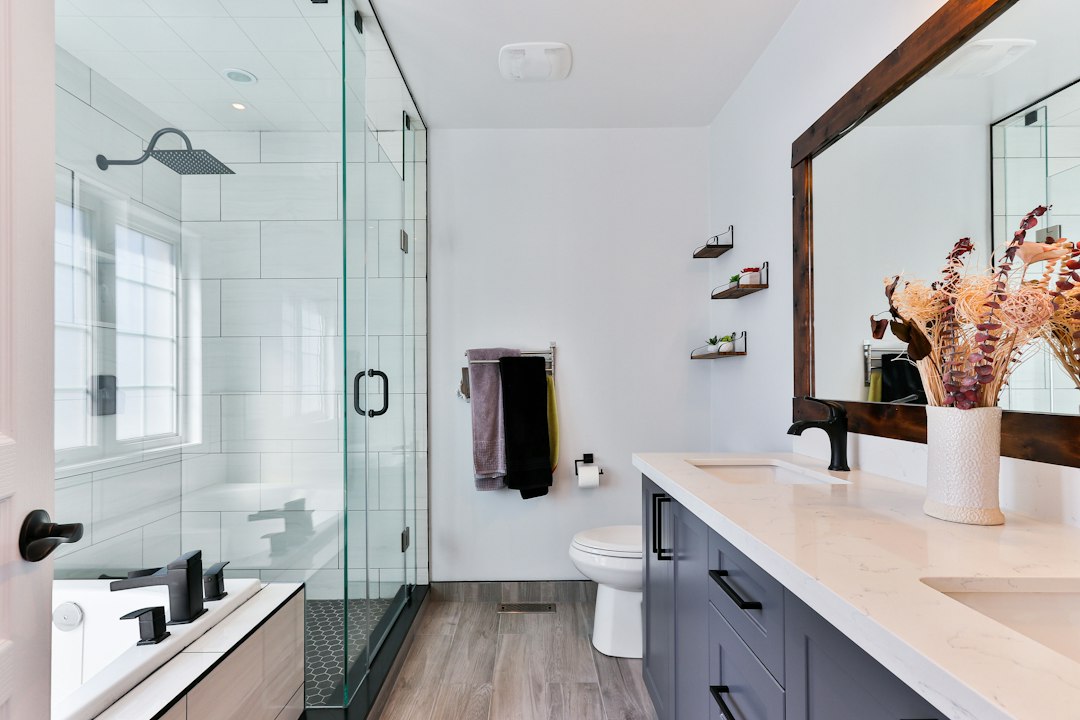
The Hidden Reality: Why Housekeeping Protocols Often Miss the Toilet Bowl
You know that sinking feeling when you walk into a hotel room and the bathroom looks spotless, but you just can't shake the doubt about what's actually lurking on the surfaces? I’ve spent a lot of time looking into how hotel cleaning protocols actually work, and honestly, the reality is a bit unsettling. The biggest issue is that standard ATP bioluminescence testing—the stuff health inspectors use—is often totally fooled by the very cleaning agents housekeeping uses, which mask the bacteria instead of removing it. It’s a classic case of checking a box for appearance while ignoring the invisible biofilm that starts building up under the rim within just two days of a room sitting empty. Plus, those high-efficiency toilets we see everywhere now actually create a turbulent spray that can launch fecal matter up to two meters, coating everything from the walls to your toiletries before the cleaning crew even steps inside.
And here’s the thing about those cleaning protocols: they’re almost always built for speed, not safety. Most commercial sanitizers actually need a dwell time of five to ten minutes to really kill off something like norovirus, but in the fast-paced world of room turnovers, staff are usually lucky if they get sixty seconds. I’ve talked to enough people in the industry to know that cleaning the underside of the rim is frequently skipped, partly because it's awkward to reach and partly because there just aren't the right tools for it. Even the microfiber cloths meant to be eco-friendly are a huge point of failure; if a staff member isn't meticulously swapping cloths, they’re basically just dragging bacteria from the toilet seat straight onto the vanity where you put your toothbrush.
It’s also wild to think about the areas that simply never get touched during a routine refresh. While the seat gets a quick wipe, that back-splash zone on the wall behind the toilet is almost entirely ignored, even though it’s a hotspot for aerosolized particles from previous guests. And if the room hasn't been booked for a while, the water in the toilet trap can evaporate, which potentially lets sewer gases and bacteria creep right up into your bathroom air. We’re also seeing a rise in hardier, resilient bacterial strains because of the constant overuse of certain chemical compounds. It’s not that the housekeeping staff isn’t trying, but the systems they’re forced to operate within are fundamentally disconnected from the microbial reality of these spaces.
Aerosolized Bacteria: Understanding the Risk of Unflushed Water
When you check into a hotel and see that toilet lid closed, you might assume it's just a housekeeping standard, but the reality is that the water sitting in that bowl is a ticking clock for microbial growth. Think about it this way: once that municipal chlorine dissipates after about 12 hours, the water becomes a stagnant incubator where bacterial populations can double every 20 minutes. If that room has been sitting empty for a few days, you aren't just looking at regular toilet water; you're dealing with a concentrated bio-soup that harbors everything from Legionella pneumophila to resilient fungal species. I’ve looked at the data, and it's clear that the longer that water sits, the more it creates a unique, aggressive chemical profile that you really don't want to be around.
The second you initiate a flush, you’re hitting a mechanical trigger that releases about 145,000 droplets into the air, most of which are small enough to bypass your natural respiratory defenses. These ultra-fine particles are so light that they can linger for up to 90 minutes, or even travel via HVAC currents directly into the sleeping area where you’ll spend the next eight hours. It’s not just the live bacteria you have to worry about either, because even after pathogens die, their cell walls release endotoxins that cause genuine respiratory inflammation. I’ve seen studies showing that in the high-humidity environment of a typical hotel bathroom, these aerosolized threats stay suspended and active far longer than they would in a dry, well-ventilated home.
And honestly, the danger doesn't stop even if you think you’ve avoided the initial flush. Because of the pressure changes caused by simply opening the bathroom door, settled aerosols can be kicked back into your breathing zone with the slightest movement. Even if you don't use the toilet, that surface film on stagnant water acts as a launchpad for fungi and opportunistic pathogens that are waiting for any disruption to enter the air. It’s a bit overwhelming, I know, but this is exactly why that first flush matters so much for your health. We’re talking about a microscopic environment that’s been shifting and evolving in the dark, and knowing how to handle it when you first walk in is just common sense travel safety.
Beyond the Seat: Identifying Other High-Touch Germ Hotspots in Your Bathroom
Let’s pause for a moment and look beyond the toilet, because honestly, that’s just the beginning of the story. If you’re like me, you probably focus on the seat and move on, but we’re missing the bigger picture of how high-touch items actually act as transmission vectors in these tight spaces. Think about that bathroom light switch; it’s the very first thing you touch after walking in with travel-weary hands, yet it’s rarely on the housekeeping checklist. The door handle is in that same boat, acting as a revolving door for pathogens because it gets grabbed before anyone has even thought about washing up. It’s strange how we obsess over the bowl while completely ignoring the hardware we’re physically gripping every single time we enter or exit.
And then there’s the vanity area, which is essentially a petri dish if you look closely. Faucet handles are notorious for this—they get turned on with dirty hands and rarely receive the same heavy-duty chemical treatment that the porcelain does. If you’ve ever noticed those tiny, gunky crevices right at the base of the faucet, you’re looking at a perfect little home for biofilm that your standard cleaning wipe just glides right over. Plus, consider the hairdryer; it’s one of those things you assume is clean, but the handles and intake vents are rarely touched by a sanitizer, meaning you’re often holding onto whatever the last guest left behind. It’s a bit of a reality check, but once you start seeing these neglected zones, it’s hard to unsee them.
We also have to talk about the damp, forgotten corners that breed trouble. Towel racks and hooks are constantly handled with wet hands, which is exactly how you move microbes from point A to point B without even realizing it. Even the soap dispenser, ironically meant to keep you clean, becomes a major risk when you’re forced to push a button that hundreds of other guests have already touched with unwashed fingers. Don’t even get me started on the underside of the vanity or the rim of the wastebasket, areas that housekeeping almost never wipes down, allowing dust and debris to pile up for months. It’s not that the staff is lazy—they’re just racing against the clock—but it means you’re essentially walking into a space where the invisible grime is just waiting for your next move.
Peace of Mind: The Psychological Benefits of a Quick Pre-Stay Flush
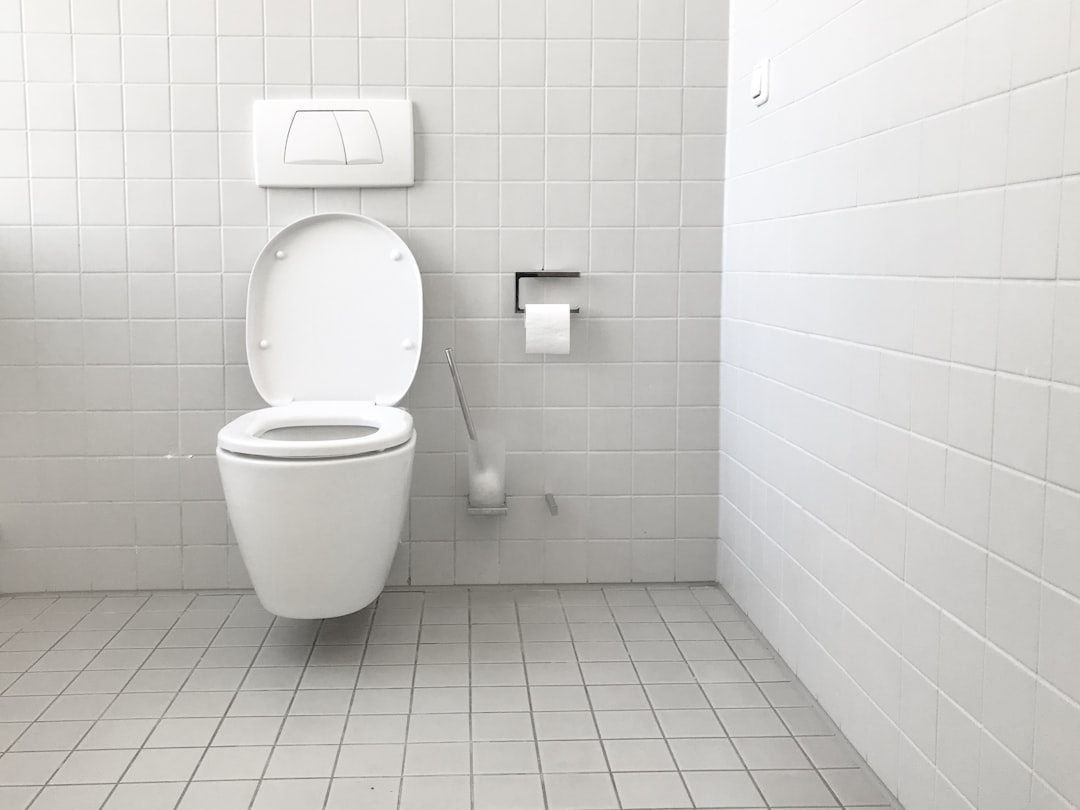
When you finally drop your bags after a long flight, you’re often in a state of low-level, invisible stress that’s hard to pin down. We’ve all been there, standing in the middle of a room, scanning the space while your brain is still stuck in that high-alert transit mode. Performing a quick pre-stay flush is actually a powerful cognitive ritual that helps you hit the reset button on that internal tension. By taking control of this one small mechanical action, you’re essentially telling your brain that you’ve claimed the territory, which helps shift you from a survival mindset into a state where you can actually relax. It sounds almost too simple, but it’s really about asserting a sense of mastery over an environment that started out as a complete unknown.
Think about the way your brain processes disgust and uncertainty when you enter a bathroom that someone else used just hours ago. That initial flush acts as a boundary-marking cue, helping your amygdala categorize the hotel room as a secured space rather than just a public transit zone. Research indicates this kind of proactive behavior can lower your baseline cortisol levels significantly within those first ten minutes of settling in. By providing visual and audible confirmation that the stagnant water is cleared, you’re effectively calming the insular cortex, which is the part of your brain that usually stays on edge regarding potential biological threats. It’s a classic case of symbolic cleansing, where a physical act helps clear the mental clutter of a messy, stressful travel day.
Beyond just the immediate calm, this ritual helps address what’s known as the Zeigarnik Effect, where your brain stays hooked on the lingering, unfinished business of the previous occupant. Without that clear, deliberate action, your mind tends to keep scanning for invisible signs of poor hygiene, which is exactly how you end up feeling restless or on edge. This simple, predictable sensory input—the sound and motion of the water—helps your nervous system habituate to the new room much faster. It even helps with those subtle olfactory shifts that signal to your brain that you’re finally in a controlled, safe environment, which is huge for avoiding the dreaded first-night sleep disruption. When you make this part of your routine, you’re not just cleaning a toilet; you’re building a Pavlovian trigger for relaxation that makes the rest of your stay feel a whole lot more restorative.
Setting the Standard: Why Taking Control of Your Room’s Hygiene Matters
When we talk about hotel hygiene, it’s easy to focus solely on the bathroom, but the reality of the room environment is much more pervasive than a single fixture. Think about it: you walk in, drop your bags, and immediately start touching surfaces that have been cycled through hundreds of guests. Data shows that high-traffic carpeting can harbor up to 200,000 bacteria per square inch, while those decorative bed scarves we love for the aesthetic are rarely laundered and act as primary collection points for mold and allergens. It’s not just about what you see on the surface; it’s about the invisible reservoir of dander, dust, and microbial growth that accumulates in the very furniture you’re using to settle in. Taking control of your space isn't about being paranoid, but about recognizing that the standard turnover is often designed for speed rather than a truly sanitized environment.
Let’s look at the tech in the room, because honestly, that’s where things get even more interesting from a mechanical standpoint. Those in-room coffee machines often hide resilient biofilms of Pseudomonas aeruginosa inside their tubing, and the remote control by your bed can hold up to 67 colony-forming units per square centimeter. Even the air you’re breathing is being recirculated by HVAC systems that, as of 2026, often rely on MERV 8 filtration, which barely makes a dent in sub-micron particles. When you realize that even your showerhead could be harboring bacteria like Mycobacterium avium in its gaskets, you start to see why asserting agency over your immediate surroundings is actually a smart, practical way to manage your health while traveling. It’s about minimizing the cumulative exposure that happens when you’re living in a space that hasn’t been deeply reset.
Honestly, this is why I always tell friends that setting your own standard for hygiene is the best way to reclaim your peace of mind. When you identify these high-touch, low-maintenance areas—like the lamp bases or the phone mouthpiece—you’re doing more than just cleaning; you’re building a defensive perimeter that makes the room actually feel like your own. It’s a shift from being a passive occupant to an active manager of your environment. You don't have to spend your entire trip scrubbing, but a few targeted, deliberate actions when you first arrive can change the entire quality of your stay. Trust me, once you start looking at the room through this lens, you’ll never look at that "cleaned for your arrival" card the same way again, and that’s a good thing.
Proactive Travel Tips: Simple Steps to Sanitize Your Space Upon Arrival
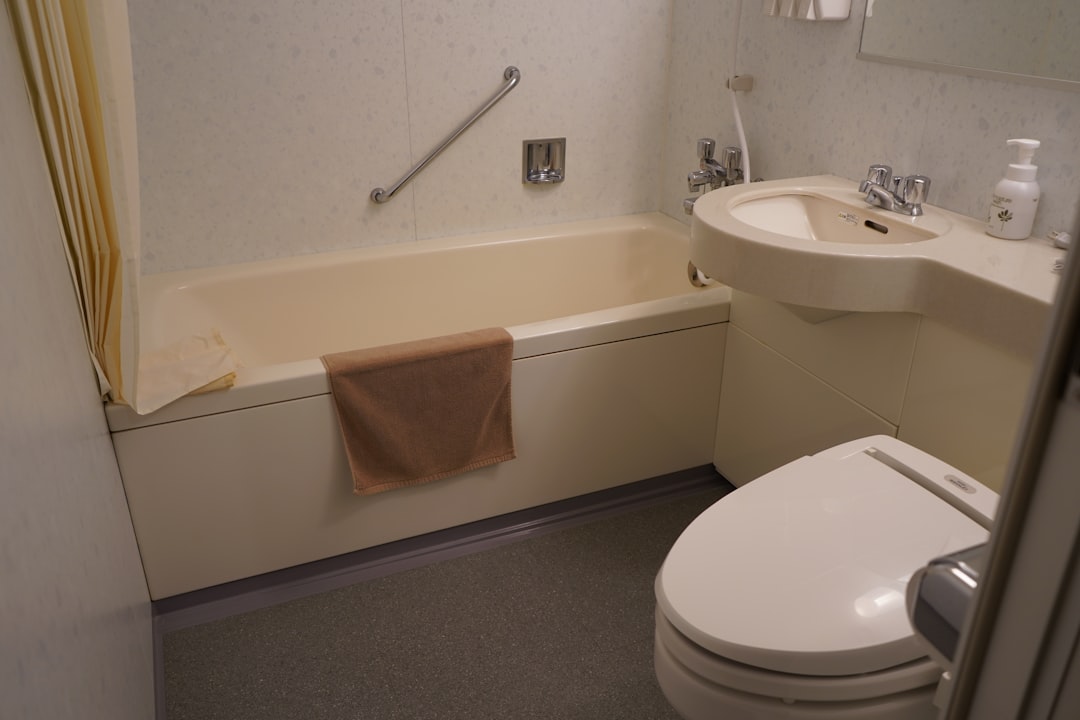
Look, I know the impulse is to just drop your suitcase and collapse onto the bed, but taking five minutes to audit your environment is the single best way to reclaim your peace of mind. Start by tackling the obvious high-touch vectors that housekeeping almost always misses, starting with the light switches and door handles which, surprisingly, often carry more staphylococci than the toilet seat itself. A quick pass with a 70% isopropyl alcohol wipe on these contact points is non-negotiable for me, and honestly, it’s a tiny bit of effort for a massive reduction in microbial exposure. While you're at it, grab the television remote, which is notoriously difficult to sanitize due to its complex texture, and just slip it into a clear plastic baggie to keep it functional without the direct skin contact.
When you move into the bathroom, don't ignore the coffee machine; those internal heating chambers are basically breeding grounds for non-tuberculous mycobacteria, so run a full cycle of hot water without a pod to flush out any stagnant mineral or microbial buildup before your first cup. I’ve also stopped using those provided glass tumblers entirely, as they’re often just hand-rinsed rather than professionally sterilized, opting instead for a collapsible silicone cup that I know is actually clean. It’s also a smart move to line the bathroom wastebasket with a simple plastic grocery bag, as those bins are rarely cleaned between guests and become a primary vector for cross-contamination. And if you’re worried about that first shower, just let the hot water run for three minutes while you stay out of the stall to clear out the stagnant water and biofilm that might be lingering in the showerhead.
Beyond the plumbing and electronics, think about the soft surfaces that are just collecting dust and dander from dozens of previous travelers. The decorative bed scarf and throw are usually the first things I move to the closet, as these pieces are rarely laundered and act as huge reservoirs for allergens that will just irritate your lungs while you try to sleep. I also keep my own toiletries off the vanity surface entirely, since the underside of the counter is essentially a graveyard for dust and hair that cleaning crews almost never reach. Even the closet hangers can hold onto oils and skin cells from past guests, so I’ve started wiping down the bar or just using my own garment covers to keep my clothes fresh. It might feel like a lot at first, but once you build this into your arrival routine, it really does transform the room from a public transit zone into your own private, controlled space.
Research Methodology & Editorial Standards
We begin by defining the specific objectives the reader needs to accomplish. Primary product documentation and authoritative secondary sources inform every guide before drafting begins.
Figures and rules are checked against the sources available at the time of publication. Travel pricing changes constantly — always confirm current fares, rates, and terms with the provider before booking.