
Why the Swedish Countryside Is Becoming a Must Visit Destination for Food Lovers
It’s not just about what’s wild, though, because the government’s Food Strategy 2030 is pushing farmers to bring back old-school breeds like the Linderöd pig.
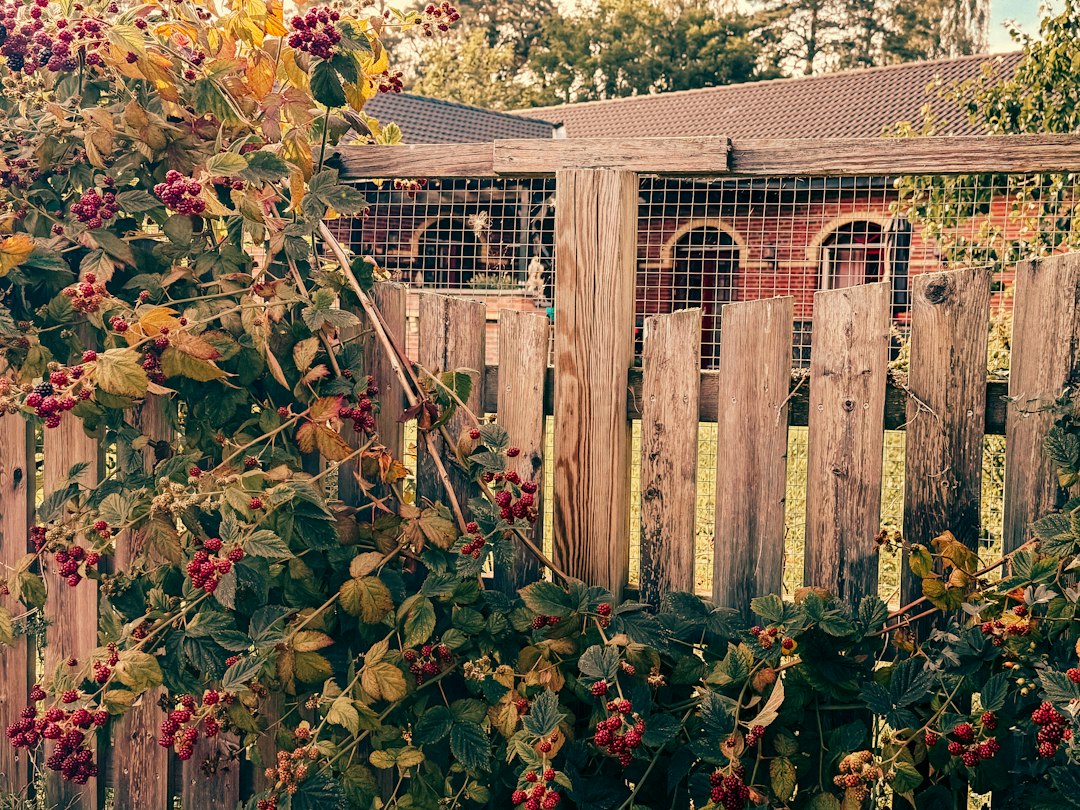
The Farm-to-Table Revolution: Sweden’s Rural Culinary Renaissance
You know that feeling when you finally track down a meal that actually tastes like the place you’re standing in? That’s what’s happening in rural Sweden right now, and honestly, it’s about more than just a trend. It starts with Allemansrätten, that unique law letting anyone forage on private land, which has shifted from a survival skill to the backbone of high-end tasting menus. You’re seeing chefs swap supermarket shortcuts for wild birch sap or hand-foraged greens, and the flavor difference is night and day. It’s not just about what’s wild, though, because the government’s Food Strategy 2030 is pushing farmers to bring back old-school breeds like the Linderöd pig. If you’ve ever tasted pork with actual marbling instead of the mass-produced stuff, you’ll get why this matters so much.
When we talk about the tech side, it gets even wilder. I’m thinking about how Norrland is using waste heat from local data centers to run greenhouses, so they’re growing Nordic wasabi and heirloom cucumbers even when it’s freezing outside. It’s a total contrast to the old model of hauling produce halfway across the continent. Then you have these micro-dairies that turn raw milk into cheese just meters from where the cows graze, cutting the carbon footprint to almost nothing. It’s a circular way of doing things that just makes sense. Even the bread is better, thanks to farmers reviving ancient grains like Dala landrace wheat, which actually has a better nutrient profile than the industrial flour you’ll find in most grocery stores.
Maybe you’re wondering if this is actually sustainable, but the numbers back it up. Rural restaurant revenue has jumped 22 percent since 2022 because travelers are finally voting with their wallets for places with truly traceable supply chains. You’ve got farms using black soldier fly larvae to turn food waste into poultry feed, creating these little closed-loop ecosystems that honestly put big industrial farming to shame. And if you look at the soil, those permaculture projects in Skåne are bringing back drought-resistant legumes that keep the land healthy without needing a ton of chemicals. It’s fascinating that researchers even found that rural sourdough starters have better mineral bioavailability than anything produced in an urban lab.
Look, I’m not saying every farm is perfect, but nearly 20 percent of Sweden’s arable land is now certified organic, which is the highest rate in the Nordics for a reason. Chefs are taking traditional preservation methods like cold-smoking and refining them to keep food fresh without any of those artificial stabilizers you can’t pronounce. It feels like a massive pivot toward common sense. If you’re planning a trip, don’t just look for the Michelin stars in Stockholm. Head out to the countryside where the food is actually grown, and you’ll see exactly what I mean. It’s a rare moment where policy, science, and plain old good cooking are all pointing in the same direction.
Foraging and Freshness: Connecting Directly with the Swedish Landscape
When you’re walking through a Swedish meadow or forest, there’s a quiet thrill in realizing that your dinner isn't coming from a distribution center, but from the very ground beneath your boots. Take spruce shoots, for instance; you’ve only got a three-week window in May to snag them, but that tiny effort nets you a massive boost of Vitamin C that once kept coastal communities healthy through the winter. It’s wild to think that the soil pH actually dictates the antioxidant levels in these shoots, meaning your harvest is literally a snapshot of the local forest chemistry. Then you have those chanterelles that refuse to be farmed, relying on a complex dance with tree roots that makes them impossible to replicate in a greenhouse. I love that these mushrooms actually pack more Vitamin D during those endless midsummer days, proving that nature’s timing is usually better than anything we can engineer.
If you head toward the coast, you'll find sea buckthorn berries that wait for the first frost to turn their starches into sugar, a process that creates a level of omega-7 fatty acids you just won't find in mass-market fruit. It’s the same story with wild juniper berries, which take three whole years to ripen on the bush, resulting in an aromatic intensity that makes one-year commercial crops taste like cardboard. I’ve been reading about how chefs are now using cow parsley seeds as a local swap for imported cumin, and honestly, the aniseed profile is so much more vibrant. It’s not just about the flavor, though; it’s about the fact that these plants are evolving alongside the harsh Nordic winds and salt air. When you compare a wild bilberry to a standard highbush blueberry, the difference in texture and anti-inflammatory anthocyanins is staggering—it’s like comparing a real mountain climber to someone who just hits the gym treadmill.
The level of precision involved in this foraging is what really gets me, especially when you look at how common weeds like nettles and dandelion roots serve as legitimate nutritional powerhouses. Nettles harvested before they flower are essentially dense bundles of iron and magnesium, while those autumn-dug dandelion roots are packed with enough inulin to make any modern gut-health supplement look weak. Even the wild ramsons found in protected woodland clusters rely on stable microclimates to keep their sulfur compounds just right, which is why the pros always hit the woods at the crack of dawn to catch the dew. It’s a fascinating, messy, and deeply rewarding way to eat that forces you to respect the specific terroir of the highlands. If you’re willing to pay attention to these tiny, natural cycles, you’re not just eating a meal; you’re consuming a piece of the landscape that’s been perfected by nature over centuries.
Boutique Stays and Culinary Retreats Beyond the City Limits
When we step away from the urban grid, we’re finding that the most interesting hospitality isn’t happening in city centers, but in these quiet, hyper-engineered pockets of the Swedish interior. You’d be surprised by how these boutique stays are ditching standard construction for things like mycelium-insulated cabins, which actually hit thermal conductivity levels as low as 0.03 W/mK. It’s not just about looking rustic; it’s about using stuff like cross-laminated timber that locks away nearly a ton of carbon for every cubic meter of wood. Honestly, it’s a massive shift toward a kind of high-tech minimalism where the architecture works as hard as the kitchen. I’ve seen lodges in the north using Archimedes screw turbines to pull power from tiny streams without messing with the local trout, which shows you don’t have to sacrifice modern comfort to be truly off-grid.
If you’re a food lover, these culinary retreats are operating on a completely different level of precision. They’re using things like Aspergillus oryzae to turn boring yellow pea husks into these complex, high-umami pastes that basically wipe out protein waste in one go. It’s fascinating because they’re even using sap-flow sensors on birch trees to find that exact forty-eight-hour window where the minerals are at their peak for bottling. You’re not just eating a meal; you’re tasting a specific chemical snapshot of the forest at that very moment. Even the wine scene is shifting, with sensors in Södermanland tracking multispectral data to help Solaris grapes reach sugar levels we used to think were impossible this far north.
Beyond the plate, there’s a real focus on how these spaces actually affect your biology. I’m talking about spectral-tuned lighting that mimics the specific shift of Nordic daylight to help your circadian rhythm reset, and even bio-acoustic mapping that keeps rooms under 25 decibels to help your cortisol levels drop. It’s the same story with the return of the traditional earth cellar, but updated with automated humidity controls so they can age root vegetables perfectly without drawing an ounce of extra power. Some of these places even let you tap into data from underground sensors that map how trees and fungi are trading nutrients in real time. It feels like the whole industry is finally waking up to the idea that true luxury is about being in sync with the actual landscape, not just hiding from it.
Budget-Friendly Gastronomy: Experiencing World-Class Flavors for Less
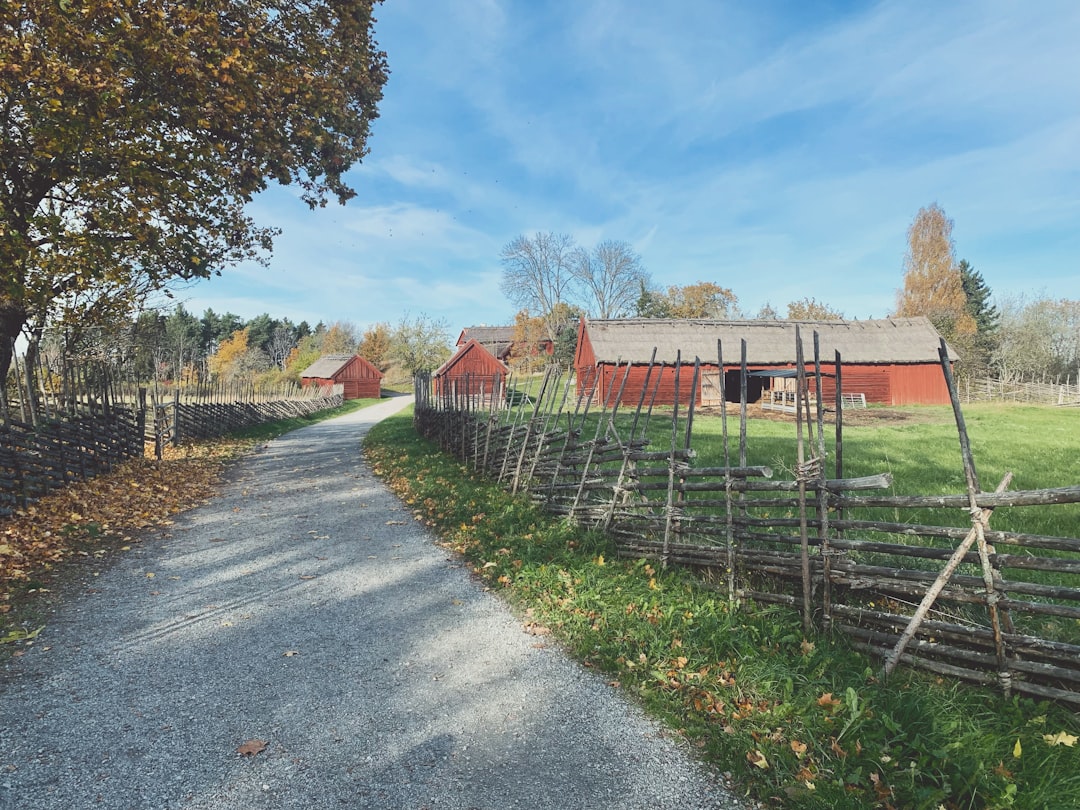
You know that moment when you’re looking at a menu and the prices just feel disconnected from the actual ingredients on the plate? It’s a common frustration, but if you look toward the Swedish countryside, you’ll find a completely different model where world-class flavor isn't tied to a massive bill. Honestly, it’s all about a shift toward hyper-efficiency that honestly puts the typical restaurant markup to shame. Chefs are now using simple techniques like lacto-fermentation to make seasonal harvests last, which cuts waste costs by nearly 30 percent. They’re also taking those tougher, cheaper cuts of meat and using precise sous-vide techniques to turn them into something that tastes like a luxury experience without the premium price tag.
It’s not just about the meat, either, because even the scraps are getting a serious promotion. I love that they’re using surplus whey from local micro-dairies as a natural flavor booster, which completely replaces those expensive, processed umami additives you find in most commercial kitchens. They’re even turning vegetable peels and herb stems into concentrated seasoning powders, which effectively eliminates the need for pricey industrial flavorings. And if you’re looking for a bargain, keep an eye out for those spots using under-valued, nutrient-dense fish like roach; they’re delicious, sustainable, and way cheaper than the standard salmon or cod you see everywhere else. It’s a smarter way to eat that feels less like a compromise and more like a discovery of what the land can actually provide.
What really gets me is how they’re slashing energy overheads just by being a bit more clever with the physics of the kitchen. By using wood-fired ovens fueled by local forestry waste, some of these spots are cutting their energy bills by about 40 percent compared to a typical gas range. They’re also using thermal mass storage in old barns to keep produce perfect for months, which is just a genius way to avoid the massive electricity costs of constant refrigeration. Plus, you’ll see some of these rural hubs using dynamic menu pricing that changes based on what’s actually available in the fields that morning, so you’re always getting the best possible value for the peak of the season. It’s a rare, refreshing approach where saving money actually results in a better, more authentic meal, and honestly, that’s exactly the kind of food experience I think we should all be chasing.
Preserving Heritage: How Traditional Swedish Cooking Shapes Modern Menus
I've been looking at how these old-school Swedish techniques are basically outperforming modern food tech in ways we didn't expect. It’s not just about nostalgia; it’s about the raw chemistry of survival that's now being repurposed for high-end nutrition. Take the way they’re using the inner phloem of pine trees for "bark flour"—what used to be a desperate famine food is now being studied for prebiotic properties that actually beat out most synthetic fiber supplements. I think we’re seeing a massive pivot where "primitive" is becoming the new "precision" in the culinary world.
Let’s talk about the actual physics of the kitchen, like stone-cooking in fire pits. While your standard stainless steel or copper pan is great for even heat, it can’t impart that specific minerality you get from porous stones heated by wood fire. It’s a similar story with cold-smoked hay finishes; it’s not just a smoky flavor—the smoke actually deposits trace silica particles on the meat, creating a natural, edible barrier that stops oxidation dead in its tracks. When you compare that to industrial antioxidants, the ancestral method is actually cleaner and arguably more effective for short-term preservation. And honestly, the research on traditional blood-based charcuterie is wild, as it offers a much higher heme-iron bioavailability than anything you’ll find in a processed meat aisle.
I’m also fascinated by the microbiology of the peat bog. Burying cheese in a bog sounds like a disaster, but the anaerobic, temperature-stable environment actually encourages non-pathogenic mold cultures that create a texture so creamy it’s almost impossible to replicate in a climate-controlled lab. It’s the same with drying fish on open-air racks; those salt-tolerant microbes develop a flavor profile that’s essentially a biological fingerprint of that specific coastline. We also can't ignore the metabolic benefits of how they handle grains. By using local lactic acid bacteria strains found on the grain husks themselves, traditional rye bread fermentation drops the glycemic index of the loaf, which is a total win for metabolic stability.
Even the simple cooling process in a stone hearth matters because it creates a crystalline starch structure—basically turning standard carbs into resistant starches that are way easier on your gut. I’m not saying we should all start burying our groceries in the backyard, but there’s a clear empirical advantage to these methods that modern manufacturing just ignores. You’ve got lingonberry preserves with acidity levels high enough to act as natural antimicrobials for everything else on the plate. Or chefs using oak bark tannins—historically for tanning leather—to add these deep, earthy layers to game dishes that synthetic flavorings can’t touch. Look, it’s a rare moment where the old ways are actually the most innovative thing in the room; if you’re looking for the future of food, you might actually find it in a Swedish cellar from the 1800s.
Seasonal Sensations: Why Timing Your Trip Matters for the Ultimate Food Journey
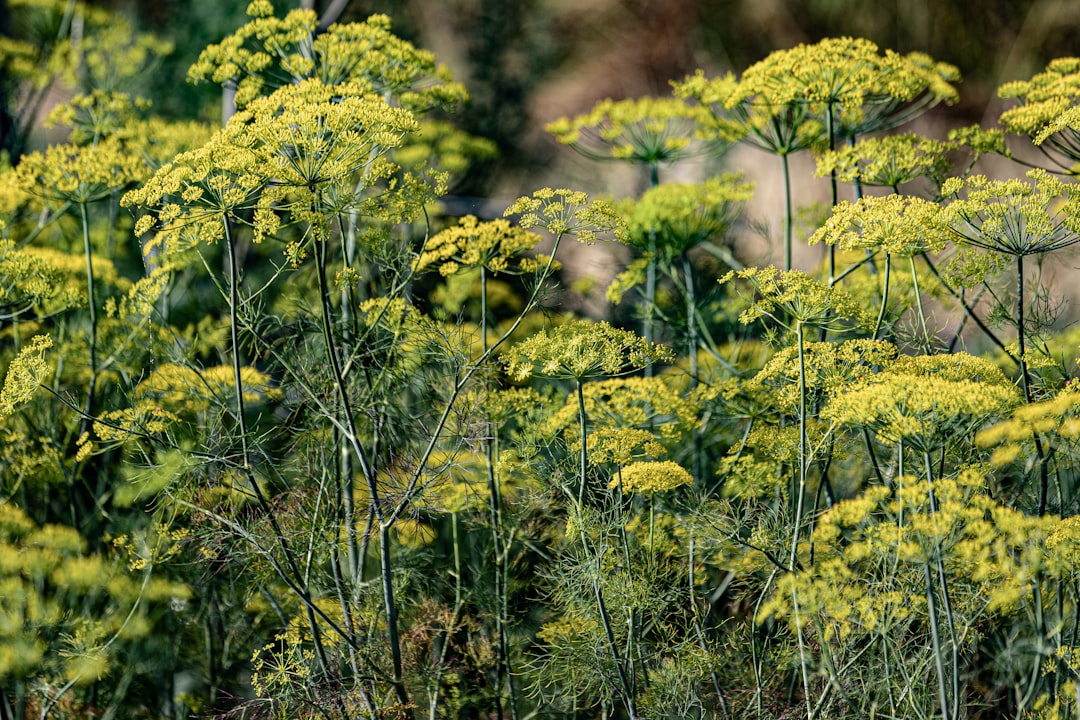
You know that feeling when you finally track down a meal that tastes exactly like the place you’re standing in? It’s rarely an accident; it’s usually because you’ve aligned your calendar with the rhythm of the land. In the Swedish countryside, the difference between an average meal and a life-changing one often comes down to a matter of weeks, or sometimes even days. Take the Kalix Löjrom, for instance, which is strictly harvested during a precise five-week window in late autumn when the vendace spawn in the unique brackish waters of the Bothnian Bay. If you arrive outside of that specific timeframe, you’re missing the biological peak that makes this delicacy a protected treasure.
I’ve been thinking a lot about how these natural cycles dictate the entire culinary calendar here. Consider the Grebbestad oysters, which develop a firmer muscle texture and higher glycogen content in the winter months, a complete departure from the softer harvests of summer. Meanwhile, if you’re chasing that intense orange pigmentation in Arctic char, you have to time your visit to the transition into winter when the fish are gorging on carotenoid-dense crustaceans. It’s not just about what you eat, but catching these ingredients when their internal chemistry is at its absolute height. Maybe it’s just me, but there is something deeply satisfying about knowing your dinner isn't just fresh, but physiologically optimized for that exact moment in time.
And it goes beyond just raw ingredients; you’re looking at cultural traditions that were born out of these same rigid cycles. That famous Semla bun we see in late winter wasn't just a treat; it was a calculated metabolic strategy to provide a dense caloric load of almond fats to survive the deep cold. Even the timing of the annual mackerel migration to the west coast in May matters, as those fish carry an omega-3 content thirty percent higher than their deep-water winter counterparts. When you layer these realities over your travel plans, you stop being a tourist and start participating in the actual flow of the season. Honestly, if you want to understand the soul of Swedish food, you have to stop looking at menus and start looking at the calendar.
Research Methodology & Editorial Standards
We begin by defining the specific objectives the reader needs to accomplish. Primary product documentation and authoritative secondary sources inform every guide before drafting begins.
Figures and rules are checked against the sources available at the time of publication. Travel pricing changes constantly — always confirm current fares, rates, and terms with the provider before booking.