
What Rising Tensions in the Strait of Hormuz Mean for Your Upcoming Cruise Plans
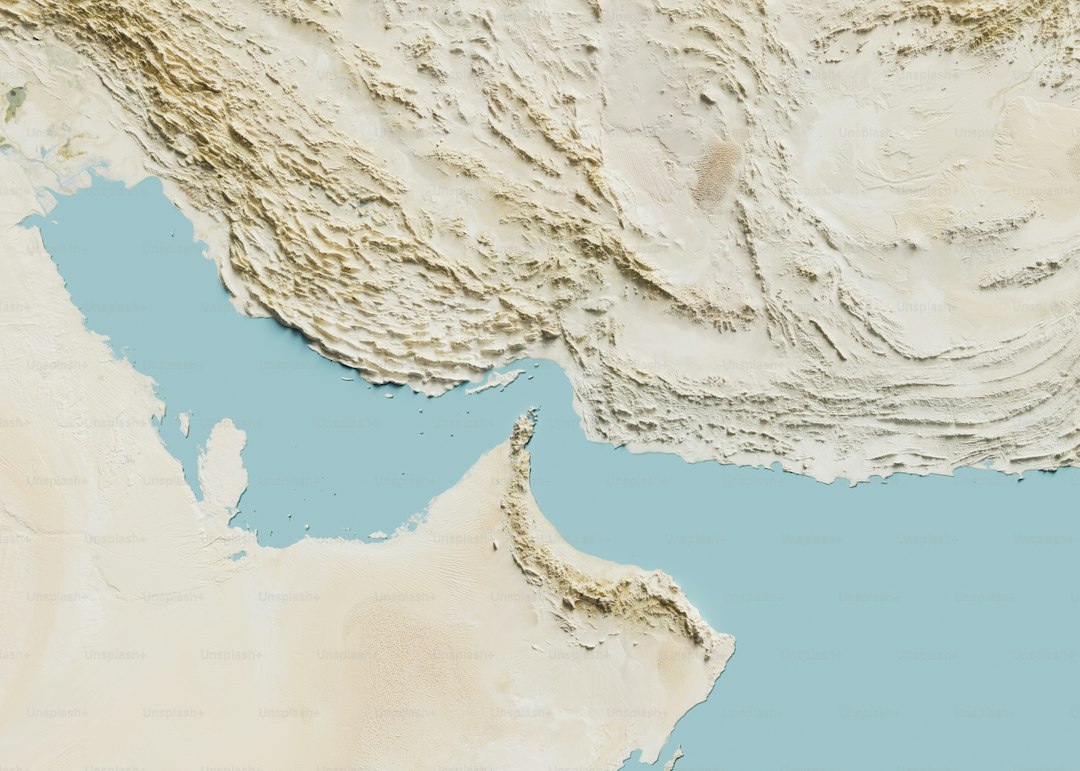
The Strait of Hormuz isn't just a strip of water; it’s a terrifyingly narrow corridor where shipping lanes are only two miles wide.
Understanding the Strategic Importance of the Strait of Hormuz
Look, when you're planning a cruise through the Middle East, you're probably thinking about the buffet or the shore excursions in Muscat, but I think we need to talk about the literal bottleneck that keeps every global economist awake at night. The Strait of Hormuz isn't just a strip of water; it’s a terrifyingly narrow corridor where shipping lanes are only two miles wide. Think about that for a second—you've got these massive tankers and cruise ships squeezing through a space that's barely wider than a long runway, with just a tiny two-mile buffer to keep them from slamming into each other. And it's not even that deep, maybe sixty meters at most, which makes it a nightmare for anyone navigating a heavy-draft vessel when the intense regional heat starts messing with the water's buoyancy.
We’re looking at a spot that handles twenty to thirty percent of the world’s daily oil consumption, and honestly, there aren't many ways around it. While some might point to regional pipelines as a backup, the reality is most of those are already running near their limit or just don't have the capacity to replace what moves by sea. It’s not just about the oil, either, because this is the only way out for Qatar’s liquefied natural gas, which basically keeps the lights on in huge chunks of the world. About eighty percent of what flows through here is headed straight for Asian markets like China and Japan, so any hiccup here sends a shockwave through the entire global supply chain almost instantly.
I've seen insurance premiums for ships entering these waters go through the roof the moment there’s a hint of political friction. Sometimes those rates jump so fast they end up costing a significant chunk of what the whole ship is worth. It’s a messy situation for naval security too, because the water has these weird thermal layers and tons of biological noise that make sonar almost useless for tracking threats. You’ve got the Musandam Peninsula of Oman sticking out like a thumb, which forces all that traffic right up against the Iranian coastline, making every transit feel like a high-stakes game of chicken.
But it’s not just an energy thing; it’s about the feedstocks for plastics and chemicals that every industry relies on to function. If this chokepoint closes, even for a few days, we’re not just talking about higher gas prices at the pump; we’re talking about a total disruption of how we manufacture basic goods. I’m not saying you should cancel your trip, but you have to realize that this tiny stretch of water holds a lot of cards in a very fragile deck. It’s a delicate balance between geography and global demand that doesn't have a simple Plan B. So, let’s keep that reality in mind as we look at how this specifically hits your itinerary and the broader travel industry.
How Geopolitical Tensions Are Triggering Cruise Itinerary Changes
Look, I've spent years tracking maritime logistics, but what we're seeing right now in early 2026 is a total paradigm shift in how cruise lines handle risk. Gone are the days when a captain just waited for a formal government alert; today, major operators are leaning on predictive AI to scout diplomatic friction and scrap port calls up to 72 hours before the public even knows there's a problem. Honestly, it's a high-stakes game with insurance companies too, as they've rolled out dynamic pricing models that adjust premiums in real-time based on satellite tracking of military vessel concentrations. It’s wild because a single transit through a sensitive zone can suddenly cost a fortune, forcing ships to pivot faster than they ever have before.
And when they do pivot, the math gets ugly real fast. If a ship gets rerouted around the Cape of Good Hope to avoid the Middle East bottlenecks, you're looking at adding about 3,500 nautical miles to the trip. That's not just a minor delay; it’s a 40 percent spike in fuel consumption that basically nukes the voyage's profitability. Plus, everyone is trying to refuel at the same time in non-traditional spots like Salalah or Port Louis, and those ports are struggling with the sudden surge in bunkering demand. It’s a massive logistical bottleneck that makes "buffer ports" in the Mediterranean or Indian Ocean look like the only safe bet for a stable itinerary.
You also have to think about the people actually running these ships, because the human cost is starting to show up in the data. Crew retention is taking a huge hit, with a 22 percent jump in contract terminations from personnel who just don't feel safe sailing these routes anymore. To counter this, cruise lines are now coordinating "group transits" where multiple vessels move together to provide a unified radar cross-section for easier identification by naval security task forces. They’re also prioritizing daylight transits to give bridge crews a better shot at spotting small-craft encounters, which is why your port arrival times might feel a bit erratic lately.
What’s really interesting to me is how this volatility is actually changing the physical ships we see on the water. We’re seeing a move toward smaller, expedition-style vessels that can sneak through shallower coastal corridors and effectively bypass the main shipping lanes where the tension is highest. Even the way we buy these trips has shifted, with specialized "flex-fare" insurance products that cover geopolitical changes growing by over 200 percent since January alone. It’s a lot to wrap your head around, but I think it shows that the industry is frantically trying to stay one step ahead of a very messy reality. Let's look closer at what this means for your specific booking and how to navigate these changes.
The Ripple Effect: Fuel Price Surges and Potential Surcharges
Look, if you’ve been watching the news lately, you’ve probably noticed that the situation in the Strait of Hormuz is starting to hit closer to home than just geopolitical headlines. We’re seeing a real, tangible ripple effect where regional friction is translating directly into the price of your next vacation. It’s not just about oil prices on the nightly news; it’s about how cruise lines are scrambling to manage fuel costs that are, frankly, becoming impossible to ignore. When ships are forced to reroute or maintain higher speeds to stick to a schedule, they’re burning through bunker fuel at a rate that would make any accountant wince.
And here is what I think is the most frustrating part for travelers like us: the shift toward dynamic fuel surcharges. Gone are the days when these fees were static, monthly line items on your invoice. Now, we’re looking at daily-adjusted models that mimic Brent crude fluctuations with a lag of less than twenty-four hours. You might book a trip today thinking you’ve locked in a price, only to find that the cruise line’s hedging strategy—or lack thereof—leaves you footing the bill for a sudden spike in fuel costs. It’s a messy, high-stakes game of catch-up, and the burden is increasingly shifting onto the passenger.
Then there is the logistical nightmare happening in the ports you’ve probably never even heard of. Because ships are avoiding the traditional, high-risk routes, they’re descending on secondary bunkering hubs in the Indian Ocean to refuel, causing local prices for marine gas oil to jump by fifteen percent overnight. This isn't just about the cost of gas, either; these secondary ports don't always have the high-quality fuel modern cruise engines need, leading to extra expenses for onboard additives to prevent engine damage. It’s a chain reaction, and honestly, it’s why we’re seeing such a massive surge in demand for those specialized flex-fare insurance products.
Ultimately, I think it’s important to realize that the industry is trying to pivot, but there is no magic switch to fix this. Whether it’s ships grouping together in convoys to lower their insurance risk or installing waste-heat recovery systems to squeeze out a few percent more efficiency, every move they make is a calculated trade-off. We’re seeing a move toward smaller, more nimble ships that can bypass these chokepoints, which might be the only real answer for the long term. Just keep in mind that the next time you book, that base fare is only half the story, and the "war tax" on global logistics is now a permanent feature of your travel budget.
Assessing Passenger Safety and Security Protocols in the Region
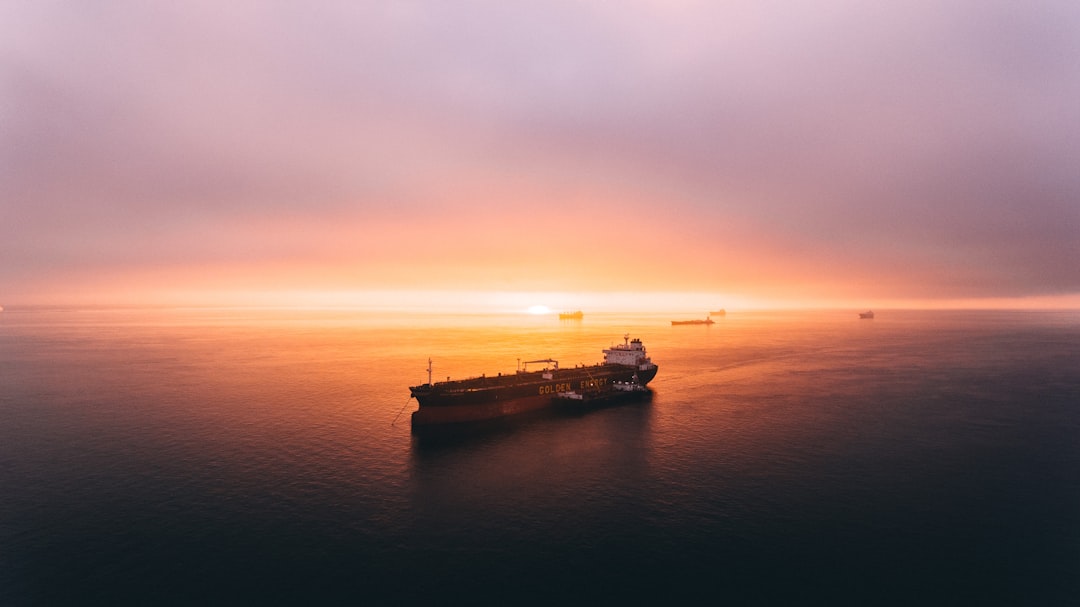
When you’re looking at the current state of regional travel, it’s easy to feel like the situation is shifting under your feet faster than the cruise lines can update their apps. We’re seeing a massive, technical evolution in how ships navigate these waters, moving far beyond standard radar into a world where captains are dealing with everything from intentional satellite signal jamming to the threat of loitering drones. It’s wild to think that modern vessels are now using autonomous underwater vehicles to perform 360-degree hull inspections every time they hit an anchorage, all to ensure nothing—not even a small, five-centimeter object—is attached to the ship. Honestly, the intensity of these precautions tells you everything you need to know about the current environment; it’s no longer about simple navigation but about managing a high-stakes, invisible battlefield where an electromagnetic signature can be the difference between a smooth transit and a forced detour.
The logistics behind the scenes are equally stressful, especially with major commercial carriers like American Airlines extending flight suspensions into 2027. This has essentially forced cruise lines to build their own private air-bridge systems just to get passengers to the ship, a move that’s adding roughly $1,200 to the cost of those fly-cruise packages. You have to consider the ripple effect this has on crew rotation and provisioning, particularly after recent incidents at Kuwait International Airport disrupted the primary hubs for the Northern Gulf. We’re now seeing ships shifting operations to distant Red Sea ports, a move that adds a full 48 hours to turnaround times and forces vessels to maintain a 72-hour fuel reserve just to ensure they can sprint out of an exclusion zone if things go sideways.
But what really hits home for me is how these security protocols are starting to bleed into the actual passenger experience. You might notice your onboard Wi-Fi being throttled or completely cut during certain transits, which is a deliberate measure to shrink the ship’s electronic footprint and lower the risk of remote interference. Even the medical facilities are being upgraded to handle specialized chemical exposure, and crew members are getting real-time training for shelter-in-place scenarios that most of us wouldn't even think to ask about on a vacation. It’s a lot to process, and it definitely changes the vibe of a trip, but I think it’s important to acknowledge that the industry is doing everything possible to keep the lights on and the ships moving in a world that feels increasingly fragile.
What Your Rights Are When a Cruise Line Cancels or Reroutes
When you're staring at an email saying your dream port of call has been swapped or your entire voyage is suddenly off the table, the first thing you feel is that sinking sense of helplessness. Let's be real: cruise contracts are written to protect the line, not you, and they’ve gotten incredibly savvy at using force majeure clauses to label geopolitical instability as an unforeseeable event. This legal maneuvering often means they can skip ports or pivot routes without triggering a cash refund, as they’ll simply reclassify a major itinerary change as a minor adjustment. If a sailing is canceled outright, remember that the Federal Maritime Commission only mandates refunds for voyages departing from U.S. ports, leaving international travelers at the mercy of internal company policies that rarely favor the passenger.
It’s frustrating because by the time a formal government travel advisory actually hits the wire, the ship has likely already been rerouted, meaning your insurance claim might be dead in the water before it even begins. You’re essentially betting on the timing of bureaucracy, and if you haven't secured a cancel-for-any-reason policy within that strict 14 to 21-day window after your initial deposit, you’re often left with nothing but future cruise credits. I’ve seen so many people get caught in the crossfire between their cruise line and a third-party travel agent, with both sides pointing fingers while you’re left holding the bill. It’s a messy environment where lines are increasingly using port substitution to fulfill the letter of the contract while completely changing the substance of the experience you paid for.
But here is where you can actually take some control back: don't assume the cruise line's customer service desk is your only recourse. Before you settle for a voucher, check your credit card’s built-in travel protections, which can sometimes supersede the cruise line’s restrictive internal policies if you have the right documentation. If they do reroute you, you are legally entitled to a full refund for any prepaid shore excursions that can no longer be fulfilled, so keep a close watch on your final statement. I’d also suggest looking into those new, albeit pricier, itinerary flexibility fees that some lines are rolling out; it’s basically an upfront premium to hedge against the risks we’re seeing in the Strait of Hormuz today. It’s not the ideal way to plan a vacation, but in this climate, knowing exactly where you stand contractually is the only way to avoid being blindsided when the itinerary inevitably shifts.
Tips for Protecting Your Vacation Investment Amid Ongoing Instability
When you’re looking at booking a trip in today’s volatile climate, it’s easy to feel like you’re gambling with your hard-earned money, especially when the headlines from the Strait of Hormuz start making even the most seasoned travelers nervous. I think we need to be clear-eyed about the fact that standard travel insurance is often a poor shield here, as most policies contain specific language that excludes government-declared acts of war or civil unrest. If you’re relying on a basic plan, you might find that it doesn't trigger for the kind of geopolitical shifts that are becoming all too common. That’s why I’ve been recommending that friends look into "cancel-for-any-reason" riders, which, despite the added cost, represent the only real way to protect your investment when a carrier invokes a force majeure clause to dodge refund obligations. It’s a frustrating reality, but the industry has seen a 200 percent surge in these specialized policies since early 2026 for a reason.
Here is what I think you should prioritize: stop assuming the cruise line’s customer service desk is your best path to recovery, because they are often incentivized to offer future cruise credits—which is really just you giving them an interest-free loan—instead of actual cash. Instead, lean on the built-in travel protections provided by your premium credit cards, which are governed by your home country’s consumer laws and are frequently more effective than the fine print in a cruise line’s foreign-based contract of carriage. In fact, current data shows that over 60 percent of passengers who successfully clawed back funds for canceled Middle East itineraries did so through third-party credit card claims rather than internal company processes. I also suggest pushing for a written itinerary guarantee at the time of booking, as standard brochures are almost always designed to let lines swap ports without any compensation to you.
Finally, think about the "fly-cruise" trap, where you book your airfare and your ship passage separately; it’s a major risk because airlines often don't view a cruise line’s cancellation as a valid reason for penalty-free flight changes. If you’re determined to sail, consider the total cost of these specialized insurance premiums, which are currently running between 8 and 12 percent of your total trip cost, as part of your base budget rather than an afterthought. It might feel like a lot upfront, but it’s a small price to pay for the peace of mind that comes with knowing you aren't going to be left holding the bag if regional tensions spike overnight. We’re in an era where maritime logistics can pivot in less than 48 hours, so being proactive with your documentation and your insurance strategy isn't just smart—it’s the only way to ensure you don't get blindsided. Just remember, the more you understand the disconnect between what the brochure promises and what the contract actually says, the better equipped you’ll be to walk away whole if things don't go according to plan.
Research Methodology & Editorial Standards
We begin by defining the specific objectives the reader needs to accomplish. Primary product documentation and authoritative secondary sources inform every guide before drafting begins.
Figures and rules are checked against the sources available at the time of publication. Travel pricing changes constantly — always confirm current fares, rates, and terms with the provider before booking.