
Tracing the Ancient Spread of Buddhism Across Asia Through Maps and Timelines
When we look at the birth of Buddhism, it’s easy to get lost in the legends, but I find the hard data from the Gangetic Plain way more interesting.
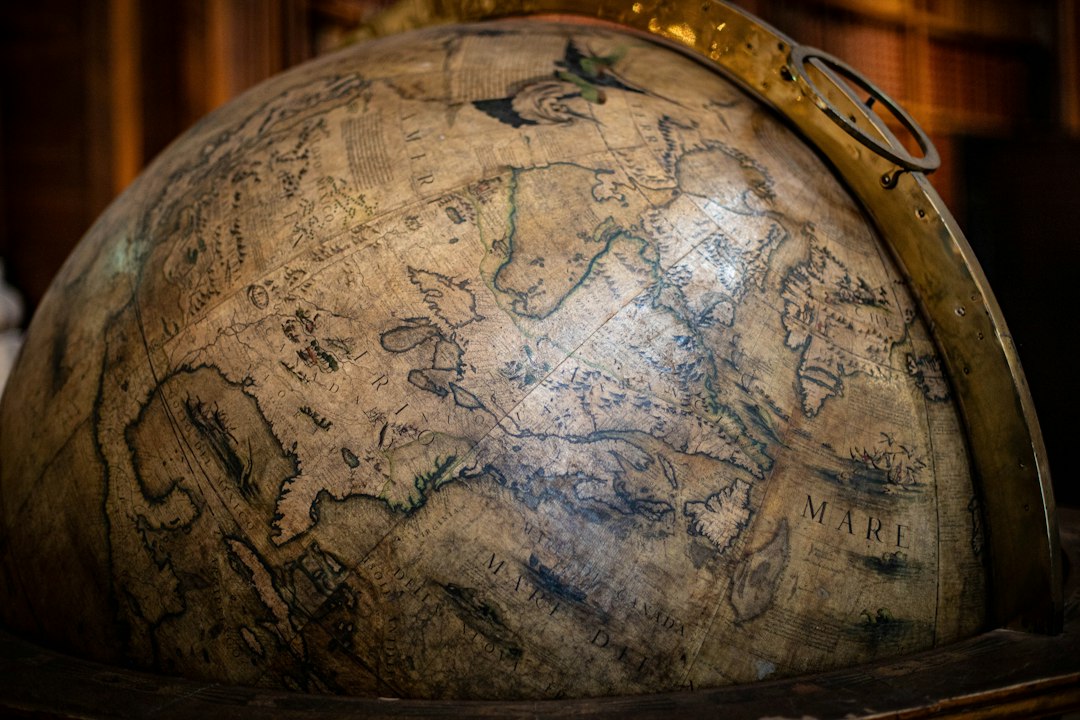
The Origins: Siddhartha Gautama and the Birth of Buddhism in the Gangetic Plain
When we look at the birth of Buddhism, it’s easy to get lost in the legends, but I find the hard data from the Gangetic Plain way more interesting. Think about it: Siddhartha Gautama didn't just appear in a vacuum. He emerged right when the region was shifting into a real monetary economy, which meant people finally had the extra cash to support wandering monks. Radiocarbon dating tells us this all happened during a massive wave of urbanization around the mid-first millennium BCE. You had these dense forests being cleared by new iron tools, turning the landscape into highly productive farmland that could actually feed full-time monastic communities.
And here is where it gets practical: that agricultural surplus was only possible because of a string of really great monsoon seasons. It’s like the climate just happened to align perfectly with the need for extra resources. Plus, the switch from fancy, elite Vedic Sanskrit to the local Prakrit dialects was a total game-changer. It basically turned Buddhism into a movement for everyone, not just the upper crust. When you look at how the early sites mirror the Uttarapatha trade routes, you realize the faith spread exactly where the money and the people were flowing.
But what really strikes me is how the merchant guilds were the actual engine behind the growth. They weren't just praying; they were funding the construction of the first residences, which makes sense since they were moving goods between the rising kingdoms of Magadha and Kosala. The development of the stupa wasn't just a religious choice either; it was a clever way to blend old burial traditions with new, specific ideas about venerating relics. Even the way the sangha was organized, with its focus on communal labor, seems to mimic the wet-rice farming techniques that everyone was adopting at the time. It wasn't just a spiritual shift; it was a total change in how people lived, worked, and built their world.
Ashoka the Great: Mapping the Early Imperial Expansion of Buddhist Teachings
Look, if we’re talking about the Mauryan Empire, we have to stop seeing Ashoka as just a convert and start seeing him as a master of imperial logistics. I’ve been looking at the data on his monolithic pillars, and the sheer engineering feat is mind-blowing—some of these sandstone blocks weighed over 50 tons and were hauled across thousands of miles. It wasn't just about moving stone; it was about moving a specific message, and his use of Aramaic in Kandahar tells us he was already hitting the edges of the Hellenistic world within just a few decades. You can see a real centralized imperial chancery at work here because even with regional variations in the Brahmi script, the core messaging stayed really consistent. It’s like he built the world's first truly integrated state-sponsored branding campaign, using geological surfaces as permanent billboards for his ethics.
But when you actually map out where these Major Rock Edicts were placed, you see a really deliberate clustering along the northern and southern trade corridors. I think it’s interesting how he chose river crossings and mountain passes, essentially forcing every traveler and merchant to interact with his imperial mandate. He wasn't just shouting into the void; he was targeting the high-traffic hubs where people and ideas actually moved. This wasn't just about faith, though—it was a way to unify a massive, disparate territory under one ideological banner by redistributing relics across a network of stupas. By doing this, he turned the entire landscape into a physical map of his authority, making the Mauryan heartland feel connected to the furthest frontiers.
And let's get real about the Kalinga Edicts for a second because that's where the strategy gets really subtle. After that brutal war, Ashoka actually omitted certain moral codes in the local inscriptions to avoid rubbing salt in the wounds of the people he just conquered. It’s a smart move of political survival, shifting from fort construction—which we see a major decline in—to soft-power infrastructure like medicinal trees and wells. He even funded a specialized class of officers, the Dhamma-mahamattas, using tax dollars to oversee the welfare of prisoners and tribes. This wasn't some fuzzy-feeling pacifism; it was a calculated shift toward state-funded inter-regional diplomacy.
I'm not saying it was all cynical, but the archaeobotanical data confirms these humanitarian acts were perfect tools for winning over rural populations who didn't care about theology but definitely cared about water and medicine. We even see his influence stretching into the Tamil kingdoms of the south through medical aid for both humans and animals, which is honestly one of the earliest examples of state-sponsored cross-border aid. You have to appreciate the layering here: he used a mix of heavy-duty engineering, linguistic flexibility, and social welfare to cement an empire that was starting to look more like a modern state than a traditional monarchy. It's a masterclass in how to turn a brand around after a disaster—in this case, a massive war—into a long-lasting cultural legacy. When you look at it this way, the spread of Buddhism wasn't just a religious event; it was a logistical triumph that changed the map of Asia forever.
The Silk Road Connection: How Trade Routes Carried Buddhism into Central Asia and China
When you think about the spread of Buddhism, it is easy to imagine it as a slow, peaceful migration, but the reality is that it was more like a highly efficient trade network riding the back of the Silk Road. If we look at how the Kushan Empire actually operated, they weren't just moving silk and spices; they were acting as a massive political bridge between the Greco-Roman world and the Indian subcontinent, and that changed everything. I find it fascinating that these trade routes functioned as conduits for ideas, where Gandharan art styles blended Hellenistic realism with Buddhist imagery, proving that the monks and merchants were sharing aesthetic innovations just as much as they were sharing spiritual doctrine. Honestly, it makes sense when you consider that these desert oasis settlements in the Tarim Basin were essentially the high-tech logistics hubs of the ancient world.
Here’s what I mean by that: monks weren't just sitting in meditation, they were actually running banks and document-storage services for traveling merchants in exchange for patronage. Think about the sheer volume of stuff moving across the Taklamakan Desert—the physical hazards were brutal, and the religion naturally evolved to include rituals aimed at protecting those who were braving the most dangerous stretches. You can even see this in the way they translated sutras into local languages like Sogdian and Khotanese, because if you want your message to survive in a multilingual caravan, you have to speak the language of the people footing the bill. This wasn't just proselytizing; it was a pragmatic partnership where the sangha provided spiritual security and administrative support in exchange for the resources needed to build massive, permanent monastic complexes.
And we shouldn't overlook the technical side of this growth, either. The demand for portable religious texts actually pushed the development of early block printing technologies, allowing pilgrims to carry scriptures across thousands of miles without lugging heavy scrolls. When you look at the chemical signatures of the pigments used in those old cave wall paintings, you realize they were sourcing high-quality mineral dyes from thousands of miles away, which perfectly mirrors the luxury textile trade happening alongside them. It’s clear that the formal adoption of Buddhism by nomadic rulers in the Steppe was often a strategic play to tap into the literacy and bureaucratic skills those monks brought with them. It’s a total shift in how we view the past—Buddhism didn't just drift into China; it was carried by merchants and integrated into the very infrastructure of the economy, moving from small, private shrines in trade hubs like Luoyang to becoming the backbone of a pan-Asian culture.
Maritime Missions: The Southeast Asian Transmission and the Rise of Theravada
If you’ve ever looked at a map of Southeast Asia, you might notice how those jagged coastlines and winding estuaries seem to dictate everything about how the region actually works. Let’s dive into how Theravada Buddhism really took root there, because it wasn't just a slow trickle of ideas; it was a highly calculated maritime operation that relied on the rhythm of the monsoon winds. You see, merchant ships were forced to dock for months at a time while waiting for those winds to shift, and that downtime became the perfect window for monks to set up shop and build long-term relationships with local communities. It’s pretty fascinating to think that the same trade routes moving Mediterranean gold and Roman glass beads were the exact same conduits for these early Buddhist missions.
Think about the sheer practicality of it all: these coastal temples weren't just for prayer, but functioned as vital freshwater depots and navigational checkpoints for traders navigating the South China Sea. If you were a merchant, having a reliable place to store goods and rest was a huge advantage, and the sangha provided that infrastructure. We even see this in the archaeology—ancient shipwrecks tell us they were using specialized ceramic vessels designed to keep moisture out, effectively protecting precious relics and texts from the tropical humidity. It’s a level of logistical planning that rivals any modern supply chain, honestly.
But there’s a deeper, more strategic layer to this transition that really interests me. By adopting Pali as a standardized language for administration and liturgy, Southeast Asian rulers could finally bypass the clunky, rigid hierarchies of Hindu-influenced statecraft that had dominated before. It gave them a much more portable and scalable way to govern their maritime kingdoms. Plus, these monks were essentially tech consultants for the era; they brought in advanced hydraulic engineering to manage water for rice paddies, linking spiritual merit directly to the actual, physical success of the harvest.
It’s clear this wasn't just a top-down conversion of elites, either. Genetic data from coastal monastic cemeteries points to a steady, permanent migration of scholars and artisans from the Indian subcontinent, not just occasional visitors. They were even transplanting entire sacred groves, curating medicinal plants from back home to ensure their new environment felt familiar. When you look at the palm-leaf manuscripts preserved with specialized oils—which were light enough to carry on small ships—it becomes obvious that the survival of the faith was built on this kind of technical adaptability. It’s a perfect example of how a religion can become the glue for an entire economy, turning trade hubs into a durable network that reshaped the region's identity for centuries.
Zen and Beyond: Visualizing the Cultural Integration of Buddhism in East Asia
When we look at how Buddhism actually settled into the bedrock of East Asia, it’s rarely about a clean, top-down conversion; it’s more about a series of very clever, tactical integrations. Think about it: the early monks weren't just wandering in and setting up shop anywhere. They were using geomancy to place their monasteries on spots already considered sacred by local shamanistic traditions, effectively tethering their new faith to the existing geography of the land. It’s like they were buying into the local real estate market to gain instant credibility. And when they needed to explain complex Sanskrit philosophy to Chinese elites, they didn't just force a new language; they leaned into Daoist terminology to bridge the gap. It was a pragmatic translation strategy that ensured the core ideas actually made sense to the people who held the power.
But the real genius happened when you look at the infrastructure side of things. They weren't just building temples; they were redesigning them to mirror the layout of imperial palaces, a calculated move to secure political legitimacy from the ruling class. We even see this in the physical materials, like the standardized ceramic roof tiles from Japanese sites, where the state exerted strict quality control to turn the faith into a pillar of national stability. It wasn't just religion; it was a state-sponsored branding exercise. And when you consider that early monastic sites in places like seventh-century China became centers for state-led rain-making rituals during severe droughts, you realize they were solving massive, real-world problems. They were making themselves indispensable to the survival of the state, not just the spirit.
Then there is the sheer economic hustle behind it all. Monastic communities in mountainous regions started cultivating tea, which wasn't just a lifestyle choice; it was a deliberate strategy to provide a stimulant that powered those long, grueling hours of seated meditation. It kept the monks alert and the economy moving. If you look at the metalwork from the era, you’ll notice a shift where artisans who once specialized in forging weapons were suddenly casting massive, peaceful bronze statues, signaling a pivot in the entire manufacturing base of the region. It’s a fascinating, messy, and incredibly human story of how a foreign philosophy became the local standard. They were building a new world out of the bones of the old one, and honestly, it’s a masterclass in how to successfully transplant a culture.
Legacy in Landscapes: A Timeline of Architectural Flourishing Across the Asian Continent
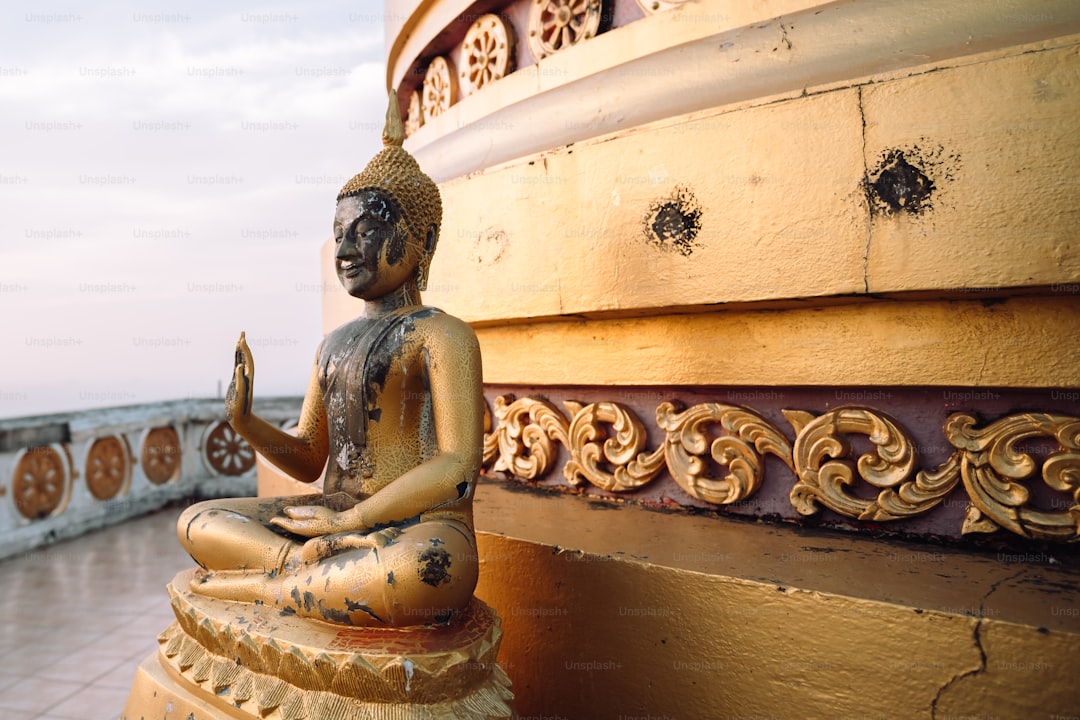
I’ve spent a lot of time looking at how ancient structures actually functioned, and it’s clear that the Buddhist expansion wasn't just about faith—it was a massive engineering rollout across the continent. Take the Gandharan monastic sites, for instance. Engineers back then weren't just slapping mud together; they were using a smart mortar mix of wheat straw and lime that basically acted as a seismic shock absorber for the buildings. I think it’s wild that while the Deccan Plateau was suffering through periodic droughts, the rock-cut caves were designed as high-level water harvesting systems, funneling monsoon runoff into subterranean cisterns that kept entire villages alive. It reminds me of how Nalanda University used those specific angled window shafts to create a natural ventilation system. They weren't just trying to stay cool; they were protecting thousands of fragile palm-leaf manuscripts from the brutal humidity that would’ve turned them to mush in a single season.
And let’s be honest about the supply chains—they were way more advanced than we usually give them credit for. When you analyze the wall paintings in the Dunhuang caves, you find lapis lazuli from the Badakhshan mines in Afghanistan. That’s not just a "trade route" thing; that's evidence of a high-value, niche supply chain that bypassed the standard Silk Road congestion just to get the right pigment. It’s the same level of technical obsession we see in Korea, where they developed a heat-resistant ink from pine soot specifically so their texts wouldn't degrade in the peninsula’s damp air over centuries. Even in Japan, the lack of iron nails during the Nara period didn't stop them; they just invented a modular interlocking timber system. It was basically the ancient version of pre-fab construction, allowing them to swap out rotting load-bearing columns without tearing the whole temple down.
But what really gets me is how these sites functioned as the big data centers of their time. In the Tarim Basin, monasteries weren't just for chanting; they were meteorological hubs where monks tracked wind patterns to tell merchants exactly when it was safe to cross the desert. You see that same data-driven approach at Borobudur in Indonesia, which is literally a massive stone solar calendar built to track the solar zenith for local farmers. It’s not just "spiritual architecture"—it’s a functional tool for agricultural survival. Even the Horyu-ji temple in Japan uses the golden ratio in its column spacing, which shows they were importing advanced mathematical manuals right along with the sutras. And don’t even get me started on the bodhi tree hybrids they were genetically selecting to thrive in the freezing northern climates. It shows a level of long-term environmental planning that most modern developers would kill for.
Honestly, the further you look into the seventh-century Yangtze River delta, the more you see the business side of things peaking through. Those monastic estates were actually pioneering double-entry bookkeeping to manage the massive influx of grain donations from local cooperatives. It was a functional financial system that kept the lights on and the monks fed. And it wasn't all just hard work and math; some of those Himalayan monasteries were strategically placed over natural hot springs to use geothermal heating for medicinal baths during the winter. It’s a perfect example of how they integrated human comfort with religious duty. When you add it all up—the seismic-resistant mortar, the manuscript-saving airflow, and the genetic plant engineering—you realize these weren't just religious outposts. They were the most advanced technological and economic nodes on the map.
Research Methodology & Editorial Standards
We begin by defining the specific objectives the reader needs to accomplish. Primary product documentation and authoritative secondary sources inform every guide before drafting begins.
Figures and rules are checked against the sources available at the time of publication. Travel pricing changes constantly — always confirm current fares, rates, and terms with the provider before booking.