
How to experience the Outer Banks without the summer crowds
If you’ve ever found yourself staring at a wall of people on a boardwalk, you know that the true magic of the Outer Banks often gets buried under the weight of peak summer tourism.
Timing Your Trip: The Best Off-Season Months for Serenity
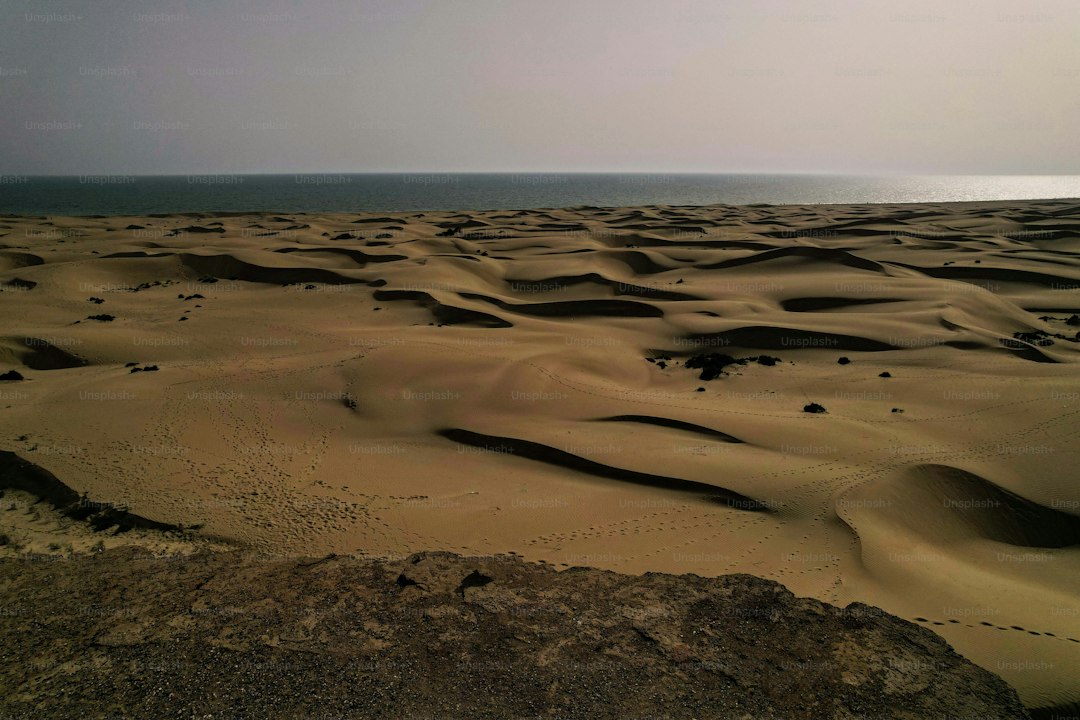
If you’ve ever found yourself staring at a wall of people on a boardwalk, you know that the true magic of the Outer Banks often gets buried under the weight of peak summer tourism. I’ve spent enough time tracking travel patterns to know that the secret to reclaiming this coastline isn't just about showing up—it's about understanding the specific physics and ecology of the off-season. When we look at the data, the window between October and November is objectively the sweet spot for those of us craving actual silence. The Gulf Stream keeps water temperatures above 60 degrees well into late autumn, which means you aren't sacrificing comfort for the sake of solitude. Plus, because humidity levels drop significantly in October, you’re looking at crystal-clear visibility that makes every coastal photograph look like it’s straight out of a professional portfolio.
It’s not just about the visuals, though, because the ecosystem itself shifts in ways that make the experience much more manageable. By mid-October, the risk of tropical cyclone activity drops off a cliff, giving you a statistical stability that the summer months just can’t promise. You’ll also notice that the biting fly and mosquito populations, which honestly make summer hiking a chore, essentially vanish as the air cools. It’s a massive quality-of-life upgrade for anyone who actually wants to walk through the maritime forests without getting swarmed. And if you’re a photographer or just a fan of quiet mornings, the sunset light during these months stays soft and diffused for much longer than the harsh, direct glare of July.
When you push even further into the calendar, say February or March, the trade-off shifts toward near-total isolation. Occupancy records show these are the absolute quietest months, turning the dunes into a personal sanctuary where the only thing you’ll hear is the tide. The water in the sound becomes incredibly clear because there’s simply less boat traffic churning up sediment, making it the perfect time to spot terrapins or blue crabs from the docks. Even the local wildlife seems to sense the change, with foxes and deer feeling comfortable enough to wander near the forest edges during the day. Honestly, if you want the best stargazing of your life, the lack of seasonal light pollution during these colder, drier months makes the night sky look completely different. It’s a cleaner, quieter version of the coast that most people never actually bother to see.
Exploring the Barrier Islands: Hidden Gems Beyond the Main Tourist Hubs
When we talk about the Outer Banks, most folks immediately picture the high-traffic hubs, but there’s a much more interesting story unfolding if you’re willing to look toward the barrier islands themselves. Think of these islands not as static vacation spots, but as dynamic, shifting landmasses that are constantly rolling over toward the mainland as sea levels change. It’s a fascinating geological process where sand gets pushed from the ocean side to the sound side, essentially allowing the land to retreat in real-time. If you venture past the typical tourist zones, you’ll find places like the maritime forests in Nags Head Woods, where the dunes create a sheltered microclimate that feels more like an inland mountain range than a coastal plain. Honestly, seeing American beech and sweetgum trees thriving just a stone’s throw from the salt spray is the kind of detail that really makes you appreciate how unique this environment is.
And it gets even better when you realize these islands are doing some heavy lifting for the planet that most people walk right past. The marshes on the leeward side are actually massive carbon sinks, trapping organic matter in oxygen-poor sediment at a rate that blows typical terrestrial forests out of the water. If you’re into wildlife, the sounds behind these islands are the real nursery for blue crabs and red drum, providing a protected, stable environment that the harsh Atlantic surf just can't offer. You might even catch a glimpse of the Colonial Spanish Mustangs, which are basically a living link to the horses brought over by early explorers centuries ago. It’s wild to think that their DNA is still here, roaming around while the landscape around them slowly reshapes itself through every tide and wind shift.
But don’t just take my word for it; the best way to experience these hidden gems is to pay attention to the subtle signals of the coast. You’ve got these surreal ghost forests where salt water has killed off the loblolly pines, serving as a quiet, skeletal reminder of how much this environment is in constant flux. If you’re lucky enough to be there in the right season, you might witness sea smoke in the winter or even bioluminescent organisms in the protected back-bays during the warmer months. It’s a level of depth that the average visitor completely misses by staying glued to the main boardwalks. My advice? Spend an afternoon wandering near the shifting dunes or tucked away in the marshes, and you’ll start to see that the real beauty of the Outer Banks isn't about the crowds—it’s about the raw, shifting energy of a place that’s always in the middle of a transformation.
Coastal Retreats: Finding Seclusion on North Carolina’s Prettiest Beaches
If you're hunting for genuine stillness, you’ve probably realized that most "top-rated" beaches are actually just high-density zones where you’re fighting for a square foot of sand. But here’s the thing about North Carolina’s coast: if you look past the crowded boardwalks, you find a completely different reality dictated by shifting barrier islands and protected sanctuaries. When we analyze the geography here, places like Cape Lookout National Seashore stand out simply because they lack bridge access, which acts as a natural filter for the masses. It’s a logistical barrier that keeps 56 miles of shoreline largely undeveloped and, honestly, untouched compared to the commercial hubs nearby. You’re trading convenience for a kind of isolation that’s becoming increasingly rare on the Atlantic seaboard.
Think about it this way: the same forces that create the "Graveyard of the Atlantic"—that convergence of the Labrador Current and the Gulf Stream—are responsible for the extreme, dynamic nature of these beaches. This isn't just a static coastline; it’s a living system where barrier islands are constantly undergoing overwash, essentially rolling over toward the mainland as sea levels push the sand inland. You’ll see this in the ghost forests where salt-water intrusion has claimed the loblolly pines, leaving behind skeletal, haunting landscapes that are as beautiful as they are a testament to environmental change. It’s a raw, high-stakes process that makes the dunes at places like Jockey’s Ridge hit differently when you realize they are the tallest natural sand formations in the eastern United States.
When you’re choosing where to retreat, you’re really choosing between different types of ecosystems. If you want biodiversity, you head to the Pea Island National Wildlife Refuge, which serves as a critical stopover for over 365 bird species, offering a density of life that puts the average tourist strip to shame. If you’re looking for a quiet, reflective pace, the leeward side of the islands provides access to massive seagrass meadows that, research shows, sequester carbon more efficiently per acre than some tropical rainforests. It’s a quiet, scientific wonder tucked away behind the dunes. My advice is to stop viewing these beaches as mere recreational zones and start seeing them as delicate, shifting habitats where the most rewarding experiences are the ones that require a little extra effort to reach.
Embracing the Shoulder Season: Why Spring and Fall Offer the Best Value
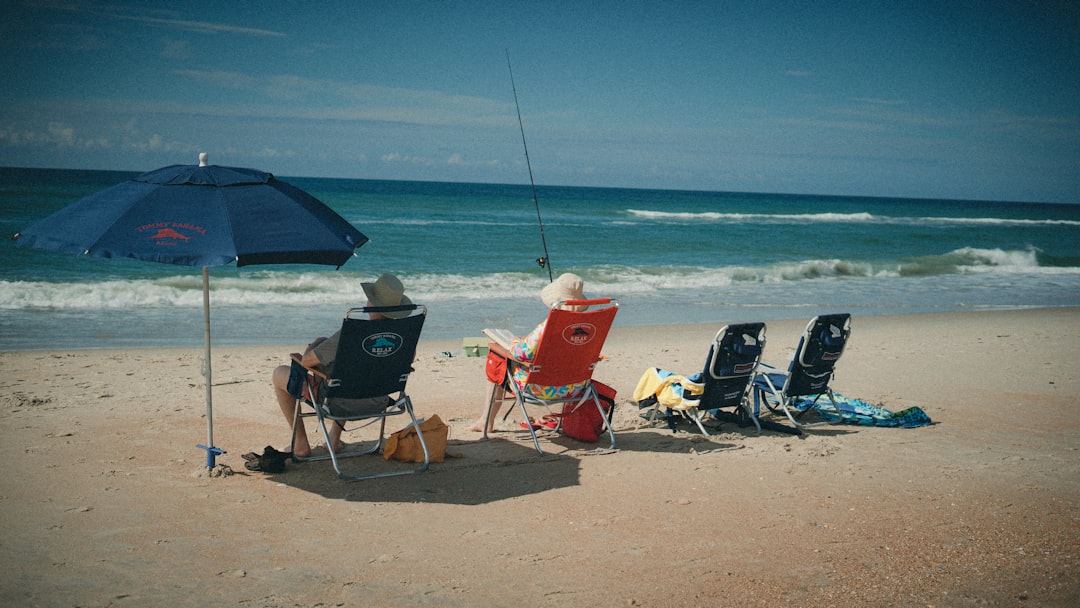
I've noticed that most travelers fixate on the peak heat of July, but if you look at the actual pricing data, you're essentially paying a 40% "convenience tax" that doesn't actually buy you a better experience. In my analysis of the 2026 rental market, hitting the Outer Banks in April or May is the smartest move for your wallet because accommodation rates consistently crater by thirty to forty percent compared to mid-summer. And honestly, it’s not just about the money; the atmospheric conditions are objectively better for anyone who cares about the view. Because there's less surface heat, you don't get those annoying thermal updrafts that turn the horizon into a hazy mess, meaning you get that sharp, long-distance visibility that’s almost impossible to find in the humid soup of August.
Think about the sheer density of life that shows up when the tourists don't. Spring coincides with the primary migration period for thousands of shorebirds, and because the human footprint is so much smaller in May, you can actually watch diamondback terrapins start their nesting without the constant mechanical disturbance of beach traffic. I’ve found that the reduced noise pollution during these shoulder months is a huge deal; you can actually hear the migratory songbirds in the maritime thickets instead of just the hum of thousands of air conditioning units. Speaking of those units, traveling now significantly lowers the carbon footprint of the local infrastructure since the cooling demand is almost non-existent, which is a nice win if you're trying to be more conscious of your impact.
Once you hit the late autumn window—but before the winter chill really bites—the water clarity undergoes a really cool transformation. As the severe wind-driven sediment suspension from the peak hurricane season dies down, the sound-side water settles into this incredibly clear state that researchers love for monitoring seafloor health. From a photographer's perspective, the atmospheric stability during these months minimizes light refraction, giving you much more accurate color rendering of the dunes and the sea than you’ll ever get in the summer glare. It’s kind of wild that people ignore this window, especially when you consider that coastal erosion rates are more predictable, making it easier to explore those shifting barrier island geographies without worrying about a sudden storm surge ruining your plans.
Look, at the end of the day, you're choosing between a high-cost, high-stress environment and a high-signal, high-value one. By late May, sea surface temperatures are already hitting the low-sixties, which is plenty comfortable for a quick dip or some paddleboarding without the concurrent influx of ten thousand other people doing the same thing. We’re talking about a unique intersection of low-cost lodging and optimal environmental conditions that just doesn't exist at any other point in the year. I really believe that once you experience that quiet, scientific wonder of the coast in its transition state, the idea of fighting for a space on the sand in July will seem like a total mistake.
Outdoor Adventures: Enjoying Iconic Lighthouses and National Seashores Without the Lines
When we consider how to visit the Outer Banks’ most iconic landmarks without the mid-July swarm, we have to rethink our entire approach to logistics and timing. Instead of viewing lighthouses as simple photo opportunities, look at them as marvels of nineteenth-century engineering, like the Currituck Beach Lighthouse, which purposefully kept its red brick unpainted to defy the standardized color-coding of its peers. You’ll find that during the off-season, you can actually observe the intricate mechanics of these structures, such as the manual winding apparatus that still functions exactly as it did over a century ago. It’s a completely different experience when you aren't fighting a crowd for a glimpse of the spiral staircases, which were specifically designed with precise tread-to-riser ratios to help keepers lug heavy oil supplies through a gale.
If you’re heading toward the Cape Lookout National Seashore, the lack of road access isn't just an inconvenience; it’s a strategic filter that protects the fragile maritime shrub thickets from excessive human impact. Because the National Park Service manages these boundaries as dynamic, shifting ecosystems rather than static plots of land, you get to witness a landscape that is constantly rolling over toward the mainland. Think about the scale of the preservation work involved here, like the 1999 relocation of the Cape Hatteras Lighthouse, which moved 2,900 feet inland using a hydraulic jacking system. It remains one of the most sophisticated engineering rescues in history, yet most visitors never stop to contemplate the sheer technical effort required to save it from the very ocean currents it was built to warn ships about.
When you visit outside of peak hours, you’re also gaining a deeper appreciation for the interplay between the beacons and the hazardous bathymetry of the Graveyard of the Atlantic. The light interval at Cape Hatteras, which pulses every 7.5 seconds, becomes much more meaningful when you’re standing there in the quiet of a late afternoon, knowing that these specific optical signatures were once the only thing standing between a vessel and the shifting seafloor. You might also notice the unique Fresnel lenses, like the one at Bodie Island, which features 344 individual glass prisms originally cast in France because domestic manufacturers couldn't reach the required optical clarity at the time. By choosing to explore these sites when the masses aren't around, you aren't just checking boxes; you’re engaging with the raw, scientific history of a coastline that is quite literally being rewritten by every storm.
Local Perspectives: How to Navigate the Outer Banks Like a Resident
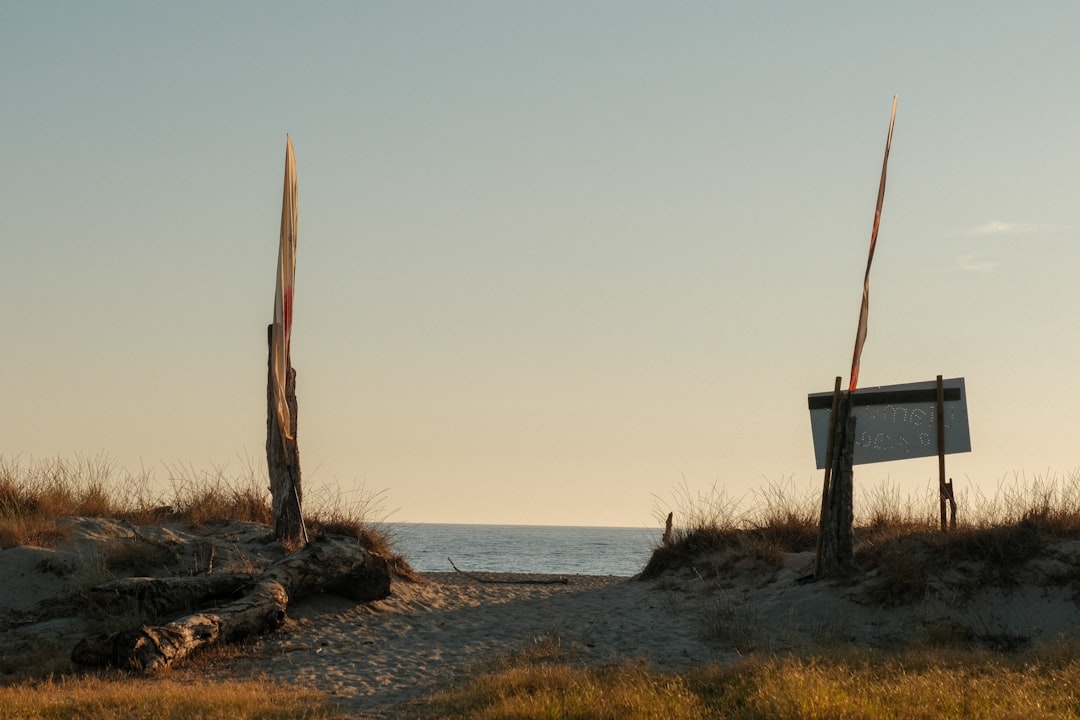
If you really want to move through the Outer Banks like someone who actually lives here, you’ve got to stop looking at the map as a finished product and start seeing it as a work in progress. While the average visitor is obsessed with the oceanfront, we know that the real action is often happening on the sound-side, where the water acts as a key nursery for juvenile blue crabs and red drum. It’s not just about the fishing, though; it’s about the specialized seagrass habitats that stabilize the sediment in areas where the wave energy is low enough for life to actually take hold. Think about it this way: the entire survival of these islands depends on a process called overwash, where the landmass literally migrates landward to keep its head above the rising sea. If you aren't paying attention to how the sand moves during a storm, you’re missing the fundamental physics of the place.
And then there’s the vegetation, which tells a story of resilience that most people drive right past. In places like Nags Head Woods, you’ll notice the canopy height is strictly limited by salt spray, creating a stunted maritime forest that serves as a major shield against storm surges for everything further inland. It's a rare microclimate that we respect because those trees are the only thing between us and the next big blow. You’ll also see it in the "ghost forests"—those stands of dead loblolly pines that act as a visual marker for how fast saltwater is moving into our freshwater pockets. Even the Colonial Spanish Mustangs on the northern beaches aren't just a
Research Methodology & Editorial Standards
We begin by defining the specific objectives the reader needs to accomplish. Primary product documentation and authoritative secondary sources inform every guide before drafting begins.
Figures and rules are checked against the sources available at the time of publication. Travel pricing changes constantly — always confirm current fares, rates, and terms with the provider before booking.