
Should airports ban early morning alcohol sales for travelers
Ryanair’s leadership has been vocal about calling for a total ban on early-morning alcohol sales, citing a troubling rise in unruly behavior that makes everyone’s flight less comfortable.
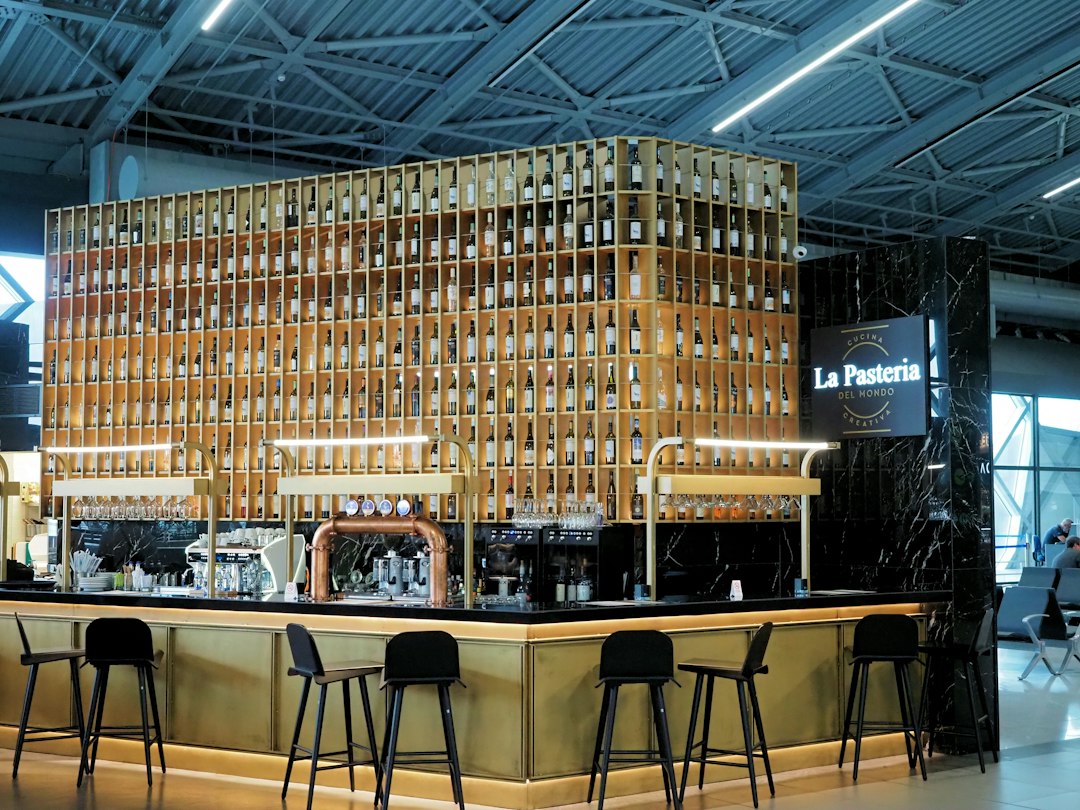
The Rise of the Pre-Flight Pint: Understanding the Controversy
Let’s be real for a second: we’ve all seen that one traveler at 6:00 AM, pint of lager already in hand, seemingly celebrating the start of a vacation before the sun is even fully up. It’s a polarizing sight, and honestly, it’s sparking a massive debate right now between airline executives, airport operators, and the people actually stuck in the middle seat. Ryanair’s leadership has been vocal about calling for a total ban on early-morning alcohol sales, citing a troubling rise in unruly behavior that makes everyone’s flight less comfortable. But when you look at the economics, it’s not that simple, as airport concessions rely on those early beverage sales for a significant chunk of their daily revenue. It’s a classic clash between passenger safety and the bottom line.
The science behind this is honestly kind of eye-opening when you dig into the physiology. Think about it this way: when you’re sitting in a pressurized cabin, the low oxygen levels mimic the effects of being at a much higher altitude, which essentially multiplies the impact of whatever you’ve been drinking. Add in the incredibly dry air that dehydrates you faster than on the ground, and that "vacation mode" mindset that tricks you into thinking you can handle more than you actually can, and you’ve got a recipe for trouble. It’s not just about one person having a bad time; it’s about the fact that alcohol is linked to about 25% of all unruly passenger reports. When those situations escalate to the point of a flight diversion, the costs can skyrocket past $100,000, which is a massive hit for any airline to absorb.
We’re starting to see some high-tech responses to this, like experimental infrared sensors at gates that can detect the physical signs of intoxication before you even board. Some airports are even testing digital sobriety checks to track total alcohol intake across different terminal bars, which feels like a pretty intense move for a simple pre-flight drink. On the flip side, retailers are fighting back, noting that spirits remain their most profitable category during those exact early hours. I’m honestly torn because while nobody wants to deal with an aggressive passenger, the idea of restricting personal choice in a public space is a slippery slope. Whether or not a ban is the right path, it’s clear the current situation is pushing aviation toward a much stricter reality than we’ve ever seen before.
Disruptive Behavior and Safety: The Argument for Stricter Regulations
When we start talking about the sheer chaos that happens at 30,000 feet, it’s easy to focus on the individual, but the real conversation is about the systemic shift toward much tougher, standardized regulations. You have to wonder if the current environment is sustainable when a single intoxicated passenger can increase cabin crew workload by 40%, effectively pulling their focus away from actual safety duties. It honestly feels like we’re at a turning point where the industry is moving toward a strict liability model, meaning the bars and restaurants serving those early morning pints could soon be held legally and financially responsible for what happens once that plane takes off. Think about the ripple effect: a four-hour flight diversion triggered by alcohol doesn't just ruin a vacation, it drains over $100,000 in fuel and crew costs, a price tag that airlines are getting tired of eating.
We’re also seeing a serious push for global cooperation that goes beyond local airport policies. Imagine a centralized, international blacklist that prevents a disruptive traveler from booking any flight across any carrier, effectively grounding repeat offenders regardless of where they are. Some airports are already leaning into high-tech solutions like biometric facial recognition to flag known aggressors at security, which is a massive leap forward in how we handle gate-side screening. It sounds intense, but when you look at the data showing that verbal altercations spike during boarding, you can see why authorities are looking at mandatory breathalyzer testing for anyone showing signs of impairment. It’s a shift from reactive measures to proactive prevention, and it’s being fueled by insurance companies hiking up premiums for airlines that don't enforce rigorous, standardized alcohol training for their terminal partners.
But here is where I get a bit conflicted, because while we all want a safer flight, the reality of these regulations is going to feel pretty restrictive for the average traveler. We are seeing a move toward mandatory cooling-off periods for anyone pulled off a flight, which essentially forces a timeout before you can even think about rebooking. It’s hard to argue against the science when forensic studies show alcohol makes it nearly impossible to process emergency instructions, yet there is a fine line between maintaining order and turning the airport into a surveillance zone. Maybe it’s just me, but I think we’re heading toward a future where "vacation mode" is going to be heavily moderated by digital sobriety checks and strict oversight. It’s definitely a new era, and if you’re planning on catching an early flight, you should probably expect the process to be a lot more buttoned-up than it was even a year or two ago.
The Ryanair Proposal: What Exactly is Being Proposed?
Let’s look at what is actually on the table here because it is way more than just a disgruntled CEO venting about bad behavior on a Tuesday morning. The core of the Ryanair proposal is a hard cutoff—no alcohol sales in airport terminals before 10:00 AM, period. It’s a direct strike at that "vacation starts at the gate" culture that low-cost carriers blame for the spike in mid-air incidents. But here’s the weird part: they are also floating a "chatty passenger fee" for early flights to essentially charge people for the privilege of making noise when everyone else wants to sleep. It sounds like a joke, but when you're squeezed into a middle seat at 6:00 AM, the airline is starting to see silence as a product they can finally monetize.
Think about the pushback from industry heavyweights like the Wetherspoon boss who are absolutely slamming this idea. From a market research angle, the numbers are pretty staggering; we’re looking at a potential 15% to 20% drop in morning revenue for airport pubs if those taps stay dry. It is a massive tug-of-war between the airport’s reliance on concession money to keep landing fees low and the airline’s need to lower the risk of a $100,000 flight diversion. Honestly, it feels like the retailers are being asked to pay the price for the airline's operational headaches. And look, the data actually backs up the urgency here because the first three hours of the operational day are statistically the most volatile for passenger reports.
To actually pull this off, we would need a standardized legal framework that crosses international borders, which is a logistical nightmare I don't think many have fully thought through yet. You can’t just stop the pints in London and expect that to solve the problem for a flight arriving from a hub with different rules. Critics are already pointing out that alcohol is often just a catalyst, not the root cause, and that terminal congestion or boarding delays are what’s really pushing people over the edge. I’m not entirely sure we can just regulate our way out of human stress, but the proposal shows a clear shift toward a more clinical, controlled environment.
At the end of the day, this is about the social contract of air travel being rewritten in real-time. We are moving toward a reality where your behavior in the terminal is just as scrutinized as your behavior on the plane. Whether or not that 10:00 AM rule becomes law, the fact that we’re even debating it tells you that the "lawless" era of airport drinking is likely coming to an end. We'll probably see these measures tested in a few specific high-traffic hubs before they ever become a global standard. It is going to be a messy, divisive transition, but that is exactly how these major industry shifts usually play out.
Passenger Perspectives: Is the Morning Airport Drink a Cultural Tradition?
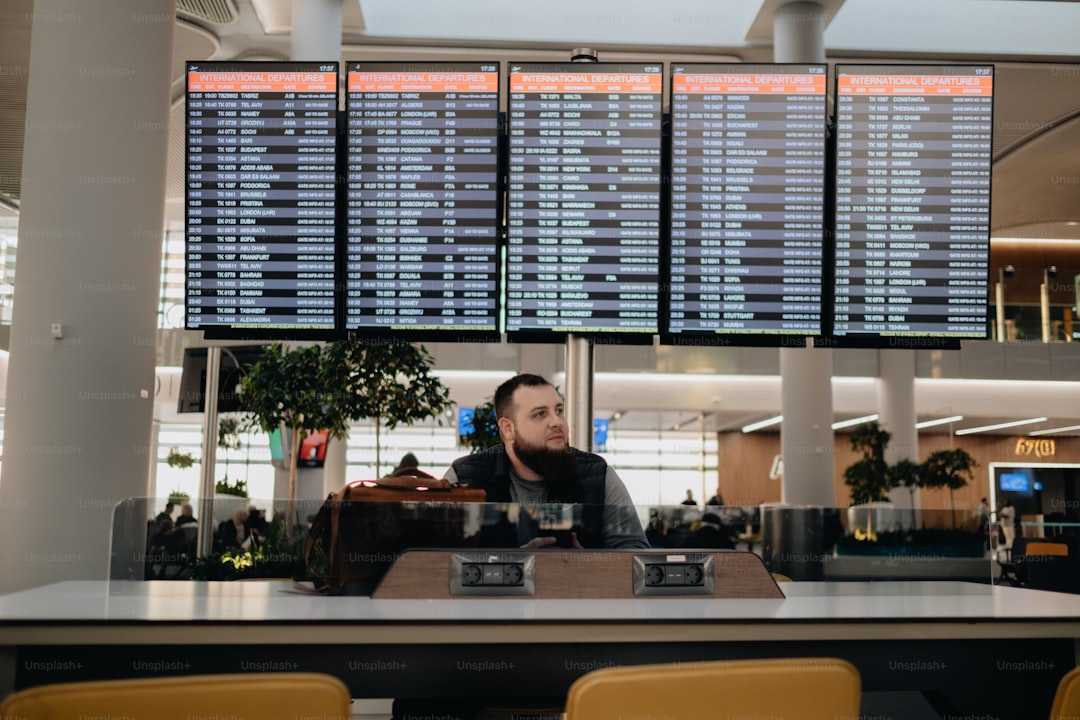
When we talk about that pre-flight pint, we’re really touching on a weirdly specific cultural ritual that’s become a massive point of friction in modern travel. I think it’s easy to dismiss a morning drink as just a harmless way to kick off a holiday, but the reality is that we’re balancing a deep-seated tradition against an increasingly fragile cabin environment. For many, grabbing a drink is a way to decompress before the stress of security, yet industry data shows that the first three hours of the day are actually a hotspot for volatile behavior. It’s a strange paradox where the very thing meant to relax us is contributing to the kind of chaos that turns a routine flight into an expensive, safety-compromising ordeal.
If you look at the economics, it’s not just about a few people wanting a beer; it’s a tug-of-war between high-profit concessions and the ballooning costs of mid-air incidents. We’re seeing airport pubs push back hard against restrictions, citing potential double-digit revenue drops, while airlines are getting hit with massive insurance premiums for failing to curb early-morning impairment. You have to ask yourself whether we can really afford to keep treating the terminal like a free-for-all when a single bad actor can cause a diversion that costs upwards of $100,000. It’s not just a debate over beer prices; it’s an urgent conversation about who should shoulder the liability for the breakdown of the passenger experience.
And honestly, the technology being proposed to fix this feels like we’re entering a new, much more clinical era of aviation. From centralized systems that track your drinks across different bars to predictive analytics that flag high-risk passengers before they even arrive at the gate, the days of anonymous, carefree pre-flight drinks are likely numbered. It’s a tough pill to swallow if you value your personal freedom, but when you look at the forensic data on how alcohol affects your ability to process emergency instructions, it’s hard to argue that the status quo is sustainable. I’m not sure we’ll see a total ban by 10:00 AM tomorrow, but the shift toward a more buttoned-up, monitored experience feels almost inevitable now.
The Economic Impact on Airports and Concessionaires
Airport terminal concessions often operate on 24-hour cycles to maximize utility, meaning that early morning sales are structurally integrated into the revenue models used to offset airport operating expenses. Concessionaires frequently utilize dynamic pricing models where early-bird specials are designed to boost foot traffic during the typically slower morning hours before the midday rush. The reliance on these sales is so significant that in some major international hubs, duty-free and alcohol concession revenue accounts for over 40% of the total non-aeronautical income for the airport operator. Regulatory probes into concessionaire performance have revealed that when these revenue streams are threatened, airports often struggle to maintain low landing fees for airlines, creating a direct financial link between the airport bar and the price of an airline ticket.
Some governments have begun establishing specialized funds, such as the $50 million investment initiatives in New York, to support disadvantaged business enterprises in airport concessions, illustrating that these retail spaces are now viewed as essential components of regional economic policy. When airports face a slowdown in passenger traffic, they often force a rapid diversification of concessionaire offerings to replace lost beverage and retail revenue with high-margin luxury or service-based retail outlets. Statistical analysis indicates that the first three hours of terminal operations are characterized by a higher average transaction value per passenger compared to the rest of the day, as travelers are more likely to make impulse purchases when entering a vacation mindset. If early morning alcohol sales were restricted, industry modeling suggests a displacement effect where passengers would simply shift their spending to other retail categories, though likely at lower profit margins for the operators.
Large-scale infrastructure projects, like the competitive bidding for new shops and restaurants at Dallas-Fort Worth, are increasingly contingent on the projected ability of these vendors to meet strict revenue targets that assume uninterrupted operational hours. In regions where airport concessions are underperforming, authorities have moved toward centralized probes to determine if the contractual obligations of operators are being met, highlighting the intense scrutiny surrounding these business models. The legal complexity of concession agreements means that an arbitrary ban on specific product categories like alcohol could trigger breach-of-contract lawsuits from major airport retail operators who pay premium rent based on historical sales data. Finally, international data shows that the proliferation of non-viable, smaller airports is often exacerbated when concession revenue fails to materialize, demonstrating that the financial health of the entire aviation ecosystem is heavily dependent on these terminal retail activities.
Regulatory Realities: Could an Early Morning Alcohol Ban Actually Work?
When we consider the feasibility of an early morning alcohol ban, it is worth looking at how similar public health interventions play out in other high-density environments. Research into nocturnal sale bans consistently shows that limiting access to spirits during these hours can reduce alcohol-related incidents by as much as 15 percent, as the policy provides a clear, standardized boundary that removes ambiguity for service staff. Think about it: when the rules are black and white, there is significantly less room for those uncomfortable, confrontational service refusals that often escalate into full-blown security issues. It is a shift from reactive policing to proactive prevention, and frankly, the data suggests that such a model could be highly effective in the pressurized environment of an airport terminal.
We also have to account for the physiological reality of the situation, which is often overlooked in the heat of the moment. Because cabin pressure mimics higher altitudes where oxygen saturation is lower, that 6:00 AM double vodka is effectively hitting your system with double the potency of a drink on the ground. When you combine that heightened impairment with the impulsive decision-making typical of a vacation mindset, you have a recipe for the exact kind of volatile behavior that leads to those $100,000 flight diversions. Most air rage reports trace back to terminal consumption, not in-flight service, which tells me the root of the problem is happening right under our noses before we even board.
Critics will point to the revenue hit, but economic modeling suggests that a total loss of profit is unlikely; instead, we would likely see a displacement effect where travelers simply shift their spending toward food or premium retail. If airports are forced to diversify their offerings away from high-margin alcohol, it could actually push them toward better service quality, which might make the whole terminal experience a bit more civilized. I realize implementing a global framework to close potential loopholes is a massive logistical hurdle, but the current state of affairs feels increasingly unsustainable. Whether or not we see a 10:00 AM cutoff, it is clear that we are moving toward a more clinical, data-driven approach to terminal safety that will change how we fly.
Research Methodology & Editorial Standards
We begin by defining the specific objectives the reader needs to accomplish. Primary product documentation and authoritative secondary sources inform every guide before drafting begins.
Figures and rules are checked against the sources available at the time of publication. Travel pricing changes constantly — always confirm current fares, rates, and terms with the provider before booking.