
Vietnam Airlines Is Looking To Lease Twelve New Widebody Jets For Its International Fleet
I’ve been tracking Vietnam Airlines’ fleet movements for a while now, and their latest move to issue a formal request for proposal for twelve widebody aircraft caught my eye for a few specific reasons.
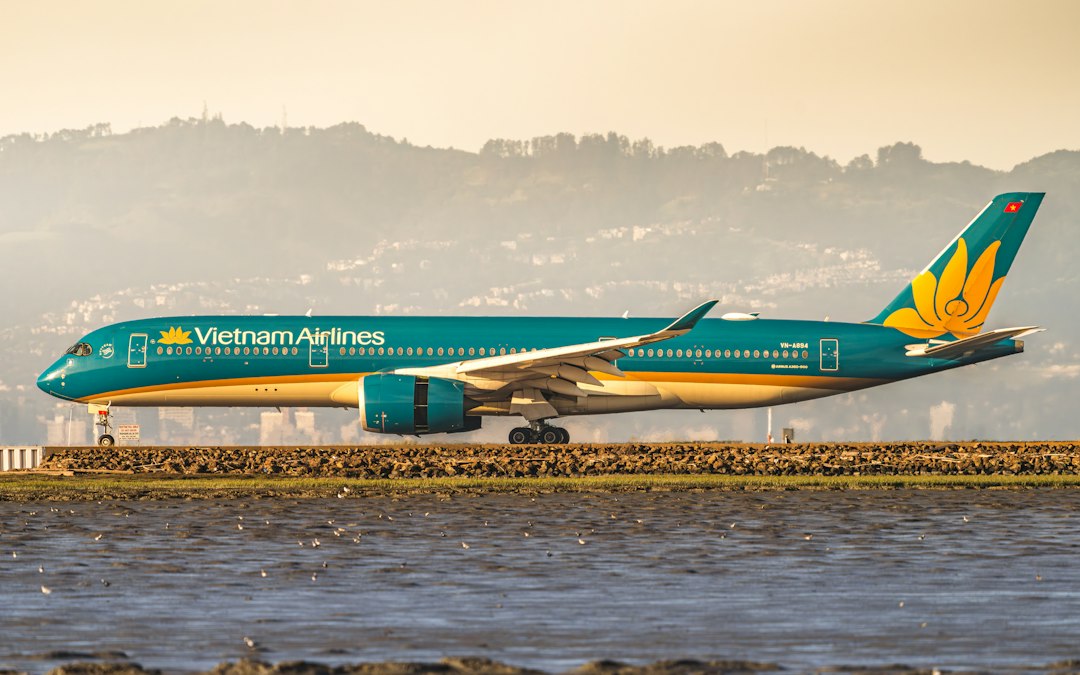
Vietnam Airlines Issues Formal Request for Proposal for Twelve Widebody Aircraft
I’ve been tracking Vietnam Airlines’ fleet movements for a while now, and their latest move to issue a formal request for proposal for twelve widebody aircraft caught my eye for a few specific reasons. If you look at the big picture, this isn't just about adding planes; it's a calculated attempt to hit that target of 170 aircraft by 2035. They’re specifically hunting for these jets to be ready by 2028, which tells me they’re anticipating a major crunch in long-haul capacity across the Asia-Pacific region. It's a smart play to bridge the gap before their longer-term orders actually land in the hanger.
Honestly, the most interesting part here is the focus on operational commonality. Since they already fly the A350 and the 787-9, they aren't looking to reinvent the wheel, as that would just create a headache for pilot training and maintenance crews. By sticking to these configurations, they keep those costs in check while they shift capital toward their massive 737 MAX narrowbody order. It’s a classic balancing act—leasing helps them keep enough cash on hand to manage that transition without blowing the budget on massive upfront purchase costs.
When you dig into the fine print of this request, you see they’re being pretty picky about maintenance reserves and engine efficiency. They know that fuel burn is the biggest variable in their margins, especially on those long transpacific routes where they’re pushing for high-density premium seating to boost yields. They’ve even left the door open for both dry and wet leasing, which shows me they’re worried about having enough flight crews ready to go when these planes arrive. It’s a high-stakes move to keep Vietnam as a top-tier transit hub, and I'm honestly curious to see which lessors step up to fill these specific needs.
Strategic Fleet Expansion to Support Growing International Demand
When we look at why airlines like Vietnam Airlines are pushing so hard to lease these widebody jets, it really comes down to the math of international capacity. You have to remember that in today’s market, slots at major global hubs are incredibly tight, and you can’t just add more flights whenever you want. By moving to larger aircraft, they can boost seat capacity by 25% without ever needing an extra landing window. Plus, it’s not just about the passengers; those widebodies carry about 20 metric tons of belly cargo, which is the heartbeat of the electronics supply chain. If you’re an airline trying to stay relevant, you need that cargo revenue to make the long-haul routes pencil out.
It’s also fascinating to see how the tech inside these planes is changing the actual experience of flying. Modern composite frames now allow for cabin pressurization at 6,000 feet, which sounds like a small detail, but it’s a game-changer for reducing jet lag on those exhausting transpacific hauls. And honestly, if you’re a business traveler, the industry standard has shifted so that a 1-2-1 seating layout with direct aisle access is basically the entry fee for competing for corporate contracts. When you pair that with new Low Earth Orbit satellite internet hitting 150 Mbps, the plane stops being just a metal tube and becomes a functioning office. It’s a complete shift in what we expect from a long-haul flight.
But beyond the comfort, these moves are driven by some cold, hard efficiency targets. Airlines are under real pressure to handle 50% Sustainable Aviation Fuel blends, and the newer engines are specifically engineered to meet those tightening regulations. We’re also seeing a massive jump in reliability; thanks to real-time sensor data, lessors can now monitor engine health with 98% accuracy. That means fewer unscheduled groundings, which is a massive win when you’re trying to keep an aircraft in the air for 15 hours a day. It’s a balancing act of meeting environmental mandates while keeping the fleet working around the clock to stay profitable.
Comparing the Candidates: Airbus A350-900 vs. Boeing 787 Dreamliner
When you’re looking at the Airbus A350-900 and the Boeing 787 Dreamliner side-by-side, it’s not just about picking a plane; it’s about choosing between two fundamentally different engineering philosophies. The A350-900 really leans into brute force and massive capacity, boasting a cabin width of 221 inches that gives passengers a bit more breathing room with 18-inch wide seats in a standard nine-abreast layout. Airbus went heavy on materials here, using a mix of 53% composites and 14% titanium, which honestly makes for a more corrosion-resistant frame in those high-stress areas like the landing gear. Plus, if you’re looking at long-haul performance, the A350’s 8,300-nautical-mile range really outpaces the 787-9’s standard 7,565-nautical-mile reach. It’s a workhorse that’s meant to handle heavier, ultra-long missions, carrying a maximum takeoff weight of 283 tonnes compared to the 787’s 254.
But then you have the Dreamliner, which is the master of efficiency through sheer technical innovation. Instead of the traditional bleed air systems that keep the A350 running, the 787 uses a “more-electric” architecture that cuts out that bleed air entirely, which nets it about a 3% boost in fuel efficiency. It’s also built to keep you feeling better after a 15-hour flight; because it doesn’t rely on that engine air, it can keep cabin humidity at 15%, a massive jump from the 4% we’re used to on older metal planes. The window experience is also distinct, with Boeing’s electrochromic dimming glass being roughly 65% larger than what you find on standard jets. And if you’re worried about turbulence, the 787 has a bit of an edge with a maximum service ceiling of 43,000 feet, letting it climb above traffic and weather systems that might keep the A350 stuck lower.
At the end of the day, it comes down to how you want to move people and cargo. If you need maximum logistics, the A350-900 is the clear winner with 172 cubic meters of underfloor cargo volume that can swallow 36 LD3 containers. It’s also incredibly quiet, with a noise footprint 40% smaller than older widebodies, which is why you see it landing at strict European hubs where noise limits are a real headache. But the 787’s ability to fly higher and keep the cabin environment more comfortable for passengers makes it a different kind of asset. I’ve always felt that while the A350 is built to dominate the long-haul, high-density market, the 787 is the precision instrument designed to squeeze every bit of value out of a flight profile, making the choice for an airline like Vietnam Airlines a really tough, high-stakes puzzle to solve.
Strengthening Long-Haul Connectivity to Europe, North America, and Australia
Let’s pause for a moment and look at why Vietnam Airlines is pushing so hard to lock down this long-haul fleet expansion. Honestly, the industry is shifting under our feet, and it’s no longer just about filling seats; it’s about becoming a critical node in the global supply chain. By May 2026, the direct corridor from Ho Chi Minh City to the U.S. East Coast is set to shave eight hours off the typical transit time we’ve all been forced to endure through congested East Asian hubs. It’s a massive efficiency play, and when you look at the economics, it makes perfect sense—a direct link like that usually triggers a 5% to 7% jump in foreign investment between those regions within just three years.
But it isn’t just about the Americas. Australia has quietly become a massive priority, with a 15% increase in weekly flights aimed at capturing the booming market of people visiting family and friends. And don't sleep on the cargo side of things; that’s where the real money is hidden. High-value pharmaceutical exports from Europe to Southeast Asia are projected to climb 12% by year-end, and premium Australian seafood now makes up over a third of the belly cargo revenue on those southbound hauls. It’s a complex puzzle, but filling that belly space is often what makes the difference between a flight that barely breaks even and one that actually turns a profit.
Of course, the environment is forcing everyone's hand, too. With the 2026 ReFuelEU mandate requiring a 2% sustainable aviation fuel blend, carriers are having to get really smart with fuel-tracking tech just to avoid hefty penalties. Plus, you’ve got those strict Chapter 14 noise standards at European hubs that basically demand next-gen widebodies if you don't want to get hit with massive landing surcharges at night. It’s a high-stakes balancing act, but with new codeshare agreements offering single-ticket access to over 50 secondary North American cities, Vietnam Airlines is clearly positioning itself to be much more than just a regional player. It’s a bold move, but in this market, you either adapt to these long-haul realities or you get left behind.
The Economic Shift Toward Flexible Leasing Models in Post-Pandemic Aviation
We’ve seen a massive surge in sale-leaseback transactions, which now make up nearly half of the global commercial fleet, up from just 35 percent before 2020. This move effectively turns heavy, illiquid metal into the cash liquidity required to dodge the impact of volatile fuel prices and unpredictable demand. I find it fascinating that the average lease duration has dropped by about 18 months, giving airlines a degree of agility that simply didn’t exist in the rigid, long-term ownership models of the past.
It’s not just about the length of the lease, either, because the nature of the contracts themselves has been completely rewritten. We’re seeing more "power-by-the-hour" arrangements where the financial risk of engine maintenance shifts away from the airline and onto the lessor, tied directly to actual usage cycles. Think about the efficiency of that—airlines no longer have to carry the full weight of maintenance downtime on their own books. Even better, modern agreements now use real-time sensor data to link lease rates directly to carbon emissions, which practically forces fleet modernization without the airline having to swallow the massive upfront capital expenditure of buying brand-new jets.
This evolution has honestly changed the math for expanding into new long-haul routes that once felt way too risky. Because lessors are now acting more like risk-sharing partners—sometimes even taking equity stakes in carriers to secure a deal—it’s much easier for an airline to test the waters in secondary markets without betting the entire company on a single fleet move. Plus, with digital twin technology now handling depreciation tracking with mathematical precision, we’ve effectively cut out about $2 billion in annual legal and audit headaches that used to plague these transitions. It’s a smarter, leaner way to operate, and for a carrier aiming to scale its international footprint by 2035, this kind of flexibility is exactly the secret sauce that keeps the business viable while the rest of the world stays in flux.
Enhancing Onboard Product Consistency and Passenger Experience Standards
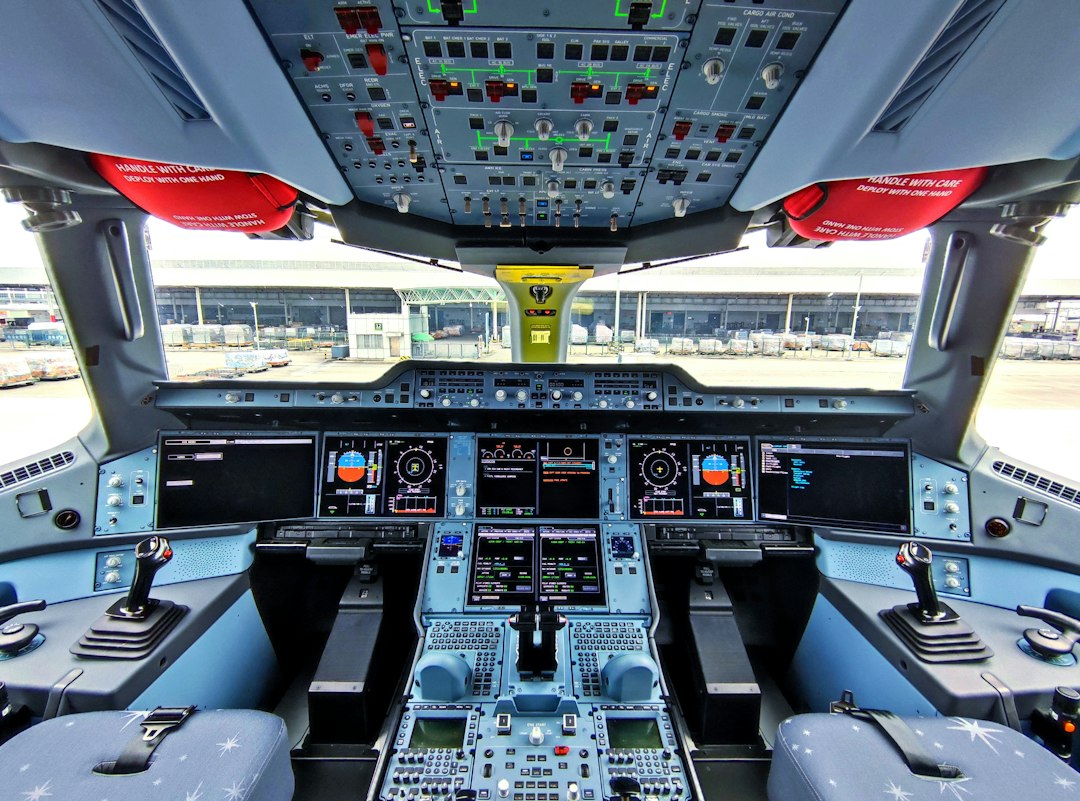
Let's pause and look at why standardizing the onboard experience has become such a high-stakes game for carriers like Vietnam Airlines. When you’re trying to scale a global fleet, the difference between a five-star rating and a mediocre one often comes down to how well you can hide the mechanical reality of different aircraft types. Carriers are now moving toward modular cabin designs that let them swap out seats and configurations in under 48 hours, which is just brilliant if you need to pivot quickly to meet changing demand. It’s not just about the hardware, though; it’s about those invisible metrics like cabin humidity and noise reduction that actually change how you feel when you land after a 15-hour flight.
I’m particularly interested in how airlines are using tech to fix the classic "inconsistent service" problem. By using real-time feedback loops on flight attendant tablets, lead crew members can track service delivery down to the minute, making sure your meal arrives the same way whether you’re on an A350 or a 787. They’re also using high-fidelity virtual reality for crew training, which means a flight attendant in Hanoi is learning the exact same protocols as one based in a secondary hub. It effectively removes the human error that usually plagues mixed-fleet operations, giving you a predictable, reliable experience every time you step on board.
Honestly, the shift toward standardized hardware—like universal 100-watt USB-C power at every seat—is the kind of detail that keeps business travelers loyal. It’s no longer optional to have a functioning office in the sky, and with LEO satellite connectivity hitting 150 Mbps, the old days of spotty, unusable Wi-Fi are finally disappearing. Predictive maintenance algorithms are the real unsung heroes here, though, catching a broken seat motor before you ever try to recline it. It’s all about creating a seamless, almost invisible transition from the terminal to your seat, and for a growing airline, that kind of operational discipline is exactly how you start winning those top-tier industry awards.
Research Methodology & Editorial Standards
We begin by defining the specific objectives the reader needs to accomplish. Primary product documentation and authoritative secondary sources inform every guide before drafting begins.
Figures and rules are checked against the sources available at the time of publication. Travel pricing changes constantly — always confirm current fares, rates, and terms with the provider before booking.