
United Airlines Announces Return of Saipan to Tokyo Flights in July 2026
I have been looking at the aviation maps for the Pacific quite a bit lately, and honestly, the return of the United route between Saipan and Tokyo Narita feels like a long-overdue reunion.
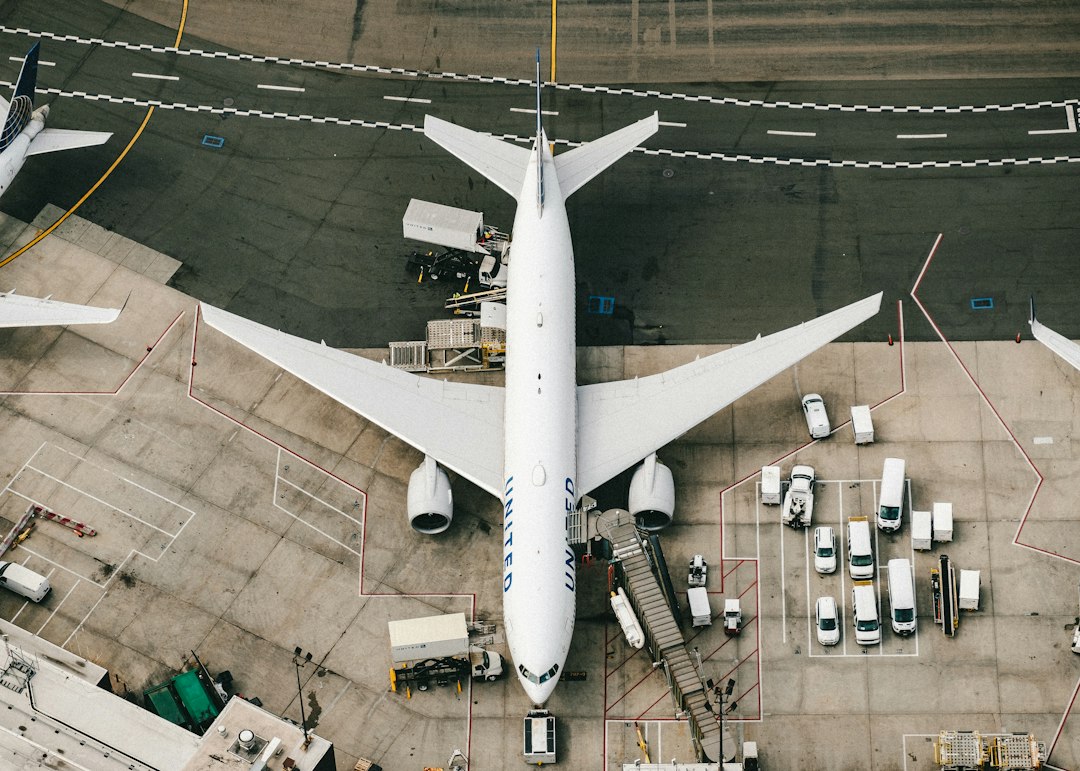
Restoring a Vital Connection: The Return of United’s Saipan-Tokyo Route
I have been looking at the aviation maps for the Pacific quite a bit lately, and honestly, the return of the United route between Saipan and Tokyo Narita feels like a long-overdue reunion. It’s been over six years since this direct link went dark, and seeing it back on the schedule for July 12, 2026, is a massive win for anyone trying to navigate the Northern Mariana Islands. United is rolling out the Boeing 737-800 for this run, which is a smart, measured move. It gives them the right amount of seat capacity to match the current demand without overcommitting in a market that is still finding its footing again. Plus, at just under four hours in the air, it’s a quick hop that finally cuts out the headache of routing everything through Guam.
Let’s talk about why this actually matters beyond just having another flight option. Before the world hit the pause button back in 2020, Japanese travelers made up nearly half of Saipan’s entire visitor base, so this isn't just about moving people—it’s about turning the lights back on for the local economy. The airline has clearly been working behind the scenes on new ground handling protocols at the airport, which is the kind of boring but necessary stuff that makes or breaks the passenger experience. They’ve also timed this perfectly with the local hospitality sector, which has been busy staffing up and renovating rooms just to be ready for the summer rush. It feels like everyone is finally on the same page.
If you’re a frequent flyer, you’re probably wondering how this fits into your larger travel plans, and here is where it gets good. By plugging this back into the Tokyo Narita hub, United is essentially opening a one-stop door to North America that was previously a major pain to access. You can now use your miles for these segments, which is a big deal if you’ve been hoarding points waiting for a reason to head to the islands. They’ve also optimized the flight path to ride the right winds over the Philippine Sea, which is a subtle detail that usually keeps the flight on time. It’s the final piece of their Micronesian network puzzle, and honestly, it’s about time.
Strategic Expansion: Leveraging Tokyo Narita for Global Connectivity
When we look at the broader map of Pacific aviation, Tokyo Narita has quietly evolved from just another international stop into a critical command center for United Airlines. By folding secondary markets like Cebu, Palau, and now Saipan into its ANA-partnered network, United is building a web that feels both intentional and incredibly resilient. It’s not just about adding flights to a schedule; it’s about using Narita as a high-efficiency funnel that lets them bypass the chronic congestion we’ve all dealt with at coastal North American hubs. Think of it as a bypass lane that keeps the entire journey moving when things get messy elsewhere.
This isn't a strategy built on guesswork, either, as the airline is clearly relying on hard performance metrics to decide where to put their metal. If a route isn't pulling its weight, they aren't going to force it, which tells me the return of the Saipan connection is a calculated bet on regional density. At the same time, we’re seeing competitors like Alaska Air Group jump into this space by using Hawaiian Airlines’ assets to create their own gateways, proving that Narita’s infrastructure for wide-body maintenance and lower slot costs makes it a much smarter bet than Haneda for these specific types of transpacific operations. Even the cargo side of the house is scaling up, as these regional hubs feed directly into a much larger, more complex logistical machine.
If you’re wondering why this matters for your own travel, it’s because this hub-and-spoke model is finally maturing into something that actually makes sense for the passenger. With ANA Holdings doubling down on their own connectivity goals through 2028, we’re looking at a future where even the most remote Pacific islands feel like a seamless part of a global, one-stop itinerary. It’s a bit like watching a puzzle finally come together after years of scattered pieces, and honestly, it makes me feel a lot more optimistic about booking those long-haul trips without the usual fear of a total logistical breakdown in transit. We’re moving toward a system where flight paths are being optimized not just for fuel, but for those specific high-altitude wind patterns that keep us arriving on time.
Economic Impact: Boosting Tourism in the Northern Mariana Islands
When we really look at how the Northern Mariana Islands keep the lights on, the numbers are pretty sobering—tourism has historically accounted for up to 80% of the entire economy. It’s not just a nice-to-have; it’s the engine that keeps the place running, especially now that the big casino revenue streams have dried up. With that in mind, the push to diversify air routes isn't just about convenience, it’s a matter of fiscal survival. We’re seeing a clear shift toward sustainable, airline-driven growth as the only real way to bridge the public sector budget gap. Frankly, the math is simple: every 500 extra visitors from the Tokyo hub likely pump about $1.2 million directly into local pockets through dining and retail.
It’s also fascinating to see how the geography of these travelers is changing the landscape. While South Korea held the fort with over 70% of arrivals during the recent quiet years, bringing Japan back into the mix is a game changer because those travelers tend to have a higher daily spend per capita. I think it’s important to note that this isn't just about who flies in, but how we handle the growth; the government is actually weighing an Environmental Impact Fee to make sure this surge helps protect the reefs that keep the islands beautiful in the first place. Plus, the recent $20 million in FAA grants for airport infrastructure tells me they’re finally getting the plumbing—or rather, the runways and lighting—ready for the heavy lifting ahead.
And don't overlook the human side of this connectivity, particularly the new links with Manila. Since about 35% of the local workforce is Filipino, this isn't just for vacationers; it’s a critical lifeline for families and the labor market. We’re already looking at a projected 12% jump in hospitality jobs by the end of 2026 as hotels stop just keeping the lights on and start offering full service again. If you’re tracking the regional economy, keep an eye on the Micronesia Air Bridge project, which aims to cut transit costs between Saipan, Tinian, and Rota by a fifth. It’s the kind of practical infrastructure work that makes a local economy feel more like a cohesive, working machine rather than a collection of isolated islands.
United’s Growing Pacific Network: From Guam to Japan and Beyond
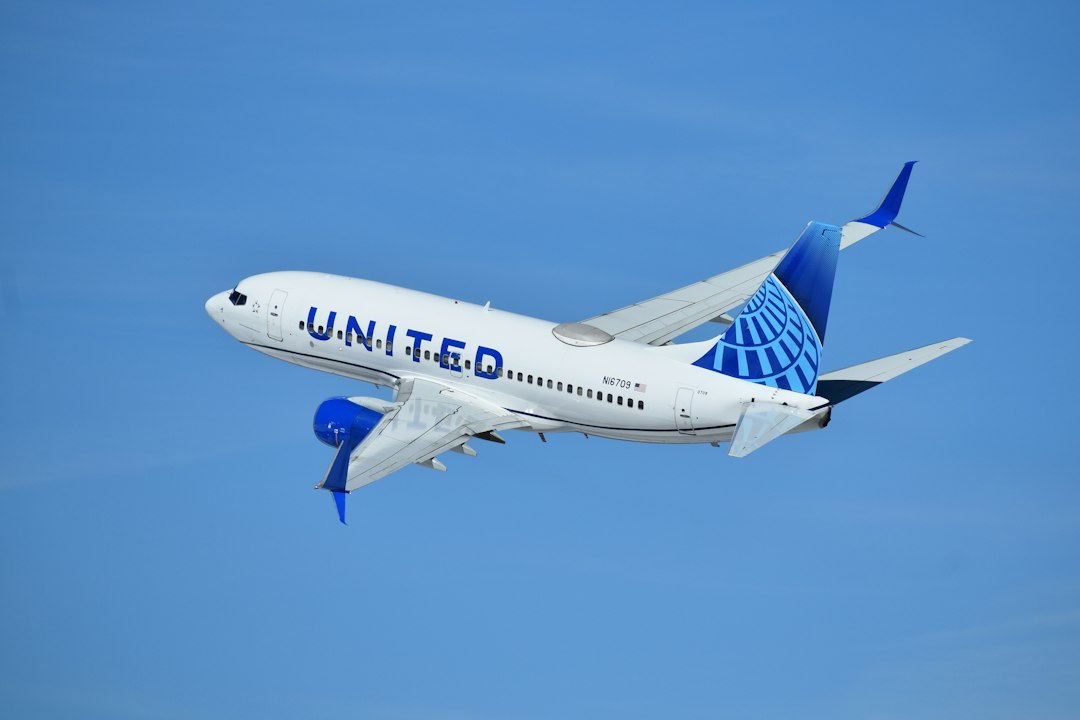
I’ve been tracking how United is remapping the Pacific, and honestly, the speed at which they’re turning Tokyo Narita into a powerhouse hub is something to watch. It’s not just about adding a few more flights; they’re building a deliberate, high-efficiency web that bypasses the headaches we’ve all dealt with at our usual coastal U.S. gateways. By plugging spots like Cebu, Palau, and even Ulaanbaatar into the Narita funnel, they’re creating a seamless flow that makes once-remote destinations feel surprisingly accessible. I’m particularly impressed by how they’re using their partnership with ANA to lean into the maintenance and slot advantages at Narita, which is a much smarter play than fighting for space at more crowded airports.
Think about it this way: when you add new winter routes connecting Japan to places like Jakarta, Kuala Lumpur, and the northern hub of Sapporo, you aren't just expanding a map—you're creating a logistical machine that actually works. They’re even moving into Kaohsiung, Taiwan, to tighten their grip on regional density. It’s a calculated move that seems to prioritize performance metrics over simple growth for the sake of growth. Every segment is being optimized for those high-altitude wind patterns that keep us arriving on time, which tells me they’re really sweating the small stuff to make this network resilient.
We’re essentially looking at a system that should be hitting its full stride by 2028, and it’s a massive upgrade from the fragmented options we’ve had to deal with for years. If you’re a frequent flyer, this shift means your ability to move across Asia without getting trapped in a long-haul bottleneck is finally getting better. They’re scaling cargo operations right alongside passenger service to make every flight carry its own weight, which keeps the whole operation sustainable. Honestly, it’s refreshing to see a long-term strategy that feels like it was designed with the actual passenger experience in mind rather than just corporate optics. Let's see if the rest of the industry tries to match this level of connectivity, but for now, it's a clear win for anyone looking to bridge the gap across the Pacific.
A Competitive Shift: New Regional Services from PAL and Hong Kong Airlines
When you look at the current state of Pacific aviation, it’s impossible to ignore how much the ground is shifting under our feet. Philippine Airlines (PAL) has really made a statement lately, clinching the title of the most punctual carrier in the Asia-Pacific region. Honestly, that’s a massive pivot for them as they intentionally step away from the budget carrier model to sharpen their focus on full-service, high-margin international routes. It feels like they’re finally finding their rhythm, especially with major moves like the launch of their Manila to Seattle service, which is a smart play to bypass the usual congestion at primary North American gateways.
But they aren’t doing this in a vacuum; All Nippon Airways is playing a deeper game by keeping a financial stake in PAL, which really helps anchor that regional connectivity. Meanwhile, Hong Kong Airlines is scrambling to recalibrate its own footprint because it’s feeling the heat from all this extra capacity flooding the market. I’ve noticed a lot of these carriers moving toward hybrid business models now, which is a clever way to keep that premium service alive while squeezing every bit of efficiency out of their flight slots. It’s essentially a high-stakes balancing act where frequency and punctuality are starting to matter way more than just stuffing seats.
If you’re wondering why this matters for your next trip, just consider that these new service patterns are being optimized for high-altitude wind efficiency to cut down on fuel burn. It’s that kind of behind-the-scenes engineering that keeps your flight on time and keeps costs from spiraling. All this competition is clearly pushing airports in the Philippines to dump serious capital into infrastructure, which is exactly what’s needed to handle the volume. We’re watching these regional hubs transform from sleepy stops into vital cogs of a much bigger transpacific machine, and for those of us flying through, it means fewer headaches and a lot more reliability.
Booking Strategies: Award Seat Availability and MileagePlus Tips
If you're eyeing that return to Saipan, navigating the intricacies of United’s MileagePlus system is honestly a game of knowing where the data hides. The Excursionist Perk is your best friend here, as it lets you fold that Saipan-Tokyo hop into a larger, multi-city itinerary without bumping your total mileage cost, provided you start and end in the same region. Just remember that United’s dynamic pricing links your mileage cost directly to cash fares, so don't be surprised if the price feels like a moving target. If the sticker shock on United’s site hits, pivoting to partner programs like Air Canada Aeroplan or Avianca LifeMiles is often the smarter play. These partners frequently stick to fixed-rate charts, meaning a flight that costs 30,000 miles on United might set you back only 12,500 elsewhere, which is a massive difference when you're planning a trip for the whole family.
When you're digging for actual award space, you have to look past the standard search results and get comfortable with specific fare codes. "X" and "I" buckets are the golden tickets for Saver Economy and Business, but they aren't always front and center. If you’re a Premier Platinum member or higher, enabling Expert Mode in your profile is a must—it exposes "IN" class space, which gives you a distinct edge by showing inventory that’s completely invisible to everyone else. And don't let a "sold out" notice discourage you, as revenue management algorithms often dump unsold inventory into those award buckets within that 14-day window before departure. It takes a little patience, but that’s usually when the best seats finally surface.
One thing that drives me crazy is the "phantom" availability issue, where a seat looks bookable on one site but vanishes the second you try to pay. To avoid that headache, I always cross-verify my findings through a secondary partner site like ANA or Singapore Airlines; if they don't see it, it’s not really there. For those aiming to fly upfront, the Plan B waitlist is a solid fallback, where you book an economy award and pay the business fare upfront to hold your spot, knowing you’ll get the mileage difference back if the upgrade doesn't clear. Also, keep an eye on your connection times at Narita, as the system is unforgiving if you’re even one minute under the 60-minute minimum transfer window. It’s a technical detail, sure, but it’s the difference between a confirmed ticket and a search error that makes you think a route is impossible.
Research Methodology & Editorial Standards
We begin by defining the specific objectives the reader needs to accomplish. Primary product documentation and authoritative secondary sources inform every guide before drafting begins.
Figures and rules are checked against the sources available at the time of publication. Travel pricing changes constantly — always confirm current fares, rates, and terms with the provider before booking.