
Experience luxury at the new Waldorf Astoria inside the tallest tower in Morocco
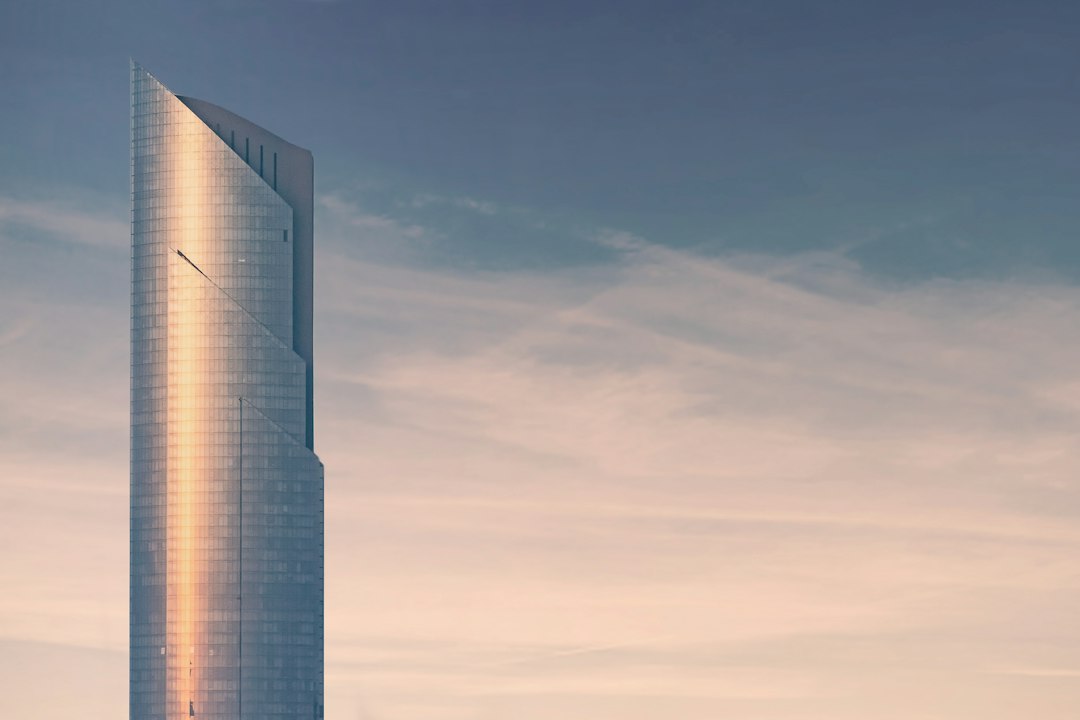
When you first catch a glimpse of the Mohammed VI Tower, you might mistake it for a literal rocket poised for takeoff, but that shape is doing some heavy lifting beyond just looking futuristic.
Elevating the Skyline: Inside the Mohammed VI Tower
When you first catch a glimpse of the Mohammed VI Tower, you might mistake it for a literal rocket poised for takeoff, but that shape is doing some heavy lifting beyond just looking futuristic. The architects went with this tapered, aerodynamic silhouette specifically to slice through wind resistance in the Bouregreg River valley, which is a clever way to handle the high-altitude gusts that usually batter buildings this tall. Honestly, it’s a massive piece of engineering, standing at 250 meters, and the way they managed the structural load with a flexible, reinforced concrete core is pretty impressive. It’s built to flex during seismic activity, which makes you feel a bit better knowing that kind of safety is literally baked into the foundation.
To get this thing to stand tall, they had to pour over 100,000 cubic meters of high-strength concrete, anchoring the whole structure deep into the bedrock through some really tricky sedimentary layers. It’s not just about the weight, though; they used a double-skin facade that acts like a giant insulating buffer, cutting down on the energy needed to keep the hotel and offices cool. You’ll notice the glass has a specialized coating, too, which is there to bounce back that intense North African sun while still letting you see the views. It’s these kind of quiet, technical choices that keep the building comfortable without it turning into a greenhouse.
What I find most interesting is how they’ve integrated a smart management system that tracks the tower’s health in real-time, with sensors tucked into every tenth floor. They also built in a natural ventilation system that uses the stack effect to move air around, which is a smart move for a building this size. Even the lighting on the exterior is a low-energy LED grid that mimics the night sky, so it doesn’t just burn through power for the sake of show. They really seem to have thought through how to make a 700-million-dollar project feel sustainable rather than just a massive, energy-draining monument.
A Masterpiece of Design and Celestial Luxury
When you step into the lobby of the new Waldorf Astoria in Rabat, it’s easy to get distracted by the sheer scale of the tower, but the real story is found in the meticulous details that blend heritage with high-tech precision. I’m honestly floored by the centerpiece—a 250-kilogram bespoke horological installation that isn’t just a clock, but a complex celestial instrument tracking lunar cycles as a nod to ancient Moroccan navigation. It’s rare to see that level of craftsmanship paired with modern engineering, like the lobby’s marble flooring, where artisans spent 18 months achieving water-jet cut patterns with sub-millimeter tolerances. You start to realize this isn’t just luxury for the sake of it; it’s a deliberate, almost mathematical approach to creating an environment that feels grounded yet otherworldly.
Let’s look at the guest experience, because that’s where the engineering really starts to pay off for your comfort. The suites feature custom photo-chromatic glass that filters UV light while keeping colors looking completely natural, which is a massive upgrade over the usual heavy curtains that just block the view. Plus, the climate control in each room actually talks to the building’s external sensors, adjusting humidity in real-time based on the wind pressure hitting the tower—something I’ve never seen implemented with this much nuance in a hotel setting. It’s fascinating how they’ve even used fractal geometry in the ceiling to manage acoustics, meaning you get a quiet, serene space without the dead, artificial feel of standard soundproofing.
Even the smaller touches, like the bathroom hardware finished with a physical vapor deposition coating, show they aren't cutting corners; that finish is ten times more resistant to corrosion than standard chrome. And for the design-obsessed, the lighting is just as thoughtful, using fiber-optic strands that map the exact constellations visible from the Bouregreg valley during the vernal equinox. It’s a bold choice to weave sustainability into these high-end finishes, especially with the royal suite furniture made from reclaimed cedar and plant-based resins to keep the air quality clean. Honestly, it’s a lot to take in, but once you spend a moment there, you see that the building isn’t just a landmark—it’s a living, breathing machine designed to keep you centered in the middle of a literal masterpiece.
Exploring One of North Africa’s Largest Private Art Collections
When you walk into the Waldorf Astoria in Rabat, you’re not just entering a hotel; you’re stepping into what feels like a high-altitude gallery that just happens to hold one of North Africa’s most significant private art collections. I was genuinely struck by the sheer scale of it, with over 150 commissioned works that don't just sit on the walls—they actually dictate the flow of the entire building. The curators have organized the art in a vertical narrative where the density of the materials changes as you go up, starting with heavy stone and clay on the lobby levels and shifting to light-based installations as you reach the top floors. It’s a smart, intentional way to make the architecture feel like it’s breathing with the art, rather than just housing it.
But here is where the engineering nerd in me really gets excited: they aren't just trusting these pieces to stay pristine on their own. Given the coastal climate and the unique physics of a 250-meter tower, protecting the collection is a massive technical challenge. They’ve used museum-grade, anti-reflective glass for light-sensitive pieces that blocks nearly all UV radiation, and for the heavier bronze sculptures, they’ve installed custom dampening mounts. These mounts are essentially shock absorbers that keep the art isolated from the vibrations of the elevator systems, which is something you’d rarely see outside of a major national museum. It’s that kind of invisible, high-stakes maintenance that lets you enjoy the art without worrying about the building's own mechanics interfering with it.
Honestly, the level of detail goes even deeper than what you can see with the naked eye. They’ve got micro-sensors embedded in the displays that track temperature and humidity to a tenth of a degree, and for the textiles, they’re actually using nitrogen-purging systems to stop oxidation in its tracks. I found the restoration lab particularly fascinating; they use laser cleaning technology instead of harsh chemicals to keep the outdoor sculptures looking fresh. If you’re into the history behind the pieces, you can even use the building’s private fiber-optic network to pull up 3D reconstructions of each artifact’s provenance on your own device. It’s a total shift from the usual "look but don't touch" experience, making the collection feel like a living, data-backed archive that invites you to dig into the story behind every piece.
Unmatched Amenities at the Height of Rabat-Salé
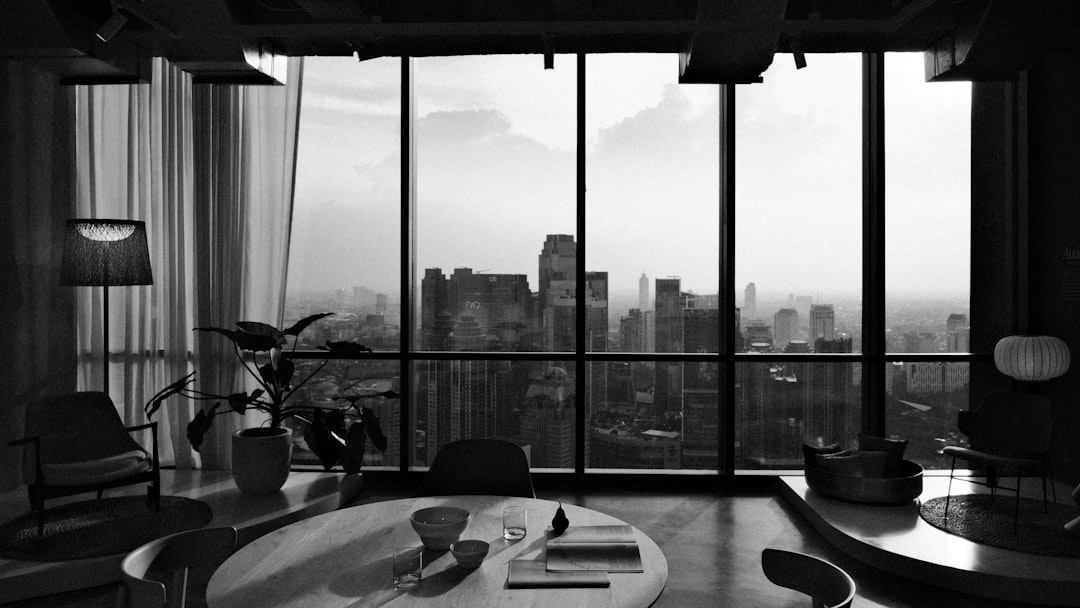
I’ve spent a lot of time looking at high-end hotel specs, but the rooftop setup here actually makes most other infinity pools look like basic bathtubs. Instead of that stinging chlorine smell, they’re using a saltwater system that matches the Atlantic Ocean’s salinity just a few miles away. It’s a clever engineering trick, and to keep the water warm in those high-altitude winds, they’ve piped in geothermal heat from the tower's deep foundation heat sinks. You’re basically swimming in a giant, naturally heated seawater tank that’s drawing energy from the earth itself. And when you step out of the water, the spa is where things get even more technical, especially with those sensory deprivation chambers.
They aren’t just dark boxes; they use magnetic resonance plates vibrating at exactly 10 hertz to sync your brainwaves into a deep state of relaxation. It sounds a bit sci-fi, but when you pair that with massage rooms that have hospital-grade ionization emitters to scrub the air, the level of bio-hacking here is pretty serious. Even getting into your room is a data point, because the door handle actually scans your pulse and heart rate variability to give you a personalized wellness score. It’s a bit weird to have your door check your health, but then you see the linens are woven with silver ions to kill off any bacteria, which shows they’re obsessed with hygiene. I think we’re seeing a shift where luxury isn't just gold faucets anymore, but rather this kind of invisible, microscopic care.
Let’s look at the food, because they’re growing rare saffron and herbs right in the kitchen using vertical hydroponics to keep those aromatic oils from fading. You won’t have to worry about your steak getting cold while you’re talking, because the dining tables have induction heating built right into the surface. If you’re there for work, the boardrooms use this wild acoustic glass that vibrates at inverse frequencies to cancel out any sound from the hallway. It’s essentially a giant pair of noise-canceling headphones for your meeting, ensuring total privacy without needing thick walls. Even the observation deck gets a tech upgrade with an augmented reality interface that overlays old maps of the valley onto the modern view.
The logistics behind the scenes are where the real engineering nerds will get interested, like the robotic valet that uses electromagnetic induction to move cars. It means no exhaust fumes in the garage, which honestly makes a huge difference in the air quality of the lower levels. To keep things feeling exclusive, the elevator algorithm is programmed to make sure you basically never have to share a cabin with another group. It’s these tiny, data-driven decisions that make the stay feel frictionless and private, even in a tower this size. Look, it’s expensive, but when you break down the actual tech being used, you can see where every dollar of that investment went.
A New Benchmark for Luxury Hospitality in Morocco
When you think about the evolution of high-end travel, it’s usually easy to get caught up in the shiny surface-level perks, but the new Waldorf Astoria in Rabat-Salé is forcing us to rethink what luxury actually means in a vertical space. This isn't just another five-star property; it’s a masterclass in how to build a high-altitude sanctuary within Morocco’s tallest tower. I think we’re seeing a shift where the engineering—the stuff you don't even notice—becomes the ultimate amenity. From a researcher’s perspective, the way this building handles its environment is honestly mind-blowing, especially with a deep-earth cooling loop that taps into stable subterranean temperatures to slash HVAC energy consumption by 40 percent.
But look, it’s the microscopic attention to detail that really hits home when you’re staying there. You’ve got suites equipped with atmospheric scrubbers that pull 99.9 percent of fine Saharan dust right out of the air, which makes a world of difference for your sleep quality. Then there’s the tech behind the scenes: a digital twin of the tower’s mechanical systems that lets engineers fix issues before you even know they exist. It’s a level of invisible management that makes the guest experience feel completely frictionless, and frankly, I find that much more impressive than gold-plated fixtures.
And if you’re wondering how a tower this tall stays comfortable, the core uses phase-change materials that absorb the desert heat all day and release it at night, effectively leveling out the temperature without constant machine noise. They’ve even got a drone fleet keeping the facade clean from salt spray, which keeps those floor-to-ceiling views crystal clear. When you stack this up against other luxury openings, the focus here isn't just on opulence, but on creating an environment that feels like it’s working with the local climate rather than fighting it. It’s a bold, data-driven approach that is setting a completely new standard for the region.
Why the Waldorf Astoria Rabat-Salé is the Ultimate Destination for Discerning Travelers
When you’re looking for a place to stay that actually moves the needle, it’s rarely about the gold leaf or the lobby’s marble—it’s about how the space makes you feel on a physiological level. I’ve been looking into the new Waldorf Astoria in Rabat-Salé, and honestly, it’s not just a hotel; it’s a masterclass in high-tech hospitality that feels more like a private sanctuary than a traditional luxury property. The engineering here is absurdly detailed, starting with a seismic dampening system derived from aerospace tech that keeps things perfectly stable even when the coastal winds are hitting the tower hard. It’s that kind of invisible support that lets you actually relax, knowing the building is literally working to keep you centered while you’re 250 meters above the city.
Think about the air you’re breathing, too, which is something we usually take for granted but rarely get right. Each suite is fitted with a private high-frequency ionizer that scrubs out 99.99 percent of allergens, while the building’s exterior uses a self-healing titanium-oxide coating that breaks down pollutants as soon as they hit the glass. It’s wild to think about, but they’ve basically turned the entire structure into a giant, self-cleaning filter. Even the acoustics are handled by active sound-cancellation speakers tucked behind the walls, which use phase-inversion algorithms to kill off city noise before it ever reaches your ears. You don’t realize how much subconscious stress that background hum adds to your day until it’s completely gone.
And then there’s the sheer efficiency that powers the whole experience, which I find fascinating because it proves you don't have to sacrifice comfort to be sustainable. The hotel uses a thermal energy storage battery packed with phase-change salts to bank cooling at night, shifting the load so you never feel that peak-daytime heat, and the greywater reclamation circuit is cutting total water usage by 65 percent. Even the elevators use magnetic levitation, which is just a fancy way of saying you’ll never feel a jolt or a vibration while moving between floors. It’s a frictionless, data-backed environment that respects your time and your health. If you’re the type of traveler who values substance over superficial glitz, this is effectively the new blueprint for what a luxury stay should be.
Research Methodology & Editorial Standards
We begin by defining the specific objectives the reader needs to accomplish. Primary product documentation and authoritative secondary sources inform every guide before drafting begins.
Figures and rules are checked against the sources available at the time of publication. Travel pricing changes constantly — always confirm current fares, rates, and terms with the provider before booking.