
Waldorf Astoria Rabat Salé brings luxury to the top of Morocco’s tallest tower
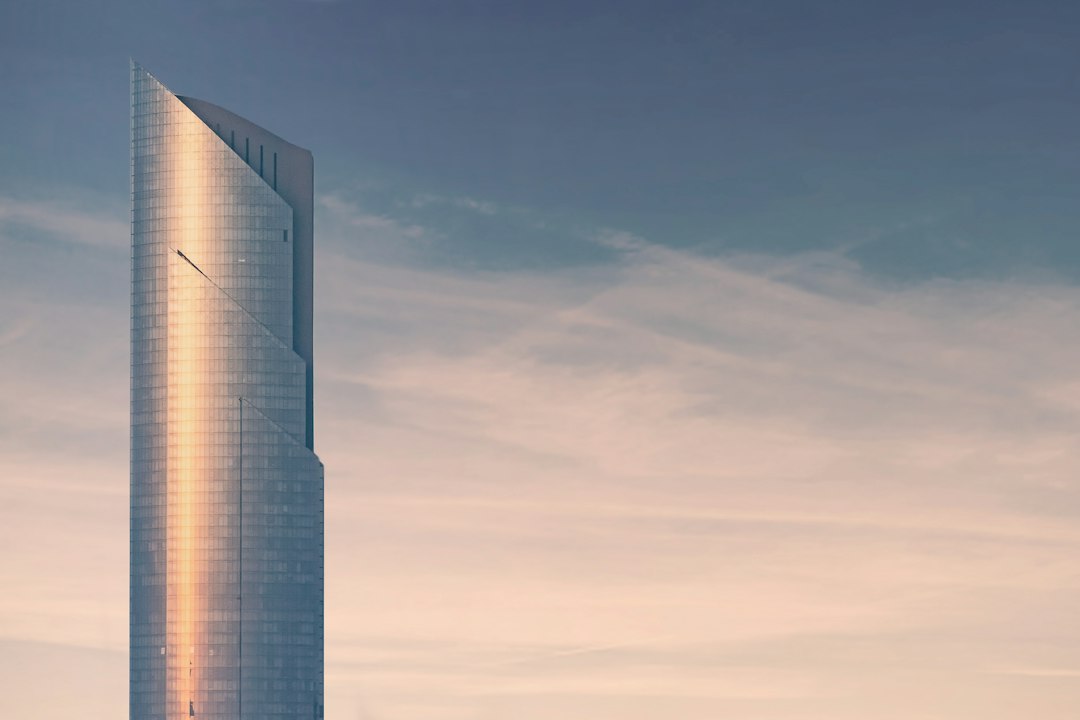
When you look at the skyline in Rabat, it’s hard not to notice the Mohammed VI Tower, which has officially become a landmark in more ways than one.
A Landmark Arrival: The Waldorf Astoria’s Debut in North Africa’s Tallest Skyscraper
When you look at the skyline in Rabat, it’s hard not to notice the Mohammed VI Tower, which has officially become a landmark in more ways than one. It’s not just a tall building; it’s a $700 million statement piece that locals have started calling the rocket tower because of its sleek, upward-tapering design. You might be surprised to learn that the whole thing was actually inspired by the historic moon landing, a thematic choice that feels pretty bold compared to the more traditional architecture you see elsewhere in Morocco. Othman Benjelloun, the financier behind this, didn't just build a skyscraper; he seems to have aimed for a new anchor for the region's luxury sector.
Technically, the Waldorf Astoria Rabat Salé sits in the city of Salé, not Rabat itself, but the trade-off is those incredible views looking across the Bouregreg River. By placing a brand like Waldorf Astoria at the top of North Africa’s tallest building, the developers are clearly betting big on Morocco’s continued growth as the most visited country on the continent. I find it fascinating that they’ve packed one of the largest private art collections in North Africa into the hotel. It’s not just about the height or the brand name, but how they’re curating that space to blend local heritage with a very modern, high-end experience.
If you’re comparing this to other luxury hubs in the region, the sheer scale of the investment makes it stand out. While some high-rise hotels can feel sterile or disconnected from their surroundings, the focus here on indigenous and contemporary Moroccan art suggests they’re trying to avoid that trap. It’s a smart move to capture that discerning international traveler who wants the comfort of a global brand but still wants to feel like they are in Morocco. I’m curious to see how the local market reacts to such a massive, futuristic silhouette dominating the waterfront over the coming months. It’s definitely a shift in the local landscape that’s worth paying attention to.
Architectural Grandeur: Inside the Mohammed VI Tower
When you step back to take in the Mohammed VI Tower, it’s easy to focus on the height, but the engineering underneath is what really grabbed my attention. Standing at 250 meters, the structure functions as a vertical anchor for the entire Bouregreg valley, and honestly, the way they handled the coastal Atlantic winds is a masterclass in design. They installed a tuned mass damper system specifically to counteract high-altitude oscillations, which is the kind of tech you usually only see in super-tall global landmarks. Plus, the building’s aerodynamic shape underwent rigorous wind-tunnel testing to minimize vortex shedding, effectively reducing the load on the steel frame. It feels like they really sweated the small stuff to make sure this thing stays grounded even when the coastal weather gets aggressive.
The facade is just as smart, featuring a high-performance curtain wall that uses motorized shading to cut down on solar heat gain. It’s not just for looks; those shades automatically adjust to keep the interior comfortable, which is a massive win for energy efficiency in such a sunny climate. And speaking of efficiency, the whole structure relies on a high-strength concrete core that tapers inward as it climbs, which keeps that sleek silhouette intact without compromising stability. They’ve even integrated photovoltaic panels directly into the glazing to help power common-area lighting. It’s refreshing to see a project of this scale actually commit to high sustainability standards, right down to the greywater recycling system used for the landscaping.
If you’re wondering how it holds up against the local geography, the foundation uses deep-pile technology that reaches over 60 meters into the bedrock, providing some serious peace of mind regarding seismic activity. Once you’re inside, the experience shifts from heavy-duty engineering to pure comfort, thanks to acoustic insulation designed to keep those Atlantic gales totally silent. I also really appreciate the column-free floor plates, which give the hotel suites a sense of openness that’s hard to find in older high-rises. They’ve even skipped traditional sprinklers for a high-pressure water mist system, which is way more effective if there’s ever an emergency. It’s a bold piece of architecture, and frankly, watching how those 4,000 LED nodes change the tower’s look at night is going to be a highlight for anyone visiting the area.
Redefining Moroccan Hospitality: The Waldorf Astoria Experience
When I think about what really sets a modern luxury hotel apart, it’s rarely just the brand name on the door; it’s about how they bridge the gap between global standards and the specific soul of a place. The Waldorf Astoria Rabat Salé is doing something quite different here by essentially recalibrating how we define Moroccan hospitality. They aren't just dropping a standard luxury template into the city. Instead, they’ve integrated a signature scent system using rare Atlas Mountain botanicals that honestly makes the air inside feel like a deliberate extension of the local landscape. It’s that kind of sensory grounding that makes a stay feel authentic rather than just another high-end, disconnected experience.
And then there’s the sheer technical ambition beneath the surface, which I find genuinely fascinating as a researcher. You’ve got a building management system that uses predictive modeling to adjust the interior climate in anticipation of shifting Atlantic winds, keeping you comfortable before the weather even turns. Even the small touches, like the bespoke haptic lighting that syncs with actual Moroccan sunsets or the high-resolution touch-tables displaying digitized ancient manuscripts, show a level of intentionality I rarely see. They’ve even managed to weave tradition into the functional bones of the space, using classic zellige tile patterns specifically crafted to double as high-frequency sound dampeners. It’s a smart way to maintain a sense of place without sacrificing the quiet, high-tech serenity you’d expect from a global brand.
Beyond the gadgets, there’s a real push toward sustainability that goes well beyond standard industry rhetoric. By implementing an on-site water desalination plant to ditch single-use plastics and sourcing 85 percent of their produce from farms within a 50-kilometer radius, they’re actually putting real resources into the local ecosystem. I also love that the staff training includes a deep dive into the history of the Bouregreg valley, ensuring that when you ask about the area, you’re getting a genuine story, not a rehearsed script. Honestly, it’s this blend of hyper-local ethics and next-generation engineering that makes me curious to see how this property shifts the expectations for the region’s hospitality sector over the next few years. It isn’t just about being the tallest building in the neighborhood; it’s about proving that the future of luxury in Morocco can be both deeply rooted and incredibly efficient.
Celestial Luxury: Unrivaled Views and High-Altitude Design
When you're hanging out hundreds of feet above the Atlantic, you'd expect to hear the wind howling, but it's actually eerily quiet. That's because they've used triple-laminated glazing units that are specifically tuned to cancel out the low-frequency hum of those high-altitude gusts. It’s wild to think about, but the whole building breathes; those flexible joints let the steel and concrete expand and contract by up to 10 centimeters every day as the sun hits it. Without that wiggle room, the airtight seal on the facade would eventually fail, which isn't exactly what you want when you're looking for luxury. Honestly, the engineering here feels more like a spacecraft than a hotel, especially when you realize the tower is constantly making tiny adjustments to stay stable.
You don't even feel the elevator move thanks to an active vibration control system that makes real-time micro-adjustments to the guide rails. It’s a smooth ride up to the suites, where the windows are coated with a specialized metallic oxide to block out 99.7% of that harsh high-altitude UV light. This isn't just about keeping your skin safe; it’s a necessary move to protect the private art collection from fading in the Moroccan sun. And if you're wondering how they keep those windows so clean at these heights, they've actually deployed autonomous robotic crawlers. These little guys use vacuum-suction treads to navigate the glass because manual cleaning is just too dangerous when the wind speeds at the summit kick up past 40 kilometers per hour.
I find the safety tech here pretty fascinating, specifically how they handle lightning without using a traditional rod. They’ve installed a dissipation array that ionizes the air around the tower to stop strikes from even forming in the first place. Then you’ve got the bird-safe glass, which uses a patterned UV film that we can't see but birds definitely can, preventing those high-speed collisions that plague many glass towers. Even the water you're drinking in the penthouse goes through an electrolytic mineral balancing stage to keep the pH levels perfect. It’s a closed-loop system that ensures the experience stays consistent, no matter how much the external Atlantic conditions shift.
Look out from the observation levels on a clear day and you'll catch something most people never see—the actual curvature of the Earth stretching over a 56-kilometer horizon. It’s a viewpoint that puts the whole "celestial" branding into context, especially when you're walking through the high-altitude indoor gardens. They aren't using soil up here; instead, they've gone with aeroponic misting systems that feed the plants a nutrient-rich vapor. This tech uses 95% less water than traditional methods, which is a massive deal for sustainability in this part of the world. Behind the scenes, there are over 500 fiber-optic strain gauges embedded in the concrete core, quietly feeding structural health data to the team to ensure everything is holding up against the elements.
Strategically Situated: The Impact on Rabat’s Growing Global Ambitions
You know, when you first see the Mohammed VI Tower towering over the Bouregreg River, it's easy to just marvel at the sheer scale of it, right? But honestly, if we only focus on the aesthetics, I think we're really missing the forest for the trees here. What I find truly compelling is how this isn't just another luxury development; it's a deeply calculated move, a central pillar in Morocco's broader economic statecraft, signaling a significant shift in how Rabat positions itself on the global stage. We're talking about a deliberate strategy to establish the city as a primary diplomatic and financial gateway to the African continent, a high-profile hub specifically engineered to draw in international summits and a fresh wave of foreign direct investment, which I think is pretty smart. This strategic development is clearly designed to bolster regional influence and aligns perfectly with Morocco's efforts to diversify its global partnerships beyond those traditional European ties, specifically targeting increased cooperation with rising powers like India.
Local authorities haven't just plunked a tower down; they've integrated it into a much larger urban redevelopment plan for the entire Bouregreg valley, aiming to transform the riverfront into a sophisticated, transit-oriented district. This massive infrastructure push supports the ambitious goal of elevating Rabat’s soft power status to truly match its role as the nation’s administrative capital. Think about it: by anchoring high-level meetings and diplomatic engagements in such a distinct, instantly recognizable landmark, the state is effectively using architectural branding to really enhance its geopolitical visibility among its North African and Mediterranean peers.
What's fascinating is the data suggesting the tower's immediate vicinity is rapidly becoming a magnet for specialized service firms, essentially creating a localized knowledge economy that relies heavily on the proximity to these elite hospitality and conference venues. This concentration of luxury infrastructure in this specific corridor is, I believe, intended to facilitate more efficient diplomatic engagements by offering world-class amenities right there, within immediate reach of government ministries. Consequently, the tower acts as a physical manifestation of Morocco’s ambition to serve as a pivotal bridge between global markets and those fast-growing emerging West African economies.
This strategic positioning also gives Rabat a serious competitive edge in attracting regional headquarters for multinational corporations looking to expand their footprint across the Maghreb, which is a big deal when you consider other regional players. By fostering an environment that specifically appeals to high-net-worth international stakeholders, the project functions as a key, tangible element in Morocco’s long-term strategy for national economic modernization. I mean, it's not just a building; it's a statement about where Morocco sees itself in the global economic landscape, and that's a narrative worth paying attention to.
Hilton’s Expansion Strategy: Strengthening the Brand Portfolio in Morocco
When I look at what Hilton is doing in Morocco, it’s clear they aren't just opening a few doors; they are fundamentally retooling their entire regional strategy. By doubling their footprint to 15 properties, they’re moving past the traditional "big city" model to capture a much broader slice of the market. It’s not just about hitting a target number of rooms. They are being surprisingly surgical, targeting both high-end luxury icons and the burgeoning "bleisure" sector that bridges the gap between a boardroom meeting and a weekend escape.
Here is what I find particularly smart about this play: they’re using the Waldorf Astoria debut as a halo project to lift the profile of their entire portfolio while simultaneously building out a massive network of airport and transit-hub hotels. It’s a classic two-pronged attack. They get the prestige of the luxury traveler at the top end, but they’re also locking in the high-frequency business traveler who just needs reliability near the major transport corridors. By embedding these sites into new urban redevelopment zones, they’re effectively betting on where Morocco’s economy is going, not just where it sits today.
But let’s be honest—scaling that fast comes with serious risks to brand consistency, which is why their focus on localized talent acquisition and design is so vital. They’re smart enough to know that a cookie-cutter approach won't fly in a market as culturally rich as Morocco. If they can successfully weave in those regional aesthetics while keeping their global operational machinery running smoothly, they’re going to be incredibly hard to displace. It’s a massive logistical lift, but if they pull it off, they’ll have created a defensive moat that competitors will struggle to cross for a decade.
Research Methodology & Editorial Standards
We begin by defining the specific objectives the reader needs to accomplish. Primary product documentation and authoritative secondary sources inform every guide before drafting begins.
Figures and rules are checked against the sources available at the time of publication. Travel pricing changes constantly — always confirm current fares, rates, and terms with the provider before booking.