
How to avoid paying higher checked bag fees on major airlines
If you’ve been feeling the sting of higher airfares lately, you’re definitely not alone.
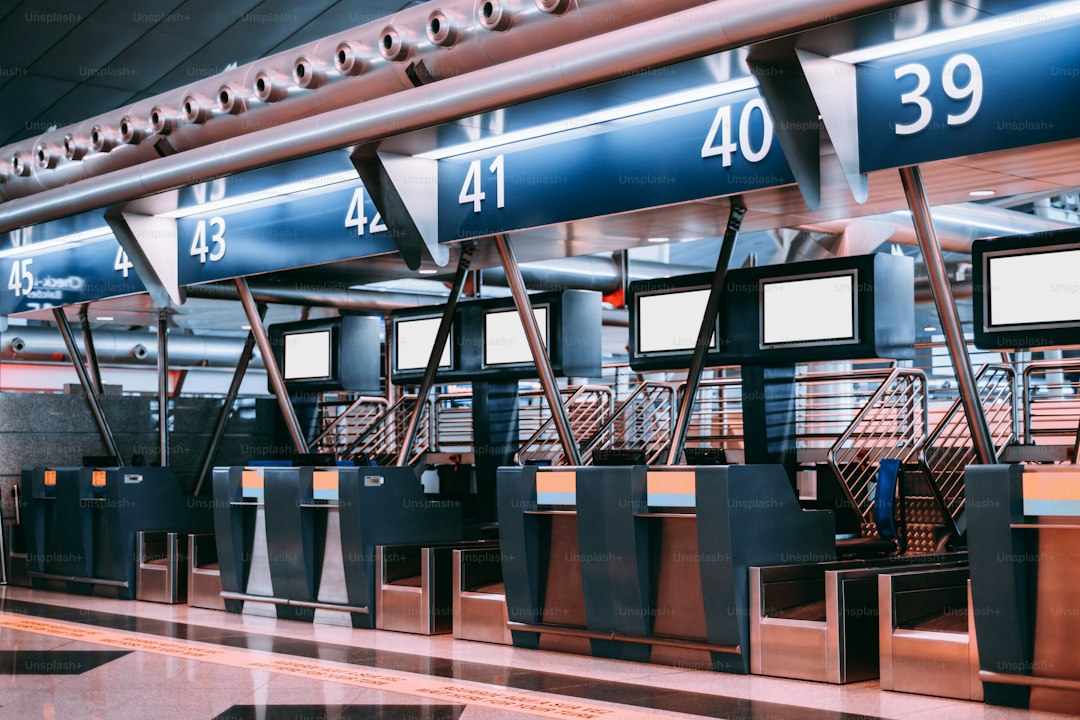
Understand the Rising Cost and Why Airlines Charge More
If you’ve been feeling the sting of higher airfares lately, you’re definitely not alone. It’s easy to look at a ticket price and assume it’s just the airline trying to pad their margins, but the reality is a lot more complex once you pull back the curtain. Let’s pause for a moment and reflect on what’s actually happening behind the scenes. Jet fuel is the single biggest expense for any carrier, often eating up to 40% of their total budget, so when global events like the war in Iran or simple market speculation hit, your ticket price reacts almost instantly. It’s a direct chain reaction; when crude oil moves, airlines adjust their pricing to keep their balance sheets in check.
But it isn’t just about fuel, because we’re also seeing a massive uptick in operational costs across the board. Airlines are dealing with everything from rising labor wages and the cost of maintenance parts to the expensive, necessary upgrades in security and touchless technology. On top of that, you’ve got those hidden government charges—like the Passenger Movement Charge—that get bundled into your total without you even realizing it. These are often flat, mandatory fees that climb due to budget adjustments, and they’re completely outside of the airline’s control. Even when you find a flight that seems reasonably priced, you’re essentially helping to subsidize the infrastructure investments that airports and air traffic control organizations are currently forced to pass down.
And then there’s the way airlines manage the seats themselves. It’s a game of supply and demand that’s become incredibly precise thanks to sophisticated algorithms. If they decide to pull a route or run a smaller plane to save on costs, that reduction in capacity creates a tighter market, which naturally pushes up the price of every remaining seat. We’re also seeing the slow rollout of carbon taxes and mandatory offset schemes, which add yet another layer of non-transparent costs that inevitably find their way into your final total. It’s a messy, expensive ecosystem, but understanding these moving parts is the best way to stop feeling like the victim of a random price hike and start seeing the logic—however frustrating—behind those numbers on your screen.
Leverage Airline-Branded Credit Cards for Free Checked Bags
You know that moment when you get to the airport counter, luggage in hand, and that sinking feeling hits as they ask for another $35 or $40 just to check a bag? Honestly, it's one of the most frustrating hidden costs of travel, especially when you're trying to stick to a budget. But here’s what I’ve seen, and it’s a game-changer for so many: airline-branded credit cards are far and away the most reliable, and frankly, easiest, way to sidestep those pesky checked bag fees. What’s really compelling is that this perk usually extends beyond just you, often covering a significant number of companions—we’re talking typically up to eight additional passengers traveling on the same reservation, which is a massive saving for families or groups. And get this: you don't even necessarily have to use the specific airline card to pay for the flight itself; the key is simply having that card linked to your frequent flyer account, which then automatically triggers the waiver in the system.
This isn’t just some minor loophole, either. Think about it this way: the benefit often remains active even if you’ve redeemed airline miles for your ticket, provided your loyalty number is attached to the booking, which really maximizes your points strategy. We’ve also seen a pretty interesting shift, with some low-cost carriers now updating their policies to grant free checked bags as a direct credit cardholder perk, moving beyond the traditional legacy airline model—this is a significant market adjustment. Plus, certain premium airline credit cards even extend this benefit to basic economy fares, effectively neutralizing one of the biggest pain points of those cheapest tickets. However, it's crucial to remember that this perk usually applies only to domestic flights; most international routes typically require higher-tier status or a business-class booking, regardless of what card you hold.
Because airline systems talk to their reservation databases in real time, you'll often see that baggage fee instantly drop to zero as soon as you punch in your frequent flyer number during checkout, which is a nice relief. And speaking of families, some airlines actually allow you to share this benefit across multiple credit cards linked to the same household, provided those cards are part of a unified loyalty program, making it super flexible. Just a heads-up though, there can sometimes be a grace period of a few weeks after opening a new airline card where the baggage benefit might not show up in your account profile, so a quick call to customer service to manually link things can save you a headache later. Oh, and please, always double-check whether your card specifically covers overweight or oversized bags, because most standard credit card waivers are strictly for standard-sized checked luggage. Finally, don't forget this free bag perk is a contractual benefit of your credit card agreement, meaning if the airline's automated system ever fails to recognize your status at the airport kiosk, you can often claim that fee back as a statement credit—it's not just a courtesy, it's a right.
Utilize Elite Status and Airline Loyalty Programs
Beyond the simple credit card perks, climbing the ranks of airline loyalty programs opens up a much more sophisticated layer of baggage benefits that can genuinely change how you travel. Once you achieve even mid-tier elite status, you’ll often find that your allowance isn't just a single bag but a secondary, stacked limit that can sometimes grant you up to four free checked items depending on the carrier. What’s really smart is how these systems operate; they typically use an internal algorithm to scan your reservation, identify the highest status level among everyone in your group, and then automatically apply that generous baggage limit to every companion on the same itinerary. This is a massive win for families or group trips, as it effectively extends your status benefits to people who might otherwise be footing the bill for their own luggage.
Another thing I’ve noticed is that these perks don't stop at your own airline's metal because elite status is usually recognized across entire global alliances. If you’re flying on a partner carrier that isn't your primary airline, that status-linked waiver often travels with you, which is a detail that frequently gets overlooked by casual flyers. Beyond just the fee waiver, top-tier levels often include specific exemptions for oversized items like sports equipment, which usually cost a small fortune to check. I’ve personally found that the peace of mind here comes from the fact that these waivers are tied directly to your loyalty account ID, meaning it doesn't matter how you pay for the ticket—the system just knows you’ve earned the exemption.
And let’s talk about the operational side, because it’s not just about saving money; it’s about how your bags are handled once they disappear behind the check-in desk. Elite members almost always benefit from priority baggage protocols where your bags are marked with specific tags to ensure they hit the carousel first, which is a lifesaver when you’re trying to catch a train or a ride at your destination. Some airlines have even moved to biometric or RFID-enabled systems that recognize your status the moment you approach a kiosk, making the process almost entirely hands-off. If you’re a frequent traveler and you’re still paying for bags, you’re missing out on a clear structural advantage that these programs are designed to provide. If you ever hit a snag where the system doesn't recognize your status, just remember that the dedicated elite service lines have the authority to fix those errors in real-time, so don't hesitate to reach out.
Master the Art of Carry-On Only Travel
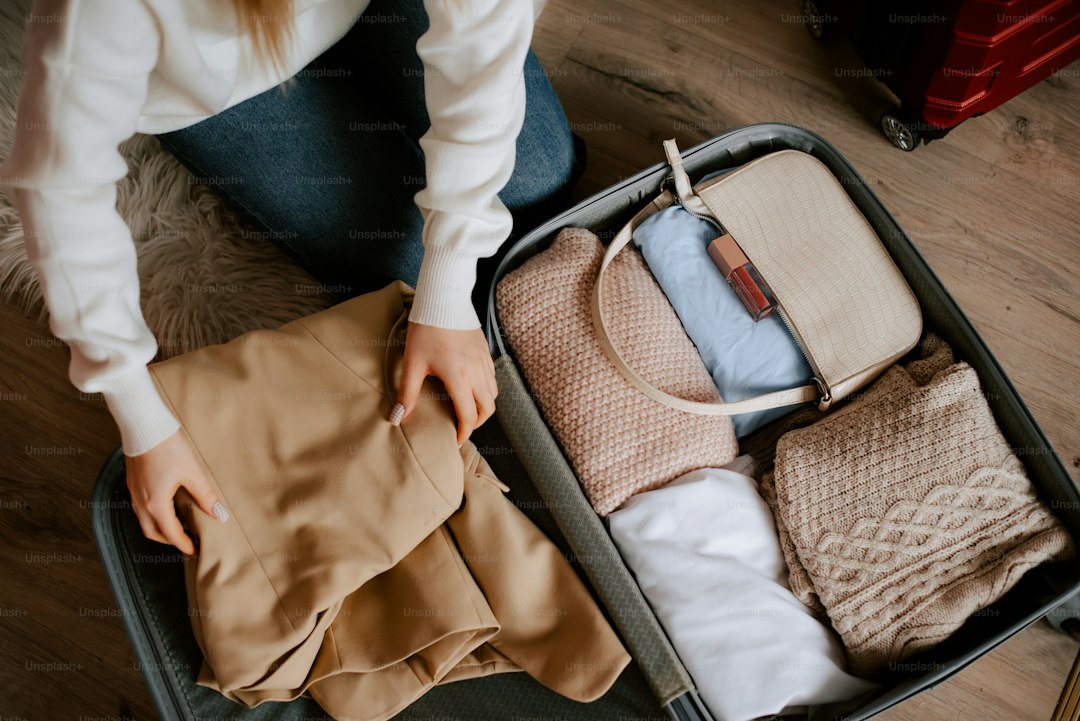
If you've ever stood at the gate watching a gate agent tag your bag for a forced check, you know that the "carry-on only" dream often dies the moment you hit the scale. It's frustrating to think you've optimized your load only to be hit with a surprise fee because of a hidden weight limit. Here is what I think: mastering this isn't about buying the most expensive gear, but about understanding the raw physics of your luggage. Using compression packing cubes can actually reduce the volume of your clothes by about 30 percent, and if you roll them instead of folding, you’re basically eliminating the air gaps that waste precious space. It sounds simple, but it changes everything about how your bag closes.
When you're dealing with international carriers that strictly enforce a 7-kilogram limit, every ounce matters. I’ve found that swapping a traditional ballistic nylon bag for a polycarbonate shell can save you over two pounds of dead weight, which is often the difference between clearing the scale and paying up. You should always wear your heaviest boots and thickest coat during boarding; it’s a standard move, but it effectively shifts the mass from the bag to your body where it doesn't count against those tight weight thresholds. And if you’re still carrying liquids in clunky plastic bottles, look into solid shampoo bars. They bypass the 3-1-1 rule entirely, meaning you don't have to worry about container volume or those annoying pressure-induced leaks that ruin your clothes.
Also, think about the hardware itself because the design choices matter more than you'd expect. While 360-degree spinner wheels are great for gliding through terminals, they often add an extra inch or two of height that can cause you to fail the fit test in an older bag sizer. I usually check my bag at home with a digital scale before I even leave for the airport, just to account for the slight variance between my equipment and the airline's gear. It’s also worth noting that choosing merino wool for your base layers is a smart move because the fabric naturally resists odor, letting you wear the same shirt for multiple days without it feeling gross. It’s really about building a system that works for you, rather than just throwing things in a bag and hoping for the best.
Pre-Pay for Bags Online to Avoid Airport Markups
Let’s talk about the most avoidable mistake in modern air travel: waiting until you’re standing at the check-in counter to pay for your bags. If you’ve ever winced at an agent quoting you a price that feels like a surprise tax on your vacation, you’re experiencing the industry’s aggressive shift toward price discrimination. By waiting, you’re essentially forced to pay a premium that covers the labor and physical overhead of manual processing, which can sometimes hit you for over 50 percent more than the cost of a pre-paid rate. I always look at pre-paying as a small insurance policy against these airport markups, as airlines use these digital commitments to optimize their ground staff schedules and predict cargo volume long before the plane pulls away from the gate.
When you settle your baggage fees during the initial ticket purchase, you’re catching the best possible price point, as these costs often scale upward the closer you get to your departure date. Many carriers now deploy dynamic pricing algorithms that adjust these fees based on route demand and the remaining time until takeoff, meaning the longer you procrastinate, the more the algorithm tilts against your wallet. I’ve also noticed that some airlines are nudging us toward their mobile apps by offering tiny, additional discounts for checking bags through a smartphone rather than a desktop browser. This shift isn't just about convenience for them; it’s about moving you toward a self-service model that bypasses expensive, human-staffed check-in counters entirely.
If you’re going to go this route, just be aware that these payments are usually locked in as non-refundable, so you’ll want to be certain about your gear before hitting confirm. I’ve seen too many travelers get frustrated when they decide to carry on their luggage at the last minute, only to realize the airline won't credit back that pre-paid fee. It’s also worth double-checking that your payment actually hits the carrier’s system, especially if you’ve booked through a third-party site. I always recommend logging into the official airline portal with your confirmation code to verify the baggage status, as secondary booking platforms occasionally drop the ball when it comes to passing those payments through to the primary reservation database.
Think about the cargo hold as a finite resource that the airline needs to balance for fuel efficiency; by pre-paying, you’re actually helping them pre-allocate space and predict weight distribution, which is a key part of their operational puzzle. Some airlines even use this data to determine if they’ll have a crunch in the overhead bins, which helps them proactively offer free gate-checking for carry-ons. Most regional carriers will cut off these online options about 24 hours before your flight, so don't bank on fixing this at the last second. It’s a bit of a game of chess, but once you get into the habit of finalizing your baggage needs at the time of booking, that sinking feeling at the airport kiosk becomes a thing of the past.
Weigh and Measure Your Luggage to Avoid Overweight/Oversize Charges

You know that moment when you’re standing at the check-in counter, watching the digital readout climb, and your heart just sinks? It feels like a total gamble, but here’s what I think: avoiding those brutal overweight charges—which can easily hit $100 or more these days—is actually a game of precision engineering. Most of us use those cheap handheld digital luggage scales, but you’ve got to realize they rely on strain gauge sensors that are surprisingly finicky. If you leave your scale in a hot car or a humid garage, the calibration can drift, so I always tell people to test it against a known mass, like a standard five-pound dumbbell, before trusting it with a fifty-pound limit. And for the love of everything, don't weigh your bag on a plush hotel carpet; the sensor won't distribute the load right, and you'll end up with a reading that’s often several pounds lighter than the airline’s industrial-grade floor scale.
Then there’s the whole "linear inches" puzzle that catches so many people off guard. Airlines calculate this by adding length, width, and height, and—look—they absolutely count the wheels and the top handle, even if they aren't part of the actual packing space. I’ve seen travelers use fabric tailor’s tapes to measure, but those things stretch over time, so you’re much better off with a rigid metal tape to get an honest number. Think about it this way: a bag that looks perfectly fine in your bedroom might fail the airport sizer because those metal bins have zero tolerance for bulging side pockets or overstuffed zippers. It’s a structural reality that if your bag doesn’t slide in effortlessly, you're looking at an "oversize" fee that’s often double the price of a standard checked bag.
We also need to talk about tare weight, which is basically the "dead weight" of the suitcase itself before you even put a single sock inside. A modern polycarbonate shell might only weigh five or six pounds, whereas an older ballistic nylon bag could easily eat up twelve pounds of your fifty-pound allowance right out of the gate. It’s almost like a hidden tax on old gear. I’ve even noticed that in high-humidity climates, materials like heavy canvas or thick leather can actually absorb moisture and gain a few measurable ounces. It isn't much, but it’s enough to push you into a higher fee bracket if you’re already redlining the limit.
One thing that really trips people up is the idea of "pooling" weight with a travel partner. Most carriers don't care if your combined limit is a hundred pounds; if one bag is sixty and the other is forty, you're still paying a penalty for that one heavy bag. Remember, the scales at the airport are subject to government-mandated calibration checks for consumer fairness, so arguing with the agent usually won't get you anywhere if the number turns red. I always keep a portable scale in my carry-on for the flight home, too. Between damp laundry and those souvenirs you swore you wouldn't buy, your bag’s weight profile changes completely on the return leg. It’s just about being proactive so you aren't that person frantically shuffling dirty laundry between bags on the terminal floor while a line of people watches.
Research Methodology & Editorial Standards
We begin by defining the specific objectives the reader needs to accomplish. Primary product documentation and authoritative secondary sources inform every guide before drafting begins.
Figures and rules are checked against the sources available at the time of publication. Travel pricing changes constantly — always confirm current fares, rates, and terms with the provider before booking.