
Searching for the most famous green tea in the misty mountains of China
If you’ve ever found yourself wondering why a single cup of green tea can command such a cult-like following, you’re not alone.
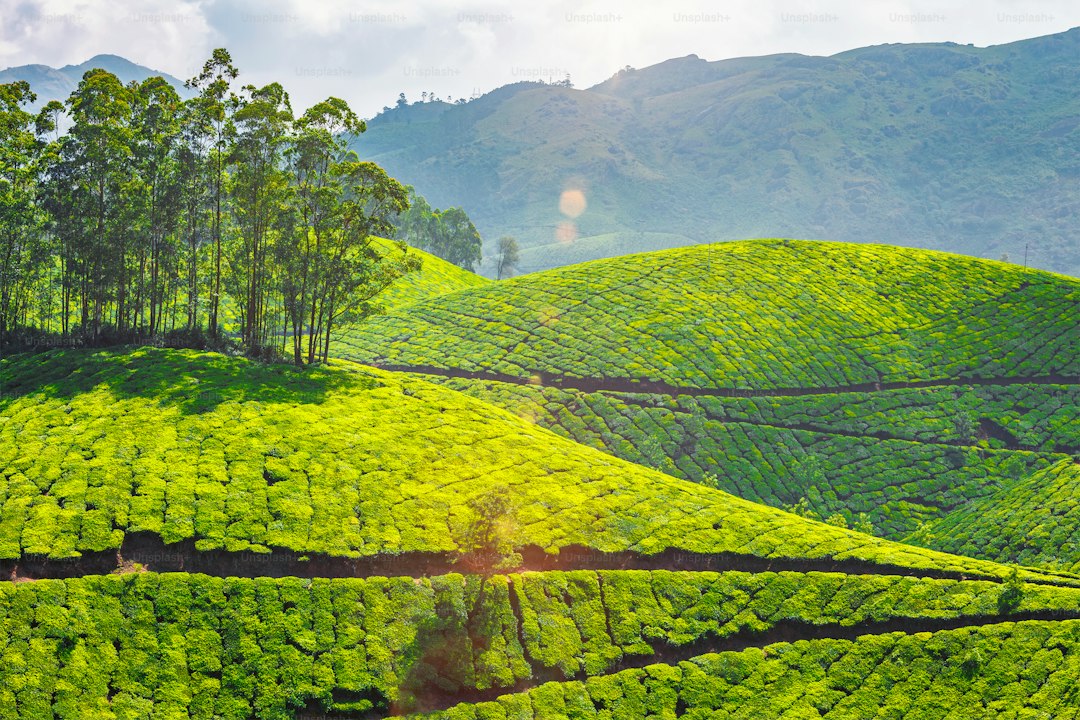
The Legend of Longjing: Uncovering China’s Most Prestigious Green Tea
If you’ve ever found yourself wondering why a single cup of green tea can command such a cult-like following, you’re not alone. Let’s dive into what makes West Lake Longjing more than just a drink—it’s essentially a masterclass in chemistry and geography. The secret really starts with the Qing Guo pan-firing technique, where tea masters use precise, rhythmic hand movements to flatten the leaves against a hot surface. It’s not just for aesthetics; that mechanical pressure is what stops the oxidation process dead in its tracks, locking in that vibrant, emerald color you see in the highest grades. Honestly, seeing a producer handle these delicate leaves is like watching someone work with fine silk; one wrong move and the entire batch is ruined.
The real magic, though, happens long before the harvest, thanks to the unique quartz and sandstone soil in the Shifeng region. These minerals provide the perfect drainage and root aeration that lower-altitude plains just can’t replicate. Think about it this way: the limestone hills surrounding the area act as a natural thermal buffer, shielding the bushes from harsh winter winds and forcing them to grow at a slower, more deliberate pace. This extended cycle allows the plant to pack in a significantly higher concentration of theanine, which is exactly why you get that signature, smooth umami hit rather than the bitter astringency you might find in lesser teas. It’s a classic case of environment dictating quality, and you can truly taste that distinction in every sip.
But if you really want to talk about prestige, we have to look at the plucking process itself. The most sought-after batches are gathered before the Qingming Festival, focusing exclusively on single buds or the tiniest bud-and-leaf configurations. It’s an incredibly labor-intensive effort—imagine hand-plucking thousands of individual, minuscule tips just to net one kilogram of finished tea. And while modern labs now use gas chromatography to verify these chemical fingerprints, I’ve always felt that the best way to judge it is just by the aroma. If you’re lucky enough to grab some, drink it fast, because that fresh, floral, and chestnut-like profile is fleeting; it’s meant to be enjoyed as close to the harvest as possible, rather than left to gather dust on a shelf.
Into the Mist: Navigating the High-Altitude Tea Gardens of Hangzhou
When we talk about the most elite tea, we really need to look at the high-altitude gardens hanging off the peaks around Hangzhou. I’ve spent enough time looking at how these plants actually grow to realize that the obsession with these misty slopes isn't just about the view. The persistent fog here, which sticks around for over 200 days a year, does something fascinating: it acts as a giant natural filter for UV radiation. Because the sun isn't beating down directly, the plants go into overdrive producing chlorophyll, which is exactly why the leaves look like such an intense, vibrant green compared to what you’d find in the flatlands.
Think about the temperature, too, because that’s where the science gets really interesting. These high-altitude spots run about 5 to 7 degrees Celsius cooler than the valley floor, which essentially forces the plant to slow its metabolism down. When the growth slows, the plant starts stacking up nitrogen-rich amino acids in the leaves, and that’s the secret behind that deep, savory sweetness you get in a really good cup. Plus, the soil acidity here sits right between 4.5 and 5.5 pH, which is just the sweet spot for the plant to absorb trace minerals like manganese and zinc. You’ll notice that farmers often tuck wild forest trees right between the tea rows, too, which isn't just for aesthetics; it keeps the soil microbiome healthy enough to handle all that humidity without the plants getting sick.
If you look closely at the leaves themselves, you’ll actually see they’ve developed a thicker waxy cuticle as a defense mechanism against the constant mist, which is a big deal because it helps trap those volatile aromatic compounds that usually just evaporate. The topography here creates a natural chimney effect that pulls cool air up the slopes, stopping the heat buildup that normally makes tea taste bitter. And then there’s the water, which is filtered through ancient volcanic rock to pick up silicic acid before it even hits the roots. They’ve been using the same terracing methods for over 600 years to keep these steep slopes from washing away, keeping the planting density low enough that every single root system gets its fair share of nutrients. It’s a delicate balance, but when you’re sipping a cup made from the Longjing 43 cultivar grown in these conditions, you’re tasting 15 days of earlier sprouting and a level of care that most modern farming just doesn't bother with anymore.
The Art of the Harvest: Traditional Processing Methods in the Mountains
When we talk about the labor that goes into these mountain teas, I think it is important to realize the process is basically a race against time and biology. The traditional withering process, or tan qing, uses bamboo trays to pull moisture from the leaves by exactly 15% to 20%, which sounds technical but is really just priming the leaf for the heat to come. During that initial pan-firing, the iron wok has to sit right between 220°C and 250°C to kill off enzymes before they can ruin the flavor. I’ve seen masters use ten different hand motions—grasping and throwing—to apply about 2 kilograms of pressure per square centimeter, all without breaking the cell walls. It is a level of precision that makes you appreciate why these specific batches cost what they do.
After that initial hit of heat, there is this critical step called hui chao where the leaves rest for an hour. This lets the remaining moisture move from the center of the leaf out to the surface, which is vital for a smooth finish. To keep things fresh, you’ll see producers use jars lined with quicklime, keeping the moisture content under 3% so you don't end up with those stale, ketone-heavy off-flavors. It’s wild to think that this old-school method is actually doing the same job as modern chemical preservation, just by using lime to keep the lipids from oxidizing.
Honestly, the choice of fuel in these mountains is just as deliberate as the hand motions. Many traditionalists swear by charcoal made from local hardwoods because it gives off far-infrared radiation, which heats the leaves way more evenly than the electric elements you find in factory settings. Between these firing sessions, the leaves go through a bit of protein hydrolysis, which boosts those free amino acids that make your tea taste so velvety. Then, they use bamboo sieves to sift everything down to a 0.5-millimeter tolerance. It’s all about making sure that when you eventually brew your pot, every single leaf releases its flavor at the exact same rate.
Beyond the Cup: The Cultural Significance of Tea in Chinese History
I think it's easy to look at a cup of tea as just a caffeine delivery system, but in China, it's more like a living historical document that’s been constantly rewritten for three millennia. If we look back at the Shang Dynasty, tea wasn't even a leisure drink; it was a bitter medicinal tonic people used to treat everything from skin issues to digestive problems. But by the Tang Dynasty, the whole vibe shifted into something much more cerebral—the "Way of Tea." This is where Lu Yu comes in with The Classic of Tea, which honestly reads like a rigid technical manual for water quality and heat control. It’s wild to think that over a thousand years ago, people were already arguing about the exact mineral content of the spring water needed to make a perfect brew.
You have to consider how much the Buddhist monasteries influenced this growth, too. Monks weren't just drinking it for the taste; they needed that steady hit of alertness to get through hours of meditation without nodding off. Then the Song Dynasty rolls around and things get a bit more competitive—literally. They had these "dou cha" competitions where connoisseurs would judge the thickness of the foam and the color of whisked powdered tea, which is why you see those dark Jian ware bowls with the "oil-spot" glazes. These ceramics weren't just pretty; they were specifically engineered to show off the white froth of the tea, which was the ultimate status symbol of the era.
I've always found the social contracts around tea to be the most fascinating part of the research. Take marriage rites, for example—tea was actually used as a binding betrothal gift, a symbol that the commitment was as permanent as a tea plant’s deep roots. While that was happening in the cities, the Ancient Tea Horse Road was carving paths into the Himalayas, turning tea into a literal currency and a nutritional lifeline for nomadic tribes. We see another massive pivot in the Ming Dynasty when people finally ditched the powders for loose-leaf steeping. This wasn't just a trend; it sparked the invention of Yixing clay teapots, which are still the gold standard today because they "remember" the tea’s oils over decades of use.
Look, even today, the cultural etiquette is so deeply baked in that you don't even need to speak to show respect. You've probably seen someone tap their fingers on the table when their cup is filled—that’s a silent "thank you" that traces back to stories of an emperor traveling in disguise to avoid being recognized. It’s these small, non-verbal cues that keep the history alive in every business meeting or family dinner you’ll ever attend. Honestly, when you’re holding a cup of tea in China, you aren’t just drinking a beverage; you’re engaging with a bureaucratic, spiritual, and social system that has been refining itself for ages. It’s about connection, and that’s something no modern tech or fast-paced trend can really replace.
Tasting Terroir: How Mountain Climate Creates Exceptional Flavor Profiles
When we look at why some teas just hit differently, I think we have to stop viewing the environment as just a backdrop and start seeing it as a biological trigger. It’s wild how high-altitude tea bushes actually respond to their surroundings by essentially going into protective overdrive. These plants undergo a process called secondary metabolite accumulation, where they start synthesizing higher levels of polyphenols and catechins specifically to guard against the elevated ozone levels found at these peaks. It’s like the plant is armoring itself, and that stress response directly changes its gene expression, creating a unique ratio of caffeine to L-theanine that you simply can’t find in the valleys. You end up with a chemistry profile that feels more balanced, which is likely why that first sip feels so much smoother than standard teas.
Think about the light and temperature for a second, because that’s where the flavor really gets locked in. At these heights, the angle of the sun increases the amount of blue light hitting the leaves, which forces the plant to pump out more chlorophyll and antioxidants. Plus, those sharp, cold nights act as a natural preservative, stopping the aromatic oils from breaking down before the farmers can even get to the harvest. Because the plant is dealing with thin air and intense conditions, it develops a higher density of stomata on the underside of its leaves to manage gas exchange. It’s a literal physical adaptation to the environment that makes the leaf better at regulating nutrients, which shows up in the cup as a much more intense, nuanced flavor.
There is also something to be said about the soil and the way the mountain physically shapes the plant’s growth. These gardens are often rich in rare earth elements that the roots pull up and use as catalysts for all those complex enzymes that define the tea’s character. On top of that, the proximity to rock faces creates a thermal mass that radiates heat, protecting the young buds from freezing and allowing them to store more soluble sugars. When you brew a tea like this, those extra sugars contribute to a noticeable thickness—that velvety mouthfeel that coats your palate. It’s not just luck; it’s a direct result of the plant having a longer winter dormancy and more time to load up on those carbohydrates before the spring flush.
Even the air itself plays a part, as the mountain ridges create distinct currents that deposit mineral-rich dust directly onto the foliage. You aren't just drinking tea; you’re tasting the mountain’s micro-climate, right down to the unique extraction efficiency caused by the slightly different boiling point of water at these altitudes. And because the plants grow slower, they develop a higher ratio of those complex sugars compared to fiber, which is why the liquor feels so much more substantial. It’s honestly fascinating how every little element, from the blue light to the volcanic dust, works together to push the tea’s potential. Next time you brew a cup, just remember that the complexity you’re tasting is really just the plant’s way of thriving in a place where most other crops would give up.
A Traveler’s Guide to Visiting the Source of China’s Iconic Green Teas
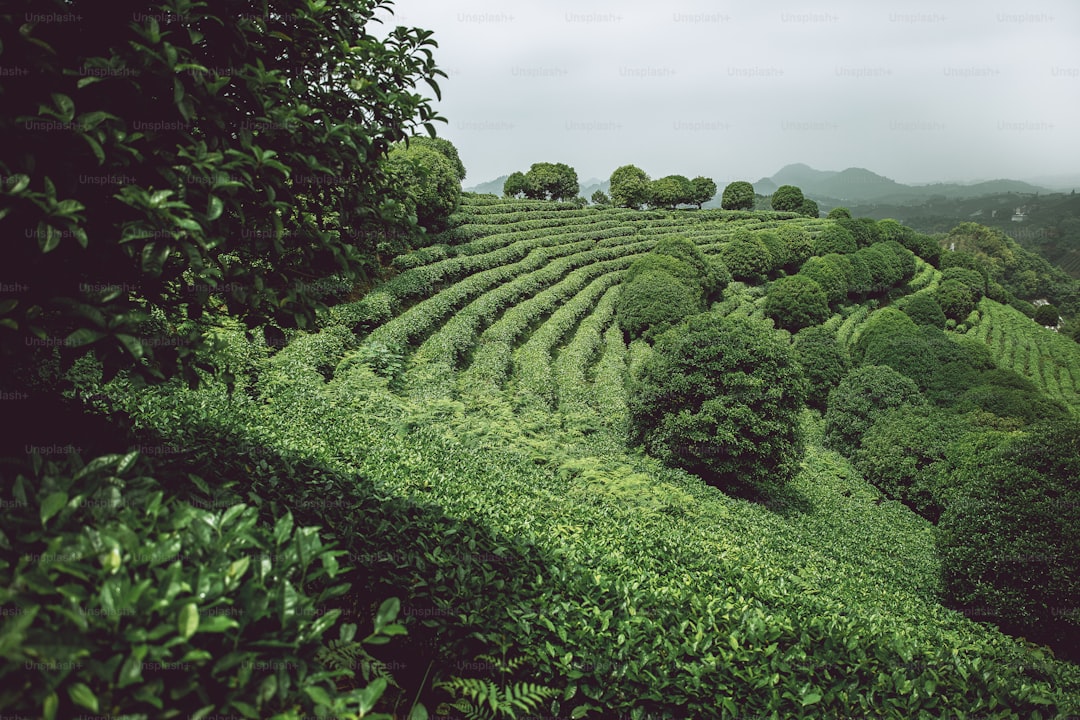
If you're planning a pilgrimage to the heart of Longjing country, it’s worth shifting your mindset from casual tourist to a bit of an amateur scientist, because the reality on the ground is way more technical than the postcards suggest. You really need to understand that this landscape is a perfectly tuned, high-stakes biological engine where every variable—from the mineral-heavy weathered sandstone to the precise thermal mass of the surrounding rock—is working to concentrate flavor in those tiny buds. I’d suggest starting your visit at the plots themselves; look for the QR codes on the packaging, which isn't just a marketing gimmick but a genuine window into the traceability system that links every batch to a specific farmer's plot and exact harvest date. It’s wild to realize that local authorities are actually monitoring air quality and VOC levels in real-time just to make sure our presence doesn't disrupt the plants' natural respiration cycles.
When you're walking through these hills, keep an eye out for the subtle, traditional tools still in use, because that friction-based heat distribution from bamboo processing is honestly a thermodynamic feat that modern steel machinery just can't touch. The local producers have developed this incredible, low-tech way of preserving that fresh "spring" profile by using underground earthen chambers that keep temperatures at a steady 5°C, effectively hitting the pause button on oxidation. It’s these quiet, ancient methods that keep the enzymatic activity in check without resorting to the kind of aggressive dehydration that kills the soul of the leaf. If you have the chance to see a master at work, you'll see how they align their pruning cycles with the lunar calendar, which actually ties into the plant's internal circadian rhythms to maximize those precious secondary metabolites.
What really blows my mind is how the geography does the heavy lifting for the farmers; those mountain ridges create a temperature inversion every single morning that traps moisture right at the canopy level for hours. It’s this specific environment that forces the tea bushes to adapt, resulting in a higher density of stomata that lets the plant suck up nutrients from the soil at a rate that valley-grown tea just can't match. When you’re tasting a cup here, you’re not just drinking tea; you’re effectively sampling the output of a deep-crust aquifer filtered through ancient granite, which is why the water hardness is so perfectly low. I’d say don't just rush through the experience—take a moment to appreciate that the savory, complex hit you're getting is the direct result of a genetic mutation in the Longjing 43 cultivar and a local micro-climate that most other regions would kill for.
Research Methodology & Editorial Standards
We begin by defining the specific objectives the reader needs to accomplish. Primary product documentation and authoritative secondary sources inform every guide before drafting begins.
Figures and rules are checked against the sources available at the time of publication. Travel pricing changes constantly — always confirm current fares, rates, and terms with the provider before booking.