
A First Look Inside The Stunning New Park Hyatt Kuala Lumpur
We’ve seen the race for the sky play out in Dubai and Shanghai, but what’s happening in Kuala Lumpur right now is a different kind of flex.
Reaching New Heights: The Architectural Marvel of Merdeka 118
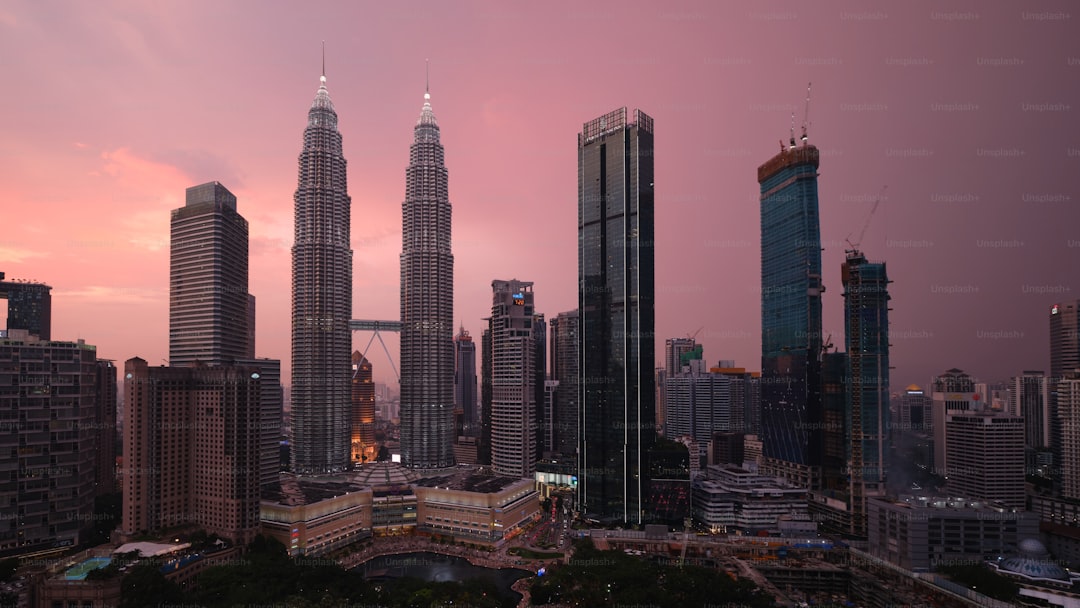
Honestly, standing at the base of Merdeka 118 feels like looking at a math equation that somehow became a mountain. We’ve seen the race for the sky play out in Dubai and Shanghai, but what’s happening in Kuala Lumpur right now is a different kind of flex. At 678.9 meters, it’s not just about being the second-tallest building on the planet; it’s about the technical audacity required to keep it standing. Let’s pause for a moment and reflect on the sheer scale of the engineering because, trust me, it’s not just a fancy glass needle.
When you look at the structure, that 160-meter spire is what grabs the headlines, though I’ve heard plenty of people argue it’s basically a massive vanity height move. But look past the record-chasing and you’ll find a reinforced concrete core and a high-performance outrigger system that’s legitimately world-class. They used a specialized hydraulic jacking system just to lift those spire segments into place, which is a logistical headache when you’re dealing with unpredictable high-altitude wind loads. To keep the whole thing from swaying like a literal pendulum, the design team ran wind tunnel tests to create a tapered shape that cuts wind vortex shedding by over 20 percent compared to your standard boxy skyscraper.
I find the facade particularly interesting because it isn’t just for show; those 18,144 glass panels are laid out in a pattern that mirrors traditional songket textiles. It’s a cool nod to Malaysian heritage, but from a researcher's view, the real win is the triple green building certification, including LEED Platinum and GBI ratings. Think about it this way: managing solar heat gain on a building of this size is usually a losing battle, yet they’ve oriented the glass to maximize natural light without turning the interior into an oven. The foundation itself sits on a massive three-meter-thick concrete raft, which is essentially a subterranean fortress designed to handle the immense vertical pressure.
If you’re heading up to the Park Hyatt, you’ll be riding high-speed elevators that hit the observation deck in under 60 seconds, which is a bit of a trip for your inner ear. And while some critics say KL didn't need another megatall structure, the market reality is that these buildings act as gravity wells for high-net-worth travelers and premium brands. It’s a calculated risk, but seeing how the building uses real-time sensors to monitor structural movement makes me feel a lot more comfortable about staying 100 floors up. Honestly, the way they've integrated rainwater harvesting and environmental monitoring shows that this wasn't just built to be tall, but to actually function well in a tropical climate. Let's dive into what this means for the actual guest experience, because being inside a literal marvel of modern physics changes how you see the city.
A Soaring Welcome: The 108th-Floor Lobby Experience
When you step out of those high-speed elevators onto the 108th floor, you aren't just walking into a hotel lobby; you're entering a space that feels physically detached from the rest of the tower. The floor actually utilizes a specialized seismic base isolation system, allowing it to shift independently of the building's central core during minor tremors. It’s a strange, comforting sensation when you realize that level of engineering is working beneath your feet. You might notice the air feels slightly different, and that's because the atmospheric pressure is about 2.5 percent lower than at ground level. To keep you comfortable, the hotel uses a bespoke HVAC system that regulates oxygen concentration so you don't feel that typical high-altitude fatigue.
To handle the physics of being this high up, the designers had to be incredibly clever with materials. They used a rare, lightweight volcanic stone from Indonesia for the flooring, which cuts the structural load by nearly 15 tons compared to standard granite. Then there is the entrance, which features a pressurized airlock vestibule to stop the intense stack pressure from pulling drafts through the elevator shafts. They’ve also installed hidden acoustic dampeners behind the wall panels to cancel out the low-frequency hum of the building's wind-damping machinery, which keeps the space surprisingly serene. Even the plumbing is a feat of engineering, using vacuum-assisted drainage to manage the vertical drop without any of the drainage issues you'd normally expect at this altitude.
The attention to detail extends to the very air and light around you. The underfloor displacement ventilation pushes air upward at a low velocity, keeping the temperature within a tight two-degree margin regardless of what the sun is doing outside. Speaking of the sun, the lobby lighting is dynamically synced to its position, shifting from a warm 2700K to a crisp 6500K to keep your circadian rhythms in check. If the glare gets to be too much, the glass windows use an electrochromic film that turns opaque in under 30 seconds. And because the windows are prone to the elements, there’s a localized weather station outside that triggers robotic wipers the second condensation or dust hits a certain threshold. It’s clear they didn’t just want a pretty view; they wanted a space that could handle the reality of life at 678 meters.
Sky-High Sanctuaries: Sophisticated Guest Rooms and Suites
If you've ever spent a night in a high-rise, you know the specific, restless feeling that comes when the building starts to "settle" or the wind begins to howl against the glass. It’s hard to truly relax when you're constantly reminded of the physics keeping you suspended hundreds of meters above the pavement. At Park Hyatt Kuala Lumpur, they’ve clearly decided that luxury shouldn't come with that ambient anxiety. The guest rooms here feel less like standard hotel suites and more like hyper-engineered cocoons, designed specifically to buffer you from the reality of the altitude. They’ve gone to some pretty wild lengths to pull this off, from using high-performance glazing with a proprietary gas-fill that blocks nearly all UV radiation without tinting your view, to mounting floor-to-ceiling glass on specialized gaskets that can handle 12 centimeters of building deflection. It’s the kind of invisible tech that makes the room feel incredibly solid, even when the wind is whipping around the spire outside.
But the real magic happens in the details you don't even realize are working for you. For instance, the walls are packed with high-density mineral wool that hits an STC rating of 60, which is basically the gold standard for killing off the low-frequency hum of a megatall tower. And if you're like me and notice the slightest change in air quality, you’ll appreciate the HEPA-14 filtration system that scrubs the air to hospital-grade levels, keeping the city’s haze completely at bay. They’ve even managed to solve the "micro-movement" issue by anchoring the furniture to vibration-isolated steel plates, so you won’t feel a thing during a gusty afternoon. It’s a level of structural thoughtfulness that I honestly haven’t seen in many other luxury properties, where design usually takes precedence over this kind of heavy-duty mechanical engineering.
Then there is the internal climate control, which feels almost spooky in how proactive it is. The system uses a predictive algorithm to adjust your room’s thermal load minutes before clouds block the sun, meaning you never get that jarring temperature swing that usually ruins your afternoon nap. I was particularly struck by the lighting, which uses pulse-width modulation to kill that subtle LED flicker that can mess with your sleep cycle—a small detail, but one that really changes the quality of your rest. Even the furniture is designed to move with the building, using cross-laminated timber that mimics the structural frame’s expansion. It’s clear they didn’t just want to build a hotel; they wanted to build a sanctuary that actually functions in harmony with the extreme environment of Merdeka 118, and frankly, it’s a refreshing change of pace for such a high-stakes project.
Gastronomy Above the Clouds: Signature Restaurants and Bars
Let’s talk about what happens when you try to fine-tune a world-class dining experience nearly 700 meters above the ground, because honestly, the physics of food don't just stop at the kitchen door. You might think a restaurant is just about the view, but here, the high-altitude reality changes how water boils and how your palate actually registers flavor. At this elevation, water hits its boiling point at roughly 97 degrees Celsius, so the chefs rely on specialized induction cooking surfaces with increased frequency modulation to keep everything consistent. It’s a bit of a challenge to keep ingredients from drying out, which is why the kitchen uses humidity-controlled cold storage zones locked at a steady 85 percent. You really have to admire the technical rigor required to ensure that the meal on your plate tastes exactly as the chef intended, regardless of the atmospheric pressure.
If you’re a wine lover, you’ll notice that the sommeliers handle your vintage differently here, using vacuum-sealed, pressurized preservation systems to stop the lower air pressure from prematurely oxidizing the bottle. It’s fascinating how they’ve even rethought the bar, utilizing ultrasonic infusion to force flavors into spirits since the thinner air can make aromatic compounds act a bit erratic. And have you ever worried about a cocktail glass sliding or a sauce cooling too quickly? The staff uses thermal-insulated plating to hold temperatures steady for twenty minutes, while every table features micro-vibration damping pads to keep your drink perfectly still. Even the glassware is weighted at the base to stay grounded against the tower's subtle, natural movement.
The guest experience is really about erasing that slight sense of vertigo you might feel from being so high up. They’ve gone as far as calibrating the chairs with a dynamic tension system that adjusts to your weight, helping to counteract any weirdness your inner ear might pick up from the building’s sway. To keep the mood perfect, the ceiling panels are coated in non-porous sound-diffusing materials, which kills that hollow, echoey noise you often find in glass-heavy skyscrapers. Even the ice is a marvel; it’s crafted in a vacuum-degassed environment so it melts slower, keeping your drink from watering down too fast in the thin air. It’s an incredibly precise, almost laboratory-grade approach to hospitality, but when you’re sipping a drink while looking down at the clouds, you’ll definitely appreciate that they’ve accounted for every single detail.
Elevated Wellness: The Spa and Leisure Facilities
When you’re looking at a high-end property like the Park Hyatt Kuala Lumpur, the spa and leisure facilities often feel like an afterthought, but here they’re clearly the main event. It isn’t just about having a nice place to get a massage; the design team treated the entire wellness deck as a mechanical buffer zone to keep the rest of the tower running smoothly. The cantilevered infinity pool, for instance, uses internal baffles to kill the slosh effect you’d normally get from the building swaying in the wind, keeping the water perfectly still. It’s a smart bit of physics that makes the space feel grounded despite being hundreds of meters in the air. Plus, the floor beneath your feet is a triple-layered floating system that absorbs nearly all the kinetic energy from people running on treadmills, so you don't hear a thud in the suites below.
The air quality control is another level of detail that honestly feels more like a medical facility than a hotel spa. They’re running a photo-hydro-ionization system that scrubs the air of pathogens every 12 minutes, which is exactly the kind of peace of mind you want when you’re traveling. And because steam rooms are usually a nightmare for structural steel, the whole area is wrapped in a proprietary vapor barrier that keeps the humidity from corroding the building’s core. It’s not the flashy part of the hotel, but this kind of hidden infrastructure is what actually keeps a project like this from falling apart after five years.
I’m particularly impressed by how they’ve adapted the treatments to handle the reality of high-altitude living. The hydrotherapy circuits use a seven-stage mineral infusion to mimic the natural springs nearby, while the cryotherapy chamber skips the nitrogen to keep oxygen levels safe for guests. They even added micro-tilting motors to the massage tables to help with fluid retention, which is a surprisingly thoughtful touch for anyone who’s ever stepped off a long-haul flight feeling swollen and tired. It feels like they really studied how the body reacts to being at this altitude and built a recovery suite that actually makes you feel better. When you combine that with the blue-light tech in the lap pool designed to reset your circadian rhythm, it’s clear they weren’t just chasing trends, but trying to solve the real, physical stresses of travel.
A New Benchmark: Why This is Malaysia’s Ultimate Luxury Destination
If you’ve been watching the luxury hotel scene lately, you’ve probably noticed that everyone is chasing the same "ultimate" status, whether it’s a new beach resort in Desaru or a high-end rail experience. But honestly, when you look at how the Park Hyatt Kuala Lumpur is shaking things up inside Merdeka 118, it’s clear they aren’t just trying to keep pace with the competition; they’re rewriting the entire technical rulebook for what a five-star stay should actually feel like. While other properties focus on the usual velvet-rope prestige, this place is essentially a masterclass in high-stakes engineering designed specifically to handle the reality of being 678 meters in the air. I mean, think about the physics involved when you’re suspended that high—it’s not just about the view, it’s about how the building keeps you grounded while the world moves around you.
The sheer amount of invisible tech working here is what really hits me. You’ve got an 800-ton tuned mass damper neutralizing wind sway, and when you combine that with independent neoprene vibration-isolation pads under every single guest room floor, the result is a level of stability you just don’t find in your typical skyscraper. They’ve even gone as far as installing a nitrogen-scrubbing system to keep internal air pressure steady, so you aren't dealing with that annoying ear-popping sensation every time you head back to your suite. It’s that kind of obsessive attention to the human experience that makes this place stand out, because they’re actively solving the physical stresses of altitude before you even realize they’re there.
And let’s look at the efficiency side of things, because it’s not just about comfort; it’s about how this place actually functions as a sustainable ecosystem. From the closed-loop greywater recycling that uses bio-membrane reactors to the argon-filled, triple-glazed windows that give the building an impressive R-value, the engineering here is genuinely top-tier. Even the elevators are pulling double duty, using regenerative braking to turn your descent back into electricity for the building’s grid. It’s rare to find a property that balances this much raw, industrial-grade capability with such a refined guest experience, but that’s exactly why this is setting a new benchmark for Malaysia. It’s not just another tall building—it’s a living, breathing machine that’s been fine-tuned to make the impossible feel completely effortless.
Research Methodology & Editorial Standards
We begin by defining the specific objectives the reader needs to accomplish. Primary product documentation and authoritative secondary sources inform every guide before drafting begins.
Figures and rules are checked against the sources available at the time of publication. Travel pricing changes constantly — always confirm current fares, rates, and terms with the provider before booking.