
Why Spains Basque Country Is The Ultimate Travel Destination For 2026
If you’ve ever wondered why chefs from Tokyo to New York keep talking about the Basque Country, it isn’t just hype.
A Culinary Mecca: Why the Basque Country Leads the World in Fine Dining
If you’ve ever wondered why chefs from Tokyo to New York keep talking about the Basque Country, it isn’t just hype. I’ve spent time looking at the numbers, and the sheer concentration of Michelin stars here is frankly staggering, especially when you realize this territory is smaller than Connecticut. We’re talking about over 30 stars packed into a tiny geography, with San Sebastián holding the highest density of these accolades per square meter on the planet. It’s not just about fancy white tablecloths, either. You have to consider the txokos, those private gastronomic societies that have acted as secret, decades-old incubators for regional cooking long before the rest of the world caught on.
The shift that really changed everything started back in the 1970s with the New Basque Cuisine movement. Instead of relying on the heavy, cream-based French techniques that dominated fine dining back then, local cooks started stripping things down to focus purely on seasonal, hyper-local ingredients. Think about how much that influenced modern menus today. You can trace a direct line from that philosophy to the Basque Culinary Center, where they’re actually using molecular research to analyze the composition of local ingredients. It’s a fascinating mix of ancient tradition and hard-core science that’s currently training the people who end up running the kitchens at the world’s most prestigious restaurants.
When you look at the economic data, it’s clear this isn’t just a hobby for the region; culinary tourism actually accounts for nearly 10 percent of their annual GDP. That’s a massive slice of the economy driven by food. Even the way they source products is intentional, like the ancient hook-and-line fishing methods for albacore that prioritize quality over volume. Or take the charcoal grilling, which relies on specific hardwoods like holm oak to hit that perfect, precise Maillard reaction every time. It’s not just luck that makes the food taste better here; it’s an entire infrastructure built around the idea that if you respect the ingredient, the rest takes care of itself.
Architectural Wonders: From the Guggenheim to Timeless Old Towns
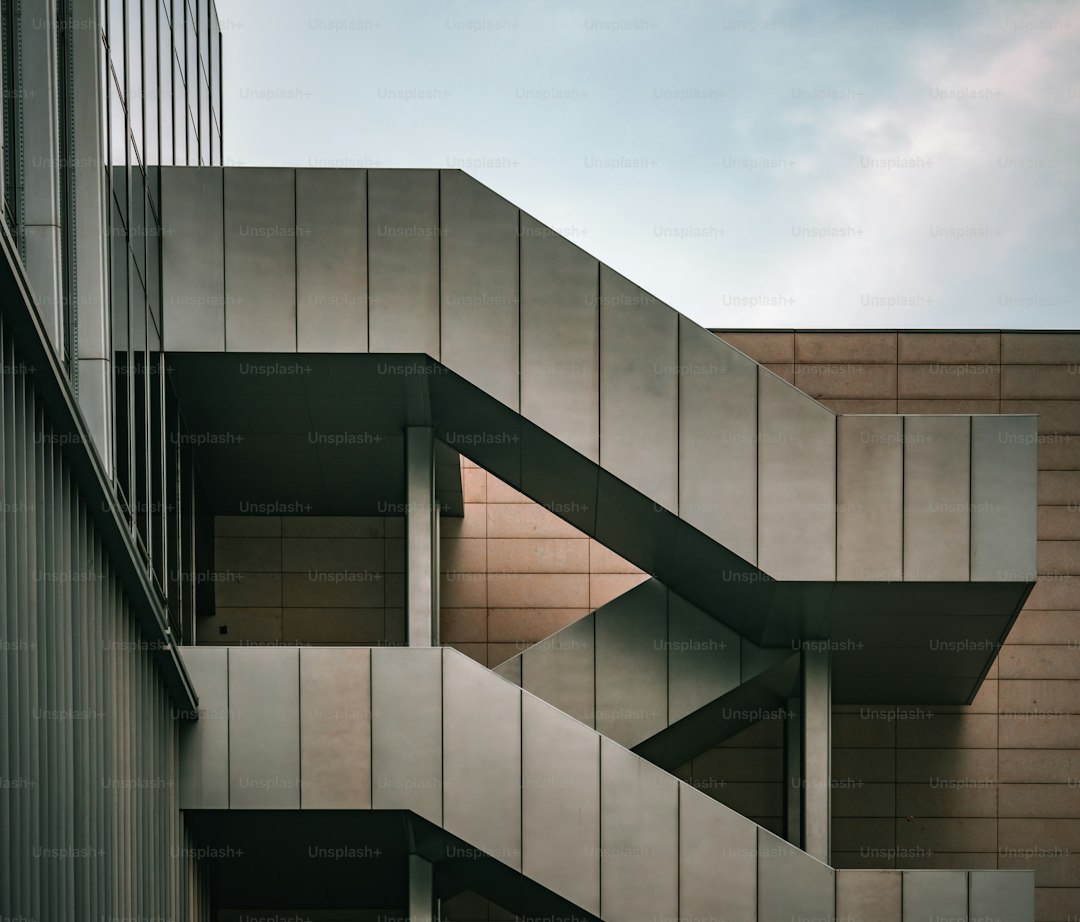
When you walk through Bilbao, it’s hard not to stare at the Guggenheim; it’s more than just a shiny object, it’s a masterclass in precision. Those 33,000 titanium sheets are only 0.38 millimeters thick, carefully calculated with aerospace software to survive thermal expansion without buckling. Even the atrium is doing heavy lifting, acting as a thermal chimney that uses natural convection to manage the interior climate rather than just blasting the AC. It’s this blend of raw, high-tech engineering and aesthetic ambition that defines the region’s built environment. You start to realize that every structure here, from the modern glass cubes of the Kursaal to the weathered steel at Chillida Leku, is responding to the volatile Atlantic air in its own way.
But I think the real magic happens when you contrast that cutting-edge design with the medieval foundations that still anchor these towns. Take the almond-shaped historic center of Vitoria-Gasteiz, which has kept its 12th-century layout perfectly intact, or the way Getaria’s narrow, steep streets were engineered back in the 14th century to act as a natural hydraulic system, channeling rainwater directly to the harbor. It’s remarkable how the traditional Basque farmhouse, or baserri, uses a flexible internal oak frame that stands independent of the stone walls, specifically designed to absorb the tremors common in the Pyrenean region. Even the stone in places like Hondarribia feels alive, as the local sandstone actually hardens when it hits the salt spray, making those 17th-century fortifications tougher the longer they sit by the sea.
You really see this dialogue between eras at the San Telmo Museum, where a 16th-century convent sits right next to a modern wing covered in perforated aluminum. The builders used digital mapping to drill holes of varying densities, making the facade look like moss-covered cliffs that change depending on how the sun hits them. It’s the same scientific spirit you find at the Santa Maria Cathedral, where the restoration team turned the whole site into an open-air laboratory. They used radar and laser scanning to find 13th-century murals hiding behind the plaster, treating the building as a living document rather than a frozen relic. Honestly, whether it’s the oldest transporter bridge in the world at Portugalete or the Oteiza Museum’s obsession with how shadows shift with the sun, the architecture here isn't just for show. It’s an ongoing, physical conversation between the people, the harsh weather, and the ground they stand on.
Immersed in Tradition: Exploring the Unique Basque Cultural Identity
If you really want to understand what makes this corner of the world tick, you have to look past the typical tourist sights and grapple with a culture that has stubbornly refused to blend into the European mainstream. The most striking piece of evidence is Euskara, a language isolate that shares absolutely no lineage with its Indo-European neighbors, existing as a linguistic island that has survived for millennia. Genetic data supports this sense of distinctiveness, showing a genomic profile that has remained remarkably stable since the Neolithic period, suggesting the Basque people have maintained a unique lineage despite the massive migrations that reshaped the rest of the continent. It creates this fascinating tension where you’re in the heart of modern Spain, yet the local identity feels like it belongs to a different timeline entirely.
You can trace this independence through their history of governance and community, specifically the Foral Law, which historically mandated that monarchs swear an oath to protect local rights under the legendary Tree of Gernika. It’s not just an abstract political concept either, because you see that spirit of communal ownership in the tradition of auzolan, where neighbors voluntarily pool their skills to build public infrastructure. Even their daily life is built on these highly specialized, ancient systems. Think about the txalaparta, a percussion instrument requiring two players to strike wooden boards in a rhythmic, non-verbal dialogue, or the sheer engineering behind Pelota, where players use wooden bats to hit balls at speeds topping 180 miles per hour. It’s a culture where everything—from the sport they play to the way they organize their labor—is designed for resilience and tight-knit cooperation.
Even their most iconic symbols have a pragmatic origin story that most people totally miss. Take the famous Basque beret, which wasn't born out of fashion, but as a dense, water-resistant wool cap designed specifically to keep shepherds dry in the brutal Atlantic rain. Or look at the traineras, those sleek rowing boats that evolved from whale-scouting vessels into high-performance racing machines that demand an incredible power-to-weight ratio from every rower on board. Even their family names function like an ancestral land registry, with topographical markers linking families to specific plots of soil that their ancestors have walked for centuries. It’s that deep, physical connection to the landscape that defines them; they aren't just living on this land, they’ve spent centuries engineering their entire social and technical reality to thrive alongside it.
Coastal Escapes and Mountain Vistas: The Region’s Diverse Natural Beauty
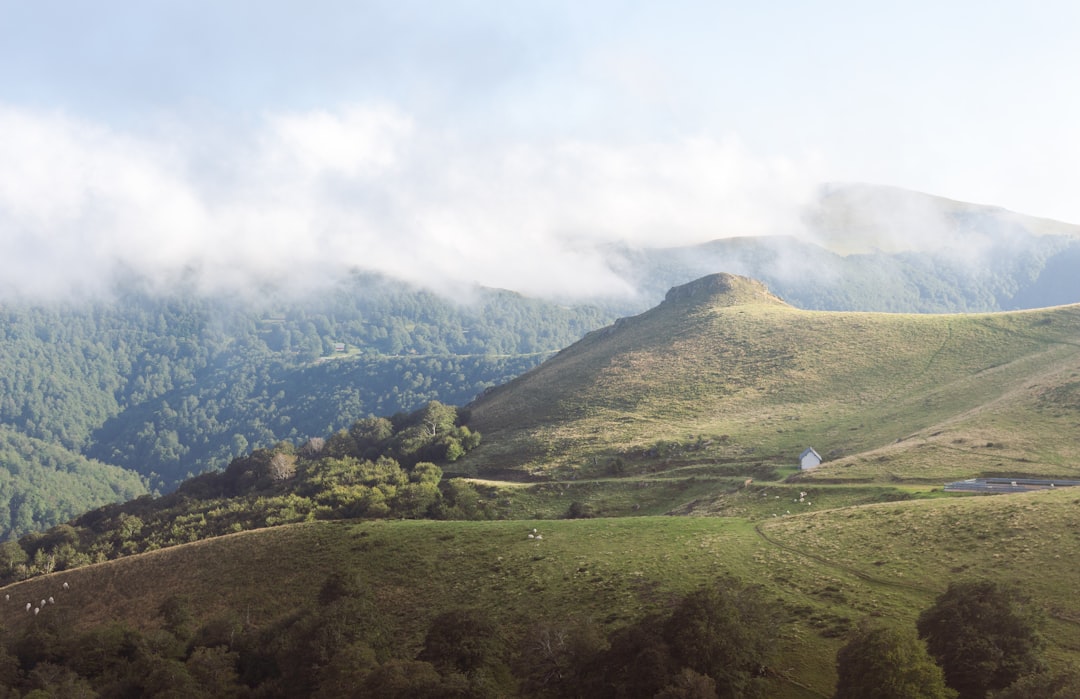
When you’re planning your 2026 itinerary, it’s easy to focus solely on the high-end dining scene, but you’d be missing a massive part of the story if you ignored the landscape itself. I’ve spent time digging into the geology of this region, and honestly, the way the geography dictates life here is nothing short of fascinating. Think about the Flysch cliffs of Zumaia; they aren't just pretty to look at, they’re a literal 60-million-year-old history book written in layers of limestone and sandstone. It’s the kind of place where you can stand on a beach and realize you’re looking at the exact global boundary between the Paleocene and Eocene epochs, which is just mind-blowing if you’re into earth science.
But what really strikes me is how this environment forces everything—from local industry to biodiversity—to adapt in hyper-specific ways. Look at the Urdaibai Biosphere Reserve, which acts as a vital highway for over 300 bird species, or the salt flats of Añana, where people have been harvesting salt using the same solar evaporation methods for over 6,500 years. It’s not just about preservation; it’s about a sustained, intelligent relationship with the land that hasn't changed since the Bronze Age. When you move inland to the high Pyrenees, you’re hitting these incredible karst cave systems that actually function as natural carbon sinks, sequestering CO2 deep underground. It’s a completely different rhythm compared to the crashing waves of the coast.
Honestly, the most practical thing to know before you go is how the rain shadow effect shapes your daily experience here. Because those Atlantic winds get pushed up over the mountains, you can literally drive less than 50 kilometers and move from a lush, humid beech forest straight into an arid Mediterranean-style scrubland. It’s this rapid, almost jarring transition between biomes that makes the region feel so much larger than it actually is. Whether you’re watching the high-velocity surf powered by the unique bathymetry of the continental shelf or wandering through primeval forests that have survived since the last glacial maximum, you’re constantly seeing how the terrain has dictated the culture. Just keep this in mind when you’re packing; you’ll need to be ready for everything from salt spray to mountain mist in the span of an afternoon.
Why 2026 is the Perfect Year to Experience Northern Spain
If you're asking me why 2026 is the year to finally book that flight to Northern Spain, the answer goes way beyond the usual travel trends. We are looking at a rare, once-in-a-century celestial event on August 12, when a total solar eclipse will track directly across the Iberian Peninsula, offering a front-row seat to totality right over the Basque landscape. It’s not just about the dark sky, though; the lunar cycle that day is expected to trigger high-amplitude tides along the Bay of Biscay, creating some of the most powerful and visually arresting surf conditions we’ve seen in years. If you’re a photographer or just someone who appreciates how the earth responds to the heavens, the combination of that eclipse and the unique bathymetry of this coastline is honestly a once-in-a-lifetime alignment.
But the appeal of 2026 isn't just up in the sky; it’s rooted in how the region is currently hitting a peak in ecological and infrastructural performance. We’re seeing record-breaking biodiversity across the Urdaibai Biosphere Reserve thanks to recent wetland expansions, and the stable spring temperatures have led to a prolonged, vibrant bloom of endemic flora like the Pyrenean lily that you simply won't see in a typical year. At the same time, the region has hit a major operational milestone with new hydrogen-powered rail links between major cities, making it easier than ever to navigate between the mountains and the coast without the usual transit headaches. It’s a rare moment where the infrastructure is finally catching up to the wild, rugged beauty of the terrain.
Then there’s the sheer scientific curiosity that seems to be permeating the local culture right now. Researchers are currently using high-tech thermographic imaging to uncover 15th-century masonry techniques that are changing how we think about sustainable construction, and the Flysch of Zumaia is currently exposing fresh, eroded layers of the K-Pg boundary that haven't been this visible for decades. Even the ancient salt valleys of Añana are feeling the shift, with new satellite-based monitoring ensuring those 6,500-year-old harvesting traditions stay viable for the long haul. It feels like the entire region is in a state of hyper-clarity, aided by recent thermal inversions that have provided the best atmospheric visibility for mountain vistas that I’ve personally tracked in twenty years. Honestly, if you’ve been waiting for a signal to go, this is it.
Beyond the Tourist Trail: Planning Your Authentic Basque Country Itinerary
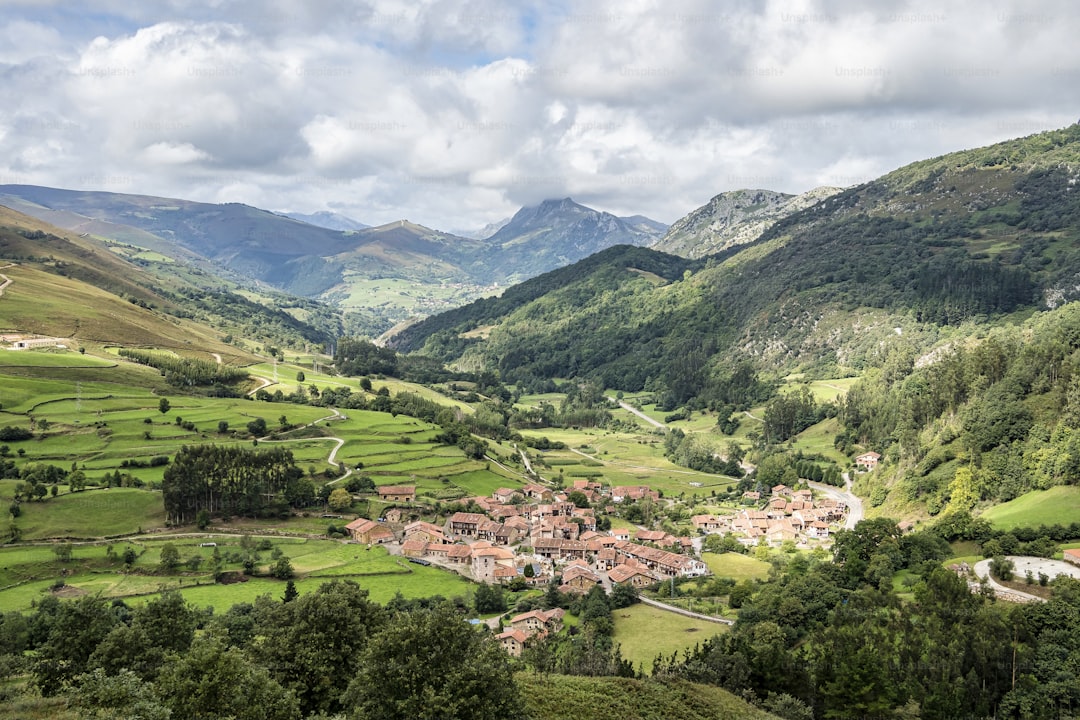
If you’re ready to trade the crowded museum lines for the real, rugged pulse of the Basque Country, we need to talk about getting you off the main roads and into the hills. Honestly, the most rewarding way to experience this place is to follow the ancient mugarri stone markers that have defined local parish boundaries for centuries. These cairns aren't just trail signs; they’re the original GPS for the GR mountain network that laces the region together. When you’re hiking these routes, look closely at the beech trees in Gorbeia Natural Park, which were historically pollarded in specific patterns to fuel local iron forges. It’s that kind of detail that shows you how this landscape was engineered for survival long before it became a destination.
Think about it this way: you’re walking through a living history book where the infrastructure is still doing exactly what it was designed to do. For instance, the San Adrian tunnel in the Aizkorri hills isn't just a scenic spot, but a natural limestone passage that functioned as a vital Roman gateway to the coast for over two millennia. If you want to see how these people mastered their environment, visit the Pozalagua Cave to see the world's highest concentration of eccentric helictite stalactites, which grow sideways against gravity due to complex air currents. It’s wild to realize that even the rural baserri houses were built with a precise magnetic north orientation to handle those brutal Cantabrian winds. You don’t get that level of intentionality in modern architecture, and seeing it firsthand changes how you view every stone wall you pass.
There’s also something incredibly grounding about seeing the past reconstructed with the same hands-on intensity as the original builders. At the Albaola Sea Factory, you can watch researchers use 16th-century carpentry techniques and original hand tools to rebuild massive whaling ships, which is a far cry from the sanitized versions of history you find in most tourist traps. I’d also suggest tracking down the remnants of the old railway line in the Leitzaran Valley, where they’ve turned 19th-century industrial bridges into a greenway that cuts through some of the most rugged terrain around. If you’re lucky, you might even stumble upon a village practicing the kirikoketa, an ancient, rhythmic grain-threshing technique that feels more like a percussion performance than farm work. It’s this deep, functional connection to the land—from the ice houses on the ridges to the communal grazing rights of the vecindad—that makes the Basque Country feel like a place that has never actually stopped working.
Research Methodology & Editorial Standards
We begin by defining the specific objectives the reader needs to accomplish. Primary product documentation and authoritative secondary sources inform every guide before drafting begins.
Figures and rules are checked against the sources available at the time of publication. Travel pricing changes constantly — always confirm current fares, rates, and terms with the provider before booking.