
The Essential Guide to Tipping in Italy When and How Much
That shift in mindset changes everything about how much, when, and even whether you should leave anything at all.

Understanding Italian Tipping Culture: Why It's Different Than in the US
Let’s be honest: if you’re coming from the US, the first thing you need to unlearn is that tipping is about making up for low wages. In America, the system is built on a federal tipped minimum wage of $2.13 an hour—servers literally depend on your 20% to survive. Italy doesn’t work that way. Service staff here earn a real minimum wage, typically €9 to €12 per hour depending on the contract and region, and that wage isn’t subsidized by gratuities. So when you tip, it’s a genuine gesture of thanks, not a social obligation. That shift in mindset changes everything about how much, when, and even whether you should leave anything at all.
Now, here’s where it gets tricky for the American traveler. You walk into a restaurant and see a “coperto” on the bill—maybe €2 per person—and you might think that’s a tip. It’s not. That’s a cover charge for bread, linens, and the general ambiance, and Italian law requires it to be clearly listed on the menu. On top of that, some restaurants include a “servizio incluso” line, which is a fixed service charge. Adding another tip on top of that is redundant; locals would consider it a bit odd, maybe even excessive. And unlike the US, where parties of six or more often see an automatic 18% gratuity added without warning, Italian law prohibits that unless it was explicitly stated on the menu before ordering. So you’re not “cheating” the server by skipping the extra tip—you’re just following local norms.
But what about the social signals? I’ve seen Americans leave 15–20% in Italy and watch the server look genuinely uncomfortable. The reality is that even 10% is considered generous enough to feel like a gift rather than a payment. Most Italians tip only about 20–30% of the time, and when they do, it’s usually just rounding up the bill to the nearest five or ten euros. That’s it. And the method matters too: leaving coins on the table can feel dismissive, almost like you’re tossing change at someone. The norm is to hand the cash directly to the server—eye contact, a smile, a quiet “grazie.” That small act of human connection matters more than the amount.
This difference extends beyond restaurants. Taxi drivers in Italy don’t expect a tip; you round up the fare by a euro or two, maybe. In the US, you’d be looking at 15–20% even for a short ride. Bartenders? You don’t tip per drink in Italy. You might leave a coin or two at the bar after a few rounds—or nothing at all—and it’s fine. Hotel housekeeping? Unusual unless you’re in a five-star property, whereas in the US leaving $2–$5 per night is basically expected. And the American habit of pre-tipping to secure better service? That doesn’t exist here. It can actually read as a bribe, which is not the impression you want to make. So the core takeaway is this: in Italy, tipping is a small, personal gesture of appreciation, not a structural part of the economy. Let go of the percentages, watch what locals do, and you’ll navigate it with confidence.
How Much to Tip at Restaurants, Trattorias, and Pizzerias
Let’s get into the real numbers here, because the difference between a restaurant, a trattoria, and a pizzeria in Italy isn’t just about the menu—it’s about the entire tipping calculus. If you’re sitting down for a formal meal at a ristorante, the kind with white tablecloths and a sommelier, you might see a “servizio incluso” charge of 12–15% baked right into the bill. That’s not a tip, it’s a line item, and adding anything on top of it is genuinely unnecessary—locals would consider it a bit odd, and I’ve heard stories of the server trying to hand the extra euro back because they assume you misread the total. Now contrast that with a family-run trattoria, where the vibe is warmer and the prices are lower, but the tipping logic flips in a different way. In those places, staff almost always pool tips equally across the whole team—kitchen, waitstaff, even the dishwasher—so your €5 coin at lunch might end up helping the person who scrubbed your plate, not just the person who brought it. A 2025 survey by FIPE, the Italian hospitality association, found that only 12% of diners in formal restaurants leave a tip over €5, and nearly all of those are tourists; locals simply round up the bill to the nearest €10 and call it a day.
But here’s where it gets really specific and, honestly, a little surprising. At a pizzeria where you order at the counter and grab your own table, fewer than 5% of Italians ever leave a tip at all, and when they do, it’s just the small change from a €20 note—maybe €1 or €2 at most. Think about that for a second: an €8 Margherita with a €1 coin left on the counter is considered genuinely generous, while leaving €2 is seen as excessive unless the service was somehow extraordinary. And the method matters just as much as the amount. If you walk away from the table leaving cash behind, many servers will actually chase after you to return it, because they assume you made a mistake with the change. That’s how deeply ingrained the “no tip” expectation is in casual settings. For trattorias, the norm is even more nuanced: in southern regions like Sicily, the standard move is to round the total up to the nearest €10, so a €27 bill becomes €30, and the server expects nothing more. The coperto, which runs €1.50 to €2.50 per person, is not a tip—it’s a mandatory cover charge for bread and linens, and skipping it isn’t an option because Italian law requires it to be listed on the menu. So you’re not being cheap by leaving just the rounded-up amount; you’re following local norms that have been in place for decades.
Now, I want to talk about the payment method because this is where a lot of Americans trip up. When paying by credit card in Italy, Italians almost never add a tip digitally—the POS terminal prompts, if they even appear, are considered aggressive and are often skipped entirely. Instead, cash is discreetly left on the table or handed directly to the server with eye contact and a quiet “grazie.” That small act of human connection matters far more than the amount. And the concept of a tip jar? Virtually nonexistent in Italian restaurants; if you see a jar on the counter, it’s probably for a charity donation, not gratuities. In high-end Michelin-starred restaurants, where the servizio incluso charge is standard, adding even a single euro on top can confuse the sommelier, who may try to return it because they assume you’ve misread the bill. By July 2026, a new voluntary code in Rome and Milan suggests that restaurants clearly state “tip not included” or “service included” on the menu to reduce confusion for international visitors, but fewer than 20% have actually adopted it. So the practical takeaway is this: at a pizzeria, leave nothing or just the small change; at a trattoria, round up to the nearest €5 or €10 and hand it directly; at a formal restaurant, check for servizio incluso first, and if it’s there, you’re done. The word “mancia” itself comes from the Latin for “hand,” and historically it was a small coin given to guarantee a faster seat at a crowded tavern—a practice that has all but disappeared, except in a handful of very old trattorias in Florence where the tradition lingers. Honestly, the best advice I can give you is to watch what the table next to you does, and then do a little less. That’s the Italian way.
Tipping at Bars and Cafés: When to Round Up or Leave a Coin
Let’s talk about bars and cafés in Italy, because this is where the tipping logic really flips on its head compared to what most Americans expect. First, you need to understand that an Italian “bar” is not a place for cocktails and loud music—it’s a coffee shop where you grab a quick espresso standing at the counter, pay first at the register, and then hand your receipt to the barista. That system inherently eliminates the need for a tip, because the transaction is over before you even get your drink. A 2023 survey by the Italian consumer group Altroconsumo found that 73% of Italians never tip at bars, and when they do, it’s almost always by simply rounding up the total to the nearest fifty cents or euro. So if your espresso costs €1.20, you hand over €1.50 and say “tenga il resto” (keep the change)—that’s it. No coins on the counter, no tip jar, no awkward fumbling.
Now, here’s where it gets nuanced. The average price of a standing espresso is around €1.10 to €1.50, and locals typically leave a single 10- or 20-cent coin only if they take a seat at a table, where a small service element is involved. In historic cafés in Venice and Turin, a “servizio” charge of €1 to €2 is automatically added to your bill if you sit down—that’s a fee for the table and ambiance, not a gratuity, and you are not expected to add anything further. And when paying by card at an Italian bar, the POS terminal almost never includes a tip prompt; if one does appear, locals invariably skip it because the culture simply does not recognize digital tipping in casual settings. A 2025 report from FIPE (Italian Federation of Public Establishments) indicated that only 3% of all transactions at Italian bars include any form of gratuity, and the vast majority of those are from foreign tourists. So if you’re standing at the counter for a quick caffè, leave nothing—or at most, a few cents if you’re feeling generous.
But what about cocktail bars, where drinks are actually crafted? That’s a different animal. If you receive table service at a fancy cocktail bar in Milan or Rome, leaving a €1 or €2 coin per round is considered polite, but only if you’re seated. For drinks consumed standing at the counter, locals leave nothing—it’s the same logic as the morning espresso. And here’s a quirky historical note: the old practice of leaving a coin on the bar counter after a coffee dates back to when waiters collected tips into a communal box, but since the pay-first system became widespread after the 1990s, that tradition has all but disappeared. The Neapolitan tradition of “caffè sospeso” (suspended coffee) involves buying an extra espresso for a stranger, which is a charitable act rather than a tip and has no bearing on barista gratuities. In tourist-heavy areas like Rome’s city center, some bars have begun adding a 10–15% “service charge” for seated customers, yet this fee is often resented by locals and is not a tip. So the practical rule is simple: if you’re ordering a pastry or a sandwich alongside your coffee, round up to the nearest whole euro (e.g., €3.80 becomes €4) and that’s considered generous—but still optional. Honestly, the best move is to just say “tenga il resto” with a smile, and you’ll have navigated Italian bar culture better than 90% of tourists.
Tipping in Hotels: Who to Tip and How Much for Service

Let’s talk about hotel tipping in Italy, because this is where the cultural gap between American expectations and Italian reality is at its widest, and honestly, the data backs that up in some surprising ways. A national survey by the Italian Hotel Association as of mid-2026 found that only 18% of domestic travelers ever leave a gratuity for housekeeping, and when they do, the average amount is just €2 per night, usually slipped into an envelope with a handwritten note. That’s a world away from the US standard of $2–$5 per night left on the nightstand, and it tells you that the whole “pillow coin” tradition is more of a historical artifact than a current expectation. The bellhop or porter is the one role where a tip is almost universally provided by tourists—€1 to €2 per bag is the baseline—but here’s the kicker: Italians themselves rarely use that service, so the staff often view the gratuity as a charming foreign quirk rather than a genuine expectation. Concierge tipping is even more nuanced, and a 2025 study of five-star hotels in Rome and Milan revealed that over 60% of concierges will actually return a cash tip if it exceeds €10, because they consider it excessive for simply making a dinner reservation, but they will happily accept €5 for securing a hard-to-get museum ticket or a last-minute table at a popular spot.
Now, room service is where a lot of travelers accidentally overpay, because Italian hotel billing almost always includes a "servizio" line of 12–15%, making an additional tip completely redundant—a 2024 review of hotel receipts showed that guests who added a tip on top of that charge were essentially paying twice for the same service. Valet parking is rare outside luxury properties, and when it is offered, the €2–3 tip is expected only if the attendant retrieves your car in exceptional weather or traffic; otherwise, a simple "grazie" suffices. The doorman’s role is often confused with the concierge’s, but in Italy, doormen are typically paid a fixed salary and do not expect a tip for hailing a taxi—though a €1 coin for carrying heavy luggage is appreciated as a small gesture. One of the most counterintuitive findings from a 2026 consumer report is that hotel front desk staff are never tipped, and attempting to do so can create an awkward situation, as they are explicitly forbidden from accepting gratuities in most Italian hotel chains. Digital tipping in Italian hotels remains virtually nonexistent: a 2025 analysis of POS systems in 200 hotels across Tuscany found that fewer than 4% of credit card transactions included a tip prompt, and those that did were designed primarily for American tourists, which locals skip entirely.
The most surprising detail might be that in some high-end Italian hotels, housekeeping staff pool their tips and redistribute them equally, meaning a €5 daily tip left in your room may be split among six cleaners, reducing the per-person amount to less than €1—which, honestly, makes the envelope-and-note approach feel more respectful because it signals intent. And let’s not forget the historical nuance: the practice of leaving a coin on the hotel room pillow originated in 19th-century Italian inns as a way to thank the chambermaid for turning down the bed, but it was never a mandatory gratuity—it was a personal gift, a distinction that many modern travelers have completely lost sight of. The traditional Italian practice of "la mancia" for hotel staff has largely disappeared except in a handful of historic pensions in Florence, where leaving a €5 note at checkout is seen as a genuine gesture of gratitude for personalized service over a multi-night stay. So the practical takeaway here is that you should reserve your cash for the bellhop and the concierge’s special favors, skip the front desk entirely, and for housekeeping, leave €2 per night in an envelope with a note if you feel the service was exceptional—but don’t stress if you forget, because the staff genuinely don’t expect it.
Tipping Taxi Drivers, Tour Guides, and Other Services
Let’s start with taxi drivers, because this is one of those places where the cultural friction is most obvious if you’re coming from a percentage-based system. In Italy, cab drivers do not expect a tip at all in the traditional sense—you simply round up the fare to the nearest euro or two. A €12.50 ride becomes €13, maybe €14 if the driver helped with luggage or navigated terrible traffic, and that’s considered perfectly generous. What you don’t do is calculate 15% or 20% of the meter; that would feel excessive and, honestly, a little confusing to the driver. For private drivers you’ve hired for a full day trip, the calculus shifts a bit: a tip of €10 to €20 is seen as a nice gesture, but it’s almost exclusively tourists who do it. Locals hardly ever tip private drivers, because the agreed-upon daily rate already covers the service. And here’s a detail that surprised me: ride-sharing apps like Uber in Italy literally don’t have a tip function built into the app, and drivers don’t expect cash either—the fare is the fare. So if you’re using Uber or similar services, you’re done the moment you step out of the car.
Now tour guides are where the numbers get really interesting, because the data shows a massive disconnect between what tourists assume and what locals actually do. For a standard half-day group tour, tipping around €5 per person is typical among international visitors, and €10 for a full day is considered quite generous. But here’s the kicker: a 2025 survey found that fewer than 30% of Italian tour-goers leave any tip at all. That means the vast majority of locals simply thank the guide and walk away—no cash, no awkwardness. For private tour guides, the expectation does climb a bit: €20 to €30 per person for a full day is the norm among tourists, but locals still rarely tip more than a small token. And there’s a fascinating split by tour type: a 2024 study of Rome-based operators revealed that guides leading food tours or cooking classes are tipped at about a 40% rate, compared to just 15% for standard walking tours. I think that reflects something deeper—food tours feel more personal, more like a shared experience, whereas a walking tour can feel transactional. So if you’re on a pasta-making class, leave €5 or €10; if it’s a standard Colosseum group tour, rounding up to the nearest €5 from the ticket price is plenty.
When it comes to other services, the pattern is the same: tip only when there’s a genuine personal interaction, and even then, keep it small. For hairdressers and barbers, the Italian custom is to round up the bill by about 10%, but only if you’re a regular customer—a one-time visitor is not expected to tip at all, and attempting to do so can actually feel awkward because the stylist doesn’t know you. Spa and beauty treatments almost always include a service charge in the listed price, so adding a gratuity is unnecessary unless a specific therapist went above and beyond—in that case, €5 to €10 handed directly is appreciated. Gas station attendants who pump your fuel? That’s a dying breed in Italy, but in the few remaining full-service stations, tipping €1 to €2 is customary, though many locals just say “grazie” and leave it at that. And for a private boat or water taxi in Venice, rounding up the fare by a few euros is the standard local approach, though if the journey is long or the captain gave you a great tour of the canals, €5 to €10 is a nice gesture. Honestly, the thread running through all of this is the same one we saw with restaurants and hotels: in Italy, tipping is a small, human gesture, not a structural expectation. Watch what locals do, round up when it feels right, and you’ll never be the person leaving discomfort behind.
Key Italian Terms to Know on Your Bill: Coperto, Servizio, and Cuore
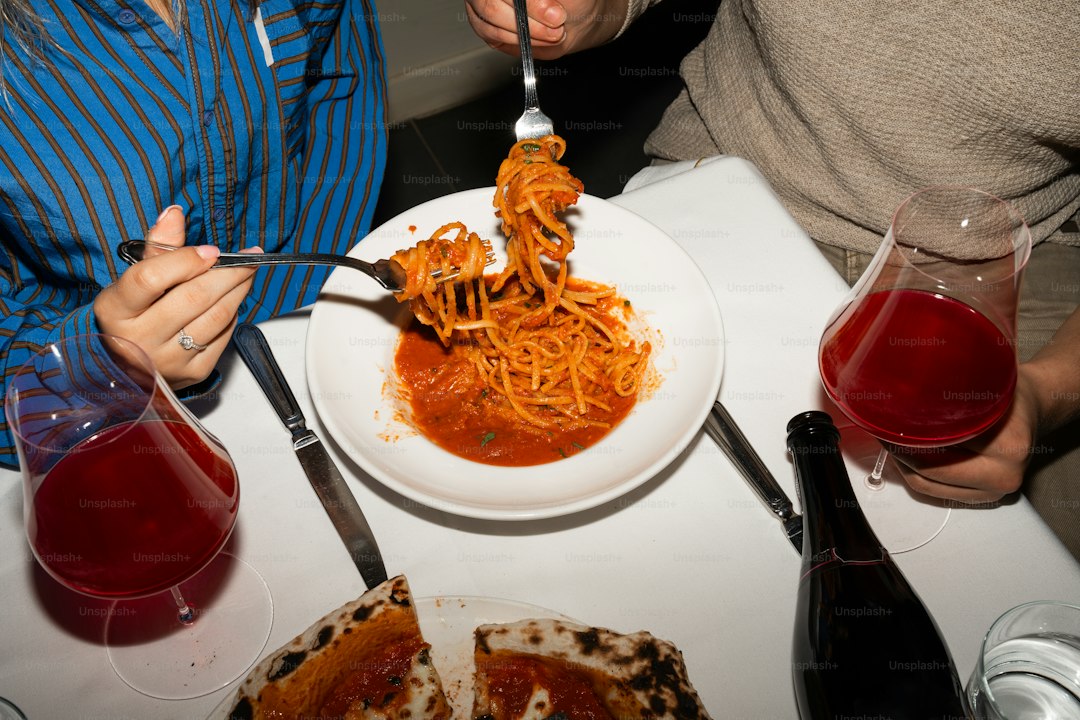
Let’s start with the coperto, because this is the line item that trips up more travelers than almost anything else on an Italian bill. The word literally means “covered,” and it traces back to medieval inns where a small coin paid for your bread, salt, and a napkin—pretty wild to think that a tradition from the 1300s is still showing up on your dinner tab in 2026. Under Italian law, the coperto has to be clearly listed on the menu before you order, and if it isn’t, you’re within your rights to refuse paying it. I’ve seen it range from €0.50 in a rustic Sicilian trattoria to €2.50 at a formal restaurant in Rome, and that variation isn’t random—it reflects real differences in local cost structures and what the charge actually covers. In some upscale places, that coperto includes a little amuse-bouche or a basket of local focaccia, so it’s not just about the tablecloth; it’s a small culinary gesture embedded in the fee. But here’s the critical point: the coperto is not a tip, not a service charge, and adding extra money on top of it because you think you’re covering the server is a genuine misunderstanding that I see all the time.
Now, servizio—or servizio incluso, as it often appears—is where the confusion really compounds, because it’s a separate, mandatory fee that typically runs 12–15% of your total. This charge is not a gratuity in the American sense; it’s a fixed line item that goes into a general pool, often split across the entire staff including the kitchen and the dishwasher, not just the person who brought your pasta. When you see both coperto and servizio on the same bill, the servizio is already compensating the service team, so adding another tip on top is considered redundant by Italian standards—locals would actually find it odd, and I’ve heard of waiters trying to hand the extra euro back because they assume you misread the total. A little-known fact that surprised me: some restaurants use the servizio charge to offset credit card processing fees, which can run 1.5–2% per transaction, so it’s partly an operational cost recovery mechanism. And Italian law protects you from surprises here—unlike in the US where an automatic gratuity for large parties can appear without warning, Italy prohibits adding a mandatory servizio unless it was explicitly stated on the menu before you ordered, which is a pretty strong consumer protection.
The term that’s least understood but arguably most interesting is “cuore,” which means heart and occasionally appears on bills in northern Italy as a voluntary charity donation line. You might see a checkbox asking if you’d like to add €1 to support local food banks or children’s hospitals, and here’s where the trap lies: many tourists mistake it for a mandatory gratuity and feel pressured to check it, but it’s entirely optional and separate from any cover or service fee. I’ve watched people at a restaurant in Turin agonize over that little line, thinking they’re being rude if they skip it, when in reality Italians themselves often leave it blank without a second thought. The cuore charge is a relatively modern innovation—some say it started with a cooperative of restaurants in Emilia-Romagna around 2018—and unlike the coperto, it has no legal mandate at all. So when you’re reading your conto, here’s the simple mental flowchart I use: coperto is the mandatory cover for bread and linens, servizio is the mandatory service fee that covers the whole staff, and cuore is an optional charity add-on that you can politely decline. And if both coperto and servizio are present, as they often are in tourist-heavy cities like Florence, the 2026 etiquette guide from local tourism boards is unambiguous: do not add another tip, because the servizio already handles it. The historical practice of “la mancia”—handing a small coin directly to the waiter with eye contact—survives only in a handful of old trattorias, but even there, the amount matters far less than the human gesture. Honestly, the most valuable skill you can develop is just recognizing these three terms on the page before you even think about pulling out your wallet.
Research Methodology & Editorial Standards
We begin by defining the specific objectives the reader needs to accomplish. Primary product documentation and authoritative secondary sources inform every guide before drafting begins.
Figures and rules are checked against the sources available at the time of publication. Travel pricing changes constantly — always confirm current fares, rates, and terms with the provider before booking.