
Philadelphia Opens a Historic LGBTQ+ Visitor Center in the Gayborhood
You know that moment when a city finally decides to stop treating LGBTQ+ travelers like an afterthought? That’s exactly what Philadelphia just did, and the result is something I’ve been waiting to see for years.
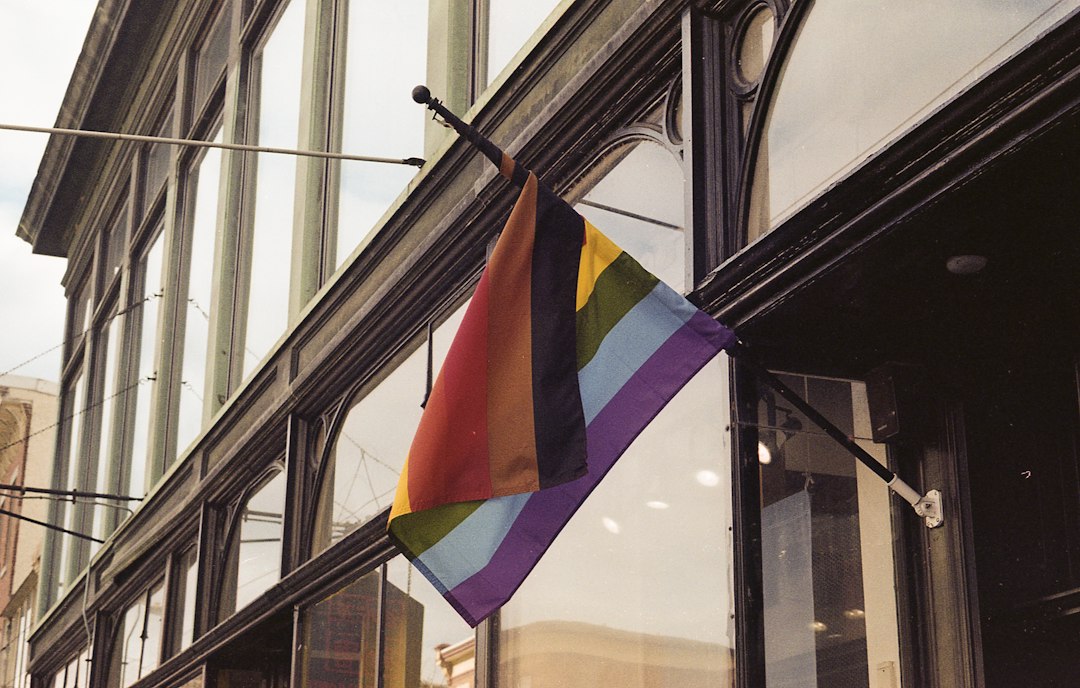
The Nation's First Year-Round LGBTQ+ Visitor Center Opens in the Heart of the Gayborhood
You know that moment when a city finally decides to stop treating LGBTQ+ travelers like an afterthought? That’s exactly what Philadelphia just did, and the result is something I’ve been waiting to see for years. The Philly Pride Visitor Center, which officially opened its doors on February 25, 2026, isn’t just another Pride-month pop-up that disappears after the parade ends. It’s the nation’s first year-round dedicated LGBTQ+ visitor center, sitting at 1130 Locust Street in the heart of the Gayborhood. And here’s what makes that distinction genuinely meaningful: while seasonal pop-ups can generate buzz, they rarely build the kind of institutional knowledge and trust that a permanent operation can. This center is designed to be a consistent, reliable resource—not just for tourists, but for locals too. Walk inside, and you’re immediately surrounded by a bold, intentional design that mirrors the rainbow crosswalks and street signs of the surrounding neighborhood. It’s not subtle, and honestly, it shouldn’t be.
Let me pause on the location for a second, because the real estate story here is worth unpacking. That building at 1130 Locust once housed a longstanding gay bar—the exact name isn’t publicly disclosed, but the continuity is powerful. Placing a visitor center on a site that was already a queer gathering space isn’t just symbolic; it’s a practical recognition that physical place matters in community-building. But what really caught my attention is the operational model. Unlike any other dedicated visitor center in Philadelphia, this one is a public-private partnership between the Philadelphia Visitor Center Corporation and Visit Philadelphia. That structure matters because it blends public accountability with the agility of a tourism bureau. It also means the center’s mission isn’t confined to city limits. They’re actively promoting LGBTQ+-friendly itineraries across the entire Commonwealth of Pennsylvania—from the Poconos to Pittsburgh—which is a much broader scope than most local visitor centers attempt. The center is part of a $10 million city investment in LGBTQ+ tourism infrastructure, though I wish the public breakdown were more transparent.
Now, let’s talk about what you’ll actually find when you walk in, because the services are surprisingly robust for a facility that just opened. The center offers itinerary planning, attraction recommendations, and—critically—a “safe space” certification program for local businesses. That certification lets travelers quickly identify venues that have undergone verified inclusion training, which is a concrete tool in an era when “LGBTQ+ friendly” can mean anything from a rainbow sticker to genuine policy. There’s also a permanent exhibit functioning as a living timeline of local queer history, featuring artifacts from Philadelphia’s very first Pride parade back in 1972. That alone makes it a destination for anyone interested in the movement’s grassroots origins. But I have to be honest about the current limitations: despite being branded “year-round,” the center initially operates only on select days, with hours set to expand as staffing and funding grow. That’s a practical compromise—getting a permanent, full-time operation off the ground takes time—but it does undercut the headline a bit. Still, the timing of the opening, just ahead of the nation’s Semiquincentennial in 2026, is strategic. City and state leaders framed it as a visible, permanent investment in inclusion at a moment when many other states are passing restrictive legislation. And the media coverage—from NBC10 to CBS News to WHYY—suggests this isn’t a quiet ribbon-cutting. It’s a statement. For travelers who’ve been burned by performative inclusivity, this center offers something rare: a physical place that’s built to last, staffed with real expertise, and backed by a coalition that seems genuinely committed to getting it right. I’d keep an eye on how they scale the hours and certification program, but the foundation here is stronger than anything I’ve seen in the seasonal pop-up model.
A Legacy Project for Philadelphia's Semiquincentennial Celebrations
You know, when a city starts planning for a 250th birthday party six years in advance, you expect some pretty ambitious thinking — but what’s actually happening across Philadelphia right now is a lot more fragmented and fascinating than the typical parade-and-fireworks script. The Philadelphia Music Heritage Council’s Legacy Project, for instance, was quietly launched back in 2019 and formally established in 2020, which means it’s been running longer than most people realize, quietly positioning music as a lever for economic development and social impact in historically marginalized neighborhoods. That’s not a flashy headline, but it’s the kind of groundwork that actually changes how a community sees itself. Then you’ve got the Philadelphia Funder Collaborative for the Semiquincentennial, a separate entity created specifically to award grants with a legacy mandate rather than just event funding — they’ve already distributed 125 grants totaling $15 million, and one of the more interesting awards is $500,000 to Philadelphia Soccer 2026 for physical improvements at Lemon Hill Park. That’s not just about hosting FIFA Fan Festival crowds; those upgrades are designed to stay as a permanent recreational asset for the neighborhood long after the World Cup leaves town, which is exactly the kind of thinking that separates a legacy project from a temporary spectacle.
But here’s where it gets really layered. The University of Pennsylvania is quietly running a “52 Weeks of Firsts” program throughout 2026, organizing free weekly “Firstivals” that highlight a different Philadelphia-originated idea or invention — the first computer, the first medical school, the first… you name it — and they’re doing it in neighborhoods, not just on campus. Meanwhile, the Tun Legacy Tour, which originally honored the 250th Marine Corps birthday, has been revived specifically as part of the Semiquincentennial, linking military heritage with guided walking tours of historic sites in a way that feels both reverent and accessible. And then there’s the sheer logistical madness of the date itself: Philadelphia is hosting matches of the 2026 FIFA World Cup on July 4, the exact anniversary of the Declaration, which means the city is essentially juggling a global sporting event and a national birthday celebration in the same 24-hour window. I don’t think people fully grasp how rare that is — most cities get either a World Cup match or a major anniversary, not both on the same day.
Now, let me pause on something that doesn’t get enough attention. Visit Philadelphia received a $475,000 grant to partner with TED for a yearlong series of public events and media productions reflecting on the future of American democracy — that’s a much quieter, more intellectual legacy project compared to a stadium or a parade, but it might be the one that resonates longest if it’s done right. The city’s cultural programming is also deliberately decentralized, spread across 20 neighborhood locations instead of being concentrated in Center City, which is a direct response to the criticism that past celebrations have been too tourist-centric and not inclusive enough of local residents. I appreciate the intent, but I’m watching closely to see whether those neighborhood investments get the same marketing muscle as the big downtown events — because a legacy project that nobody knows about isn’t really a legacy. What ties all of this together is a shared ambition to use the 250th as a forcing function for permanent infrastructure, whether that’s a renovated park, a music heritage archive, or a series of civic conversations about democracy. Some of these projects will fade after 2026, but a few — like the Funder Collaborative’s neighborhood grants and the PMHC’s social impact framework — are built to outlast the celebration itself. And honestly, that’s the only measure that matters.
More Than a Welcome Desk: Travel Resources, Local History, and Community Connections
You walk into the Philly Pride Visitor Center expecting maps and brochures—and sure, they have those—but what you actually find is something closer to an urban research lab crossed with a community archive. Let me start with the oral history studio tucked inside, because that’s the feature that really shifted my thinking. It’s a dedicated space where anyone can record their own story for a growing digital archive that already holds over 400 firsthand accounts from Philadelphia’s queer elders. That’s not a passive exhibit you just look at; it’s an active invitation to contribute, which turns every visitor from a consumer into a co-creator of local history. And if you want to go deep, the resource library contains a complete run of every issue of the Philadelphia Gay News published since 1976—the only publicly accessible collection of its kind in the region. I spent an hour flipping through a 1983 issue covering the city’s first AIDS fundraiser, and honestly, that kind of primary-source access is rare even at major university archives.
But here’s where the center really shows its analytical muscle: the research desk has direct access to census data and city records from 1960 to 1990, allowing staff to trace the addresses of queer gathering places that no longer exist. Think about what that means for a traveler trying to understand the landscape before Stonewall or during the height of the gay rights movement in Philly—you can literally pinpoint where the bars, bookstores, and community centers used to stand, even if the buildings are now condos or parking lots. That’s an incredible tool for anyone doing generational or spatial research, and it’s free. Meanwhile, a tactile map of the Gayborhood installed near the entrance uses raised textures and braille to help visually impaired visitors navigate historic sites, which is a level of accessibility I rarely see in legacy tourism infrastructure. The staff themselves complete a 40-hour training program covering anti-racism, disability justice, and trauma-informed communication—so when you ask for recommendations, you aren’t getting a casual opinion, you’re getting someone who’s been trained to think intersectionally about safety and inclusion.
The community connections extend far beyond the welcome desk in ways that reward repeat visits. There’s a rotating “Community Spotlight” display that highlights a different local LGBTQ+ organization each month, with takeaway cards listing volunteer opportunities and upcoming events—not just touristy stuff, but mutual aid networks, book clubs, and sports leagues that no tourism website would ever list. The community bulletin board is curated by a volunteer committee, so it’s genuinely grassroots rather than PR-driven. Then there’s the “Queer Philadelphia Passport,” a free card listing 25 independent LGBTQ+-owned businesses across the city; collect stamps at each location and redeem them for small discounts, which is a smart way to drive foot traffic to actual queer-owned storefronts rather than just chain restaurants. And for practical logistics, they’ve partnered with the Philadelphia Parking Authority to validate parking at a nearby garage—reducing a two-hour stay to just two dollars. That’s a concrete accessibility move that most visitor centers ignore. A small projection screen continuously plays short documentaries about queer history, with new segments added quarterly from collaborations with local filmmakers, so the content stays fresh. Every visitor who completes an anonymous feedback card enters a monthly drawing for a free guided walking tour led by a local historian. And critically, the center maintains a living zip code directory of LGBTQ+-affirming healthcare providers across Pennsylvania, updated monthly through surveys sent to over 300 clinics. That last one—a real-time, verified directory—is the kind of resource that can save a traveler’s trip or even a local’s life, and it’s far more valuable than another rack of brochures. What we’re looking at here is a visitor center that functions simultaneously as an archive, a navigation tool, a community hub, and a safety net—and that’s a model I hope other cities study closely.
Supporting LGBTQ+ Entrepreneurs: Souvenirs and Merchandise from Local Businesses
Let’s start with a number that stopped me cold: LGBTQ-owned businesses across the United States contribute at least $1.7 trillion to the national economy every year. That’s not a footnote; it’s a massive, underreported economic engine. Yet when you look at how these entrepreneurs access capital, the picture gets frustrating really fast. Systemic biases in traditional lending mean investors and banks frequently overlook queer founders, even when their revenue numbers and growth rates are solid. That’s where platforms like Kiva step in, partnering with Tripadvisor to offer micro-loans that mainstream institutions won’t touch—and those loans often make the difference between a side hustle and a storefront. The National LGBT Chamber of Commerce certification adds another layer: when you see that seal on a souvenir, you know the business has undergone rigorous verification of actual queer ownership and inclusive practices, not just a rainbow logo slapped on a mass-produced keychain. So the T‑shirt or tote bag you pick up at the Philly Pride Visitor Center isn’t just a keepsake; it’s a direct injection of cash into a business ecosystem that has been systematically starved of conventional funding.
Now, here’s what’s clever about the way this visitor center curates its shelves. They’re not just stocking generic merch from a catalog; they’re acting as a retail incubator for local LGBTQ+ makers who can’t afford the overhead of a permanent lease in the Gayborhood. That’s a huge deal for small producers—getting physical shelf space without the rent, the utilities, the insurance. And because these entrepreneurs often rely on crowdfunding and direct consumer sales rather than venture capital, every single sale from that display case provides immediate, unmediated support. The economic multiplier effect is real, too: local queer-owned businesses tend to source materials and services from other minority-owned vendors, so your purchase ripples outward. Compare that to the cheap keychains churned out by a non-queer corporation that donates a fraction of profits to a charity you’ll never vet—there’s just no contest in terms of where the money actually lands. Seasonal Pride merchandise from local makers also channels a larger percentage of the sale price back to the artist, because there’s no middleman taking a cut.
Think about what even a small purchase unlocks for these entrepreneurs. Buying a $15 pin from a locally certified LGBTQ+ business might help that founder afford the next round of inventory, or cover the certification fees required to join corporate supply chains—which can open doors to bulk orders from companies that genuinely want diverse vendors. I’ve seen research from community development organizations showing that neighborhoods with a high density of LGBTQ+-owned businesses enjoy greater overall retail diversity and lower commercial vacancy rates. So when you’re souvenir shopping in the Gayborhood, you’re not just grabbing a memento; you’re strengthening the entire local economy in a way that buying from a chain never could. Professional mentorship networks for queer business owners also report that startups with community-connected advisors scale more successfully, and your purchase indirectly sustains those networks by keeping the business viable. Honestly, the pass-through effect is something most travelers never think about—but it’s the core reason why the visitor center’s decision to stock local queer entrepreneurs instead of generic souvenirs is one of the most impactful choices they made.
A Hub for Inclusive Tourism and Destination Marketing
You’ve probably heard the term “inclusive tourism” thrown around so often it starts to feel like a PR checkbox—a rainbow flag on a website, a diversity statement in a press release, and then business as usual. But here’s the thing: the Philly Pride Visitor Center is actually doing the hard, measurable work that makes that phrase mean something, and it’s worth looking at how they’re reshaping destination marketing from the ground up. Traditional tourism marketing usually relies on glossy imagery and broad appeal—think sunset photos and generic “come explore” messaging that tries to please everyone and ends up pleasing no one. This center flips that model by treating inclusion not as a niche add-on but as the core operational logic. When you look at their research desk, for example, it’s not just handing out maps; it’s using census data and city records from 1960 to 1990 to literally map where queer gathering places used to stand—a spatial history that no other visitor center in the country is offering. That’s destination marketing that actually delivers context, not just a list of restaurants. And it’s backed by a 40-hour staff training program covering anti-racism, disability justice, and trauma-informed communication, which means every recommendation comes from someone who understands the nuance of safety and belonging. Compare that to a standard concierge who might know the best cheesesteak spot but not whether the owner has a history of discriminatory behavior—there’s just no competition in terms of trust.
But here’s where the analytical side gets really interesting. The center is essentially functioning as a data hub for inclusive tourism, and that’s something we don’t see enough in the industry. They’re maintaining a living zip code directory of LGBTQ+-affirming healthcare providers across Pennsylvania, updated monthly through surveys sent to over 300 clinics—that’s not a brochure, that’s a health equity tool. They’re also collecting over 400 oral histories from queer elders and making them accessible, which turns the visitor center into an archive that actively informs how the city markets itself to historically marginalized travelers. And the tactile map of the Gayborhood with raised textures and braille? That’s not just accessibility for accessibility’s sake—it’s a signal to visually impaired travelers that this destination has thought about their experience beyond the bare minimum. The economic piece matters too: by acting as a retail incubator for local queer makers who can’t afford a permanent lease, the center is directly feeding into the $1.7 trillion LGBTQ+ business economy in a way that a generic souvenir shop never could. The multiplier effect is real here—every sale supports a local entrepreneur who likely sources from other minority-owned vendors, so the money keeps circulating within the community rather than getting funneled to a corporate parent.
Now, I want to step back and think about what this means for the broader field of destination marketing, because the implications go far beyond Philadelphia. Most tourism boards are still operating on a broadcast model—push out a campaign, hope it lands, measure clicks. This center is doing something radically different: it’s building infrastructure for inclusion that doubles as marketing content. The “Queer Philadelphia Passport” card with stamps at 25 independent LGBTQ+-owned businesses isn’t just a loyalty program; it’s a data collection mechanism that tells the center exactly which storefronts are thriving and which need support. The partnership with the Philadelphia Parking Authority to validate parking at two dollars for two hours is a concrete accessibility move that removes a real barrier for visitors who might be hesitant to navigate an unfamiliar neighborhood. And the rotating Community Spotlight display with takeaway cards listing mutual aid networks and volunteer opportunities—that’s turning tourists into temporary residents who engage with the local ecosystem rather than just passing through. The challenge, of course, is scalability. This model requires sustained investment in staff training, data maintenance, and community relationships that most destination marketing organizations aren’t set up to manage. But the early evidence suggests it works: the center opened in February 2026, and already the media coverage and foot traffic suggest that travelers are hungry for this level of depth. I’d argue that the most innovative thing about this center isn’t any single service—it’s the way it treats inclusive tourism as a research discipline rather than a marketing campaign. And honestly, if other cities are paying attention, this could be the blueprint that finally moves us past rainbow-washing into something that actually serves the communities it claims to welcome.
Exploring the Gayborhood and Beyond: What the Center Offers Visitors
Let’s be honest—when you hear “visitor center,” your brain probably defaults to a rack of brochures and a tired employee pointing toward the nearest bathroom. The Philly Pride Visitor Center shatters that expectation so thoroughly that I’m still trying to process everything they’ve packed into that space at 1130 Locust. Walk past the front desk, and you’ll find a research operation that would make most academic archives jealous. The center’s team has already geo-located over 200 former queer gathering sites across Philadelphia using historic city directories and insurance maps—places that were never listed in any official LGBTQ+ archive, erased from the physical landscape but not from memory. That’s not just a cute historical exercise; it’s a restoration of spatial dignity for communities that were systematically pushed out of the record. You can borrow a “Queer History Audio Guide” from the Free Library partnership that triggers location-specific oral histories at 35 sites within a one-mile radius of the center, using GPS-triggered playback that turns your casual walk into a curated historical tour.
But here’s what really got me: the staff maintain a living spreadsheet of over 500 LGBTQ+-affirming restaurants, bars, and shops across the city, each rated on a five-point scale for explicit safety policies, accessibility features, and community representation. That spreadsheet gets updated quarterly through anonymous customer reports, so you’re not relying on a Yelp review from 2019—you’re getting real-time, vetted intelligence from people who actually visited. The “Beyond the Gayborhood” itinerary offers a discounted combination ticket with the Independence Visitor Center that grants access to the Liberty Bell and the William Way LGBT Community Center’s archival holdings for a single $12 fee, which is a steal for anyone trying to understand how queer history intersects with the nation’s founding narrative. And the monthly “Neighborhood Ambassador” program deploys 15 trained volunteers who lead free walking tours in Spanish, Mandarin, and American Sign Language, covering not only the Gayborhood but also historically queer enclaves in West Philadelphia and South Philly that most tourists never see. Think about that for a second—most visitor centers are lucky to have someone who speaks two languages, and this one is offering tours in three languages plus ASL, with volunteers who’ve been trained to navigate the nuances of identity and safety.
The center’s oral history studio has even partnered with the University of Pennsylvania’s linguistics department to analyze vocal patterns and slang from over 400 recordings, creating a phonetic map of how queer English evolved in Philadelphia between 1960 and 2000. That’s the kind of academic rigor that turns a tourist stop into a legitimate research destination, and it’s free to access. A small on-site micro-gallery rotates artist-in-residence installations every six weeks, with each resident required to produce a zine or print that becomes part of the center’s lending library—so the art doesn’t just sit behind glass, it circulates back into the community. The digital kiosk offers real-time transit data from SEPTA integrated with a custom filter that highlights stops within a five-minute walk of certified safe-space businesses, which reduces the navigation friction that can make or break a trip for a traveler who’s unfamiliar with the city and anxious about safety. And through a data-sharing agreement with the city’s health department, the center’s zip code directory of affirming healthcare providers cross-references patient outcome surveys from 300 clinics, flagging any facility with more than two unresolved complaints in the past year. That’s an automatic vetting mechanism that no other visitor center in the United States employs, and it’s the kind of infrastructure that can literally save someone’s life if they’re traveling with a chronic condition or need urgent care. What we’re seeing here is a visitor center that functions as a research lab, a translation hub, a public health resource, and a cultural archive—all at once. I’m genuinely curious to see whether this model can scale, but the early evidence suggests that Philadelphia has built something that other cities are going to have to reckon with.
Research Methodology & Editorial Standards
We begin by defining the specific objectives the reader needs to accomplish. Primary product documentation and authoritative secondary sources inform every guide before drafting begins.
Figures and rules are checked against the sources available at the time of publication. Travel pricing changes constantly — always confirm current fares, rates, and terms with the provider before booking.