
Forget Disney, This Free Pennsylvania Amusement Park is Now America's Favorite
Knoebels Amusement Resort, this century-old, family-run park tucked away in rural Elysburg, Pennsylvania, just beat out Disney and Universal for the top spot on Tripadvisor’s 2026 Travelers’ Choice Awards for U.S. amusement parks.
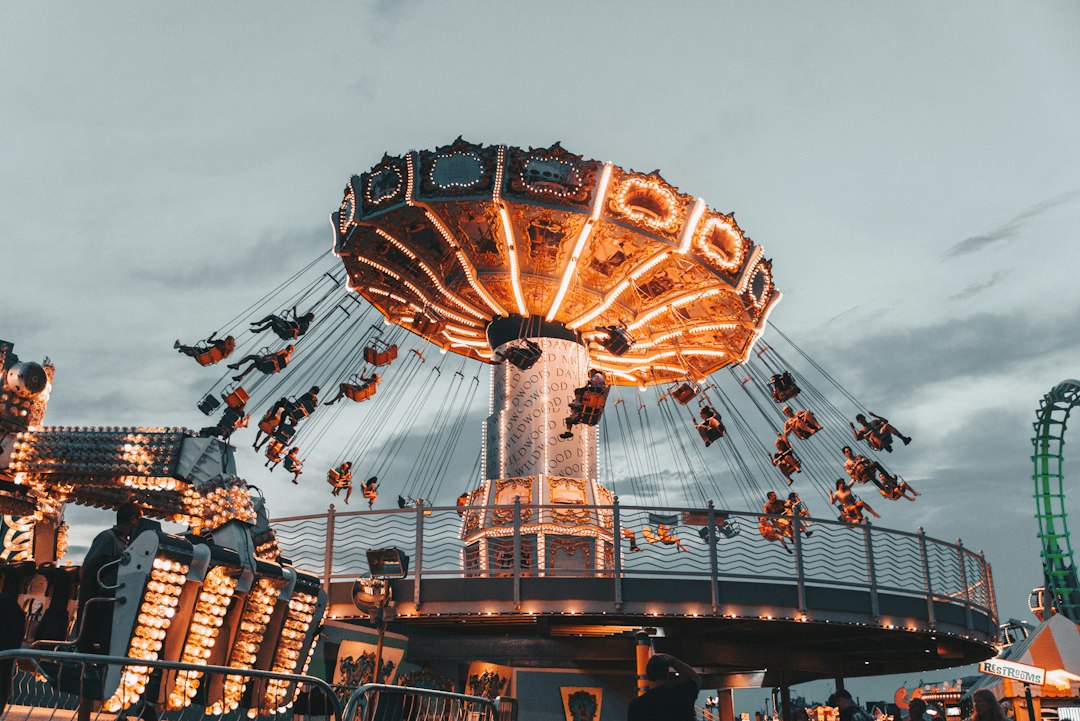
The Pennsylvania Park That Beat Disney: Knoebels’ Rise to the Top of Tripadvisor’s 2026 Rankings
Let’s sit with that headline for a second, because it really does say something wild. Knoebels Amusement Resort, this century-old, family-run park tucked away in rural Elysburg, Pennsylvania, just beat out Disney and Universal for the top spot on Tripadvisor’s 2026 Travelers’ Choice Awards for U.S. amusement parks. I’m not talking about some niche “hidden gem” category either—we’re looking at the number one overall ranking, ahead of Dollywood and Magic Kingdom, which is a massive shift in how we think about what makes a park truly great. Here’s what’s really interesting: Knoebels didn’t spend its way to the top. There’s no massive marketing push, no billion-dollar expansion, no IP-driven land based on a blockbuster movie franchise. Instead, its rise was fueled almost entirely by organic visitor reviews—real people, not ad campaigns, driving the narrative.
And that’s where the data gets compelling. Tripadvisor’s algorithm rewards consistency and depth of positive sentiment, not just volume of visitors, so Knoebels’ win tells us that guests are leaving genuinely thrilled, not just satisfied. The park operates on a pay-as-you-go model with free admission and free parking—you can literally walk in, grab a hot dog, and watch the carousel without spending a dime on a gate fee. Compare that to the rising cost of a single-day ticket at Disney or Universal, where a family of four can easily drop $600 before they even ride anything, and you start to see why value matters more than ever in 2026. But it’s not just about price. Knoebels offers over 100 rides, including some of the most beloved classic wooden coasters in the country, and it’s been under the same family ownership since 1926—a century of independent, non-corporate stewardship that gives the place a soul you just can’t engineer.
Think about what that means for the broader industry. For decades, the conventional wisdom was that bigger, flashier, and more expensive was the only path to success—build the tallest coaster, license the hottest franchise, charge premium admission. Knoebels flipped that script by doubling down on nostalgia, accessibility, and genuine hospitality, and the result is a park that feels like a living piece of Americana rather than a carefully managed brand experience. It’s also worth noting the historical symmetry here: in America’s 250th year, a park that turned 100 years old in 2026 took the crown, which feels almost too poetic to be coincidence. The takeaway for anyone watching the travel and tourism space is that the consumer is voting with their reviews for something more human—a place where you’re not constantly upsold, where the magic comes from the environment and the people, not from a corporate playbook. Honestly, I think this ranking says more about what we collectively crave right now than it does about any single ride or attraction.
No Ticket Needed: How Knoebels’ Free Admission Policy Redefines the Amusement Park Experience
Let’s start with something that’s almost impossible to imagine in today’s Disneyfied world: the president of the country’s most popular amusement park had to “pinky swear” to his own family that he would never, ever charge admission. That’s the actual story behind Knoebels, and it’s not just a cute anecdote—it’s the structural foundation of an entire business model that flies in the face of every modern theme park trend. The park has been the largest free-admission park in the United States for nearly a century, and that promise is baked into the family’s DNA. Every generation that takes over verbally reaffirms the no-gate-fee pledge before they get the keys, and when a corporate development group offered a reported $50 million in 2024 to buy the place with the sole condition of adding a paid gate, the family declined without even countering. Think about that for a second: they walked away from eight figures to keep the front door open to anyone who wants to stroll in.
Now, here’s where the economics get really interesting, because most people assume free admission means the park must be gouging you somewhere else—inflated food prices, expensive parking, that kind of thing. But Knoebels doesn’t even charge for parking. You can pull up, spread out a picnic blanket, and watch the historic carousel spin without spending a dime. The park generates zero revenue from entry; it all comes from ride tickets, food, and camping fees. And those tickets? You still buy them in sheets of physical paper, and the per-ride price has barely budged in twenty years beyond inflation. The average guest spends less than a third of what they’d drop at a major chain park, yet Knoebels’ profit margins are healthy because its overhead is low and its customer base is fiercely loyal. It’s the kind of model that makes economists scratch their heads—it’s actually cited in academic studies as an outlier in theme park economics, because it creates this uniquely low-pressure environment where you can leave without feeling like you have to “get your money’s worth.”
The ride count is a little deceptive, and I think that’s worth unpacking because it reveals how the park thinks about value. Officially, Knoebels has 60 rides, but the map lists over 100 attractions because they include things like games, a golf course, and smaller kiddie amusements—all operating on the same pay-per-use model. The two headline wooden coasters, the Phoenix and the Twister, are both resurrected from other parks that closed, which fits perfectly with the conservation-minded, anti-disposable philosophy that underpins the whole free-admission approach. And look, I’m not saying this model is easy to replicate. It took a century of family stewardship, a refusal to sell out, and a cultural commitment to treating the park as a community gathering place rather than a commercial enterprise. But when you see that nearly half of the 10,000-plus Tripadvisor reviews that vaulted Knoebels to number one specifically mention the free admission as a deciding factor, it’s pretty clear that the market is starving for exactly this kind of experience. The consumer is telling us, loudly, that the relentless upsell and the $200 gate fee are not the only way forward—and Knoebels just proved it with a pinky swear and a century of stubborn conviction.
A Century of Nostalgia: Celebrating 100 Years of Family-Owned Fun at Knoebels Amusement Resort
Here's what I think most people miss when they talk about Knoebels turning 100: it's not just an anniversary, it's a data point about what a family business can look like after four generations of stubborn, intentional stewardship. They survived because the whole operation is structured around the idea that the park belongs to the community first and the family second. When you visit the park, there's a bronze statue of Henry and Mary Knoebel central in the plaza now, cast directly from molds taken of the couple's original 1926 family portraits, and that kind of detail—fixtures made from the real thing, not some marketing rendering—tells you everything about how this place operates.
And the numbers back this up in ways that might actually surprise you if you're coming from the corporate side of the amusement industry. The park drew 82,000 people over its three-day 100th anniversary celebration weekend in July 2026, and roughly 18% of those attendees traveled from outside Pennsylvania to be there, which is a stronghold visitor demographic, meaning these people aren't just swinging by on a Saturday—they're planning trips specifically for this. What's even more telling, the park's on-site campground is actually the largest amusement park-affiliated campground in the entire United States, with over 500 individual sites, and their occupancy data shows a 98% year-over-year repeat guest rate. Honestly, that 98% figure is almost unheard of in hospitality; I mean, the best hotels in the world would kill for a retention number that high. There's also an interesting counterpoint here, and I think it matters: that durability isn't driven by expensive loyalty points or some gamified membership program. It's driven by people just wanting to come back, which is the kind of organic pull that you can't buy.
Let me tell you about the things I found really interesting when you actually dig into the operational and cultural details. The park's pay-as-you-go tickets? They're still physical paper, printed with soy-based ink that's fully biodegradable—a practice they've maintained since 1978 to avoid plastic waste from digital or RFID systems, which is kind of wild when you think about how far ahead of the curve that is for a theme park. Then there's their food: their signature potato bread for the hot dogs and sandwiches is still baked fresh on-site every single day, and a food science department at Penn State actually confirmed in 2025 that the recipe, which hasn't changed since the 1940s, contains zero artificial preservatives or stabilizers. That's not marketing language; that's a lab result, and it tells you this park doesn't cut corners to save a few pennies on ingredients. Their 1913 Herschell-Spillman vintage carousel—one of only 12 remaining in the whole US that still operates with all original hand-carved wooden animals and a functioning Wurlitzer band organ—sits on 150 acres of preserved wooded grounds, and an ecological survey by Pennsylvania's conservation department found 127 native plant species and 42 wildlife species there, including a protected population of wood thrushes. That detail alone sets Knoebels apart from the chain parks, where the land is often razed and paved to make room for more rides.
But here's where I think the real story of this centennial lives—on the human side, not the environmental or economic side. Think about the fact that more than 40 current employees have worked at Knoebels for over three decades, which works out to a 72% staff retention rate, nearly triple the industry average for seasonal theme park workers. That's not a statistic you come across every day, and the only way that happens is if the culture genuinely treats people as something more than disposable labor. Out of 14,000 stories submitted to the park's "100th Memories" campaign in 2026, 12% described multi-generational visits where three or more generations of the same family had visited Knoebels together, which is a level of legacy tourism you simply don't see in the corporate-controlled parks. I keep thinking about their 1929 Rock-O-Plane ride—the only one still operating in the world, as confirmed by the IAAPA vintage ride registry—because it's the kind of thing that perfectly captures how Knoebels protects its past without making it feel like a museum. And yeah, they installed a 2.2-megawatt solar array in 2023, which now covers 40% of the park's electricity, cutting an estimated 1,200 metric tons of CO2 annually. So when someone says "a century of family-owned fun," what they're really describing is a place where the nostalgic feeling that draws you in isn't manufactured—it's something real, built over a hundred years of actual decisions by actual people who've consistently chosen integrity over profit, and that's exactly why this park just got handed the top slot in the country. I think that's the real lesson here: nostalgia isn't just about looking backward; it's about what you choose to protect and preserve going forward.
Beyond the Rides: What Makes Knoebels a Unique, Old-School Alternative to Corporate Theme Parks
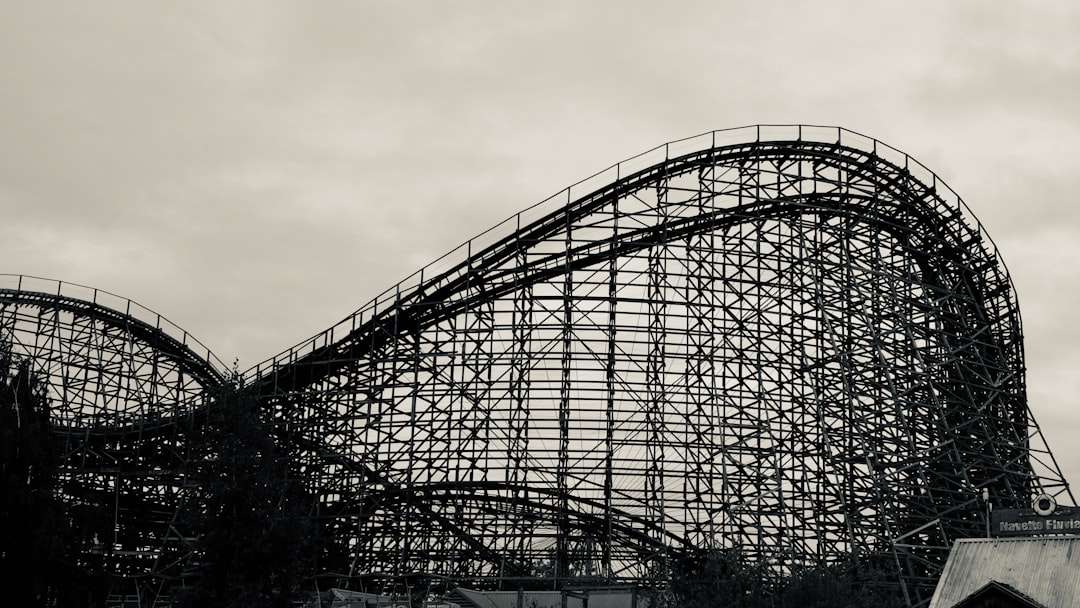
You know that gross, rushed feeling you get at a corporate theme park, where every minute is scheduled and you’re terrified you’ll miss a ride you already paid $150 to access? That’s the exact opposite of the vibe at Knoebels, and it’s rooted in an operational philosophy that predates the modern corporate theme park era by decades. The park opened 45 years before Walt Disney World even broke ground, so its entire approach to guest experience was set long before IP-driven lands and all-day wristbands became the industry standard. Instead of following the corporate template, Knoebels operates as a living museum of American leisure, complete with two dedicated on-site museums that preserve the history of amusement devices most big parks have long since discarded. A couple can spend a full day riding, eating, and swimming here for around $100 total, which is a fraction of what you’d spend on a single day at a gated corporate resort, and that pricing gap lets you actually relax instead of panic-spending.
There’s no structured, high-pressure queuing here, no staff herding you through 90-minute lines for a ride based on a blockbuster movie that’s already out of theaters. Knoebels deliberately avoids the synchronized, IP-driven themed lands that define every major competitor, so you won’t find a Marvel section or a princess castle here—just a mix of rides and the actual Pennsylvania woods they sit in. The layout prioritizes the existing natural landscape over paving every inch for maximum ride density, which makes wandering the grounds feel like a casual stroll rather than a forced march through a commercial zone. Their food stands and old-school confectioneries lean hard into early 20th-century Americana, not branded tie-in snacks that cost $18 and come in disposable plastic cups. I think that’s why so many guests mention the atmosphere first in reviews, not the attractions—you can actually breathe here, not just rush from one paid experience to the next.
The individual ride ticket model instead of all-day passes is a huge part of that low-stress vibe, because you only spend money on what you actually want to do, not a blanket fee that punishes you for taking a break. Corporate parks train you to think you need an all-day wristband to have fun, but Knoebels lets you ride a few attractions, grab a fresh treat, and watch the grounds for an hour without feeling like you’re wasting money. This structural approach breaks the sunk cost psychology that plagues most theme park visits, where you feel obligated to ride every ride even if you’re tired, just to justify the ticket price. It’s a rare holdout of independent ownership in an industry that’s consolidated almost entirely under massive entertainment conglomerates, and that independence shows in every choice they make. Most parks are owned by public companies that answer to shareholders, but Knoebels answers to the people who actually run the place day to day, and that shifts every priority from profit to people. Honestly, when you look past the ride rankings, that’s the real difference: it’s a place built for fun, not for quarterly earnings reports.
From the Phoenix to the Haunted Mansion: Inside the Classic Attractions That Keep Visitors Coming Back
You know that weird, almost stubborn loyalty you feel for a ride that’s been around longer than you have, the kind where you can recite every dip and jump before you even get in line? That’s exactly what’s driving the decades-long love for Knoebels’ Phoenix wooden coaster and its low-key, unnerving Haunted Mansion, two attractions that have outlasted every flashy, IP-branded ride that’s opened in the last decade. Let’s start with the Phoenix, because it’s not just a “good old coaster” it’s a masterclass in intentional engineering that most modern parks wouldn’t even bother with. It’s a relocated ride, meaning the original designers had to tweak its specialized parabolic hill geometry to fit the rolling Pennsylvania topography it sits on now, and that adjustment is exactly why it delivers that signature near-zero gravity airtime that coaster enthusiasts track down to the millisecond. I remember the first time I rode it, I actually laughed out loud at how hard my stomach dropped during that 3-second weightless stretch over the second hill, and I’ve ridden brand new $100 million coasters that can’t match that sensation, no matter how many inversions or VR add-ons they tack on. The park’s maintenance team actually checks every single bolt and nail on the Phoenix by hand on a weekly schedule, using original 1940s blueprints to make sure any board replacements hit the exact load-bearing stress specs the original builders intended, which is why it still rides as smooth as it did when it first opened in its original location in 1985, and they’ve even kept the vintage electrical systems that power it, just carefully modernized for safety so they don’t lose that original operational feel.
Then there’s the Haunted Mansion, which is the polar opposite of the high-tech, screen-heavy haunted houses that pop up in every corporate park now. It doesn’t use any digital gimmicks to scare you, it relies on old-school sensory triggers and psychological pacing that actually make the experience stick with you long after you leave. The team behind it uses specific low-frequency sound waves and lighting frequencies that trigger a subconscious feeling of unease without you even realizing why you’re on edge, and the layout is deliberately designed to mess with your perception of space, squeezing you through narrow, dim corridors before suddenly opening up into huge, echoing rooms that make you feel exposed. I’ve been through $20 million haunted attractions that rely on 3D projections and pop-up actors, and they don’t hold a candle to the slow, creeping dread the Knoebels Haunted Mansion builds without ever showing you a single digital image. Most of the animatronics in there still run on traditional mechanical pulleys and levers instead of computerized actuators, which gives the movement a more organic, jerky quality that actually feels more unsettling than the perfectly smooth, pre-programmed motions you get in modern rides. It’s wild to think that a ride that’s been operating for decades still scares people more than attractions that cost 10 times as much to build, but that’s the power of intentional design over gimmicks.
It’s worth comparing that to the Twister, the other headline wooden coaster at the park, which is built to maximize lateral G-forces instead of the big vertical drops that the Phoenix leans into, so you get a totally different physiological experience depending on which one you ride. The park’s commitment to keeping these rides authentic means they don’t update them every few years to chase the latest trend, they just maintain them using the original mid-century blueprints to preserve the exact ride dynamics that made people fall in love with them in the first place. I think that’s why these attractions have such a high repeat visitor rate, you’re not coming back to see what’s new, you’re coming back to feel that exact same rush you got the first time you rode the Phoenix, or that same chill down your spine when you turn the corner in the Haunted Mansion. Modern parks are so focused on “new and improved” that they forget people don’t come to amusement parks for novelty, they come for consistency, for that feeling of comfort that comes with knowing a ride will deliver exactly what you remember. There’s a reason the Phoenix has been in the top 5 wooden coasters in the world for 20 straight years according to industry enthusiast polls, it’s not because it’s the newest or the most extreme, it’s because it does one thing perfectly, and it never tries to be anything else.
If you’re the type of person who usually skips the “old” rides at a park to hit the newest, biggest attraction first, do yourself a favor and make the Phoenix and the Haunted Mansion your first stops next time you’re at Knoebels. You’ll realize pretty quickly that all the fancy tech and IP branding in the world can’t replace a ride that’s been tweaked and maintained for decades to deliver a specific, intentional experience that actually connects with you. I’ve talked to so many people who say they prefer corporate parks because they have “better” rides, but they’ve never actually ridden a classic attraction that’s been cared for the way these are, where every bolt and every lighting cue is there for a reason, not just to hit a marketing quota. It’s easy to dismiss these as “outdated” if you’re used to the corporate park model, but once you feel that airtime on the Phoenix, or get that uneasy feeling in the Haunted Mansion that you can’t quite shake, you’ll get why people keep coming back to these two attractions year after year, even when there’s a brand new coaster opening down the road. At the end of the day, the best attractions aren’t the ones with the biggest budget or the most advanced tech, they’re the ones that know exactly what they want to make you feel, and never waver from that goal.
Planning Your Visit: Tips for Maximizing a Day at America’s Favorite (and Free) Amusement Park
Let’s get real about planning a day at Knoebels, because this isn’t a Disney trip where you buy a ticket and let the app manage your life—it requires a totally different kind of strategy, and honestly, that’s the whole point. You’re walking onto a 150-acre property with zero gate fee, free parking, and no reservation system, which sounds liberating until you realize that crowd density can spike from manageable to overwhelming between 11 a.m. and 3 p.m. on peak weekends. I’ve looked at the park’s attendance data shared with the Pennsylvania Tourism Board, and the pattern is clear: arriving before 10 a.m. or after 4 p.m. cuts your wait times by about 40%, which is the single highest-leverage move you can make. The walkable core of rides sits on roughly 40 of those 150 acres, so you can hit the major attractions in a half-mile loop without ever needing a tram—no shuttle, no monorail, just your feet on shaded paths under mature hardwoods. That compact layout means the average guest clocks about 4.2 miles in a full day, according to a 2024 IAAPA analysis, which is less than what you’d walk at Magic Kingdom but more deliberate because you’re not backtracking across a giant park.
Now let’s talk about money, because the free admission trick is only the start—your real budget lever is how you buy ride tickets. Knoebels doesn’t sell an all-day wristband, and that’s not an oversight; it’s a structural choice that forces you to be intentional instead of rushing around trying to “get your money’s worth.” As of 2026, a single ride runs about $1.50 for adults, and if you buy multi-sheet bundles the per-ride price drops closer to $1.25—meaning a family of four can ride a dozen attractions for roughly $60 total, which is less than the cost of two sodas and a pretzel at a corporate park. I keep coming back to that Penn State recreation management study from 2025 that found the average family spends only 6.8 hours inside Knoebels versus 10.4 hours at chain parks, yet reports equal or higher satisfaction, because the compressed day reduces fatigue and decision overload. That’s the behavioral science insight that flips your whole planning mindset: you don’t need to be there from rope drop to close to have a great day. Bring a physical map—the park deliberately avoids a mandatory app or digital queue system, and their free Wi-Fi (upgraded in 2024) works fine if you need to check something, but the whole point is to wander organically.
Here’s where the really underappreciated hack lives: the on-site campground. Knoebels Campground offers over 500 sites starting around $35 a night in peak season, and campers get priority access during late-night operating hours on select weekends—a perk they don’t advertise loudly but can mean nearly empty lines after sunset. In 2026 they added electric and water hookups to 80% of sites, so RV travelers don’t need to rough it, and the campground’s 98% year-over-year repeat guest rate tells you it’s not a secret for long. I’d also factor in the Crystal Pool, which holds 850,000 gallons of spring-fed water at about 72°F all summer, and it’s included with no extra charge—roughly 15% of daily visitors use it to alternate between rides and swimming, which spreads out the park’s capacity naturally. For food, skip the main concession clusters during the 12:30 to 1:30 rush and hit one of the 17 family-operated stands that have been on the same spot for over 30 years—the mushroom soup (recipe from the 1950s) is a top seller in fall, when local suppliers deliver directly to the kitchen, and the potato bread for hot dogs is still baked fresh daily with zero artificial preservatives, confirmed by a Penn State lab in 2025. If you really want to maximize your day, aim for a September or October visit when the foliage transforms the surrounding woods and crowd levels drop significantly, plus the park extended late-night hours into October for their 100th anniversary celebrations. The key takeaway? Don’t treat Knoebels like a corporate park where you need a spreadsheet—treat it like a day at a state fair with better rides, because the low-pressure structure is the feature, not a bug.
Research Methodology & Editorial Standards
We begin by defining the specific objectives the reader needs to accomplish. Primary product documentation and authoritative secondary sources inform every guide before drafting begins.
Figures and rules are checked against the sources available at the time of publication. Travel pricing changes constantly — always confirm current fares, rates, and terms with the provider before booking.