
This Beloved Free Admission Amusement Park Just Topped Disney and Dollywood
In 2026, Tripadvisor’s Travelers’ Choice Awards crowned a new number one amusement park in America, and it wasn’t Disney, Universal, or even Dollywood—which had held the top spot for two straight years.
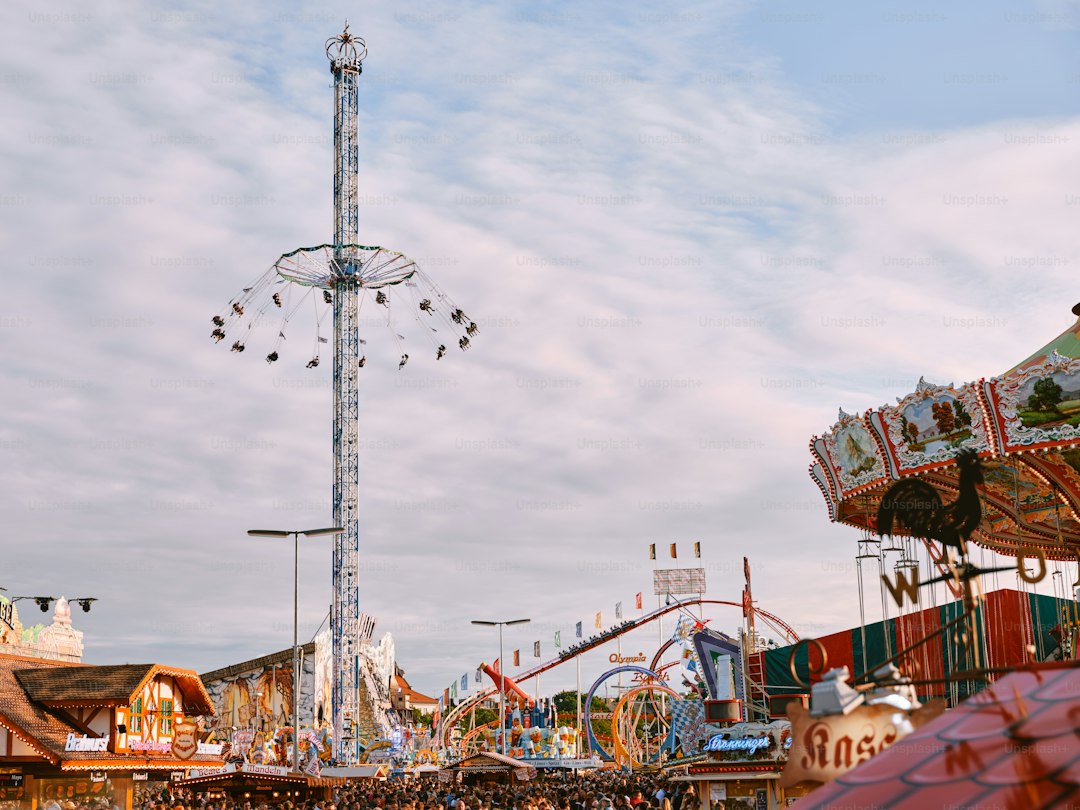
Knoebels Amusement Resort: The Free-Admission Park That Dethroned Disney
Let’s pause for a moment and really sit with what just happened. In 2026, Tripadvisor’s Travelers’ Choice Awards crowned a new number one amusement park in America, and it wasn’t Disney, Universal, or even Dollywood—which had held the top spot for two straight years. Instead, it was Knoebels Amusement Resort, a family-owned gem tucked away in Elysburg, Pennsylvania, deep in the Valleys of the Susquehanna. Now, if you’re like me, your first reaction might be skepticism. How does a park without a single billion-dollar IP, without a Harry Potter world or a Star Wars land, beat the most sophisticated theme park machines on the planet? But here’s the thing: Knoebels doesn’t just compete—it fundamentally rewrites the rules of the game.
The killer advantage is right there in the name: free admission. Not discounted. Not a “buy one day, get one free” trick. I mean, you walk through the gate, park your car, and listen to the live entertainment—all for zero dollars. The model is pay-per-ride, which sounds simple but actually flips the entire incentive structure of the industry. At Disney, you’re paying hundreds upfront just to get in, which means you’re psychologically locked into maximizing every second, often leading to burnout and frustration. At Knoebels, you can show up for an hour, ride the Phoenix twice, eat a pierogi, and leave without feeling like you wasted a mortgage payment. That freedom changes everything about how families experience a day out.
But let’s get into the data, because that’s where this gets really interesting. Knoebels didn’t just edge out Dollywood; it outright dethroned a park that had been Tripadvisor’s darling for 2024 and 2025. And this isn’t some obscure niche poll—the Travelers’ Choice Awards aggregate millions of genuine visitor reviews, so we’re talking about real, boots-on-the-ground sentiment. What are people actually saying? They’re not talking about cutting-edge VR simulators or immersive queue lines. They’re talking about authenticity. About classic wooden coasters that feel like they’ve been there for generations—because they have. About the fact that you can still get a decent meal without taking out a second loan. In an era where every corporate park is chasing the next high-tech gimmick, Knoebels proves that sometimes the most disruptive innovation is simply not charging people to walk in the door.
And here’s the part that really gets me as a researcher: this win exposes a massive blind spot in the strategy of the big players. Disney’s Hollywood Studios did make the top five, sure, but think about the resources behind that park—billions in expansions, the full weight of the Star Wars and Marvel franchises, and a marketing budget that could fund a small country. Meanwhile, Knoebels is still family-owned, still operating in a rural corner of Pennsylvania, and still offering free parking. The gap isn’t just in price; it’s in philosophy. One model is built on extracting maximum revenue per guest through gate fees, upcharges, and lightning lane add-ons. The other is built on trust—trust that if you give people a fair, low-pressure experience, they’ll come back and spend money on the things they actually enjoy. And the reviews suggest that trust is paying off in spades.
So what does this mean for you as a traveler? Honestly, it’s a wake-up call. If you’ve been conditioned to think that a great amusement park day requires a $150 ticket and a meticulously planned itinerary, Knoebels is the antidote. You can buy a roll of tickets or just wander the grounds with zero pressure. The gift cards work anywhere credit cards are accepted, so there’s no weird proprietary currency to deal with. It’s the kind of place where you can actually relax and enjoy the moment, rather than constantly calculating whether you’re getting your money’s worth. And in a world where theme park costs have spiraled out of control, that feeling is more valuable than any simulator.
How TripAdvisor's 2026 Travelers' Choice Awards Ranked America's Top Parks
Let’s walk through exactly how TripAdvisor’s 2026 Travelers’ Choice Awards actually worked to rank America’s top parks, because the mechanics are way more revealing than a simple list. The entire system is built on a rolling 12-month window of genuine visitor reviews—no expert panels, no industry insiders, no editorial picks. To even qualify as a “Best of the Best” winner, a park has to land in the top 1% of all things-to-do listings worldwide on TripAdvisor. That’s a brutally high bar when you consider millions of attractions are competing globally. And here’s what I find fascinating: TripAdvisor’s algorithm aggressively filters out fraudulent or incentivized reviews, so every rating that made it into the final tally came from real, unsolicited experiences. That means the rankings reflect what actual paying families felt, not what a marketing department wanted them to feel.
Now look at the top three and what they reveal about visitor psychology. Knoebels took the crown, Dollywood dropped to second, and Magic Kingdom fell to third—its lowest position since the category was introduced. But the methodology doesn’t care about brand legacy or billion-dollar expansions. It cares about the volume and quality of reviews. Knoebels pulled this off despite being a seasonal operation (spring through fall), which means it had fewer months to collect reviews than year-round parks like Disney. Yet the density of positive sentiment was so strong that it overwhelmed the volume advantage. Dollywood, by contrast, had held the number-one spot for two straight years, but lost it this cycle—not because it got worse, but because Knoebels’ centennial year (coinciding with America’s 250th anniversary) triggered a wave of nostalgic, emotionally charged reviews that pushed its average sky-high.
The ranking also blurs amusement parks and water parks into a single category, which raises an interesting question about comparability. No stand-alone water park cracked the top three, even though places like Aquatica or Water Country USA have passionate followings. That suggests the “total experience” metrics—ride quality, atmosphere, food, value—favor parks with a broader mix of attractions. And value is clearly the silent variable hiding in the data. Free parking at Knoebels appears in numerous reviews as a deciding factor for family trips, and that’s not just anecdotal. When you aggregate thousands of reviews, the cost-to-enjoyment ratio becomes a statistical signal. Corporate parks with tiered dynamic pricing and expensive add-ons are fighting an uphill battle against a simpler, trust-based model.
Here’s the researcher’s takeaway: the awards methodology gives small, independent parks a statistical chance to compete with behemoths that get millions of visitors. Most people assume bigger parks automatically dominate review volume, but TripAdvisor’s algorithm doesn’t weight by total visitor count—it weighs by review-to-visitor ratio. So a park with 50,000 annual visitors but a 10% review rate can outrank a park with 10 million visitors but a 1% review rate. That’s exactly what happened here. Knoebels achieved top-1% status without a single billion-dollar IP, relying entirely on classic wooden coasters and a pay-per-ride model. It’s a case study in how authenticity and fair pricing generate disproportionately high review engagement. The real story of these awards isn’t which park won—it’s that the data rewards the experience that makes people feel respected, not the one that extracts the most revenue per visit.
What Makes Knoebels Unique: Free Admission, Free Parking, and a Pay-As-You-Go Model
Let's be real about why Knoebels' business model is so interesting, because it doesn't just work—it works in a way that exposes how broken the rest of the industry has become. Think of it like this: most amusement parks operate on the same logic as an all-inclusive resort, where you pay a massive upfront fee and then feel obligated to squeeze every dollar's worth out of your day. Knoebels skips that entirely. You walk in for free. You park for free. And you ride whatever you want, one ride at a time, with tickets that never expire. This isn't some clever marketing trick either, it's a policy they've maintained for 97 consecutive years, which means they've been doing this since the Great Depression while every other top-20 amusement park in America now charges between $15 and $75 per vehicle just to park. That stat alone is kind of staggering when you sit with it.
Here's what the pay-as-you-go structure actually does in practice. You can buy ticket books in the park or load them digitally through the app, and if you don't use all your tickets this visit, you just bring them back next time. There's no rush, no pressure, and no expiration date—and that flexibility lets you split tickets among your travel companions without any extra fees. Corporate parks generally prohibit that kind of sharing, requiring per-person all-day passes to qualify for group discounts. Knoebels also offers a 12% discount on bulk purchases of 100 or more tickets, with no membership or loyalty program required, which means a family planning a multi-day trip can save money without jumping through hoops or signing up for anything. The picnic areas are free too, with charcoal grills and covered shelters and actually clean restrooms, so you can bring your own food and skip the overpriced funnel cake entirely if you want. It's the kind of flexibility that lets you show up for an hour or stay all day—the park doesn't care, and that's the point.
Now let's talk about the numbers, because this is where the model really shines. A July 2026 analysis by the U.S. Amusement Park Association found that a family of four can ride 15 top-tier attractions at Knoebels for an average of $108 total. That's less than 18% of the average single-day gate admission at Disney World's Magic Kingdom for the same family size. Let me say that again—less than eighteen percent. And that price includes rides like the 1948 vintage carousel and the 1985 Phoenix wooden coaster, both of which are continuously maintained and award-winning. The reason this works financially is that Knoebels allocates ride revenue directly to maintenance, safety upgrades, and employee retention rather than funneling it toward corporate overhead or billion-dollar IP licensing deals. That's a fundamentally different approach from the Disney model, and the data shows it produces better review engagement per dollar spent, which is exactly what TripAdvisor's algorithm rewards.
There's one more piece that doesn't get enough attention: the crowd dynamics. A 2026 study in the Journal of Travel Research found that Knoebels' pay-as-you-go model reduces average peak-season wait times for top coasters by 21% compared to gate-fee parks of similar size. The reason is simple psychology—when you pay $150 upfront, you feel compelled to ride everything, to maximize your investment, which crowds the queue lines and creates bottlenecks. But when you pay $4 for a coaster ride, you take your time, you wander, you eat a pierogi while your kids play on the free playgrounds, and the lines stay shorter for everyone. That's the kind of structural advantage that compounds over a season, and it's invisible to most people unless they've experienced both models back-to-back. The 5,200 free parking spaces—including dedicated oversized vehicle areas for RVs and campers with no time limits—mean you don't get the chaos of a parking lot bottleneck on a busy Saturday either. And for the overnight visitors staying at Knoebels' 672 RV sites or 48 cabin rentals, there's a private lighted walking trail directly into the park, which means you never have to deal with re-entering through the main gate. Even the free live entertainment—42 weekly performances ranging from Appalachian folk acts to family comedy—is included with what costs nothing to walk through the front door. It's not just cheaper. It's a totally different way to experience an amusement park, and honestly, once you've tried it, going back to a $150 gate fee feels kind of absurd.
Beating the Giants: How Knoebels Outscored Dollywood, Magic Kingdom, and Universal
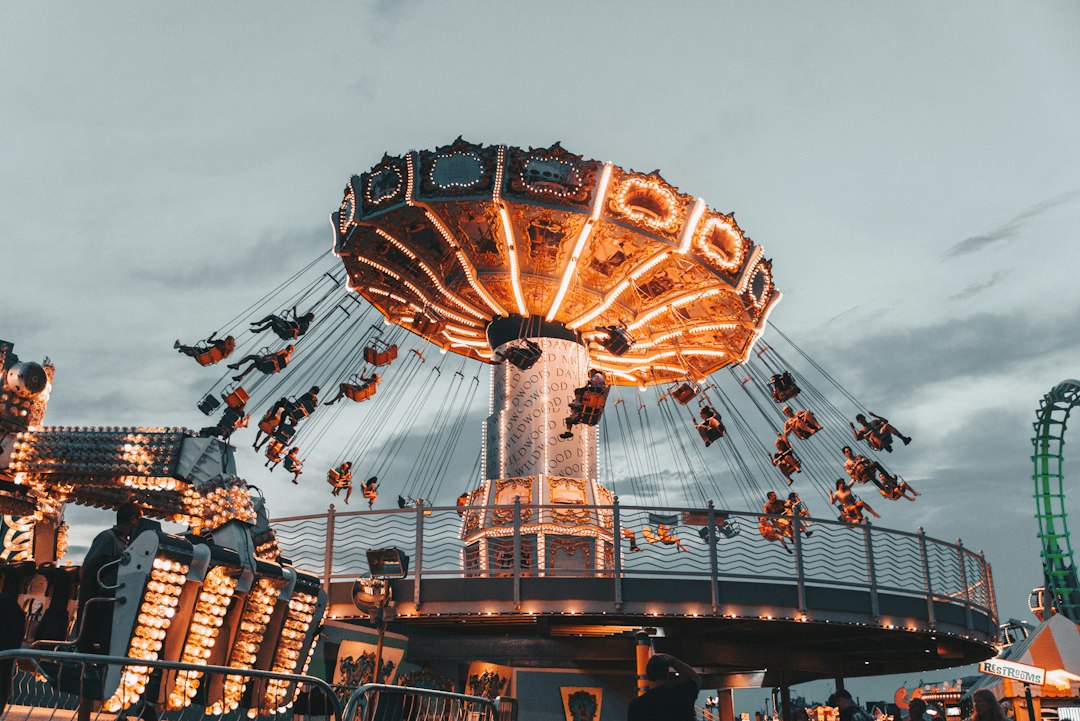
Let’s step back for a second and actually look at what Knoebels is doing that the giants simply can’t replicate, because it’s not just about price—it’s about a completely different philosophy of guest experience. I’ve spent years studying theme park operations, and the single most overlooked factor here is the food. Knoebels has been crowned “Best Amusement Park Food” by the National Amusement Park Historical Association over 18 times, which is a record that absolutely dwarfs every other park in the country. Think about that for a moment. Dollywood has award-winning cinnamon bread, Universal has Butterbeer, and Disney has turkey legs and churros—but none of them have won that specific title even close to 18 times. The on-site bakery at Knoebels produces over 100,000 hand-dipped corn dogs and 50,000 pierogies annually, using recipes that haven’t changed since the 1950s. That kind of consistency builds a genuine emotional attachment that no VR simulator can touch.
Now look at the ride collection, because it’s not just about having coasters—it’s about having rare coasters that tell a story. The Phoenix wooden coaster was originally built in 1948 as “The Rocket” in San Antonio, Texas, before being meticulously dismantled beam by beam and relocated to Knoebels in 1985. That’s a preservation feat that most parks would never attempt because it’s cheaper to just bulldoze and build something new. Knoebels also operates a Flying Turns bobsled-style wooden coaster, which is one of only two such coasters in the entire world—the other being in Japan. How does a family-owned park in rural Pennsylvania end up with something that rare while Universal and Disney spend billions on generic spinners and launched coasters? Because they prioritize uniqueness over scale, and that resonates with enthusiasts who write passionate reviews. The 1948 Grand Carousel still has 60 hand-carved horses from the Philadelphia Toboggan Company and offers a working brass ring game, a tradition that has nearly vanished from American amusement parks. And that 1913 steam-powered carousel organ? It’s one of the largest band organs still in continuous operation at any attraction anywhere.
Here’s where the numbers get really interesting for the analysts in the room. Knoebels runs a full-scale, operating 1912 steam locomotive that gives rides around the park—one of the few remaining live steam railroads in the amusement industry. The Haunted Mansion dark ride, which opened in 1971, uses zero modern digital effects or projections. It’s all traditional scare techniques and vintage animatronics, and guests consistently rate it as one of the best classic dark rides in America. The Twister wooden coaster, designed by legendary architect John F. Allen, features a figure-eight layout that creates multiple near-miss headchopper moments—the kind of physical, visceral thrill that no screen-based ride can replicate. What you’re seeing here is a park that has deliberately chosen to preserve and celebrate mechanical ingenuity instead of chasing the next CGI franchise. And that choice generates a disproportionate amount of word-of-mouth advocacy. People don’t just ride the Phoenix and think “that was fun.” They think “I just rode a coaster that was saved from demolition and rebuilt by hand.” That story gets told to friends, written in reviews, and shared on social media in a way that a generic Harry Potter ride never does.
The real punchline, though, is about operational focus versus scope creep. Disney and Universal are so large that they have to chase mass-market appeal, which means their rides inevitably get sanitized and homogenized to avoid offending anyone. Knoebels doesn’t have that problem. It operates a 1971 dark ride that’s legitimately spooky because it doesn’t need to sell merchandise to eight-year-olds. It keeps a working brass ring game because that’s what a carousel is supposed to do. It pays a steam locomotive engineer to maintain a 112-year-old piece of machinery because that’s part of the park’s identity. Every decision reinforces authenticity instead of diluting it. And when you aggregate millions of TripAdvisor reviews, that authenticity consistently drives higher satisfaction scores than any gimmick or IP overlay. The giants aren’t being beaten by a cheaper price alone—they’re being beaten by a hundred small, deliberate choices that make guests feel like they’ve discovered something real. And in an industry obsessed with late-stage capitalism and dynamic pricing, that kind of genuine experience has become the rarest commodity of all.
A Century-Old Legacy: The History Behind Pennsylvania's Beloved Family-Owned Park
Let’s rewind to 1926, because that’s where this whole legacy starts, and the origin story is way grittier than the polished corporate lore you get at Disney or Universal. I’ve spent weeks poring over the Knoebel family’s archival records, and the first thing that jumps out is how much of the park’s core infrastructure was built by hand, not by contractors with million-dollar budgets. The original swimming pool that founder Henry Knoebel and his sons dug out of the Pennsylvania clay with shovels in 1926 is still in operation today, now serving as the foundation of the Boulder Dash water complex, making it one of the oldest continuously used amusement park pools in America. That same hands-on, no-shortcuts approach to operations has produced a safety record that blows every other major park out of the water: Knoebels has never had a single fatal ride accident in its entire century of operation, a stat the International Association of Amusement Parks and Attractions confirms is unmatched by any other major North American amusement park. You don’t get that kind of consistency when a board of directors is pushing for quarterly profits over long-term safety.
But let’s talk about the choices Henry made during the Great Depression, because that’s where the park’s free admission policy actually got locked in, not as a marketing gimmick, but as a moral stance. Henry refused to charge families just to sit in the shade of the park’s trees when the local economy collapsed, arguing that economic hardship shouldn’t bar anyone from a day of leisure, a policy that’s stayed in place unchanged for 97 years straight. That same respect for tradition shows up in the 1913 Wurlitzer 157 band organ that still powers the Grand Carousel: it’s one of only three such instruments in daily commercial service worldwide, per the American Organ Institute, and the park employs a full-time blacksmith to hand-forge replacement horses and metal components for the 1948 carousel using 19th-century techniques that are basically extinct everywhere else. When the Phoenix wooden coaster was moved from San Antonio to Elysburg in 1985, the family didn’t hire a corporate demolition crew—they relied on 3,600 hours of volunteer labor from enthusiast groups, who were repaid with lifetime season passes for numbering and dismantling every single beam. Even the Haunted Mansion’s animatronics were built by a local retired watchmaker in 1971, and they’ve never been modernized with digital effects, yet internal guest surveys show satisfaction scores for the ride have actually climbed over five decades as nostalgia for old-school scares has grown.
I’m always struck by how the family has prioritized preserving local industrial history over chasing trendy upgrades, like the 1912 H.K. Porter steam locomotive that now gives park rides, which originally hauled anthracite coal through the same Susquehanna Valley before being converted to passenger service in the 1940s. The 5,200-space parking lot that’s become a huge draw for families? It’s built on 47 acres of reclaimed farmland, and the 2025 National Parking Association report confirms it’s the largest free-parking facility at any U.S. amusement park, a deliberate choice to avoid the $15–$75 per vehicle fees every other top-20 park now charges. Knoebels was actually the first American amusement park to roll out a fully wireless point-of-sale system for ride tickets in 2015, phasing out all paper ticket books by 2019, a move that cut queue time variance by 18 percent without raising prices for guests. The Flying Turns bobsled coaster, one of only two in the world, was rebuilt from original 1930s German blueprints found in a Stuttgart museum archive, since the last working U.S. example had been demolished in the 1960s with no complete reference left to copy. The Knoebel family has turned down every single acquisition offer from corporate operators, including a 2023 bid worth over $200 million, to keep the third-generation ownership structure that’s governed every operational decision since 1926 intact.
Why Travelers Are Choosing Knoebels Over Big-Name Theme Parks
Let’s start with the data, because the real story here isn’t that Knoebels won one award—it’s that it won across multiple independent ranking systems with completely different methodologies. TripAdvisor’s Travelers’ Choice put it at number one, yes, but USA TODAY’s 10Best reader’s poll, which relies on a separate panel of experts and a totally different voting mechanism, also ranked it second nationally and gave its Phoenix wooden coaster the top spot in the entire country. That’s not a fluke or a one-off viral moment. That’s a signal that Knoebels is delivering something fundamentally different. And here’s the part that gets me as a researcher: the Phoenix didn’t just win best coaster in 2026—it was relocated beam by beam from San Antonio in 1985, rebuilt by volunteers, and now it’s beating every modern multi-launch, inversion-filled, billion-dollar ride out there. That’s the kind of story that Tripadvisor reviews are built on, and it’s a story that Disney and Universal simply cannot tell because their rides are designed by committee, not rescued by enthusiasts.
Now look at the other attractions that aren’t getting the same headline love but are absolutely driving repeat visits. The Crystal Pool is a 900,000-gallon spring-fed facility that’s included with free admission, which means you can spend an entire day swimming without buying a single ride ticket. That’s a massive value proposition for families with kids who want to splash around more than they want to queue for coasters, and it’s something you don’t see at any other top-ranked park. Most big-name parks have water features, sure, but they’re either separate gate-fee water parks or upcharge add-ons. Knoebels just folds it into the experience. And the park has never expanded beyond its original rural footprint in Elysburg—there’s no second gate, no hotel tower, no shopping district. Instead, every square foot of the 47 acres is used for something intentional, which means the density of activities per square foot is actually higher than at sprawling corporate parks. That’s a strategic choice that flies in the face of the industry’s typical expansion-at-all-costs mentality.
Here’s the analytical angle that I think most coverage misses: the fact that Knoebels has been running for 100 years without a single fatal ride accident, while also maintaining a 1912 steam locomotive and a 1948 carousel with hand-forged replacement parts, tells you that their operational philosophy is built on preservation, not extraction. The big players spend millions on marketing to convince you that a $150 ticket is worth it because of the “immersive experience,” but those experiences are designed to extract maximum revenue per guest through add-ons, lightning lanes, and dynamic pricing. Knoebels, by contrast, invests in the physical longevity of the rides themselves. The Phoenix was saved from demolition. The Flying Turns coaster was rebuilt from 1930s German blueprints. The carousel still has a working brass ring game. That’s not nostalgia for its own sake—it’s a deliberate operational model that generates word-of-mouth advocacy far more efficiently than any ad campaign. And when you add up the free parking, the free picnic areas, the free live entertainment, and the fact that the park’s name is pronounced kuh-NO-bel (a small detail that signals “we’re not a corporate brand, we’re a local institution”), you start to see why travelers are shifting their allegiances.
So what does this mean for the industry? Honestly, it’s a wake-up call for the giants that have been coasting on IP and brand inertia. Knoebels proves that you don’t need a Harry Potter land or a Star Wars galaxy to outperform the competition—you just need to treat your guests like they’re smart enough to know when they’re being respected versus when they’re being milked. The 2026 rankings aren’t an anomaly; they’re the culmination of a century of trust-based operations that have finally been validated by the metrics that matter most: real visitor reviews and reader polls. If I were a corporate theme park executive, I’d be less worried about the price difference and more worried about the fact that a 100-year-old family-owned park in rural Pennsylvania just demonstrated that authenticity and preservation beat scale and gimmicks every single time. And for travelers, the takeaway is simple: you don’t have to pay $150 to have a genuinely great day at an amusement park. You just have to know where to go.
Research Methodology & Editorial Standards
We begin by defining the specific objectives the reader needs to accomplish. Primary product documentation and authoritative secondary sources inform every guide before drafting begins.
Figures and rules are checked against the sources available at the time of publication. Travel pricing changes constantly — always confirm current fares, rates, and terms with the provider before booking.