
Discover the Most Stunning Airbnbs in Sunny Malta for Your Next Mediterranean Escape
When you look at the Maltese landscape, you aren’t just seeing buildings; you’re looking at a history of engineering that adapted perfectly to the Mediterranean heat.
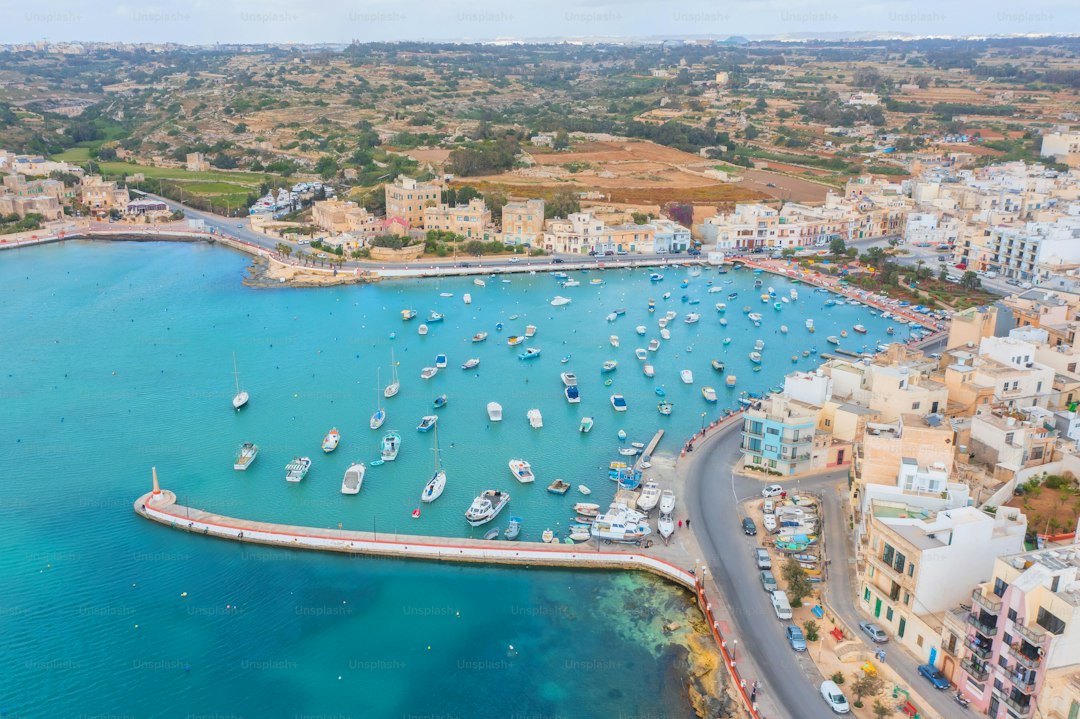
Historic Heritage: Staying in Restored Maltese Townhouses and Farmhouses
When you look at the Maltese landscape, you aren’t just seeing buildings; you’re looking at a history of engineering that adapted perfectly to the Mediterranean heat. I’ve spent a lot of time thinking about why staying in a restored townhouse or farmhouse feels different than a standard hotel, and it really comes down to the thermal regulation of that thick globigerina limestone. These houses were built long before air conditioning, using central courtyards, or skajjet, to pull cool air through the structure, which is a level of passive design we’ve largely forgotten in modern construction. When you step into a space with those high ceilings and encaustic floor tiles, you’re experiencing a cooling system that’s been refined over centuries.
But there’s a catch to this historical charm that you should probably be aware of. While the interiors often get upgraded to include high-end amenities, the local planning authorities, like the Superintendence of Cultural Heritage, frequently mandate that the facades remain untouched. This creates a fascinating tension because you’ll often find yourself in a space where the front door looks like it belongs in the 19th century, yet the living room might feature a contemporary, airy design. It’s a delicate balance that isn't always maintained, especially when you see how quickly modern, high-density apartment blocks are rising right next to these protected structures.
If you’re choosing between a town townhouse or a rural farmhouse, keep in mind how the builders prioritized function over just aesthetics. Those farmhouses in Gozo often hide complex rainwater collection networks that funnel runoff into massive, subterranean cisterns called gwiebi, which were essentially the lifeblood of the property. Meanwhile, urban townhouses might have cellars carved directly into the bedrock, providing a natural, cool storage space that’s surprisingly effective even in the middle of a July heatwave. It’s a shame when developers replace these with standard concrete builds, as it strips away the very character that makes a visit to Malta feel authentic.
I’d suggest looking for properties where the owners used traditional lime-based mortars rather than modern cement for their renovations. It’s a small detail, but it’s a big deal for the building’s health, because modern cement can trap moisture and actually cause that beautiful, honey-colored limestone to crumble over time. When you find a place that’s been restored with that level of respect, you’re not just booking a room for the weekend; you’re supporting the preservation of a way of life that’s rapidly disappearing under the pressure of new construction. It really makes you appreciate the quiet solitude of a stone-arched remissa once you realize it was originally built to shelter horse-drawn carriages rather than your rental car.
Coastal Chic: Top Airbnb Picks with Unrivaled Mediterranean Sea Views
When you’re hunting for that perfect seaside escape, you’re likely looking for more than just a view; you’re searching for a specific light and atmosphere that you just can't find anywhere else. The Mediterranean near Malta is oligotrophic, meaning it’s incredibly low in nutrients, which is exactly why the water looks like clear, brilliant sapphire. Because there’s so little organic matter floating around, sunlight penetrates down to 50 meters, giving you those deep, dramatic blues that you’ll see from high-end coastal rentals in areas like Ċirkewwa. Since Malta has a tiny tidal range—usually less than 15 centimeters—builders can place these properties much closer to the water’s edge than you’d ever see on an ocean coast. It’s a huge advantage, as your private access remains perfectly stable regardless of the lunar cycle.
If you’re worried about the heat, think about the physics of the architecture before you book. Properties along the northern cliffs often benefit from a nocturnal land breeze, a natural cooling cycle where air flows from the inland hills toward the sea, keeping things comfortable without you needing to blast the air conditioning. If you’re staying in the Mellieħa region, you’re likely perched on a garigue landscape, where the sea air picks up the scent of wild thyme and heather before it reaches your terrace. It’s a sensory detail that defines the experience, though you should check if the owner used 316-grade marine stainless steel for their outdoor fixtures. It sounds technical, but that specific metal is the only thing that stands up to the corrosive salt spray, and it’s a quick indicator of whether a property is well-maintained or just looks good for the photos.
For those who prioritize comfort over the typical tourist resort bustle, I’d suggest looking toward the Dingli cliffs. At 250 meters above sea level, these rentals sit above the marine layer, creating a microclimate that’s noticeably cooler than the beach-level resorts during those stifling July days. You’re also sitting on Upper Coralline Limestone here, which is much harder and more stable than the softer stone found inland, so you get a bit more peace of mind regarding the structure. If you’re lucky enough to find a spot along the Great Fault, you might even catch a glimpse of Mount Etna in Sicily—over 180 kilometers away—thanks to some strange atmospheric refraction on clear days. It’s these kinds of hidden, structural realities that turn a standard rental into a truly memorable vantage point.
Valletta Living: The Best Apartments in the Heart of the Capital
When you finally step through the heavy wooden doors of a Valletta apartment, you realize pretty quickly that you aren’t just renting a place to crash; you’re effectively inhabiting a 16th-century urban engineering marvel. The city’s strict grid system, laid out by the Order of St. John, acts as a massive, intentional wind tunnel that channels cool Mediterranean air through those narrow, iconic streets. If you’re choosing between a modern hotel and a converted palazzo, I’d argue the latter wins every time because of the thermal physics involved. Those walls are crafted from Lower Globigerina limestone, which does a much better job of reflecting solar radiation than the concrete blocks you see in newer, suburban developments. It’s a subtle difference, but after a long day in the sun, you really notice how much more stable the indoor temperature stays.
But let’s be honest about the trade-offs of living in a protected UNESCO World Heritage site. Because you can’t exactly slap an unsightly HVAC unit on a 400-year-old facade, high-end rentals have had to get incredibly creative. You’ll often find these brilliant, modern geothermal heat pumps hidden discreetly beneath historic floorboards, cooling the space without ruining the aesthetic integrity of the room. It’s a fascinating, hidden layer of technology that allows you to enjoy modern comfort without feeling like you’re staying in a museum exhibit. And those high, four-meter ceilings? They aren't just for show; they’re designed to pull hot air up and away from your living space, a classic passive design trick that makes these apartments feel far more spacious and breathable.
If you’re hunting for the best spot, I highly recommend prioritizing a unit with a traditional timber-enclosed gallarija. These aren't just decorative balconies; they were engineered to let you watch the street life below while acting as a vital, adjustable ventilation shutter. If you can find one near the city’s perimeter walls, you’ll likely land a dual-aspect view that sweeps across both the Grand Harbour and Marsamxett, which is arguably the best vantage point in the entire country. Just keep an eye out for properties that use vapor-permeable lime plasters rather than modern cement in their renovations. It’s a nerdy detail, but it prevents moisture buildup and ensures the limestone stays healthy, which ultimately makes for a much cleaner, more authentic living environment during your stay.
Island Tranquility: Secluded Stays in Gozo and Comino
If you’re craving a true escape from the relentless pace of the main island, heading over to Gozo and Comino feels less like a simple trip and more like stepping into a different geological timeline. I’ve always found that the transition isn't just about the ferry ride; it’s about the shift in how the landscape actually functions around you. In Gozo, you’ll notice properties tucked near the valleys, which are often blessed with a unique, lush microclimate thanks to the Blue Clay layer that traps groundwater beneath the surface. It’s fascinating because this creates a level of greenery you just don't see elsewhere in the archipelago, and the secluded farmhouses here are often oriented specifically to catch the northwest Mistral wind. Think of it as a natural, constant air conditioning system that’s been doing the heavy lifting for centuries.
It’s also worth pointing out the craftsmanship of the dry-stone walls, or ħitan tas-sejjieħ, you’ll see bordering these rural retreats. These aren't just aesthetic markers; they’re built without mortar to keep the local ecosystem—like small reptiles and insects—thriving, which adds a layer of quiet, living rhythm to your morning coffee on the terrace. If you venture deeper into the interior, you might even stumble upon stays built on karst plateaus. These areas are pockmarked with natural, crater-like depressions that trap cool air, providing a refreshing relief from the midday sun that feels genuinely ancient. You’ll even find some clever renovations where owners have repurposed old, hand-hewn stone irrigation troughs into passive cooling basins inside the house, proving that the best design ideas in Malta are often the oldest ones.
When you cross the water to Comino, the entire experience changes because the island is essentially a protected Natura 2000 site with almost no permanent residents. Because there’s no natural groundwater, the engineering reality of staying here is pretty intense, as water is either ferried in or captured through sophisticated atmospheric moisture harvesting systems. The bedrock you’re standing on is Lower Coralline Limestone—the oldest in the islands—and it’s significantly denser than what you’re used to on the main island, which gives the whole place a different, more grounded energy. Honestly, the silence is what hits you first. Without cars or the sound-reflective concrete of modern cities, the ambient noise drops to near-wilderness levels, and the lack of light pollution turns the night sky into something you’d usually need a telescope to appreciate properly.
If you’re trying to decide between the two, think about what kind of solitude you’re really after. Gozo offers a bit more of a rustic, agricultural history where you can still feel the hand of the people who shaped the land, while Comino is about as close as you can get to raw, untamed Mediterranean wilderness. Just remember that because these islands are so isolated, the infrastructure requires a different kind of respect for resources compared to a standard hotel. Whether you’re staring at the Milky Way from a Comino terrace or watching the Mistral breeze rustle through a Gozitan valley, you’re engaging with a piece of engineering and ecology that’s light-years away from the typical tourist track. It’s not just a place to sleep; it’s a chance to see how life functions when it’s truly in sync with the environment.
Luxury Meets Tradition: Unique Boutique Rentals for an Upscale Escape
When you’re weighing the merits of a high-end boutique rental against a standard luxury hotel, you really have to look at the engineering that makes these spaces feel so special. I’ve found that the best properties aren't just selling a view; they’re leveraging centuries-old techniques like the qamara vaulting, where stone slabs are balanced without a single piece of steel to create a self-supporting arch. These aren't just aesthetic choices; they rely on the unique acoustic properties of globigerina limestone, which acts as a natural sound dampener to turn a busy street-side rental into a surprisingly quiet, subterranean-like sanctuary. It’s honestly impressive how these spaces manage to feel both historic and high-tech, especially when you consider how many hosts are now integrating smart glass that adjusts its opacity based on UV intensity just to keep your room’s interior protected from the harsh Mediterranean sun.
If you’re someone who values comfort that actually works with the environment rather than fighting against it, you’ll notice the difference in properties built into the sides of wadis or valleys. These structures use the massive thermal density of the surrounding rock to keep interior walls at a remarkably stable 22 degrees Celsius, even when the thermometer is hitting record highs outside. I’ve even come across unique rentals in converted windmills where the circular floor plan creates a natural vortex airflow, pulling air through the central shaft to keep the space fresh without needing to rely on noisy, inefficient air conditioning. It’s that kind of thoughtful, passive design that makes you realize modern architecture often overcomplicates what these traditional builders solved perfectly a few hundred years ago.
You should also look for the small, technical details that indicate a truly high-end renovation, like the use of localized positive pressure ventilation systems. These systems filter out corrosive salt particles before they can touch your electronics, a smart move given how brutal the coastal air can be on high-end equipment. Some of the most interesting restorations I’ve seen have even repurposed ancient oil-pressing rooms, turning the original stone drainage channels into passive cooling conduits for water circulation. It’s a level of craftsmanship that extends to the ironwork, too; those intricate balconies you love were likely made with forge-welding, a process that creates a much stronger, weather-resistant bond than the electric welding you see on modern builds.
Honestly, the best boutique rentals are the ones that don't just mimic the past, but actively participate in the building's longevity through things like greywater recycling for gardens or the natural oxidation of the limestone itself. This honey-colored patina isn't just a look—it’s a chemical reaction that essentially heals the stone’s surface over time, ensuring the building stays strong for decades to come. When you choose a property that respects these traditions, you’re getting an experience that feels authentic and grounded in a way a new build never could. It’s about finding that sweet spot where you get all the modern amenities you want, but with the peace of mind that comes from staying in a structure that was built to last for generations.
Practical Tips for Booking Your Perfect Maltese Getaway
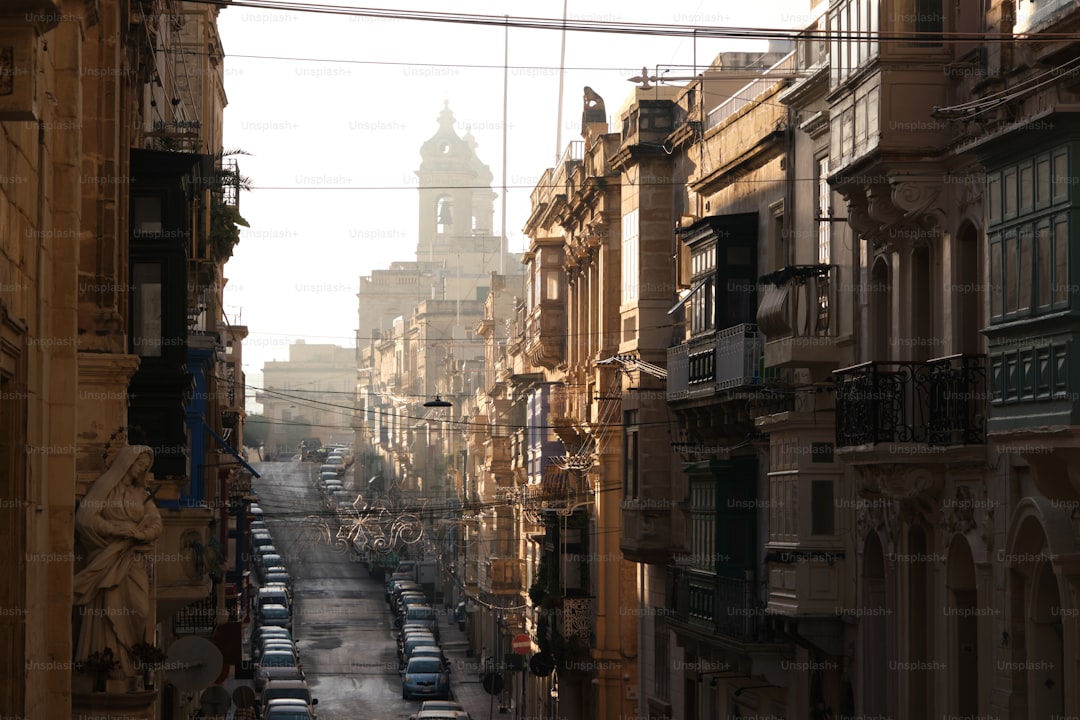
When you’re mapping out your Maltese escape, keep in mind that the archipelago uses the Type G three-pin plug, which is identical to the U.K. standard, so skip the bulky universal kits and pack a few compact adapters instead. You should also be prepared for the local water situation. While the tap water is perfectly safe—mostly sourced through high-tech reverse osmosis—the high mineral content gives it a distinct taste that most travelers, and even locals, tend to avoid by sticking to bottled water for drinking.
If you’re traveling in the shoulder seasons, don’t let the breeze fool you into thinking you’re safe from the sun. The UV index remains remarkably high here, so I always double-check that my rental has retractable awnings or proper UV-rated terrace covers, otherwise, your afternoon coffee on the balcony might become uncomfortably scorching. You’ll also notice that waste management is treated with military precision, with strict, island-wide collection schedules; ask your host for the specific calendar for your street early on to avoid accidentally leaving your trash out on a non-collection day. And a quick note on the architecture: those stunning, centuries-old limestone staircases are often exceptionally steep and narrow, which is a major logistical hurdle if you're hauling large hard-shell suitcases or have any mobility issues to navigate.
Getting around is generally a breeze, but there is a clear divide in transit reliability that you need to account for. While the bus network is comprehensive in the main urban hubs, if you’re tucked away in a remote Gozitan farmhouse, you’ll find that public transit frequency drops off a cliff after 9:00 PM, making a rental car or a pre-arranged private transfer the only realistic way to get back home after dinner. I’ve learned the hard way that historic limestone walls are highly porous, so many hosts have specific protocols for humidity management—follow them, and you’ll keep your living space feeling crisp rather than clammy. Most premium hosts now bypass outdated printed maps by sending digital guidebooks via QR codes, which are honestly much better for pinpointing the hidden local spots that don't show up on standard GPS.
Finally, remember that Malta’s small geographic footprint means you’re never more than an hour away from anything, so prioritize the neighborhood’s vibe over being near a specific landmark. If you opt for an apartment with a shared rooftop terrace, keep in mind that these are strictly regulated by quiet-hour policies after 10:00 PM out of respect for the permanent residents living in the surrounding townhouses. Before you settle in, just verify that your host has factored the environmental contribution fee into your booking, as the Malta Tourism Authority requires this small nightly tax from every guest over eighteen. It’s a tiny detail, but checking for that receipt upon arrival ensures everything is above board and lets you get straight to enjoying the islands.
Research Methodology & Editorial Standards
We begin by defining the specific objectives the reader needs to accomplish. Primary product documentation and authoritative secondary sources inform every guide before drafting begins.
Figures and rules are checked against the sources available at the time of publication. Travel pricing changes constantly — always confirm current fares, rates, and terms with the provider before booking.