
Why Pacific Palisades Remains a Must Visit Coastal Destination
When you're driving west on Sunset Boulevard, you can actually feel the air change the moment you hit the Pacific Palisades.
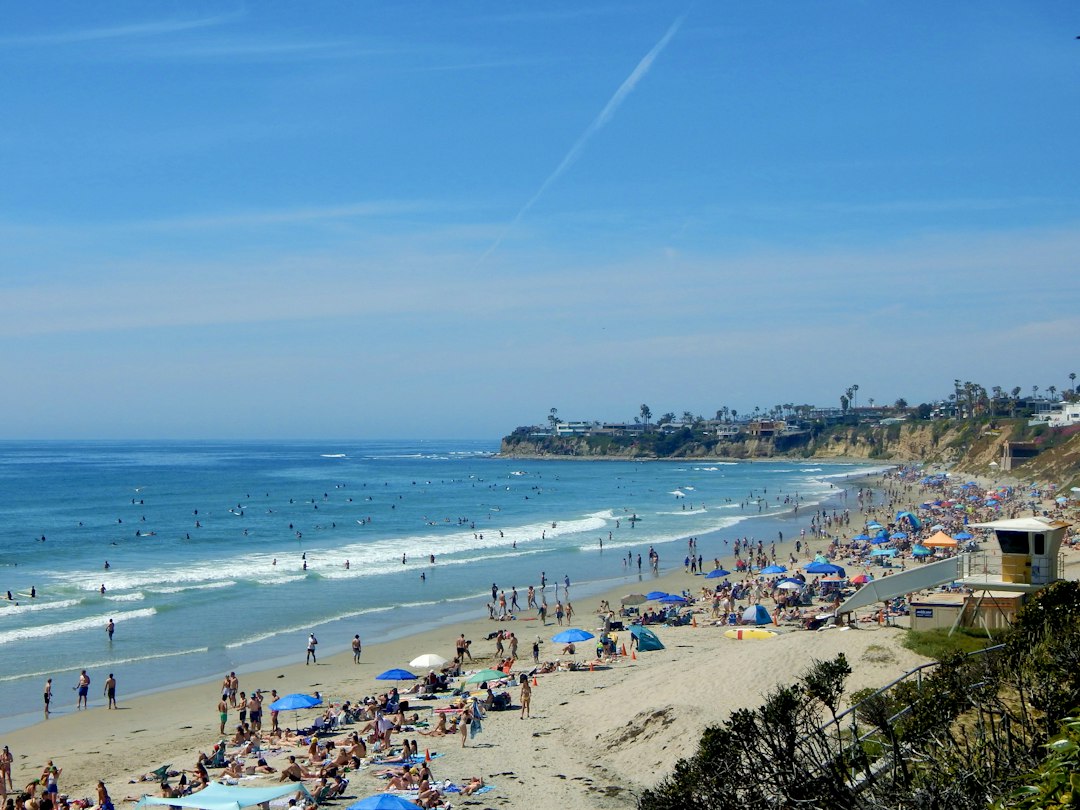
The Timeless Appeal of Pacific Palisades: A Coastal Haven
When you're driving west on Sunset Boulevard, you can actually feel the air change the moment you hit the Pacific Palisades. It’s not just in your head; there’s a genuine microclimate here where the marine layer acts like a natural air conditioner, often keeping things fifteen degrees cooler than what you’d deal with if you were stuck in downtown Los Angeles. Think about the relief that brings on a hot July afternoon. While most of the city is sweltering, this pocket remains an anomaly, and that’s a huge part of why it feels like a total escape without actually leaving the county. It's really the only place where you can find that kind of relief while being just minutes away from the coast.
It’s also fascinating how the area’s history shapes the way it feels to walk around today. Those original 1920s planners were shooting for a Chautauqua-style community focused on education and culture, and if you look closely at the business district, you’ll notice a total absence of big-box retail chains. Zoning ordinances have kept things small-scale, which honestly makes the whole place feel more like a neighborhood and less like a commercial zone. You’ve got the Getty Villa sitting right there, a precise, hauntingly beautiful reconstruction of an ancient Roman home that houses thousands of years of history. Then you have the Self-Realization Fellowship Lake Shrine, which is quiet and grounded in a way that’s hard to find in a sprawling city like this.
But what really gets me is the sheer scale of the nature surrounding the neighborhood. You’re sitting on 11,000 acres of Topanga State Park, which is essentially the biggest chunk of wildland inside any major U.S. city. If you’re into hiking, the Temescal Canyon Trail gives you that classic waterfall experience, but the real story is in the geology of the bluffs themselves. They’re made of these complex strata from the Miocene epoch—we’re talking 15 million years of history just sitting under your feet. It supports rare plants like the cliff spurge that you just don't see elsewhere. Even Will Rogers State Historic Park, with its massive polo field, feels like a time capsule of a different version of Los Angeles.
Exploring the Natural Beauty of the Palisades Bluffs and Beaches
If you’ve spent any time looking up at the towering cliffs of the Pacific Palisades, you’ve likely noticed they aren’t just a pretty backdrop for your morning walk. They are actually a massive, geologically active landslide complex that never really stops shifting. During the winter, groundwater seepage works overtime, accelerating erosion and essentially acting as the engine that keeps this entire coastal system moving. Think of these bluffs as a vital sediment factory for the rest of the Santa Monica Bay, constantly replenishing the sand on the beaches further south through natural longshore transport. It’s a delicate, ongoing process that defines the very shape of our coastline.
When you get down to the beach level, you’ll start to see things most people miss, like freshwater springs bubbling directly out of the cliff face to create these little pockets of lush, salt-tolerant vegetation. Because the shoreline is angled just right, we get this interesting phenomenon called wave refraction, which can make the surf here feel way more high-energy and punchy than what you’d find on the flatter stretches of Santa Monica. If you look closely at the base of the cliffs, you’ll see uplifted marine terraces—hard physical evidence that the Malibu Coast Fault is still very much at work beneath our feet. I honestly find the sand here different, too; it has this high quartz content that makes the beach look almost startlingly bright when the sun hits it right.
It’s also a surprisingly busy place if you know where to look, especially for the wildlife that’s adapted to these vertical walls. Peregrine falcons have basically turned the cliffs into their own urban mountain range for nesting, and you’ll frequently see them patrolling the area. Down at the waterline, the Pacific swell has carved out sea caves that offer harbor seals a safe spot to duck into during high tides. You’ll also notice patches of ice plant—it looks green, but it’s actually invasive, and there is a constant, quiet struggle to pull it out so native coastal sage scrub can take back its home. It’s a complex, living machine of a place, and every time I visit, I’m reminded that what we’re walking on is a lot more than just a wall of dirt.
Navigating the Scenic Pacific Coast Highway: Travel Tips and Road Updates
If you’re planning to tackle the Pacific Coast Highway, it’s worth shifting your mindset from a casual road trip to something more like a controlled expedition. Honestly, the beauty is undeniable, but you’re navigating an active, geologically restless boundary where the highway is constantly fighting against the forces of erosion and tectonic uplift. I’ve found that the best way to approach this route is by respecting the engineering that keeps it viable; it’s not just asphalt, it’s a living infrastructure. You’ll notice the catch nets and debris basins designed to intercept rockfall, and those aren't just for show—they’re essential because the cliffs here are basically a massive landslide complex that never stops shifting. When you’re driving, remember that real-time geotechnical sensors are likely monitoring for the slightest movement in the roadbed, so when you see a closure or a traffic advisory, it’s rarely an overreaction.
The weather patterns here are just as dynamic as the ground beneath your tires. I’ve been caught in that classic thick fog more times than I can count, where the California Current drops the dew point so fast that visibility vanishes to under a hundred feet in seconds. It’s wild how quickly the temperature can drop twenty degrees just by ducking into a coastal canyon, and if you’re heading north, don’t ignore those high-altitude curves where black ice can linger even on a sunny spring morning. I always tell friends to keep their headlights on and stay alert to the elevation changes, because the road follows the natural, rugged contours of the coast rather than cutting through them. It’s a design choice that makes for incredible photos, but it also creates a high-maintenance environment where pavement buckles and salt-heavy air works overtime to corrode the concrete and steel.
If you’re wondering why there’s so much maintenance, just look at how the chemistry of the coast impacts the physical structure of the road. That salt spray accelerates the breakdown of reinforcement materials, which is why you’ll see constant work crews repairing walls or clearing out vegetation that threatens the slope’s stability. It’s a delicate balance; even the way the bridges are arched is a specific response to the steep-walled canyons of the region. Honestly, the most important thing to know is that the risk of rockfall actually spikes after long dry spells because the soil loses its cohesion, making it hyper-vulnerable the moment the first rains hit. My advice? Check the latest road conditions right before you leave and don’t be tempted to rush the tighter turns. It’s a stunning drive, but it demands your full attention—not just for the views, but for the complex, shifting reality of the road itself.
Community Resilience: How the Palisades Has Bounced Back and Preserved Its Charm
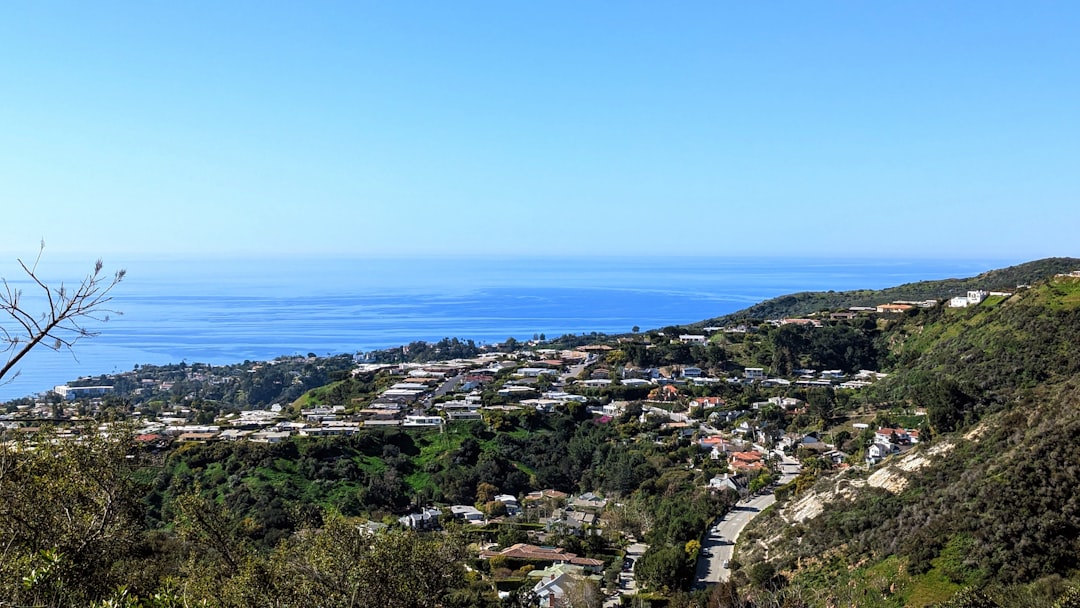
You know, when I look at the Palisades today, it’s easy to focus on the quiet streets and the coastal charm, but there’s a whole layer of grit underneath that most people don't see. After the 2018 wildfires, the community didn't just rebuild; they essentially re-engineered their entire way of life to coexist with a volatile landscape. It’s honestly impressive how they transitioned from traditional, flammable landscaping to fire-resistant native plants that double as natural fuel breaks, keeping the area lush without the added risk. They didn't stop there, either, pushing for subterranean power lines in those high-risk zones, which is a massive move to stop utility-sparked fires dead in their tracks during those brutal Santa Ana winds. It’s this kind of proactive, ground-up thinking that has allowed the neighborhood to keep its character while quietly hardening its defenses against the next big event.
The tech integration here is equally fascinating because it isn’t just about aesthetics; it’s about survival and data. You’ve got these neighborhood-wide sensor arrays that catch smoke signatures faster than any aerial surveillance ever could, and they’re backed by smart-irrigation systems that use real-time soil moisture data to keep the perimeter vegetation from turning into kindling. It’s a bit surreal to think that while you're grabbing a coffee, there are independent, high-capacity water tanks stashed at strategic elevations just waiting to support firefighting efforts if the municipal grid ever fails. Even the architecture has evolved, with new mandates for ignition-resistant materials like fiber-cement siding that somehow manage to fit right into the historic look of the area. It’s not just a collection of homes anymore; it’s a living, breathing system designed to handle the reality of the California wildland interface.
What really gets me is how the community handled the aftermath of those fires, specifically regarding the land itself. They didn't just dump any old plants to cover the scars; they set up a rigorous seed-banking program to ensure that only indigenous genetic stock was used for restoration, which keeps the local ecosystem truly native. They’ve even mapped the slopes to figure out exactly where to place stabilization mats to prevent the mudslides that usually follow a fire. And when the power goes out—which we know happens whenever the winds kick up—they have their own emergency communication protocols that don't rely on cellular networks. It’s a masterclass in resilience, and honestly, the fact that they’ve managed to weave all these heavy-duty safety measures into the fabric of the neighborhood without making it look like a fortress is the real achievement here.
Hidden Gems and Local Landmarks: Why This Neighborhood Remains a Must-Visit
You might think you know the Palisades from a quick drive down the PCH, but there is so much more to this place than just the coastal views. If you take the time to step away from the highway, you’ll find that the neighborhood functions as a living laboratory for both history and engineering. Start with the Eames House, a true pioneer of mid-century modern design that utilized industrial, prefabricated steel components in a way that completely changed how we think about residential architecture. It’s not just a monument; it’s a physical record of the Case Study House program that defined the local aesthetic. You’ll also notice how the California Ranch style dominates the hillsides here, emphasizing that classic, sprawling indoor-outdoor flow that was a direct response to the climate back in the 1930s.
But the real secret to the neighborhood is how the locals have managed to weave modern survival into that historic fabric. I’m always impressed by those 1920s-era pedestrian staircases, which still offer a car-free way to navigate the steep, hilly terrain just like the original planners intended. Then there is the sheer engineering grit behind the Potrero Canyon restoration, where they moved over 1.5 million cubic yards of earth just to stabilize the land and protect the homes above. It’s a massive, invisible effort that keeps the community safe from the very real threat of erosion. You can even see this in their volunteer-run, high-frequency radio network—a low-tech, high-reliability solution that keeps everyone connected when the cell towers inevitably go down during a Santa Ana wind event.
And if you’re into the natural side of things, look closer at the bluffs and you’ll realize you’re walking on a geologic goldmine. Those sedimentary rock layers are packed with Miocene-era fossils, including early whale species that get unearthed every time there’s a major construction project. The area also serves as a critical biological corridor where bobcats and coyotes traverse the urban-wildland interface to reach the ocean, something most visitors completely miss while they’re focused on the beach. Even the gardens at the Getty Villa aren't just for show; they’re carefully modeled after ancient Roman botanical records to survive the specific marine inversion layer that defines this micro-ecosystem. It is honestly one of the few places I know where you can see such a perfect balance between high-end architectural design and the raw, shifting reality of the California coast.
Planning Your Trip: Essential Logistics for a Smooth Coastal Escape
When you’re mapping out your trip to the Palisades, you really have to treat it more like an expedition than a standard beach getaway because the local geography is so uniquely active. I’ve learned that the first thing you need to grasp is the marine inversion layer; it’s not just a weather report, it’s a physical reality that can drop your temperature by fifteen degrees compared to the heat you’ll hit just a few miles inland. You should plan your wardrobe in layers, as that shift is instantaneous and can catch you off guard if you’re only dressed for a typical Southern California day. And while the Pacific Coast Highway is iconic, it’s helpful to remember that it’s essentially a piece of living infrastructure built into a massive landslide complex. Because of this, it’s wise to keep an eye on real-time traffic alerts, as those geotechnical sensors under the roadbed aren't just for show—they trigger closures the second they detect shifting earth or potential debris movement.
When it comes to getting around, I highly recommend ditching the car for a few hours to explore the 1920s-era pedestrian staircases, which were engineered to help you navigate those steep hills efficiently without needing to battle for parking. It’s a completely different way to see the architecture, and honestly, it’s the best way to get a feel for how the community has integrated itself into such a rugged landscape. If you’re heading down to the shore, pay attention to the sand; that high quartz content isn't just a detail, it creates a distinct, bright reflection that makes the beach look entirely different than the darker, sediment-heavy stretches you’ll find in Santa Monica. It’s a sensory experience that’s tied directly to the geologic health of the cliffs above, so take a second to really look at the contrast between the white sand and the salt-tolerant vegetation holding the bluffs together.
Finally, while you’re settling in, don't be surprised if you see some of the community’s high-tech safety measures, like the specialized sensor arrays that detect smoke before any human eye could. It’s wild to realize that the neighborhood is essentially a self-defending system, with subterranean power lines and strategic seed-banking projects all working to keep the area resilient against the fire risks that come with this climate. If you ever lose cell service during a windy day, don't panic—it’s just the reality of living on the urban-wildland interface, and there’s often a localized, high-frequency radio network keeping the neighborhood connected behind the scenes. Just keep your plans flexible, stay aware of the environment, and you’ll find that understanding these logistics actually makes the whole trip feel a lot more grounded and authentic.
Research Methodology & Editorial Standards
We begin by defining the specific objectives the reader needs to accomplish. Primary product documentation and authoritative secondary sources inform every guide before drafting begins.
Figures and rules are checked against the sources available at the time of publication. Travel pricing changes constantly — always confirm current fares, rates, and terms with the provider before booking.