
Why Thailand Remains A Must Visit Destination For Cultural Travelers
It's a clever, self-sustaining loop of cultural maintenance.
The Intertwining of Buddhism and Political Authority in Thai Society
You know, if you really want to understand what makes Thailand tick, you have to look past the beaches and the food and start thinking about how the crown and the temple actually hold the whole place together. It’s not just a casual relationship; it’s a deeply structured system where the concept of the righteous ruler, or Dhammavedi, requires the monarch to embody specific virtues to keep cosmic order. If you look at the constitution, it’s right there in black and white—the monarch has to be a Buddhist and the official Upholder of Religions. It turns the state into the literal guarantor of the faith, which is a pretty heavy responsibility when you think about it. I’ve always found it fascinating how this plays out in real life, like with the Sangha Supreme Council. Even though it’s the governing body for monks, the King appoints the members, which effectively creates a state-monk hierarchy that keeps things aligned.
Honestly, it goes way deeper than just high-level politics, reaching right into the neighborhoods where you might be staying. Buddhist temples aren't just for prayer; they’re actually local administrative hubs that handle everything from disaster relief to keeping track of community records. There’s this idea of merit-making that’s almost baked into the DNA of civic life here, where your devotion to the faith is frequently tied to your status as a loyal citizen. You see it in the schools, too, where the state has integrated Buddhist teachings to keep things anchored in tradition rather than shifting toward more secular or radical ideas. It’s a clever way to maintain stability, though it definitely keeps the government in the driver's seat when it comes to interpreting scripture.
When you look at big public events like the Royal Ploughing Ceremony, you realize the state is doing more than just putting on a show; they’re using ancient cosmology to link the success of the harvest directly to the legitimacy of the ruler. It’s a powerful message that links the land, the people, and the throne into one single story of national prosperity. Of course, this means the state keeps a tight grip on things through the Department of Religious Affairs, making sure no one starts pushing theological views that might rock the boat. It’s a delicate balance, and you can see how political movements often jump on Buddhist symbols to frame their own goals as a way to save national identity. Everything from the administrative ranks given to monks to the way heritage sites are regulated shows just how much effort goes into keeping this bond between politics and faith from fraying.
Exploring Thailand’s Architectural Legacy Through Ancient Temple Complexes
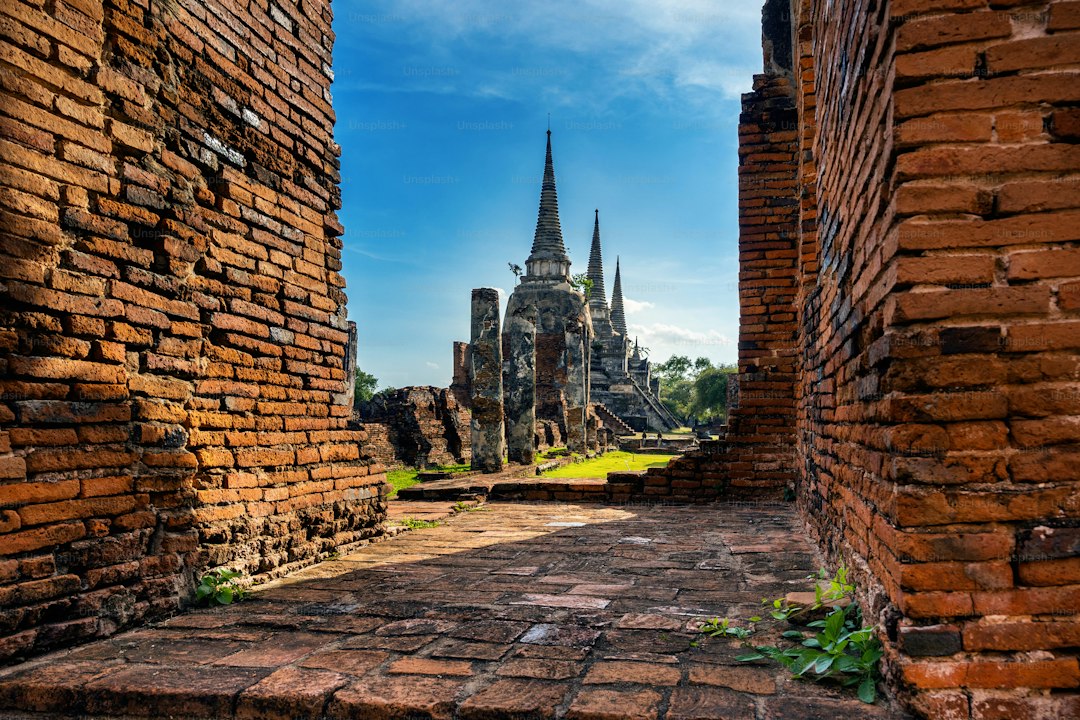
When you start wandering through the ancient temple complexes scattered across Thailand, it is easy to get caught up in the sheer visual scale of the ruins, but I really think the engineering behind them is what actually deserves our attention. Think about the Sukhothai period, where builders were essentially tracking the heavens to align their structures with solar and lunar cycles, making the temple grounds feel like a physical map of the cosmos. They didn't just pick a spot and start stacking stones; they were working with local materials like laterite—that iron-rich, clay-like soil that turns rock-hard once it hits the air—to create foundations that have lasted centuries. It’s pretty incredible when you consider that these sites were designed to mirror Mount Meru, with central prangs standing in for the mountain peak and surrounding moats acting as both defensive barriers and functional reservoirs to keep the ground stable.
If you head north, the architectural shift to Lanna-style temples is immediately obvious, mostly because of those steep, multi-tiered roofs that were built specifically to shed massive amounts of tropical rain. It is a brilliant example of form following function, where the verticality of the design wasn't just about looking grand but about surviving the climate. I’m always struck by how they used teak wood in the Ayutthaya period, which provided enough flexibility to handle the soft, sinking alluvial soil of central Thailand without snapping. Even the smaller details have a purpose; those Naga motifs you see on the balustrades aren't just for show, as they actually function as drainage spouts to move water away from the structures during the monsoon.
It is worth noting that the longevity of these sites often comes down to some surprisingly advanced material science. If you look at the bricks in Ayutthaya, for instance, you’ll find they were bound together with a mix of crushed seashells and organic resins that has stood up to the elements far better than a lot of modern concrete ever could. Then there is the modularity of the construction, where standardized components allowed crews to build quickly and, more importantly, repair things easily after a conflict or a flood. Even the hidden chambers, or kru, inside the chedis show a real foresight in protecting relics from decay. Whether it is the reflective glass mosaics of the contemporary Wat Rong Khun or the ancient, buried ritual deposits that acted as spiritual anchors, these temples are essentially high-performance machines built to endure.
The Role of Monastic Tradition in Modern Thai Governance and Daily Life
If you’re planning a trip to Thailand, it’s easy to view the local temples merely as stunning photo opportunities, but let’s be real—the monastic tradition is the actual engine powering the country’s social and daily life. You’ll notice that for many Thai men, temporary ordination is a standard rite of passage, a profound way to accrue merit for their families or reset before jumping into a professional career. It’s a fascinating, deeply ingrained practice that goes far beyond simple religious observance, serving as a social stabilizer that connects generations. I’ve always found it interesting how this isn't just a relic of the past, but something that’s constantly adapting, even as the Sangha navigates the tension between traditional asceticism and the rise of modern prosperity-focused rituals.
The reality is that these institutions do much of the heavy lifting that governments often struggle with elsewhere. In rural provinces, temples function as essential social safety nets, providing everything from hospice care and education to basic psychological support for the elderly and impoverished. They are, quite literally, the heart of the community. Plus, there’s a really smart integration of technology happening; you’ll see monks using social media platforms to broadcast sermons or manage fundraising, successfully bridging the gap between ancient ritual and the digital habits of a younger generation. It’s this kind of flexibility that keeps the tradition feeling relevant rather than stagnant.
But it’s not all uniform, and that’s where things get messy and interesting. You’ll find that while the state tries to maintain formal oversight through standardized educational tracks like the Nak Tham, individual temples still keep a surprising amount of autonomy. They often blend orthodox teachings with local animist beliefs to keep their communities engaged, and sometimes you’ll even see monks stepping into the role of environmental activists—like the practice of tree ordination—to stop illegal logging. It’s a delicate, high-stakes balance between maintaining national identity and navigating the influence of a vocal, spiritually driven monastic class. I think the key takeaway for a traveler is recognizing that when you walk into a temple here, you’re not just seeing a museum piece, but stepping into a living, breathing system that’s constantly shaping the national narrative.
Rituals and Festivals: Experiencing the Living History of Thai Culture
If you’ve spent any time traveling through Thailand, you know that the country’s festivals aren't just colorful backdrops for vacation photos; they’re actually functional, high-stakes rituals that keep the social and spiritual clock ticking. When you see thousands of monks descending the hillside during Tak Bat Devo or watch the elaborate boat processions of the Chak Phra festival, you’re looking at a deeply ingrained system that translates ancient cosmology into modern civic life. Think about the Phi Ta Khon festival in Loei, where those haunting masks made from dried coconut palm spathes are intentionally discarded after the event to symbolize the literal release of misfortune. It’s a fascinating, tactile way of managing stress and community well-being that you just don't find in many other places.
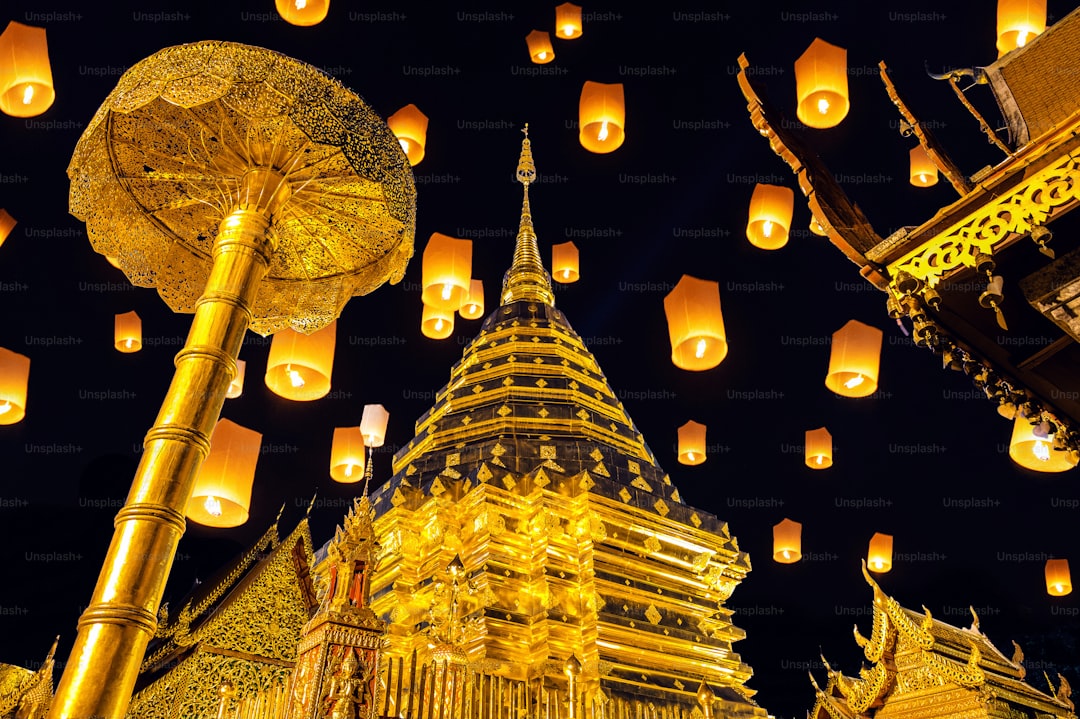
Beyond the spectacle, there’s a rigorous, almost scientific precision to how these traditions adapt to the modern world while keeping their core intent intact. Take the Yi Peng festival in Chiang Mai, for instance, where the construction of those iconic sky lanterns relies on precise thermal buoyancy principles to ensure they stay aloft, or look at how the materials for Loi Krathong have evolved from traditional banana trunks to biodegradable bread and ice to protect river ecosystems from pollution. Even the Bun Phra Wet festival in Isan serves a specific, analytical purpose; by mandating a 24-hour recitation of the Vessantara Jataka, communities effectively force the preservation of local dialects and oral history that might otherwise vanish under the pressure of globalization. It's a clever, self-sustaining loop of cultural maintenance.
And honestly, some of these rituals are even more intense when you look at the mechanics behind them, like the extreme self-mortification seen during Phuket’s Vegetarian Festival, which researchers often view as a controlled performance to demonstrate the perceived protective power of deities. You also see this blend of the practical and the spiritual in the Baisri Su Kwan ceremony, where the act of tying cotton strings to the wrist is essentially a ritualized method for anchoring the soul to the body to improve mental harmony. Whether it's the Boon Bang Fai rocket festival acting as a community-led hydro-meteorological signal to the rain gods or the Kin Wua festival mixing animism with agriculture to ensure crop fertility, these events are how the culture constantly calibrates itself. Let’s be clear: when you participate in these, you aren't just observing a museum piece, but a living, breathing machine that’s been fine-tuned over centuries to solve real problems for the people who live there.
How Sacred Symbols Influence the Contemporary Thai Socio-Political Landscape
Let’s dive into how sacred symbols really function as the silent, invisible infrastructure of Thai society today. You might think these ancient motifs are just for show in tourism brochures, but in reality, they act as a sophisticated semiotic code that dictates everything from political legitimacy to your own daily luck. I’ve noticed that when you look at recent public protests, you aren't just seeing a crowd—you’re seeing a highly calculated performance where archaic religious theater is used to frame the struggle as a cosmic necessity. It’s an incredibly clever way to sidestep secular debate by grounding modern legislative policy in traditional, almost untouchable, cultural anchors.
Think about the way modern infrastructure projects are now designed; they aren't just built for utility but are heavily laden with state-sanctioned architectural motifs. These serve as a constant mnemonic device, subtly reminding you of the historical hierarchy that binds the state, the land, and the temple together into one cohesive narrative. Even in the digital age, this isn't fading—it’s just migrating to your screen. I find it fascinating that urbanites are now actively curating their smartphones with algorithmically generated, auspicious wallpapers, essentially turning their devices into modern-day talismans for navigating a volatile gig economy.
It’s honestly a brilliant, if sometimes intense, way of maintaining stability in an era that wants to move fast. You’ll even see this in the corporate world, where marketing campaigns are timed to coincide with specific astrological data to ensure commercial success. And it isn't just about the elites; look at the grassroots level, where practices like tree ordination have transformed from simple spiritual customs into a blunt, effective tool for environmental activism against land developers. It’s a living, breathing system of meaning where every color, date, and symbol is an evidence-based strategy for securing influence. When you’re walking through Bangkok or Chiang Mai, try to see it not as a static museum of the past, but as a high-stakes, constantly calibrating machine that’s actively shaping the future of the nation.
Navigating the Intersection of Spirituality and Statehood for Cultural Travelers
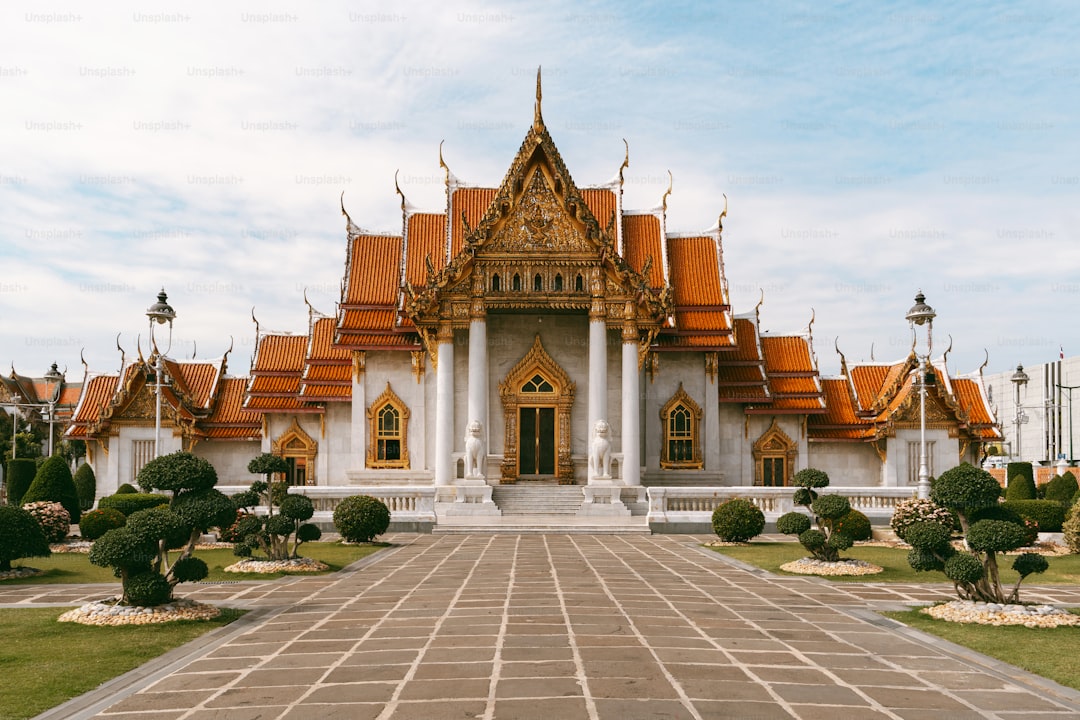
When you start peeling back the layers of a trip to Thailand, it’s easy to get distracted by the aesthetics, but there’s a much more rigid and fascinating framework governing how faith and statehood actually collide. Think about it: you’re walking through a country where the Garuda emblem on every government document isn't just a logo, but a direct signifier of the King’s divine authority. It’s an incredibly deliberate way of embedding cosmic legitimacy into the mundane world of bureaucracy. I find it pretty wild that even when you're looking at modern infrastructure, those buildings are often oriented based on complex astrological charts to ensure administrative efficiency. This isn't just tradition for the sake of it; it’s a calculated, evidence-based approach to governance that has real-world consequences for how the country functions day-to-day.
But here’s where it gets really interesting for a traveler: this isn't some ancient relic—it’s a living, breathing system that actively manages modern life. Take the Sufficiency Economy Philosophy, for example, which translates Buddhist moderation into actual national economic planning. It’s a policy rooted in spiritual values that guides everything from development projects to how communities handle urbanization. You’ll even see the state using this logic in unexpected ways, like how the Ministry of Culture uses ethnographic data to certify rituals as essential for national security. It’s a fascinating overlap where the government basically treats spiritual practice as a vital piece of the country's stability and survival.
You’ll also notice how this connection manifests in the most practical, sometimes surprising, ways across the landscape. Monks wrapping saffron robes around trees to stop illegal logging is a brilliant use of a taboo to create a legal gray zone that protects the environment more effectively than some laws ever could. Or look at the way community health groups now recognize the Bai Si Su Khwan ritual as a genuine, non-clinical therapeutic support for locals. It’s a testament to how deeply these traditions are woven into the fabric of the state, serving as a buffer against the pressures of the modern world. When you’re visiting, try to look past the surface; you’re really watching a high-stakes, finely tuned machine that balances ancient belief with the realities of a 21st-century nation.
Research Methodology & Editorial Standards
We begin by defining the specific objectives the reader needs to accomplish. Primary product documentation and authoritative secondary sources inform every guide before drafting begins.
Figures and rules are checked against the sources available at the time of publication. Travel pricing changes constantly — always confirm current fares, rates, and terms with the provider before booking.