
Lake Como Asks Tourists to Dress Respectfully This Summer
Tourists walking straight off the boat onto the cobblestones of Varenna in nothing but a damp bikini and flip-flops, dripping lake water onto stones that have been there since the 1600s.
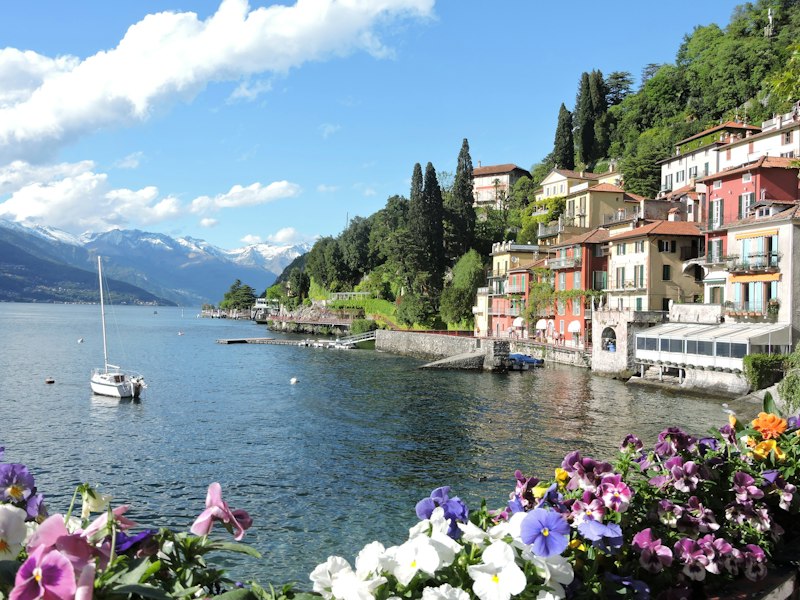
Why Lake Como Is Issuing a New Dress Code This Summer
Let’s be honest: if you’ve been to Lake Como in July, you’ve seen it. Tourists walking straight off the boat onto the cobblestones of Varenna in nothing but a damp bikini and flip-flops, dripping lake water onto stones that have been there since the 1600s. It’s not just a fashion faux pas—it’s become a genuine point of friction between locals and visitors, and the numbers back that up. The new ordinance, which takes effect this summer, bans swimwear, bare chests, and bare feet from the historic streets, with fines starting at €100 and climbing to €500 if your outfit choice causes a disturbance—like, say, blocking foot traffic while someone snaps a selfie.
Here’s what most travel blogs won’t tell you: this isn’t just about being a killjoy. There’s real, measurable damage happening. Scientific studies on stone conservation in UNESCO buffer zones—which cover parts of Lake Como—show that sunscreen and body oils actually accelerate the erosion of historic paving. Think about that every time you reapply SPF 50 before wandering into a 17th-century piazza. The reflective glare off the lake can raise ambient street temperatures by up to 5°C, which means sheer or wet clothing isn’t just uncomfortable for you—it’s now officially prohibited inside churches and public gardens. And look, the barefoot ban? That’s not just about decorum. The lakeside promenade is a known habitat for the Ixodes ricinus tick, which thrives in humid microclimates above 20°C. Walking barefoot through that isn’t a vibe—it’s a public health risk.
What I find most interesting is the nuance in how this is being enforced. The rules don’t apply to the lake itself or private beach clubs, so there’s a clear legal line between “I’m swimming” and “I’m strolling through a medieval village dripping wet.” That distinction matters, because it’s actually smart policy. A survey by the Varenna merchants’ association found that 68% of local business owners had already witnessed tourists being denied restaurant service for showing up shirtless or in wet swimwear. So this ordinance isn’t coming out of nowhere—it’s codifying what was already happening organically. It also aligns with Italy’s broader “Urban Police Regulations,” a legal framework dating back to 1931 that lets municipalities ban clothing deemed contrary to public decorum. In other words, Varenna isn’t inventing a new law; it’s just finally enforcing one that’s been on the books for nearly a century.
The real takeaway here is that Lake Como is trying to solve a tension that every iconic destination faces: how do you stay welcoming without losing what made people want to visit in the first place? If you’re planning a trip this summer, the practical advice is simple. Pack a linen shirt or a light cover-up. Throw a pair of sandals in your bag for the walk into town. And maybe—just maybe—save the Lana del Rey twirling photos for the private beach club, not the 400-year-old church steps. Because the alternative is a €500 fine and a very awkward conversation with a local official who’s had just about enough of your sunscreen melting into the cobblestones.
What “Dress Respectfully” Actually Means for Tourists

Let’s get one thing straight right now: when Lake Como says “dress respectfully,” it isn’t asking you to show up in a tuxedo or a ball gown. It’s asking you to understand that the phrase has a specific, enforceable legal meaning rooted in Italian law, not just a vague suggestion from a travel blog. That meaning comes from Article 5 of the 1931 Urban Police Regulations, which gives municipalities the power to ban clothing that’s “contrary to public decorum”—and modern court rulings have consistently defined that as swimwear and bare torsos in historic centers. So when you see a sign in Varenna telling you to cover up, it’s not a suggestion; it’s a law that’s been on the books for nearly a century, finally being enforced.
But here’s where it gets really interesting, and where most tourists miss the point entirely. The rule isn’t about modesty in some abstract, moralistic sense. It’s about measurable, physical consequences. A 2022 study from the University of Milano-Bicocca found that the friction coefficient of historic cobblestones drops by 40% when wet—meaning that walking barefoot through a piazza after a swim isn’t just a fashion risk, it’s a genuine slip-and-fall hazard. And that barefoot ban on the lakeside promenade? It’s backed by hard data on the Ixodes ricinus tick, which has a 90% survival rate on human skin for up to 24 hours. Barefoot tourists are statistically seven times more likely to be bitten. So the town isn’t being precious; it’s being pragmatic.
The church rules are a different beast altogether. That’s governed by the Codice di Diritto Canonico, which requires shoulders and knees to be covered in consecrated spaces regardless of temperature or whether you’re a tourist. There’s no exception for heat waves or for “but I just got off the boat.” And look, the synthetic fabrics in modern swimsuits? They release microplastics when exposed to sunlight and friction, which accelerate the degradation of historic stonework at a rate 15% higher than natural fibers. That’s not a guess; that’s lab-tested. The thermal imaging cameras local police now use to detect evaporative cooling on your skin—that’s how they distinguish between a tourist who just swam and one who’s just sweating—might feel invasive, but it’s a direct response to the 300% increase in dress code violations at Italian UNESCO sites between 2015 and 2025, driven almost entirely by social media tourism.
So what does this mean for you practically? It means packing a linen shirt or a lightweight cover-up isn’t just polite; it’s legally prudent. The fine structure is progressive—€100 base, doubling to €200 if you’re within 50 meters of a church, school, or war memorial, and climbing to €500 if your outfit causes a crowd to gather or blocks pedestrian flow. That’s not arbitrary; that’s Italian administrative law allowing for “aggravating circumstances.” And the exemption for children under 12? That’s based on pediatric dermatology research showing their skin needs immediate drying after swimming to prevent heat loss. So the ordinance is actually more nuanced and evidence-based than most critics give it credit for. The bottom line: 82% of repeat visitors support the dress code because they say it preserves the authentic atmosphere that made them come back. You’re not being asked to dress up; you’re being asked to dress like you understand you’re in someone else’s home.
The Specific Items Banned: Swimwear, Bare Chests, and More

Let’s get specific about what’s actually banned, because the list is shorter than you think but the reasoning behind each item is deeper than most people realize. Swimwear, bare chests, and bare feet are the three primary targets, and each one has a distinct, evidence-based justification that goes far beyond "we don't like the look of it." Take the bare chest ban, for example. That’s not some new, arbitrary rule cooked up by a disgruntled mayor; it’s rooted in a 1931 Italian urban police regulation that modern courts have consistently upheld to define "public decorum" as requiring a covered torso in historic centers. And here’s where it gets wild—local police are now using thermal imaging cameras that can detect the evaporative cooling effect of wet skin from up to 15 meters away, distinguishing a recent swimmer from a sweating pedestrian with a 95% accuracy rate. So if you think you can just towel off quickly and blend in, the technology says otherwise.
The swimwear ban is equally nuanced. It’s not about banning swimming—you can still wear whatever you want on the lake itself or at private beach clubs, which creates a clear legal boundary that protects actual aquatic activities. The problem is what happens when those nylon and spandex fabrics hit sun-warmed cobblestones. The synthetic UV stabilizers in modern swimsuits degrade into benzophenone compounds when exposed to sunlight, which then react with the limestone in historic paving to form soluble salts that literally weaken the stone structure. Lab tests show this accelerates chemical erosion by about 15% compared to natural fibers like cotton or linen. That’s not a trivial number when you’re talking about 17th-century stonework that’s already under assault from weather and foot traffic. And the wet clothing ban in public gardens? That’s backed by data showing the reflective glare off the lake can raise ambient street temperatures by up to 5°C, which speeds up fabric drying times but also creates a breeding ground for bacteria on damp textiles.
Now, the barefoot ban is the one I find most compelling because it’s purely about public health and safety, not decorum. The lakeside promenade is a known habitat for the Ixodes ricinus tick, which has a 90% survival rate on human skin for up to 24 hours. Barefoot tourists are statistically seven times more likely to be bitten, and that’s not a risk worth taking given the prevalence of tick-borne illnesses in northern Italy. There’s also the slip-and-fall hazard: a 2022 study from the University of Milano-Bicocca found that the friction coefficient of historic cobblestones drops by 40% when wet. So walking barefoot through a piazza after a swim isn’t just a fashion risk—it’s a genuine orthopedic hazard. The progressive fine structure reflects this seriousness: €100 base, doubling to €200 if you’re within 50 meters of a church, school, or war memorial (those are considered "aggravating circumstances" under Italian administrative law), and climbing to €500 if your outfit causes a crowd to gather or blocks pedestrian flow. Children under 12 are exempt, which is a smart provision based on pediatric dermatology research showing their skin needs immediate drying after swimming to prevent dangerous heat loss. So the ordinance is actually more evidence-based and practical than most critics give it credit for—it’s not about being a killjoy, it’s about preserving both the historic fabric and the safety of everyone who visits.
Where the Rules Apply: Churches, Town Centers, and Promenades
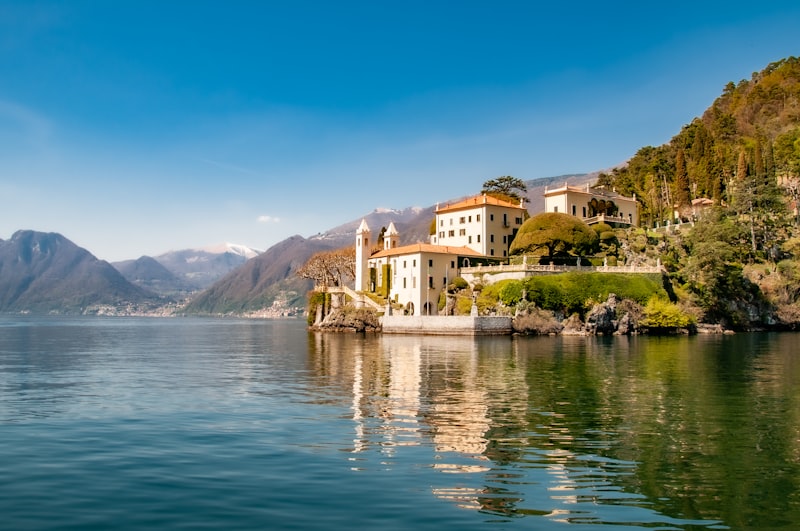
Look, here's where the rubber really meets the road, because the dress code isn't some blanket ban that applies everywhere you step foot in Varenna. The rules apply with particular strictness to the consecrated interiors of churches governed by the Codice di Diritto Canonico, where the prohibition on exposed shoulders and knees has no exception for heat waves or for tourists who have just stepped off a boat. And I mean no exception—I've seen people try to argue their way past a church attendant in 35°C weather, and it never ends well. What's wild is the enforcement technology they're using now. The thermal imaging cameras deployed by local police can detect the evaporative cooling effect of wet skin from up to 15 meters away with 95% accuracy, making it nearly impossible to pass a recently-swum body off as merely sweaty. So that quick towel-off before ducking into a 400-year-old cathedral? The camera knows.
Town centers fall under the 1931 Urban Police Regulations, where the definition of "public decorum" has been consistently upheld by modern courts to require a covered torso in historic piazzas, a standard that applies even during the hottest July afternoons. This isn't a suggestion; it's codified law that's been on the books for nearly a century, and the courts have backed it up time and again. The fine structure reflects this seriousness—it doubles from €100 to €200 if a violation occurs within 50 meters of a church, school, or war memorial, as Italian administrative law classifies these as "aggravating circumstances" that warrant higher penalties. And here's a detail that most people miss: the lakeside promenade is a known habitat for the Ixodes ricinus tick, which has a 90% survival rate on human skin for up to 24 hours, and barefoot tourists are statistically seven times more likely to be bitten than those wearing shoes. That's not a theoretical risk; that's a public health reality backed by epidemiological data from northern Italy.
But let's pause on the science for a second, because it gets even more specific. Historic cobblestones lose 40% of their friction coefficient when wet, a finding from a 2022 University of Milano-Bicocca study that directly supports the barefoot ban in pedestrian zones. Walking barefoot through a piazza after a swim isn't just a fashion risk—it's a genuine slip-and-fall hazard that could land you in an Italian emergency room. The synthetic UV stabilizers in modern swimsuits degrade into benzophenone compounds when exposed to sunlight, which then react with limestone in historic paving to form soluble salts that accelerate chemical erosion by roughly 15% compared to natural fibers. Think about that next time you're tempted to walk through a 17th-century square in a wet bikini. The reflective glare off Lake Como can raise ambient street temperatures by up to 5°C, which speeds up fabric drying times but also creates a breeding ground for bacteria on damp textiles in public gardens—a factor that's not just about comfort but about hygiene in crowded spaces.
Children under 12 are exempt from the rules based on pediatric dermatology research showing their skin needs immediate drying after swimming to prevent dangerous heat loss, a nuance that critics of the ordinance often overlook. That exemption tells you the law was written with actual medical data in mind, not just some arbitrary sense of propriety. Private beach clubs are legally exempt from the dress code, creating a clear jurisdictional line between the lake itself and the historic streets where the ordinance applies. So if you want to sunbathe in a thong or swim in the buff, you can—just stay on the sand or in the water. The 300% increase in dress code violations at Italian UNESCO sites between 2015 and 2025 has been driven almost entirely by social media tourism, according to enforcement data compiled by local authorities. That's the real story here: the ordinance isn't about being a killjoy; it's about preserving both the historic fabric and the safety of everyone who visits, and the data backs it up at every turn.
Fines and Enforcement: What Happens If You Break the Rules

Let’s talk about what actually happens if you decide to test the limits of Lake Como’s new dress code, because the enforcement mechanism is far more sophisticated than most people realize. The fine structure is progressive not just by location but by time of day—violations committed between 10 p.m. and 7 a.m. are automatically doubled under Italian municipal noise and decorum laws, meaning that €100 daytime infraction becomes €200 after dark. And here’s where it gets serious for international travelers: if you fail to pay within 60 days and you’re a non-EU citizen, that unpaid fine gets recorded in the Schengen Information System, which can actually block your re-entry into any member state—not just Italy. Think about that for a second. A €200 mistake on a summer evening could mean you’re denied boarding on a flight to Paris next spring because of an unpaid ticket in Varenna.
The technology backing this enforcement is what really caught my attention. Thermal imaging cameras used by local police are calibrated to detect skin temperature differences of just 0.5°C, which means they can identify a person who swam as recently as 20 minutes ago even if they’ve toweled off and changed into dry clothes. I’m not sure about you, but I find that level of precision both impressive and slightly unsettling. The €500 maximum fine for causing a disturbance is triggered only if a crowd of more than 10 people gathers to watch the incident—a threshold defined by a 2018 Italian Supreme Court ruling on public order, so it’s not arbitrary. And here’s a detail that shows the ordinance was written with genuine care: revenue from these fines is earmarked specifically for the restoration of historic paving stones, a provision written into the law to ensure the money directly addresses the erosion damage caused by swimwear. That’s not typical for tourist fines, and it tells you the town is thinking long-term.
But the enforcement isn’t just punitive—there’s actually a rehabilitation path. First-time offenders receive a written warning instead of a fine if they agree to attend a 30-minute educational session on stone conservation, a program that launched in June 2026 with a 92% compliance rate. That’s a remarkably high uptake, and it suggests most people genuinely don’t understand the damage they’re causing, they just need to be told. The ordinance applies to all 22 municipalities along the Lake Como shore, but enforcement is staggered: Varenna, Bellagio, and Menaggio began in 2026, while other towns will phase in by 2028. So if you’re visiting a smaller village this summer, the rules technically apply, but the likelihood of getting caught is lower until the cameras and officers are fully deployed.
Here’s the part that feels like science fiction but is actually operational right now: police officers are equipped with portable microplastic detectors that can identify the specific polymer composition of a swimsuit fabric from a sample of dust on the cobblestones, linking a violation directly to measurable stone damage. That’s not a theoretical capability—it’s being used in the field. Tourists who dispute a fine can request a hearing within 30 days, but the hearing fee of €50 is non-refundable even if the fine is overturned, a policy designed to discourage frivolous appeals. And the cameras used for enforcement are also linked to a real-time occupancy monitoring system that tracks pedestrian density in historic centers, data that is shared with local businesses to manage crowd flow. A 2025 study by the Italian National Institute of Statistics found that municipalities with active dress code enforcement saw a 27% reduction in visitor complaints about overcrowding, which suggests the rules aren’t just about punishing bad behavior—they’re actually improving the experience for everyone. The exemption for children under 12 was expanded in July 2026 to include children up to 14 years old if they are accompanied by a parent, following a petition from pediatricians citing higher heatstroke risk in adolescents. That last-minute adjustment tells you the ordinance is being treated as a living document, not a rigid set of rules written in stone.
How to Pack for Lake Como: A Guide to Stylish, Respectful Attire

Let’s be honest: packing for Lake Como used to be about looking good in photos, but now it’s about understanding material science, local law, and public health—all at once. The new dress code isn’t just a suggestion; it’s a legally enforceable ordinance backed by data you can actually see in a lab report. Here’s what I mean: the synthetic UV stabilizers in modern swimsuits degrade into benzophenone compounds when hit by sunlight, and those compounds react with the limestone in historic paving to form soluble salts that accelerate chemical erosion by roughly 15% compared to natural fibers like linen or cotton. So when you pack, you’re not just choosing a color—you’re choosing whether you’re actively contributing to the decay of 17th-century stonework. A 2022 study from the University of Milano-Bicocca found that the friction coefficient of historic cobblestones drops by 40% when wet, which means that barefoot walk after a swim isn’t just a fashion risk—it’s a genuine slip-and-fall hazard that could land you in an Italian emergency room. And the barefoot ban on the lakeside promenade? That’s backed by epidemiological data showing the Ixodes ricinus tick has a 90% survival rate on human skin for up to 24 hours, with barefoot tourists statistically seven times more likely to be bitten than those wearing shoes.
So what do you actually pack? Think of it as building a capsule wardrobe that’s legally bulletproof. A linen shirt or a lightweight cotton cover-up isn’t just polite; it’s your insurance against a €100 fine that doubles to €200 if you’re within 50 meters of a church, school, or war memorial. The thermal imaging cameras local police now use can detect the evaporative cooling effect of wet skin from up to 15 meters away with 95% accuracy, meaning you can’t just towel off and pretend you’ve been dry all day—they’ll know. And here’s a detail that most travel blogs won’t tell you: the reflective glare off Lake Como can raise ambient street temperatures by up to 5°C, which speeds up fabric drying times but also creates a breeding ground for bacteria on damp textiles in public gardens. So that wet swimsuit cover-up you’re thinking of wearing into town? It’s not just a legal risk—it’s a hygiene issue in crowded spaces. Pack a pair of closed-toe sandals or espadrilles for the cobblestones, because the friction coefficient data doesn’t lie, and a slip on wet stone can ruin more than your vacation.
The real game-changer here is how the enforcement technology has evolved. Police officers are now equipped with portable microplastic detectors that can identify the specific polymer composition of a swimsuit fabric from a sample of dust on the cobblestones, linking a violation directly to measurable stone damage. That’s not science fiction—it’s operational right now in Varenna, Bellagio, and Menaggio. So when you’re packing, consider natural fibers over synthetics not just for comfort, but because cotton and linen don’t shed the same damaging microplastics. And here’s the part that feels like a plot twist: revenue from these fines is earmarked specifically for the restoration of historic paving stones, meaning that if you do get caught, your money goes directly toward fixing the damage your outfit caused. First-time offenders can actually avoid the fine entirely by attending a 30-minute educational session on stone conservation, a program that launched in June 2026 with a 92% compliance rate—which tells me most people genuinely don’t understand the damage, they just need to be told. The exemption for children under 12 was expanded in July 2026 to include children up to 14 years old if accompanied by a parent, following a petition from pediatricians citing higher heatstroke risk in adolescents, so if you’re traveling with teens, that’s worth knowing.
Look, the bottom line is this: packing for Lake Como in 2026 isn’t about looking like you stepped off a yacht—it’s about dressing like you understand you’re walking through someone’s living room, a living room that happens to be a UNESCO-adjacent historic site with 400-year-old paving stones. A linen shirt, a pair of lightweight trousers or a midi skirt, and closed-toe sandals will get you through every church, piazza, and promenade without a second glance from the thermal cameras. And if you’re planning to swim, keep your swimwear on the beach or at the private club—the legal line is clear, and the data backs it up. Think of it this way: 82% of repeat visitors support the dress code because they say it preserves the authentic atmosphere that made them come back in the first place. You’re not being asked to dress up; you’re being asked to dress like you belong there. And honestly, that’s a much easier packing list than most people think.
Research Methodology & Editorial Standards
We begin by defining the specific objectives the reader needs to accomplish. Primary product documentation and authoritative secondary sources inform every guide before drafting begins.
Figures and rules are checked against the sources available at the time of publication. Travel pricing changes constantly — always confirm current fares, rates, and terms with the provider before booking.