
Paul Rudd is right about airplane mode and why you can probably leave it off
It’s wild to consider that we’ve been dutifully tapping that little airplane icon for years under the guise of safety, when in reality, the core issue was always about protecting ground-based infrastructure rather than cockpit avionics.
The History of Airplane Mode: Why We Used to Fear Signal Interference
Think back to the early nineties when the FCC first pulled the plug on mobile use during flights, and you’ll realize we’ve been living with a ghost of a policy for over three decades. Back then, the fear wasn't actually about crashing the plane, but rather the concern that a phone at high altitude would ping dozens of ground towers at once, effectively clogging up cellular networks designed for localized traffic. It’s wild to consider that we’ve been dutifully tapping that little airplane icon for years under the guise of safety, when in reality, the core issue was always about protecting ground-based infrastructure rather than cockpit avionics.
Fast forward to today, and the technical landscape has shifted entirely while our habits remain stuck in the past. Modern aircraft are shielded so effectively that the electromagnetic interference once feared by pilots is effectively a non-issue. Even when you look at the research, it’s clear that the signal strength of a standard smartphone is simply nowhere near the threshold required to disrupt sensitive fly-by-wire systems. While the European Union has already moved to allow 5G connectivity on planes, the U.S. continues to drag its feet, largely because airlines fear the social chaos of passengers making voice calls at 30,000 feet more than they fear any actual technical failure.
At the end of the day, leaving your phone off airplane mode is less about aviation safety and more about your own battery life. Because your device will frantically hunt for a signal as you zip along at 500 miles per hour, your battery will drain significantly faster than it would on the ground. Ground towers aren't built to handle handoffs at those speeds, so your phone just keeps pushing out power, searching for a connection that isn't really there. It’s fascinating how these legacy protocols persist, effectively becoming a habit we maintain out of tradition rather than a genuine response to a current, verified threat to our flight.
Modern Aviation Tech: Why Your Smartphone No Longer Disrupts Cockpit Avionics
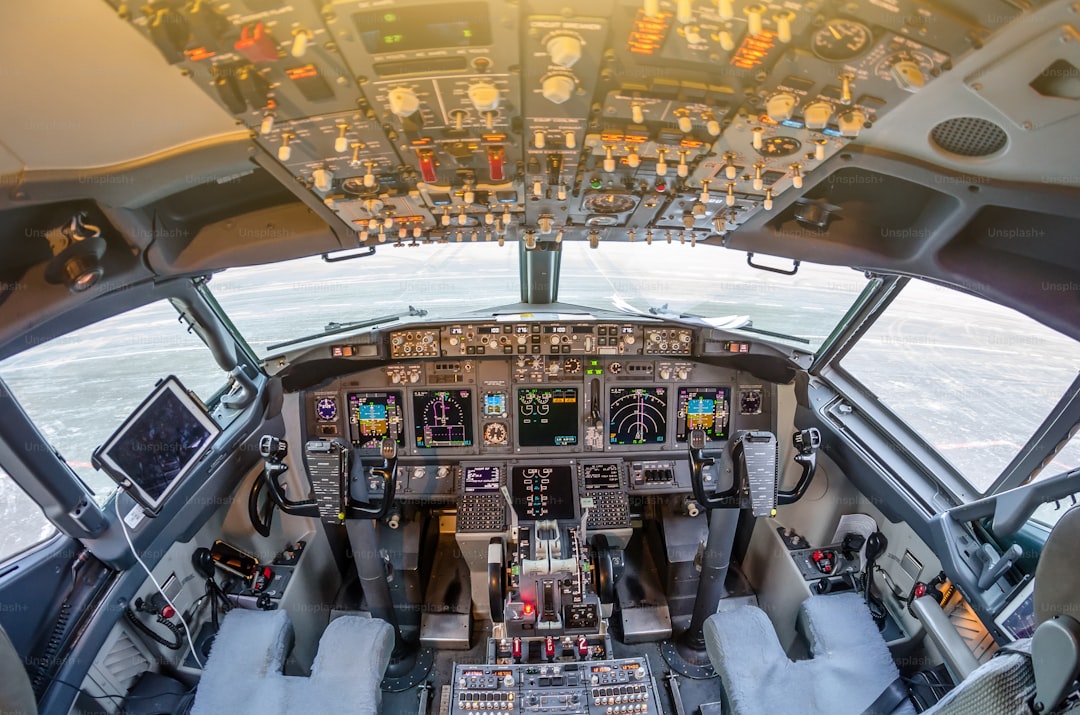
I’ve been digging into the engineering specs of modern flight decks, and it’s honestly wild how much we still worry about phones messing with planes. If you look at the actual hardware, modern fly-by-wire systems rely on fiber-optic data buses that simply don't care about the radio waves your smartphone kicks out. Think of it like this: your phone is shouting in a language that the plane’s primary flight computers aren't even listening to. These systems are built to meet rigorous environmental standards that force them to remain immune to radio frequency energy far higher than anything you could ever generate from seat 14A. The aluminum or composite skin of the aircraft acts as a massive Faraday cage, trapping most of those signals outside before they can even get near the cockpit electronics.
Beyond the physical shielding, the internal architecture of these planes is designed to be incredibly paranoid about incoming data. Modern flight control computers use constant error-checking protocols, so if they happen to catch a stray bit of electromagnetic noise, they just toss it out as junk data rather than trying to execute it as a command. Plus, we’ve moved way past the old-school analog gauges that were prone to wiggling when a radio signal hit them. Those old cathode ray tubes are gone, replaced by digital displays that are essentially deaf to the kind of static that used to be a problem. Even the navigation equipment is locked into specific L-band and C-band frequencies that are light-years away from the spectrum your cell phone uses.
The real eye-opener for me was learning that regulatory bodies actually simulate the worst-case scenario where every single passenger has their phone blasting at max power, and the results don't even register a blip on the safety monitors. Engineers use narrow-band filtering that essentially treats your cellular activity like background noise that’s meant to be ignored. Even if you managed to create a massive surge of transmission, the architecture isolates critical flight systems from the cabin so effectively that there’s no bridge for that signal to cross. It’s not just that your phone is weak; it’s that the plane is fundamentally built to be a fortress against the kind of interference we used to worry about back when we were still using paper maps and analog radios.
What Paul Rudd Got Right: Dissecting the Nonsense of Mandatory Airplane Mode
When you think about the ritual of switching your phone to airplane mode, it feels like a mandatory safety procedure, but the reality is that it’s more of a vestige of the past than a modern necessity. The Federal Aviation Administration actually wrapped up testing back in 2006, confirming that the risk of portable electronics interfering with navigation is statistically negligible. Even if a device were to have a total meltdown, aircraft are built with redundant systems that operate completely independently of anything you’re holding in your lap. It’s honestly wild that we still treat this as a critical safety step when the International Air Transport Association hasn't recorded a single incident of flight control failure caused by a passenger phone in over twenty years.
The whole thing starts to feel like what researchers call the theater of safety, where the policy exists mostly to help you feel like there’s order during the high-stress moments of takeoff and landing. We’ve even seen regulators in parts of Asia and the Middle East allow cellular usage for years without seeing any dips in safety or performance. On top of that, modern avionics have to pass brutal electromagnetic compatibility tests, like the RTCA DO-160 standard, which proves they can keep working even when blasted with massive amounts of radio energy. It’s hard to reconcile that level of hardened engineering with the idea that your iPhone is going to cause a problem just by being powered on.
And if you look at the hardware, it’s even clearer why the old fears don't hold water anymore. Modern flight decks are actually going paperless, meaning pilots are using tablets that share almost the exact same architecture as the phone in your pocket, which makes the idea of banning personal devices feel pretty inconsistent. Some newer planes even come with picocells, which act like tiny, localized base stations that let your phone connect at extremely low power levels instead of screaming out for a distant ground tower. Plus, thanks to adaptive power control, your phone actually dials back its transmission strength when it has a clear line of sight, further shrinking its footprint. The transition to 5G has only helped by making cellular networks more efficient, keeping signals cleaner and far away from the bands used for flight communications.
The Real Reason Airlines Still Ask You to Toggle the Switch
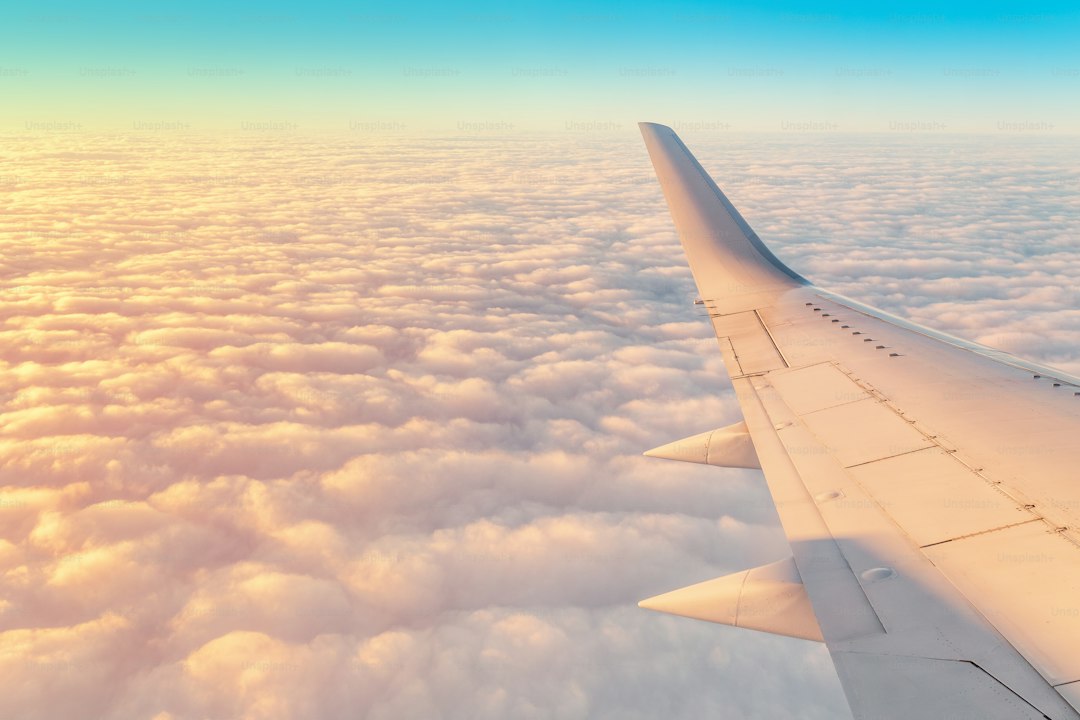
If you’ve ever found yourself mindlessly toggling that airplane mode switch before takeoff, you’ve probably wondered if it’s actually doing anything to keep the plane in the sky. Honestly, it’s easy to feel like we’re just performing a ritual that stopped being relevant years ago, but there’s a much more grounded reason why airlines hold onto the rule. While the technology inside the cockpit has evolved to be practically bulletproof against radio interference, the policy survives largely as a way to protect the integrity of ground-based cellular networks. If every passenger left their phone on, devices at cruising altitude would simultaneously ping dozens of ground towers, effectively overwhelming the capacity of networks that were never built to handle high-speed aerial handoffs.
But beyond the technical strain on towers, there’s a massive element of social management at play that flight crews genuinely rely on. Think about how much chaos would erupt in a confined cabin if everyone decided to start taking voice calls at thirty thousand feet; it would turn a peaceful flight into a noisy, distracting environment. By keeping everyone in airplane mode, airlines aren't just protecting their own onboard Wi-Fi revenue streams, but they’re also ensuring that passengers stay focused on critical safety briefings. It’s a form of crowd control that keeps the cabin environment manageable during the most demanding phases of travel, like takeoff and landing.
There’s also the issue of the legacy equipment still flying in some regional fleets that can’t quite shake the occasional static interference. Even if our modern, fly-by-wire jets are essentially shielded fortresses, some older navigation beacons can still be sensitive to that rhythmic buzzing sound when a phone struggles to find a signal. Because your smartphone will aggressively ramp up its power output when it senses a weak connection at high speeds, it essentially screams at the ground, sometimes creating enough localized noise to annoy pilots over their headsets. Ultimately, it’s less about your phone causing a catastrophic failure and more about maintaining a baseline of order and technical harmony that keeps the entire aviation system humming along without avoidable headaches.
When You Actually Need to Use Airplane Mode (And When You Don’t)
Look, I’ve spent way too much time obsessing over the technical manuals of our modern flying machines, and I think it’s finally time we look at the reality of this airplane mode ritual. We’re often told it’s about navigation safety, but when you break down the engineering of modern fly-by-wire systems, those concerns feel like relics from a bygone era. Your smartphone is essentially shouting into a void that the plane’s hardened, shielded avionics aren't even wired to hear. The truth is, the internal architecture of a commercial jet is so heavily protected against electromagnetic interference that your phone is, frankly, just background noise. If you’re like me and want to keep your battery from hitting zero before you even land, here is the real trade-off you need to consider.
The logic for keeping that switch flipped has shifted from preventing a mid-air disaster to managing a massive logistical headache for ground-based cellular networks. When you’re zipping along at 500 miles per hour, your phone is constantly trying to ping dozens of towers at once, which creates a chaotic, high-speed handoff that those networks simply weren't built to process. Think about the strain: your device is forced to ramp up its transmission power to the absolute legal limit, searching for a signal that isn't really there. This creates two distinct problems for you: your battery drains at an alarming rate as your phone fights for a connection, and you end up creating that rhythmic, chirping static that can actually annoy pilots through their headsets.
So, when do you actually need that toggle? If you’re just listening to downloaded music or watching a movie offline, your radio isn't aggressively polling, which makes the device effectively harmless to the systems outside. But the second you rely on mobile data at altitude, you’re hitting that point of diminishing returns where your device is burning through energy for a connection that’s physically impossible to maintain. I tend to leave mine in airplane mode not because I fear a system failure, but because I’d rather keep my battery alive for the taxi ride home. It’s all about being smart with your power, because at the end of the day, your phone is far more of a threat to your own screen time than it ever was to the flight deck.
Future-Proofing Travel: Will Airplane Mode Eventually Become Obsolete?
When you look at the trajectory of aviation technology, it feels inevitable that the airplane mode toggle is heading toward the same fate as the physical map or the in-flight phone booth. We are entering an era where direct-to-cell satellite constellations are being engineered specifically to handle high-speed aerial handoffs, effectively bypassing the ground-based tower congestion that served as the original justification for these bans. If these satellite networks become the primary backbone for mid-air connectivity, the technical argument for preventing signal ghosting simply vanishes. It’s a fascinating shift, and honestly, it suggests that the days of manually switching our phones are numbered.
Think about how our cabin environments are already changing with the integration of localized picocells and signal-absorbing materials built directly into aircraft frames. Rather than relying on passengers to remember a setting, airlines are moving toward software-defined connectivity that automatically manages transmission levels the second you board. We are seeing a shift where instead of banning devices, regulators are focusing on certifying cabin-friendly hardware, potentially creating a future where your phone’s radio is throttled by the plane's own infrastructure before it can ever be an issue. It’s a much more elegant, invisible solution than asking hundreds of people to fumble with their settings while trying to stow their bags.
Of course, the transition isn't just about the tech inside the cabin; it’s about harmonizing global standards so a device from one region doesn't accidentally chirp at a restricted frequency in another. The International Telecommunication Union is still working to align these rules for 6G, and until that happens, we’ll likely see a fragmented landscape where some routes allow connectivity while others stick to the old ways. But with the rise of beamforming antennas that direct signals toward satellites rather than broadcasting in every direction, the electromagnetic footprint of our devices is shrinking rapidly anyway. We are essentially moving toward a self-healing radio environment where aircraft can identify and ignore stray interference in milliseconds.
Ultimately, I suspect we’ll reach a point where geofencing technology handles the transition for us, shifting our phones into a low-power "flight state" the moment we reach cruising altitude. It preserves the battery-saving benefits we actually care about while removing the human error that currently keeps the ritual alive. I’m not sure how long it will take for the policies to catch up to the engineering, but once the safety monitors stop registering even a blip from active devices, that little airplane icon will finally become a relic. It’s comforting to think that our future flights might just be a bit more seamless, leaving us to focus on the view outside the window rather than the settings on our screens.
Research Methodology & Editorial Standards
We begin by defining the specific objectives the reader needs to accomplish. Primary product documentation and authoritative secondary sources inform every guide before drafting begins.
Figures and rules are checked against the sources available at the time of publication. Travel pricing changes constantly — always confirm current fares, rates, and terms with the provider before booking.